





 Portuguese
  English
  Spanish
  2 min of reading
  0 comments


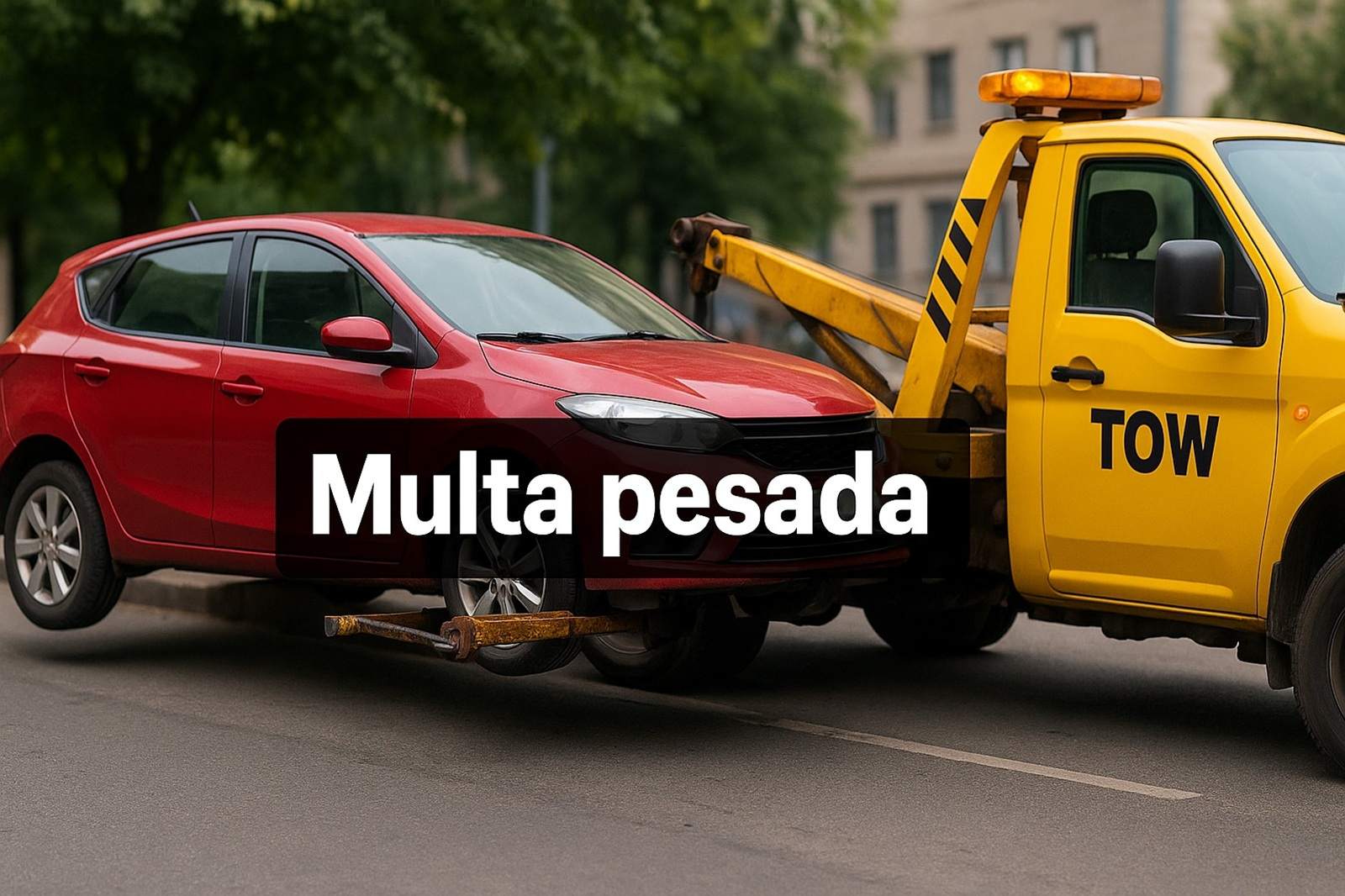
The Decision Advances After Analysis in the CCJC and Paves the Way for Harsher Penalties for Drivers Who Occupy Prohibited Spaces, Including Vehicle Towing and New Uses for Resources Raised from Fines
The irregular use of spaces reserved for people with disabilities or reduced mobility may face a specific fine.
The Commission on Constitution, Justice and Citizenship of the Chamber of Deputies approved a proposal that creates a new charge for those parking in these areas and also authorizes towing.
The text expands the scope of penalties and is still under analysis in the House plenary before eventual submission to the Senate.
-
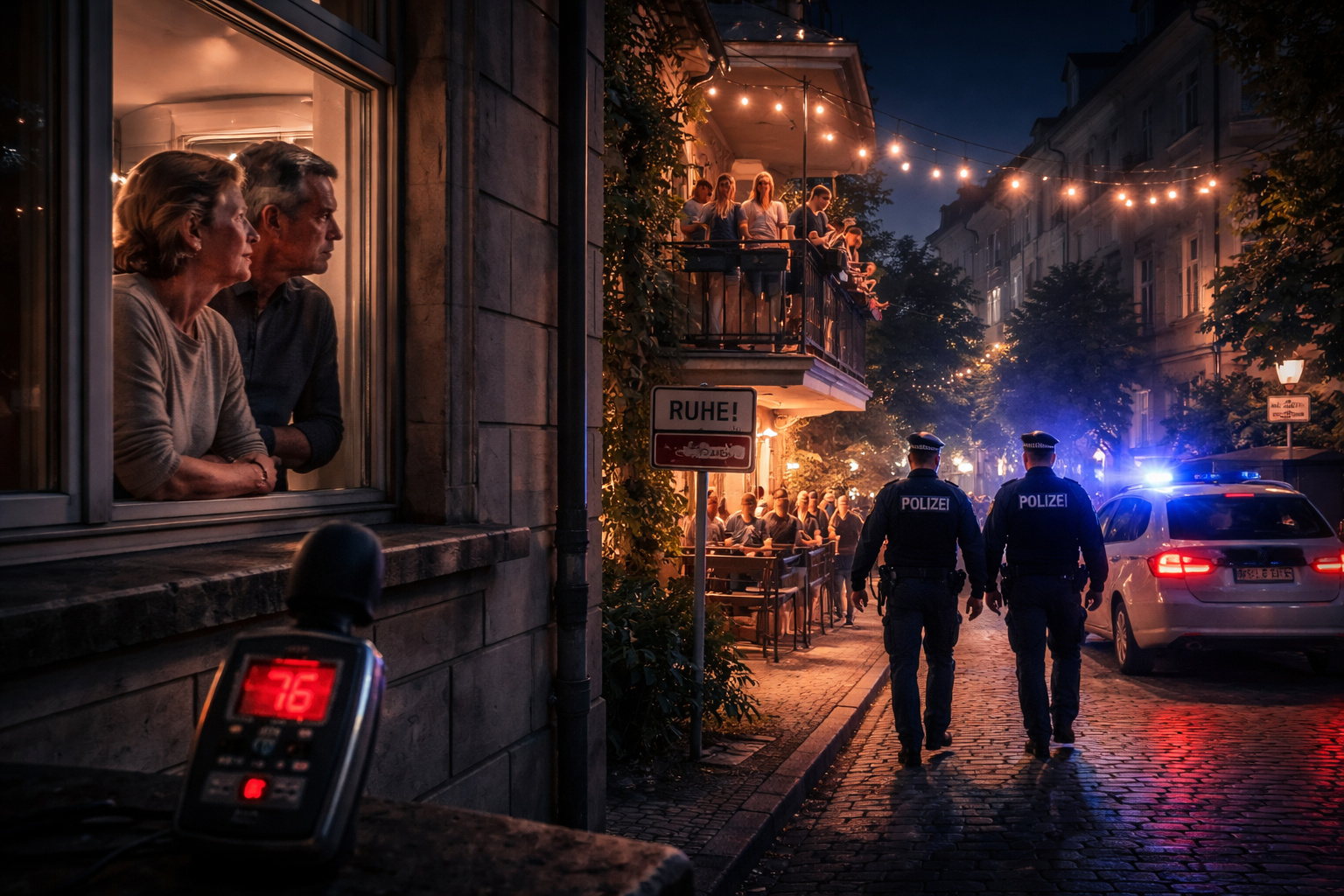
The noise law will no longer be in effect at 10 PM starting in June with a new rule valid during the 2026 World Cup.
-
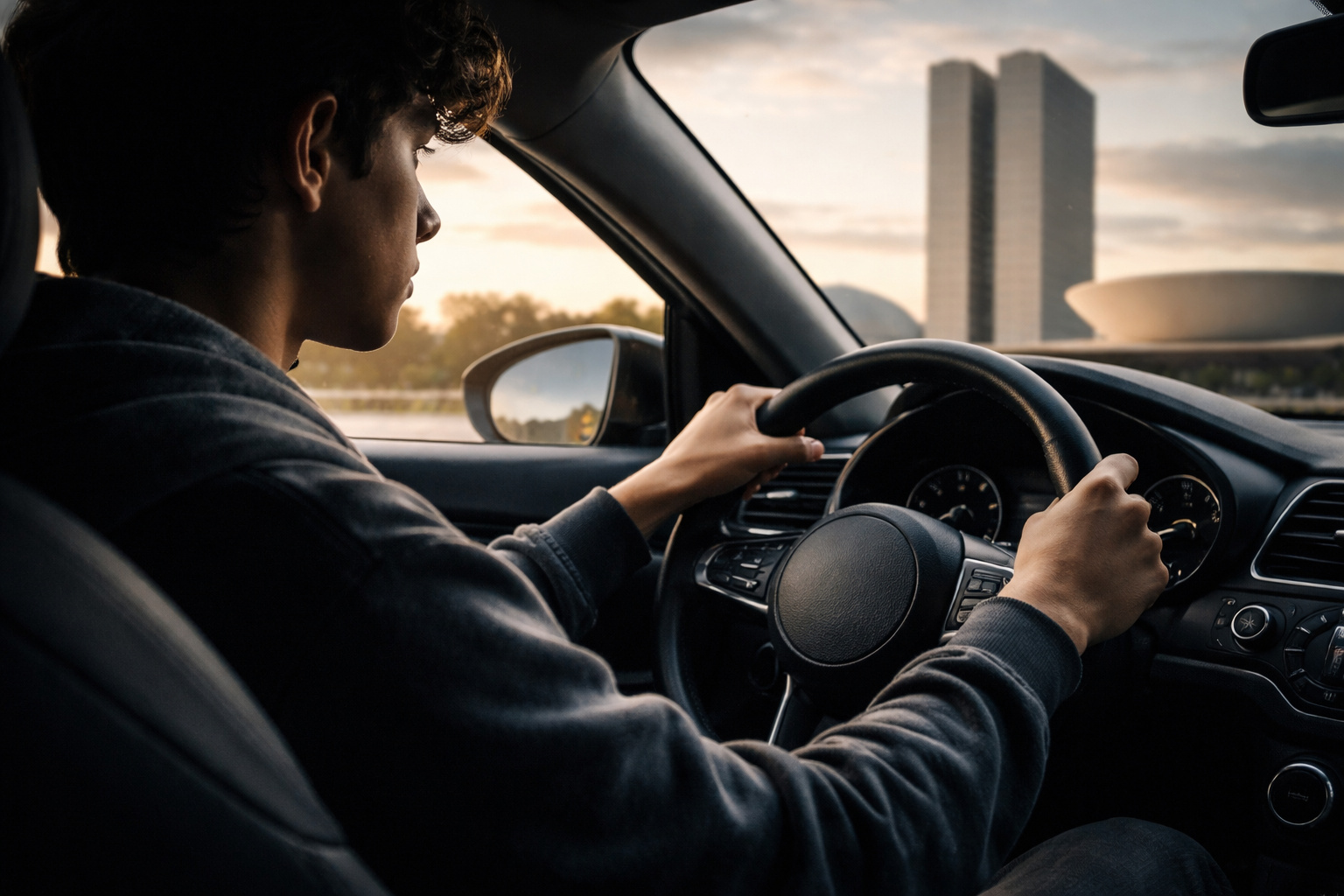
The Chamber opens a debate on driver’s licenses at 16 years old as part of a reform that includes around 270 proposals to change the Brazilian Traffic Code and may redesign rules for licensing, enforcement, and circulation in the country.
-
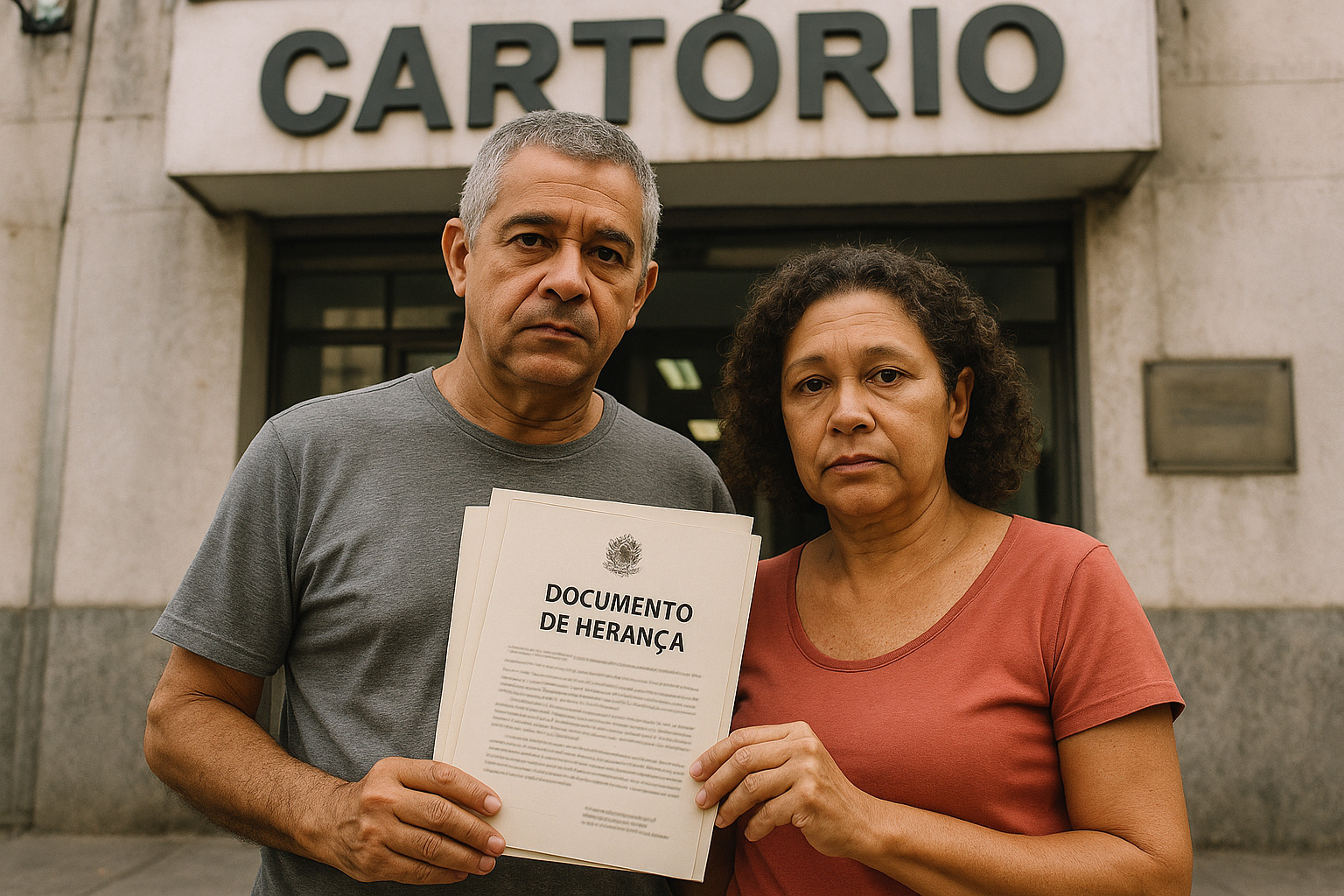
The new Civil Code could revolutionize marriages in Brazil with “express divorce” and changes that could exclude spouses from inheritance.
-
Banco do Brasil sues famous influencer for million-dollar debt and intensifies debate on delinquency, risks of seizure, and direct impact on Gkay’s credibility.


Current Rules of the Traffic Code
The Brazilian Traffic Code stipulates a fine for vehicles stopping in pedestrian crossings or lowered curbs for vehicle entry or exit. The infraction is classified as medium, with a penalty of R$ 130.16, in addition to four points on the National Driver’s License.
The car can also be towed if necessary. The proposal approved in the CCJC aims to include the unlawful occupation of reserved spaces among the behaviors subject to the same form of accountability.
Destination of Collected Resources
The project also changes the use of revenue obtained from fines. Currently, the amount is allocated to signage, traffic engineering, policing, inspection, and traffic education.
The new rule allows part of this funding to be directed to accessibility works. At least 10% of the resources will be allocated to projects and investments in technological tools aimed at safety and accessibility in traffic, prioritizing non-motorized transportation.
Next Steps of the Proposal
The author of the idea, Felipe Rigoni, claims that the focus on non-motorized transportation meets relevant demands.
After approval in the CCJC, the text awaits analysis by the House plenary. If there is an agreement, the proposal will proceed to discussion in the Federal Senate.









-

-

-

3 pessoas reagiram a isso.