





 Portuguese
  English
  Spanish
  2 min of reading



When It Comes To 3D Printing, Many Imagine Toys, Machine Parts, Or Even Food. However, Researchers From The University Of Sydney And The Children’s Medical Research Institute (CMRI) Are Taking This Technology To A New Level: The Creation Of Functional Human Tissues.
Let’s Understand How This Advancement Can Transform The Field Of Regenerative Medicine And The Treatment Of Various Diseases.
The Project, Led By Professors Hala Zreiqat, Peter Newman, And Patrick Tam, Utilized A Sophisticated 3D Photolithographic Printing Technique To Manufacture Tissues That Imitate The Complex Architecture Of A Human Organ. Using Bioengineering Methods And Cell Culture, They Were Able To Instruct Stem Cells To Specialize, Thus Forming Organ-Like Structures.
The Impact On Regenerative Medicine
This Discovery Opens Doors For The Development Of Revolutionary Treatments. “Our New Method Serves As An Instruction Manual For Cells, Allowing Them To Create More Well-Organized Tissues That Resemble Their Natural Counterparts,” Says Professor Hala Zreiqat. This Is A Crucial Step For The Future Of 3D Printing Of Functional Tissues And Organs.
-
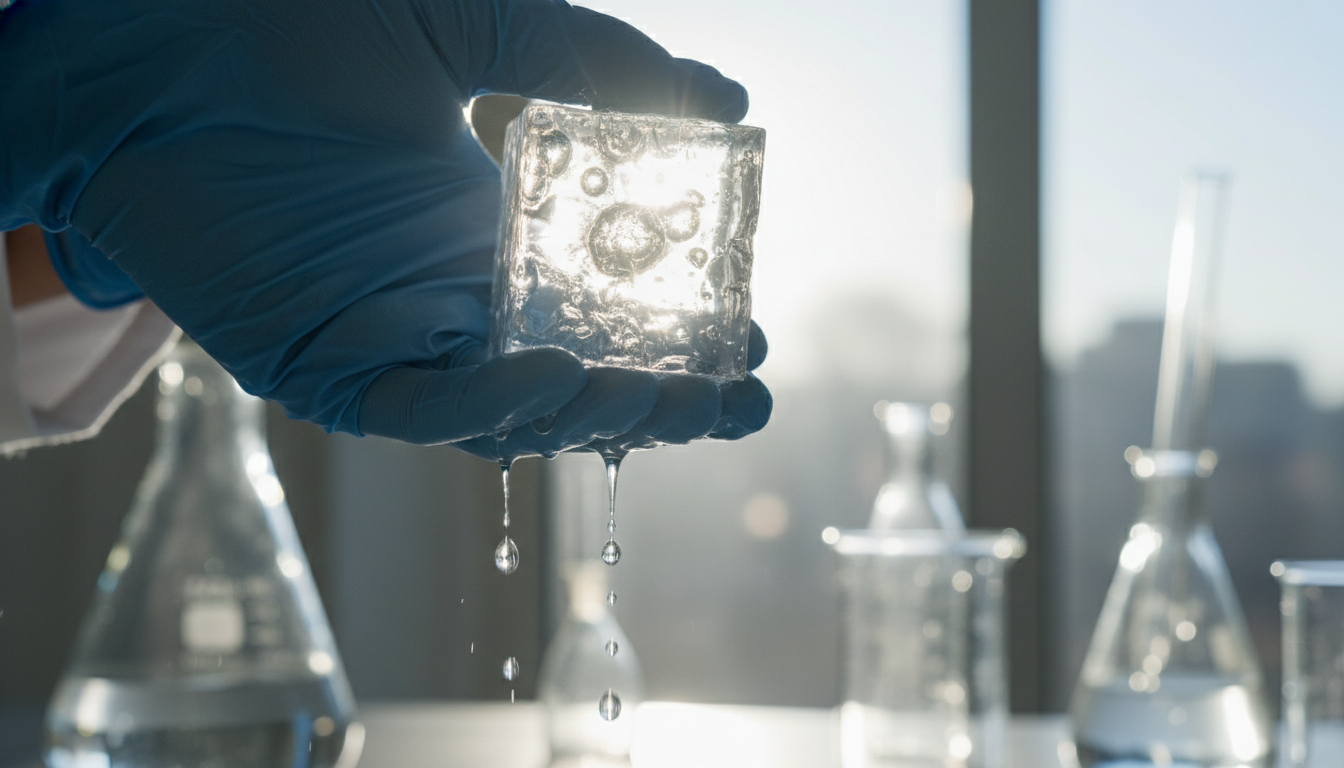
Scientists create a “molecular sponge” that transforms dirty water and even water from the Dead Sea into potable water using only sunlight and without consuming any electrical energy.
-
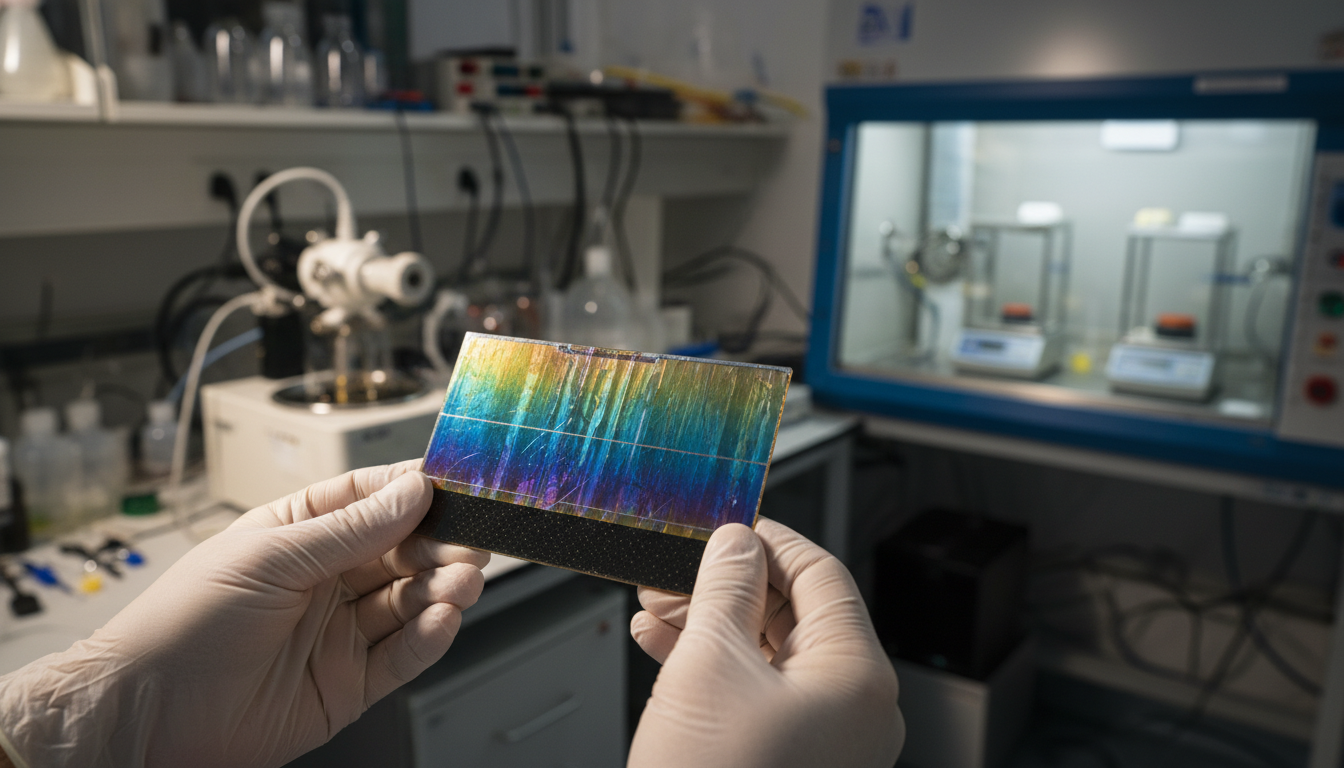
Chinese company creates solar cell that breaks the physical limit of silicon with 34.85% efficiency and promises to revolutionize electricity bills with panels that generate 20% more energy starting in 2026.
-
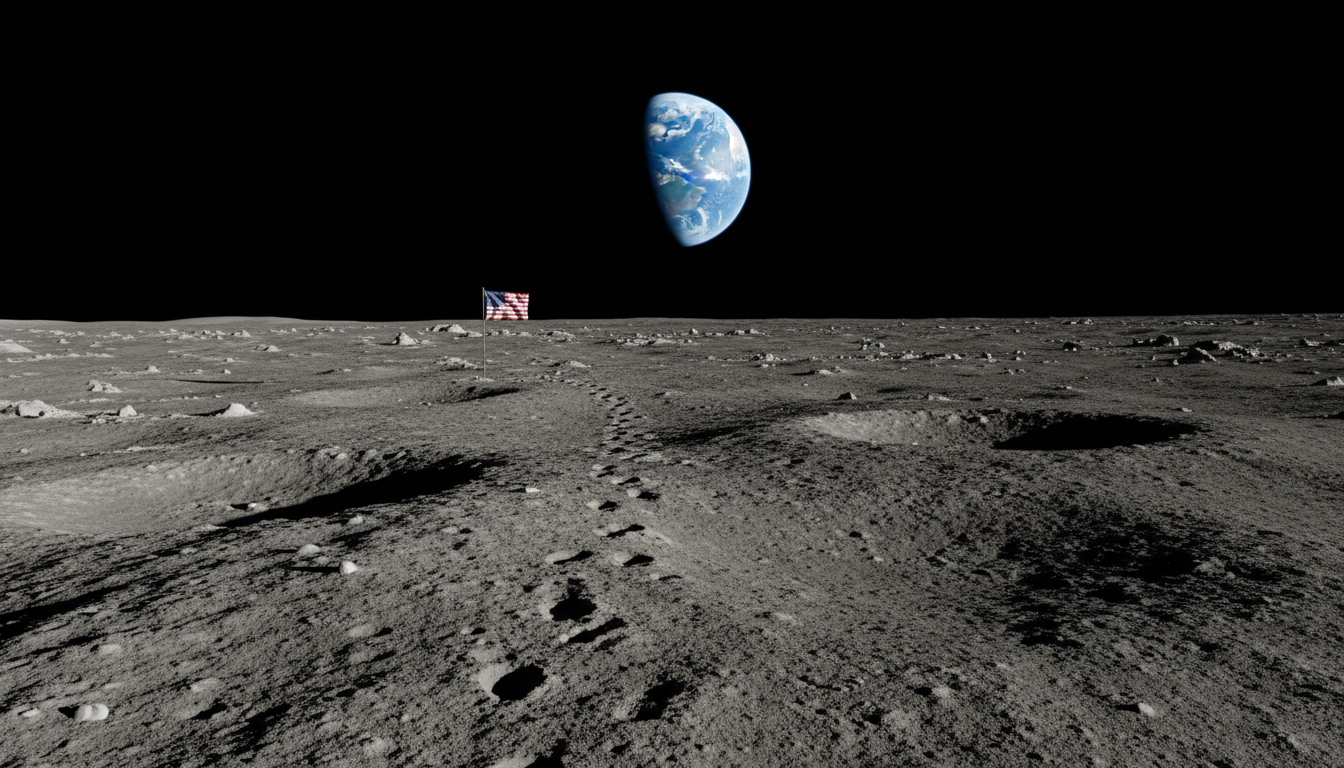
For the first time in over half a century, humans have seen the Moon up close and returned to tell the tale, and the technology that brought them back makes Apollo look like a toy.

-
From 1969 to 1972, only 12 human beings set foot on the Moon, and then the world simply stopped going, until this week when NASA showed that the journey back has finally begun.
Challenges And Opportunities
The Research Still Faces Obstacles. According To Dr. Peter Newman, Without Specific Instructions In The Form Of Proteins And Mechanical Triggers, Cells Tend To Cluster Imprecisely. However, The New 3D Printing Technique Solves This Problem By Providing Mechanical And Chemical Signals That Guide Cells In The Formation Of Organized Structures.
The Implications Of This Research Are Enormous. From Treating Macular Degeneration To Manufacturing Organs For Transplants, The Possibilities Are Endless. “This Technology Could Revolutionize The Way We Study And Understand Diseases,” Adds Dr. Newman.










Seja o primeiro a reagir!