





 Portuguese
  English
  Spanish
  3 min of reading


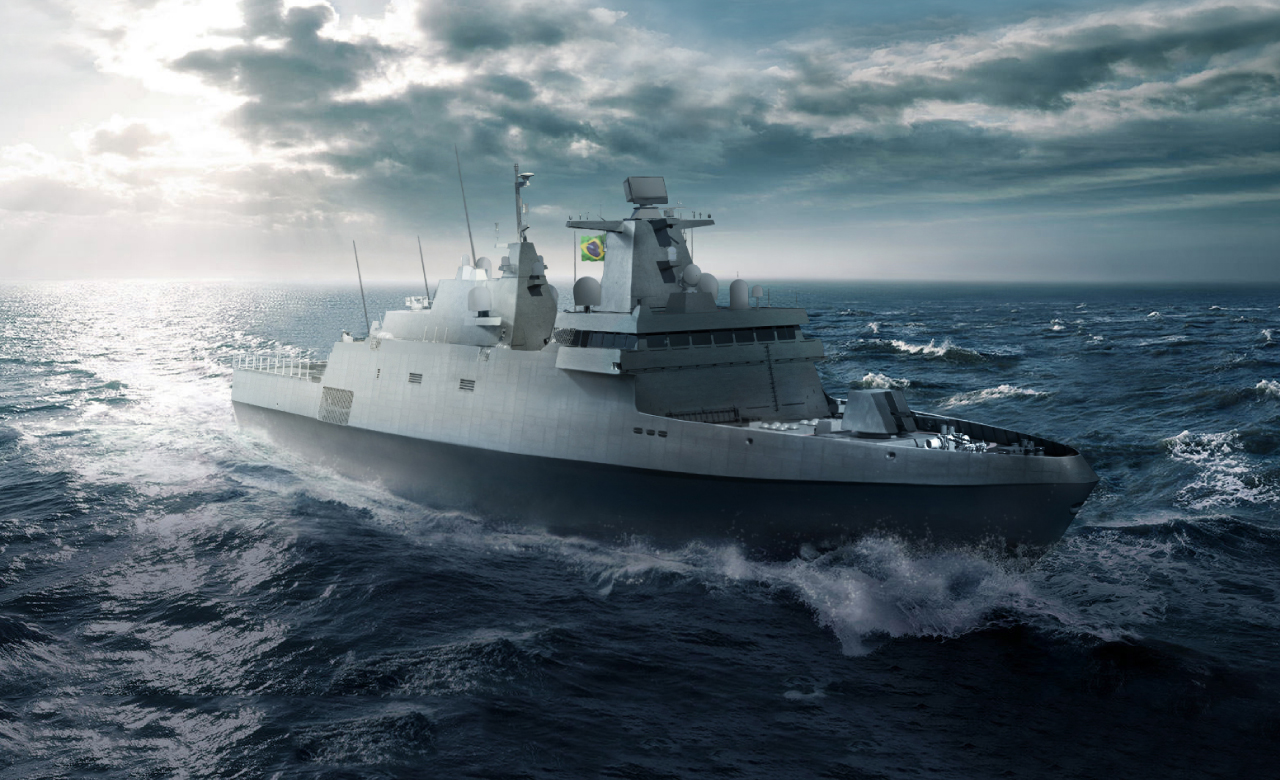
The Brazilian Navy Is Leading an Innovative Project in the South American Naval Industry, Aiming to Modernize Its National Vessel Production Processes and Reduce Environmental Impact.
Águas Azuis, a Special Purpose Company (SPE) formed by companies such as Thyssenkrupp Marine Systems, Embraer Defense & Security, and Atech, is developing four defense vessels equipped with advanced technologies that promise to enhance the quality and performance of the Tamandaré Class frigates.
The project’s standout feature is its entirely digital approach, as it eliminates the use of paper in the production of the ships. This modernization will allow for greater flow, speed, and performance in the vessels, as well as provide more efficient maintenance to the health of the ships for missions.
The companies involved in the partnership are working together to establish solid foundations for the export of naval defense products. However, the project’s main focus is to ensure the security of the information contained in the documents necessary for the production of the ships, since confidentiality is crucial in military projects.
-
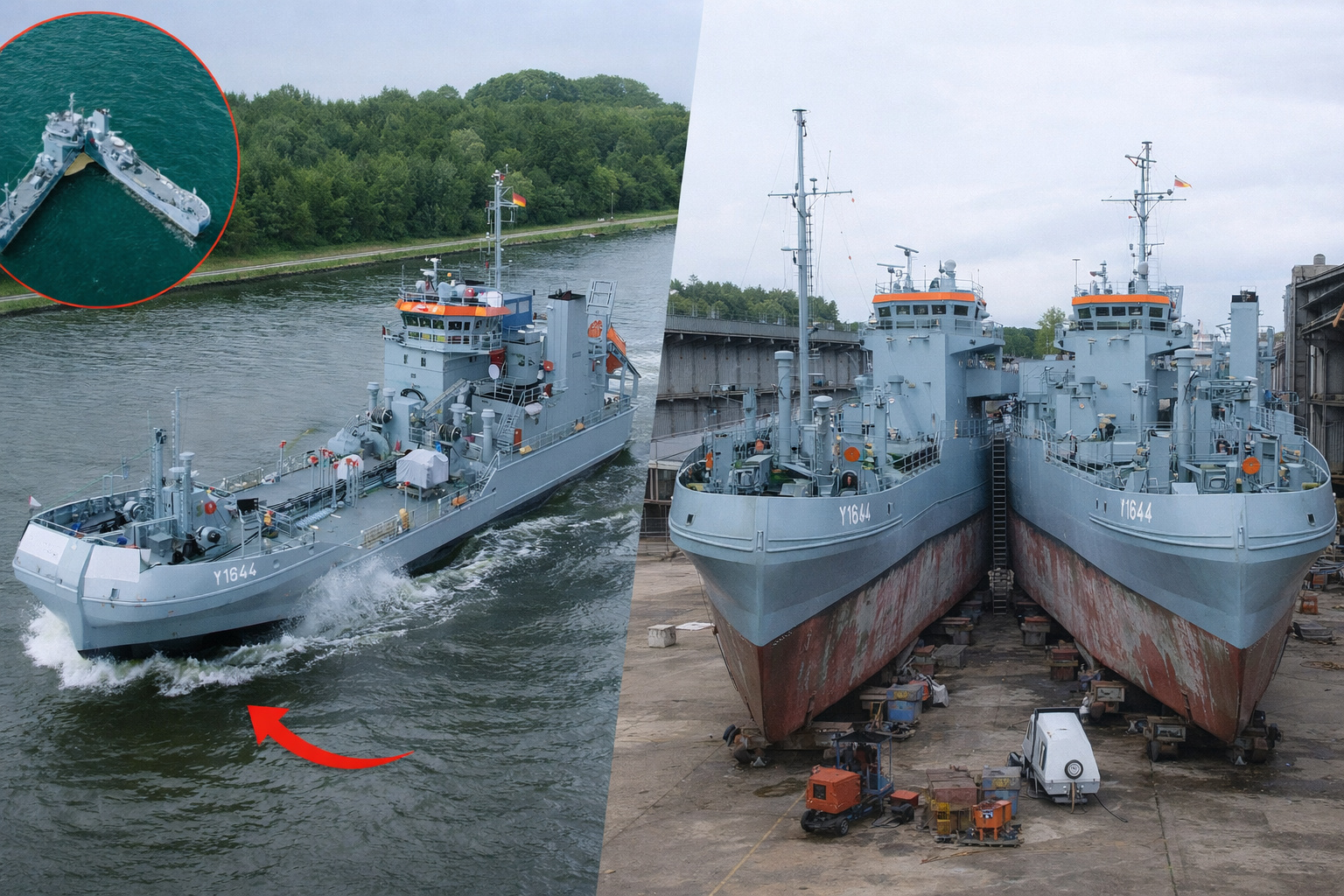
The German ship Bottsand splits its hull in two halves in the middle of the ocean to swallow spilled oil on the surface, separating the oil from the water inside a 790 cubic meter tank and then closing again. It is the only ship in the world factory-designed to split in half as part of normal operations, and the crew of six people who operate everything is civilian.
-
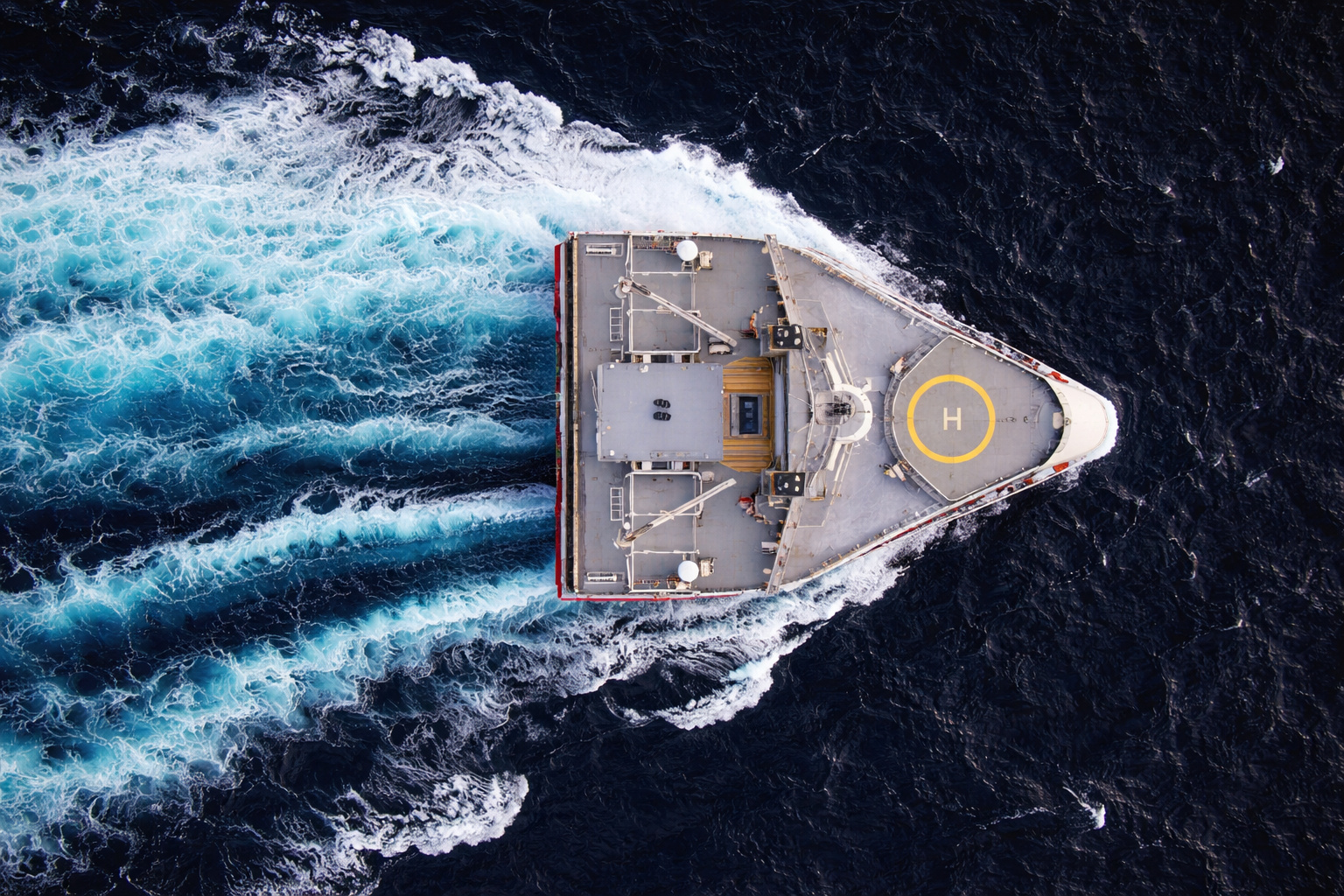
With almost 70 meters in width at the stern and a shape resembling a “giant slice of cheese,” the Ramform Titan tows up to 24 seismic cables to sweep the ocean floor in 3D and reveal oil reserves hidden beneath kilometers of sediment.
-
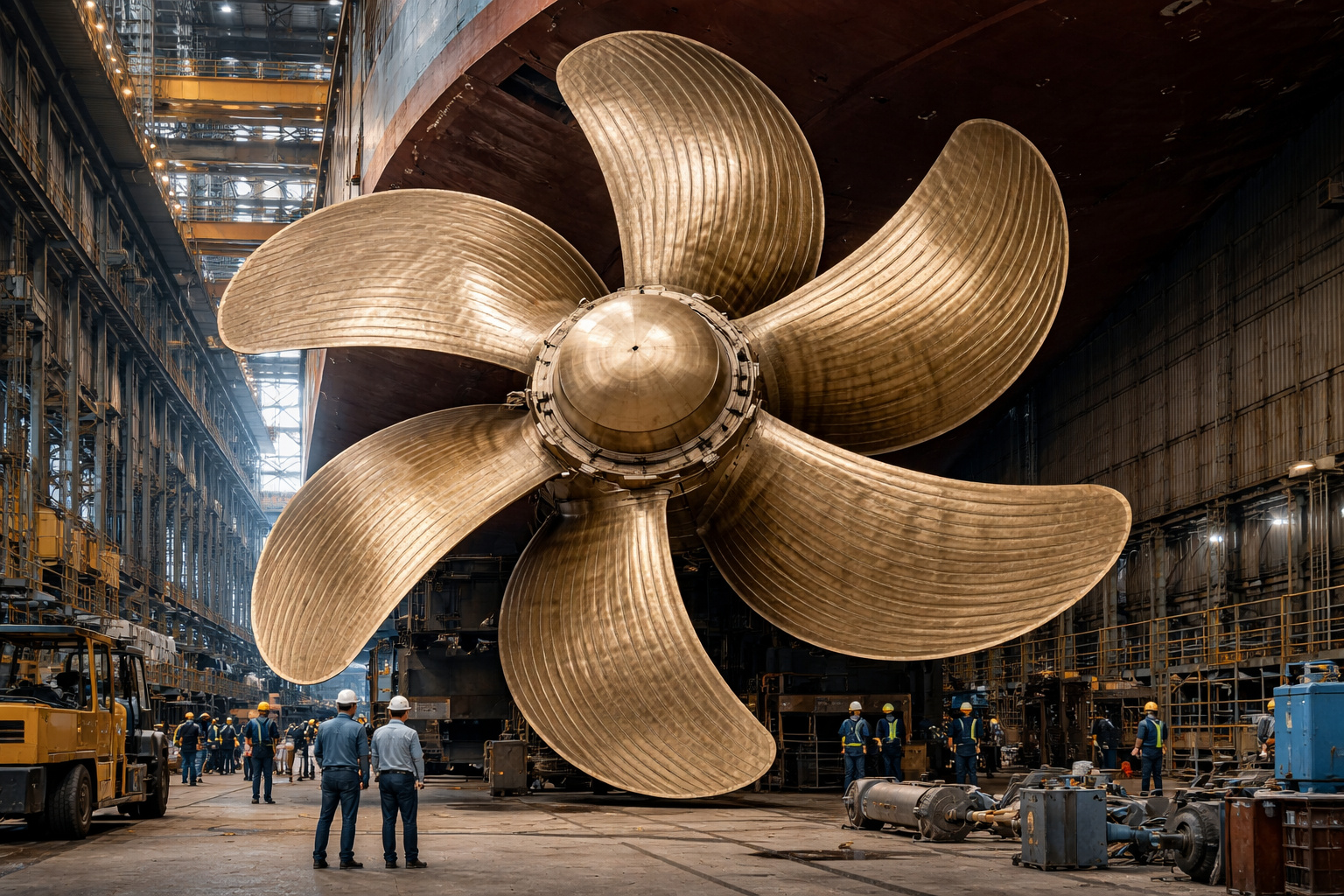
How a 131-ton, 11-meter propeller supports 90% of global trade and transforms the largest container ships on the planet.
-
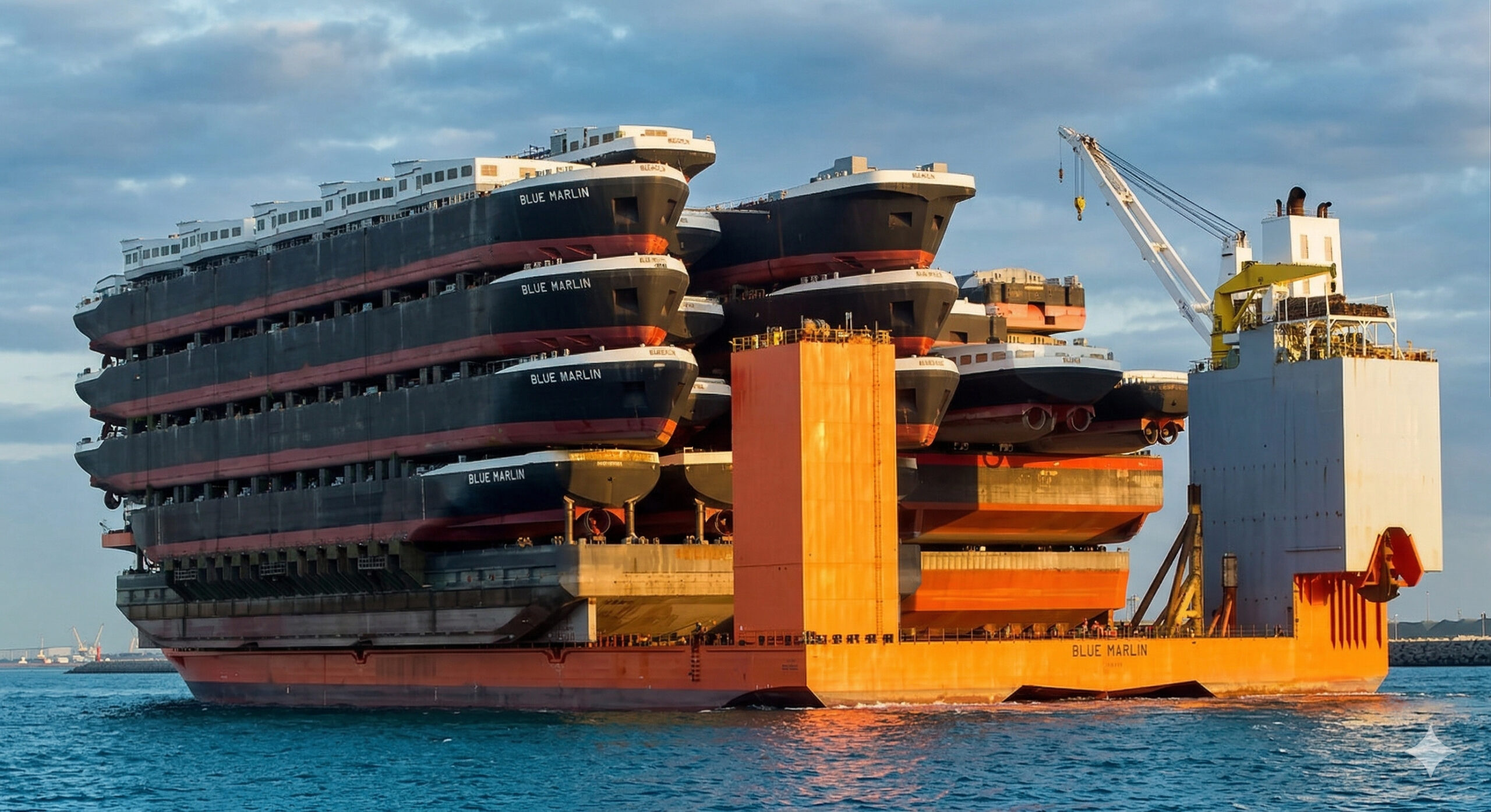
With a length of 225 meters and a capacity of 76 thousand tons, this ship “sinks” its own deck down to 28 meters deep to accommodate war destroyers, oil platforms, and giant radars floating above, and then emerges with everything intact on top like a colossal tray crossing oceans.
In addition to the Brazilian Navy, several countries in Latin America are also adopting new technologies to modernize their production processes in the naval industry. In countries like Chile and Peru, for instance, naval authorities are investing in naval management software to improve processes related to the construction, operation, and maintenance of ships.
There have also been significant investments in software that enhance the security of documents related to military and civilian naval vessels. Technological advancements in the Brazilian naval industry have been fundamental in providing more competitiveness for national vessels in the international market.
Thus, with this digital transformation of the production line, Brazilian naval projects will have much more quality and security, without compromising the productive capacity of the Brazilian Navy. The Brazilian naval sector has enormous potential for growth in technological innovation in the coming years, thanks to the partnership among the main companies in the field in the country.
More Than 1200 People Were Assisted by the Navy in Cruzeiro do Sul with the Hospital Ship.


The Brazilian Navy, in partnership with the Government of the State of Amazonas and Acre, has been providing health care along the banks of the Juruá River, in the cities of Itamaraty, Carauari, Eirunepé, Ipixuna, Guajará, Cruzeiro do Sul, Rodrigues Alves, Porto Walter, Marechal Thaumaturgo, and Mâncio Lima.
On Saturday, February 18, the hospital ship Dr. Montenegro received a visit from the Secretary of the Civil House Jonathan Donadoni to reinforce the government’s support for this important work. The secretary highlighted the relevance of the services provided in these more isolated regions: “The services provided here are essential to ensure the health of the residents.”
During his visit to the Children’s and Women’s Hospital on the same occasion, the department head listened to the most urgent demands and defined strategies to improve maternity services. To date, 1,200 services have been provided in Cruzeiro do Sul, and the teams are waiting for the river level to rise to serve the populations of Marechal Thaumaturgo.
Governor Gladson Cameli has placed great importance on health in public management and believes that this joint effort between the State Government and the Brazilian Navy is essential for guaranteeing the health rights of the riverine populations of the Amazon. The hospital ship continues operations until February 30.
Source: BRAZILIAN NAVY









Seja o primeiro a reagir!