





 Portuguese
  English
  Spanish
  6 min of reading
  0 comments


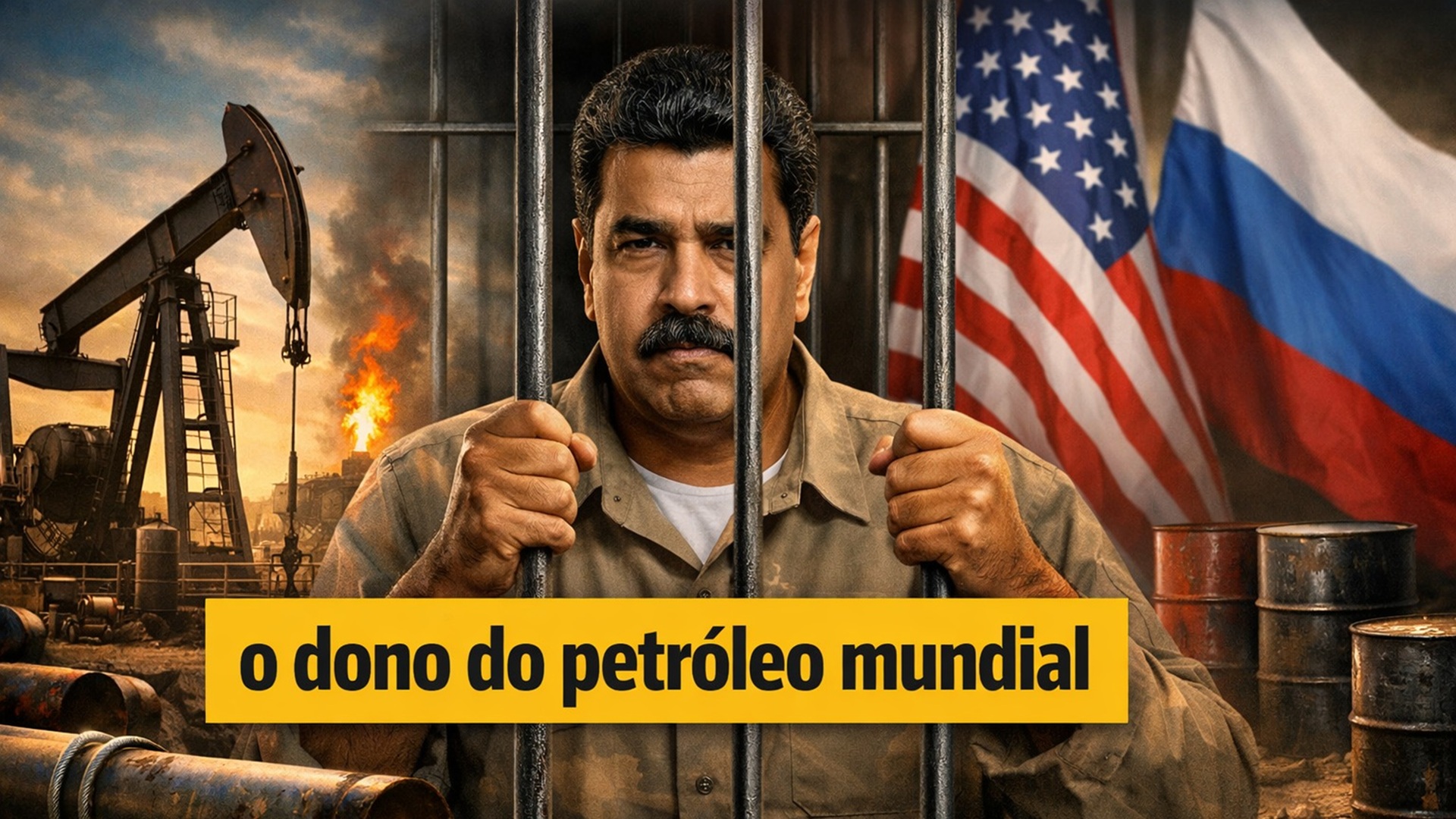
Venezuela, Holder of Approximately 303 Billion Barrels of Oil, Highest Proven Volume on the Planet, Has Entered a New Phase of Instability After the Arrest of Nicolás Maduro, in a Context of Productive Collapse of PDVSA, International Sanctions, U.S. Military Pressure, and Global Strategic Repositioning Around Energy
U.S. forces conducted airstrikes in Caracas early Friday morning and captured President Nicolás Maduro. The unprecedented military operation comes after months of intense pressure and calls into question the future of the nation with the largest oil reserves in the world, estimated at 303 billion barrels.
The Military Escalation and the Dramatic Capture of the Venezuelan Executive
Explosions shook the Venezuelan capital, Caracas, before dawn. Donald Trump announced shortly thereafter that U.S. forces had captured Venezuelan President Nicolás Maduro and his wife, Cilia Flores, removing them from the country. The stunning attack follows months of a pressure campaign by the U.S. against Venezuela.
Since September, the U.S. Navy has assembled a large fleet off the Venezuelan coast. U.S. forces have conducted airstrikes against alleged drug trafficking boats in the Caribbean and Pacific. Additionally, Venezuelan oil tankers have been seized during naval operations in the region.
-
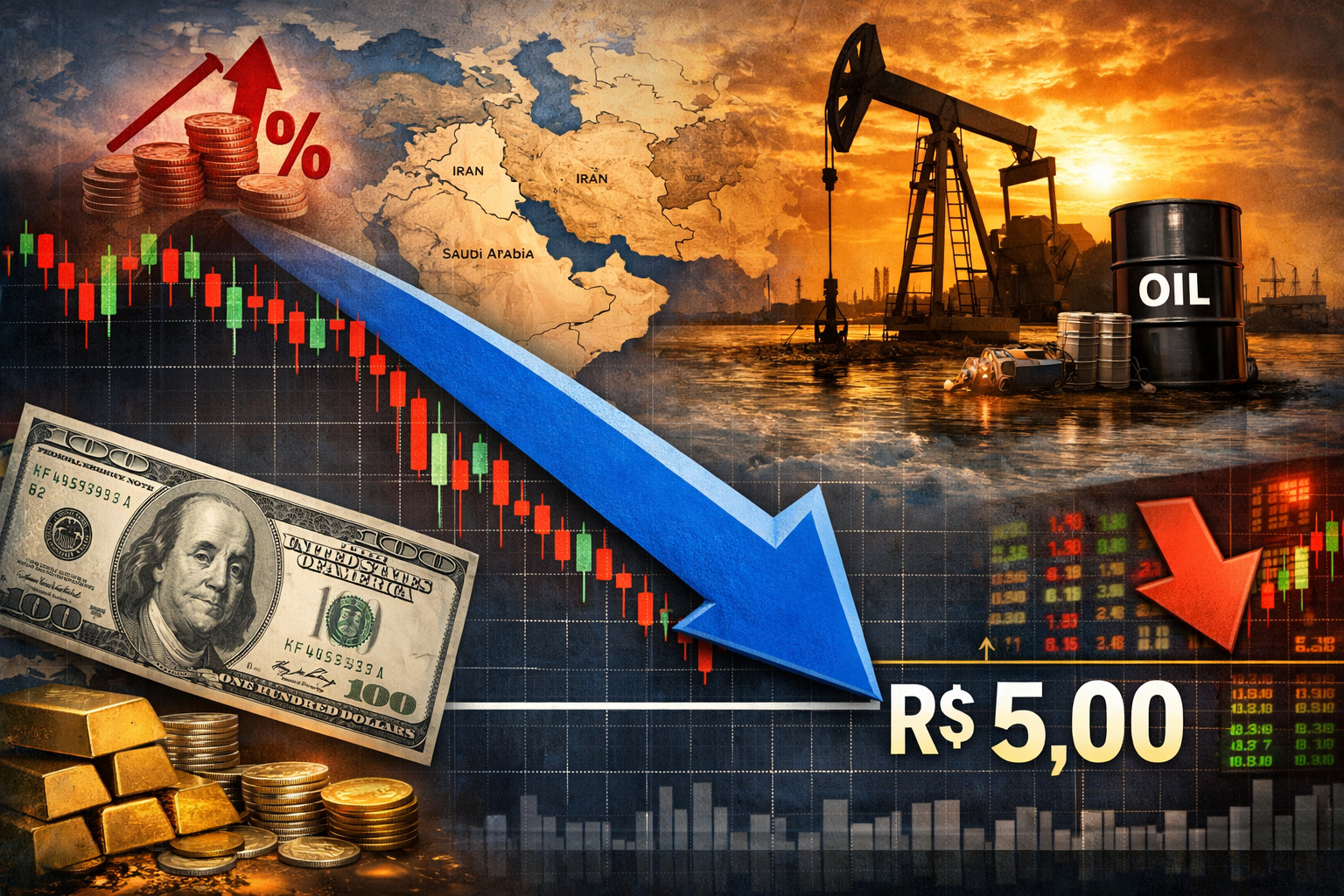
Weak dollar or strong real? The American currency plummets for the third day, approaching R$ 5 and surprising the market with global inflation and tensions in the Middle East that continue to create global uncertainty.
-
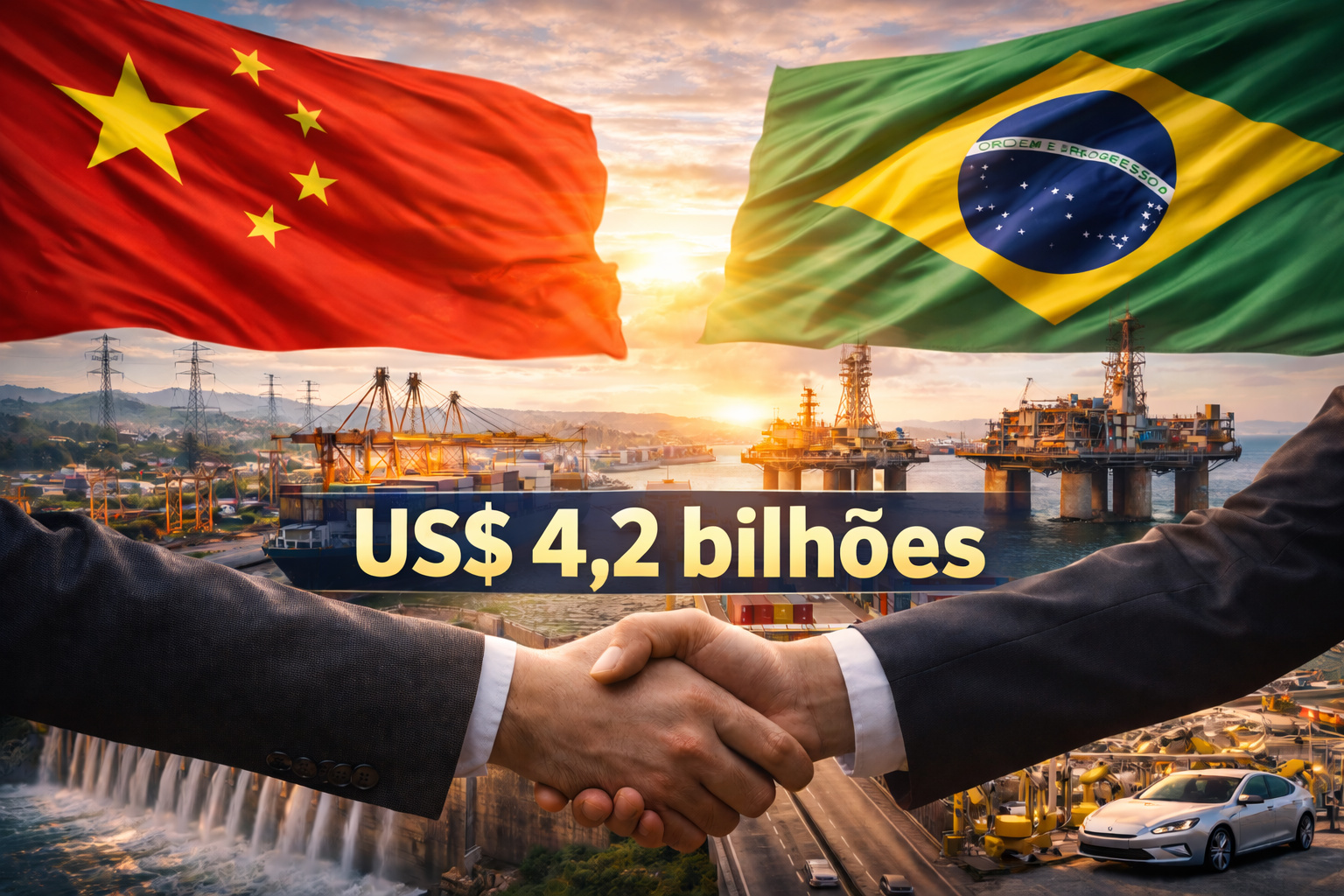
China’s investments in Brazil in factories, energy, oil, electric cars, and new industrial projects double to $4.2 billion, making the country the 3rd largest global destination for Chinese capital.
-
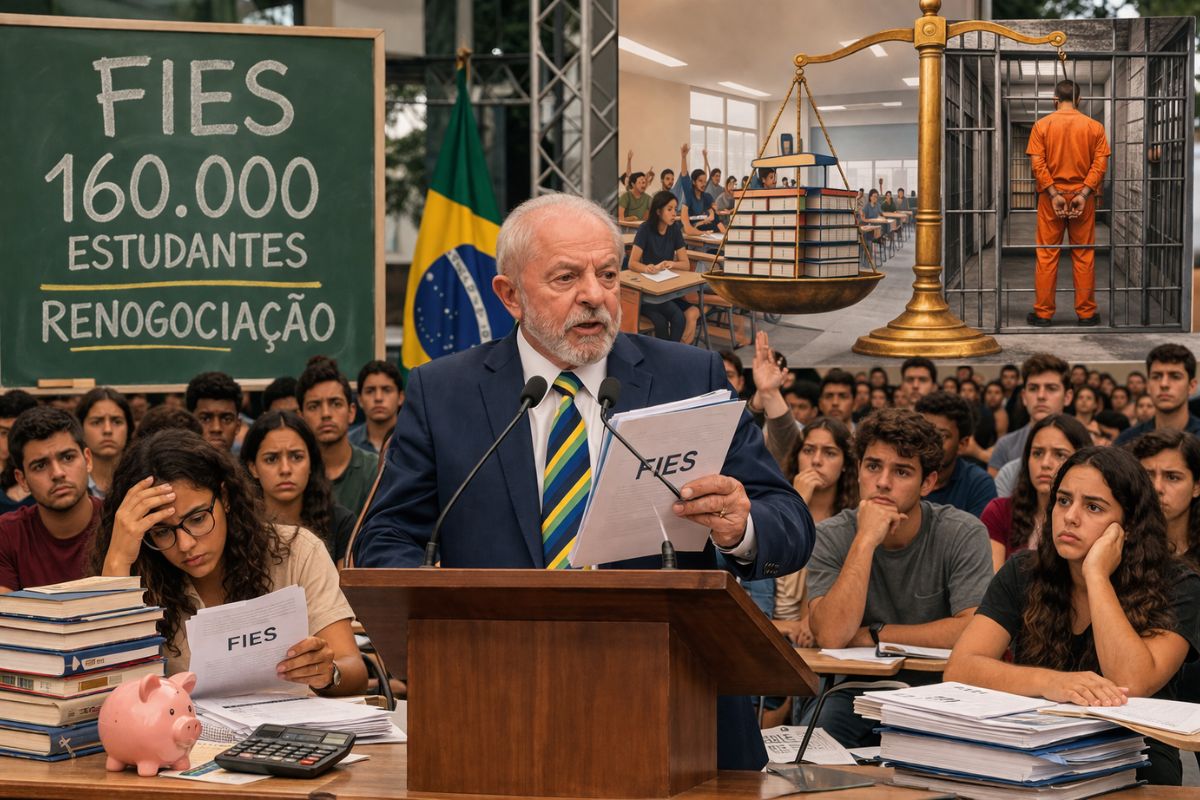
Lula announced that 160,000 students in debt with FIES will be included in the federal government’s renegotiation package and compared the cost of an inmate to that of a student by saying that Brazil invests in criminals when it does not invest in education.
-
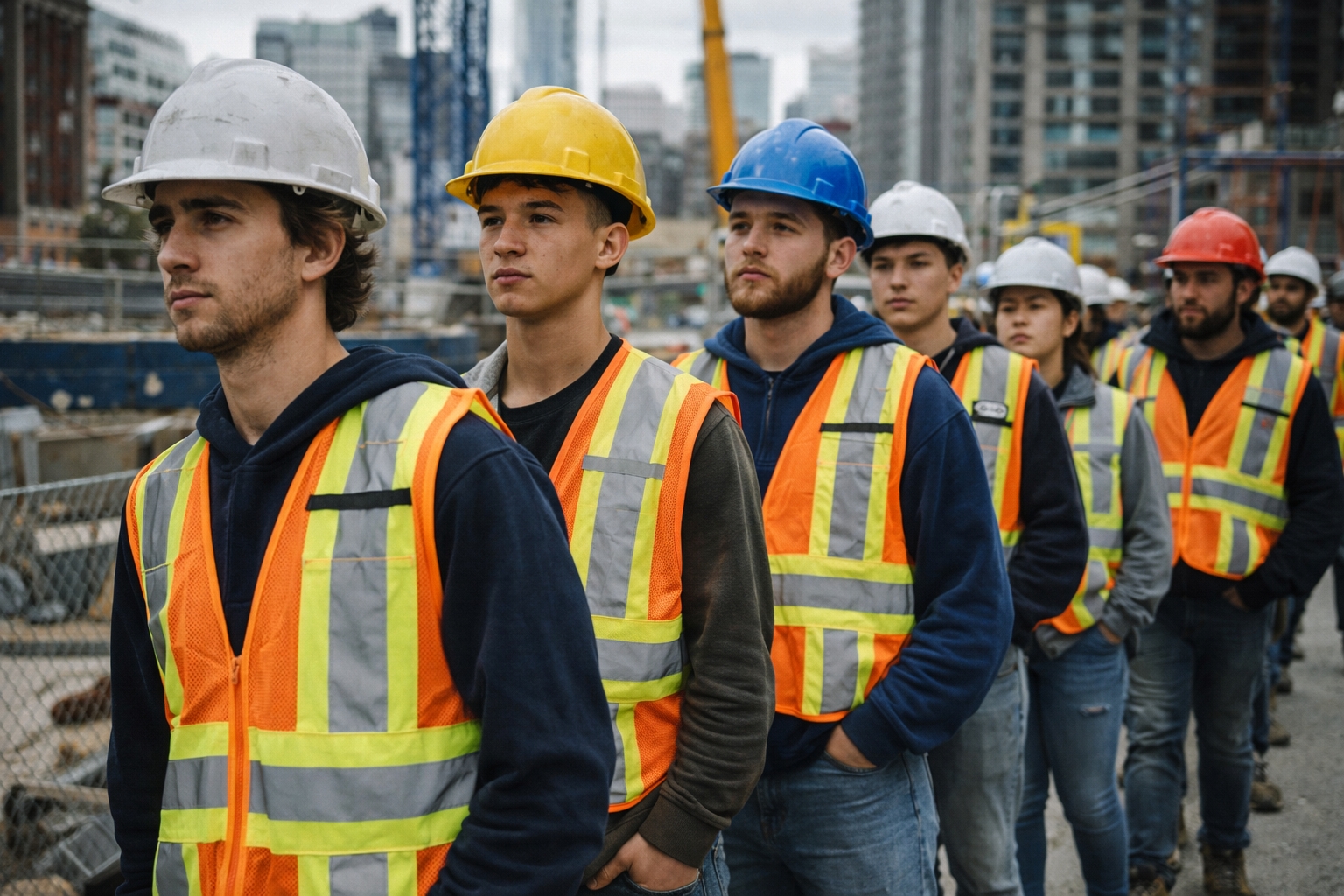
Young people are leaving college in the United States and competing for jobs in construction with salaries of R$ 500,000 per year.
At least 110 people have died in the attacks on vessels. Human rights groups claim that these actions could constitute war crimes. The bombing of Venezuela and the capture of a sitting president represent a serious and dramatic escalation of the U.S. campaign.
The future of the ruling regime in Venezuela remains uncertain after the operation. The military action came after months of escalating rhetoric, but Saturday’s capture came without warning. Venezuelan authorities appear to have been caught off guard by the bold operation.
The Trump Doctrine and Strategic Interest in Energy Resources
Venezuelan officials accused the U.S. of trying to gain access to the country’s oil reserves. In early December, the Trump administration published what it called the “Trump Corollary.” The document states that the Western Hemisphere must be controlled politically, economically, commercially, and militarily by the U.S.
As part of the new Trump doctrine, U.S. military forces could be used to gain access to energy and mineral resources in the area. Venezuela holds the largest proven reserves of crude oil in the world. Data indicates that the country has approximately 303 billion barrels.
This amount represents nearly one-fifth of global oil reserves. This places the South American nation ahead of major producers like Saudi Arabia, Iran, Canada, and Iraq. The magnitude of this wealth makes Venezuela a central player in global energy debates.
Most of Venezuela’s oil is located in the Orinoco Oil Belt, in the east of the country. This region contains immense quantities of heavy and extra-heavy crude oil. This type of oil differs significantly from the lighter oil produced in the Middle East.
The History of Sanctions, Ultimatums, and Diplomatic Tensions
Since taking office for his second term, Trump has set his sights on Maduro, seeking a maximum pressure campaign. He has accused Maduro of being behind destabilizing activities in the Americas. The accusations include drug trafficking and facilitating illegal immigration to the U.S.
In July, the U.S. announced a $50 million bounty for Maduro’s head. Washington accused him of being one of the world’s largest drug traffickers. The administration designated Venezuelan gangs, such as the Tren de Aragua, as terrorist organizations and initiated airstrikes in the Caribbean Sea.
Trump openly flirted with the idea of regime change in Venezuela. At the end of November, he issued an ultimatum to Maduro to step down, offering safe passage out of the country. Maduro rejected the offer, telling supporters he did not want “a slave’s peace.”
The Venezuelan leader accused the U.S. of wanting control over his country’s oil reserves. As the Trump administration ramped up pressure, the government in Caracas appeared confused. Maduro repeatedly stated that Venezuela did not want war with the U.S.
At one point, Maduro danced in front of Venezuelan students to the lyrics “no to war, yes to peace.” He even mimicked Trump’s dance with clenched fists. On Thursday, two days before his capture, Maduro said in an interview that he would welcome U.S. investments.
Production Crisis and the Collapse of Oil Infrastructure
Despite holding the largest reserves in the world, Venezuela’s production remains far below its potential. The heavy crude oil from the Orinoco Belt requires specialized processing or refining. This significantly increases costs and technical complexity for export or use.
Oil has been the backbone of the Venezuelan economy, generating most of the government’s revenue. The state-owned PDVSA was once one of the world’s most capable national companies. At its peak, the company produced over 3 million barrels per day.
This scenario has changed drastically due to years of underinvestment and mismanagement. The deterioration of infrastructure and the exodus of skilled labor have impacted the sector. International sanctions have also drastically reduced the South American country’s production capacity.
Current production is estimated to be well below one million barrels per day. This represents a fraction of historical levels and is modest compared to other major producers. The paradox lies in the discrepancy between the giant reserves and the limited extraction capacity.
The sanctions have restricted financing and technology transfer to PDVSA. Without continuous investment and stable access to the market, heavy oil becomes less competitive. Countries with smaller reserves but efficient infrastructure export far more oil than Venezuela currently.
Political Context and the Legitimacy of the Government
Relations between the U.S. and Venezuela have been tense since Hugo Chávez took office in 1999. Chávez irked the U.S. by opposing the invasions of Afghanistan and Iraq. He also formed alliances with countries like Cuba and Iran, antagonizing Washington.
For many in the U.S., Venezuela’s socialist orientation has made it a natural adversary. Relations worsened when Chávez accused the U.S. of supporting a coup attempt in 2002. The deterioration continued when Nicolás Maduro took power in 2013, after Chávez’s death.
Maduro’s government is considered dictatorial by various international entities. The UN estimated in 2019 that over 20,000 Venezuelans were killed in extrajudicial executions. Fundamental institutions, such as the judiciary, have been eroded under Maduro’s command, and the rule of law has deteriorated.
In July 2024, Maduro appeared to suffer a crushing defeat in the presidential election. The Biden administration recognized opposition candidate Edmundo González as the winner. Voting data verified by independent experts indicated González’s victory, but Maduro clung to power.
The fierce repression that followed the election increased international outcry. The Trump administration, in its prior term, had already portrayed the Maduro government as illegitimate. In 2019, the U.S. recognized Juan Guaidó, president of the parliament, as the president of Venezuela.
Scenario of Uncertainty and Projections of Conflict
The immediate future of Venezuela is uncertain after Maduro’s capture. The Venezuelan defense minister vowed to continue fighting. He called on citizens to unite to resist the “invasion” from abroad, labeling the resistance to the U.S. as a “fight for freedom.”
Although Maduro has been captured, Venezuela’s institutions and military appear to be intact. It is unclear whether Saturday’s attack is the beginning of a broader conflict or a one-time operation. Leaders of the Venezuelan opposition have reacted to recent events.
María Corina Machado, Nobel Peace Prize winner and opposition leader, urged Trump to support an uprising in the country. However, the scenario of intervention poses significant risks of internal destabilization and widespread violence among factions.
The U.S. has previously conducted war games to simulate the decapitation of Venezuelan leadership. The simulations predicted prolonged chaos in the country. Douglas Farah, a Latin America expert who helped conduct the games, warned of the consequences.
The predicted scenario includes refugees fleeing Venezuela in large numbers. Additionally, rival groups could fight each other for control of the country. Farah told the Guardian that the situation would result in prolonged chaos, with no clear exit from the crisis.







-

-

-

5 pessoas reagiram a isso.