





 Portuguese
  English
  Spanish
  4 min of reading
  0 comments


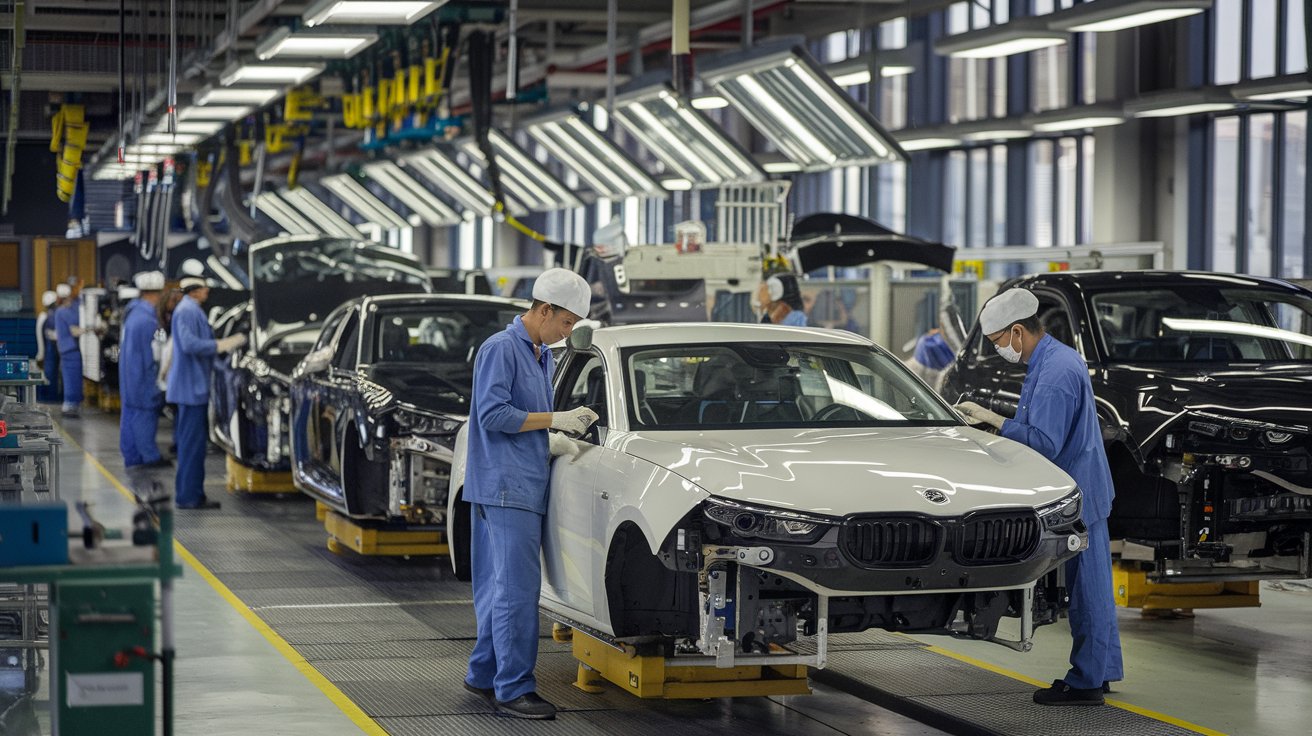
The Electric Car Revolution in Brazil Is Being Led by Chinese Manufacturers, Who Are Shaping the Future of the National and Global Automotive Industry.
At the conclusion of the “Valor Econômico Brazil-China 2025 Summit” program, held in Shanghai, the panel “Reinventing the Automotive Industry: The Acceleration of Electric Vehicles” brought to light a topic of great relevance for the future of the automotive market in Brazil.
In 2024, the electric and hybrid car segment in the country reached a historic record, with 177,358 electrified vehicles registered between January and December, according to data from the Brazilian Electric Vehicle Association (ABVE).
Of this total, 61,615 units were fully electric battery vehicles, accounting for about 35% market share, an impressive figure that reveals the growing demand for sustainable and efficient options.
-
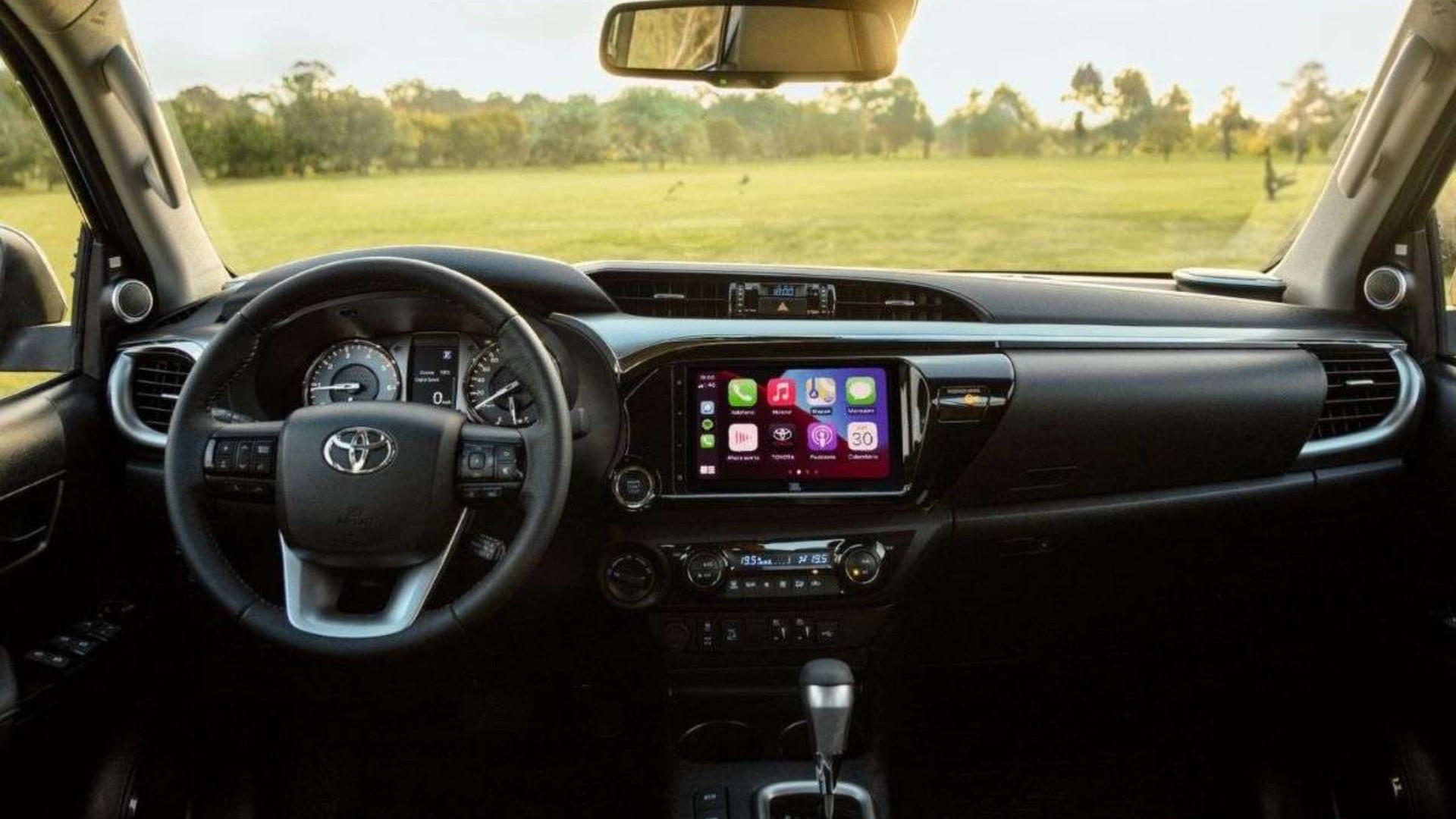
The Toyota Hilux is R$ 75.5 thousand cheaper and bets on the 2.8 turbodiesel engine with up to 204 hp and 50.9 kgfm to catch up with the VW Saveiro, which leads with 4,472 sales.
-
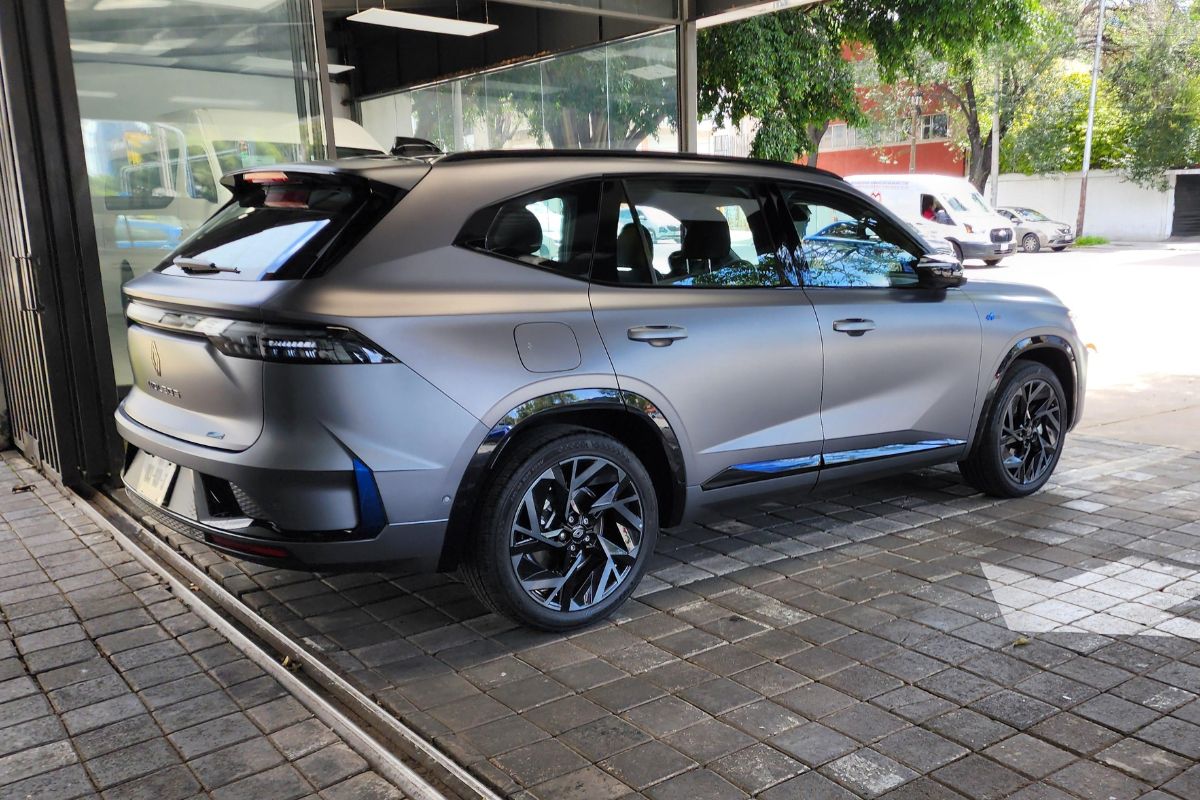
The new Renault Koleos has a screen exclusively for the passenger that is invisible to the driver, heated rear seats, and 29 assistance systems, but its Chinese competitors cost R$ 40,000 less and deliver more power.
-
The car stored for 38 years: when opening the barn door, what appears is breathtaking and looks like a scene from a movie!

-
Fiat works miracles in the Brazilian market, lowers the price of its 0 km hatch to R$ 69,990, reestablishes the model as the cheapest car in the country, and reignites the battle against Kwid and C3.

Brazil, which was once a pioneer in adopting ethanol as a biofuel, seems to be preparing to take another step towards electrifying its vehicle fleet.
The Role of China and the Experts’ View
Liu Xiaoshi, vice-secretary-general of the think tank platform China EV 100, which promotes the development of electric cars in China, confidently declared that “the electric car will indeed be dominant in Brazil.”
According to him, the next phase of evolution for the Brazilian automotive sector will be electrification, succeeding the era of biofuels, with ethanol leading the way.
He emphasized the inevitability of increased electric car sales, pointing out that Brazil is already following a trajectory similar to that of the more advanced countries in this field.
The Offensive of Chinese Manufacturers
The entry of Chinese manufacturers into Brazil has been one of the driving forces behind this transformation.
According to Rodrigo Zeidan, a professor at New York University Shanghai and Fundação Dom Cabral, Chinese companies are dominating the global market and already have a strong presence in Europe.
“They are extremely competitive and are entering a price war,” he stated.
However, the National Association of Automotive Vehicle Manufacturers (Anfavea), which represents the national automotive industry, does not look favorably upon the entry of the Chinese into Brazil, as they are practicing lower prices.
In response, Anfavea filed a petition for a dumping investigation, claiming that Chinese automakers, such as BYD, are selling vehicles at prices that hinder competition with local companies.
BYD’s Leadership and Investments in Brazil
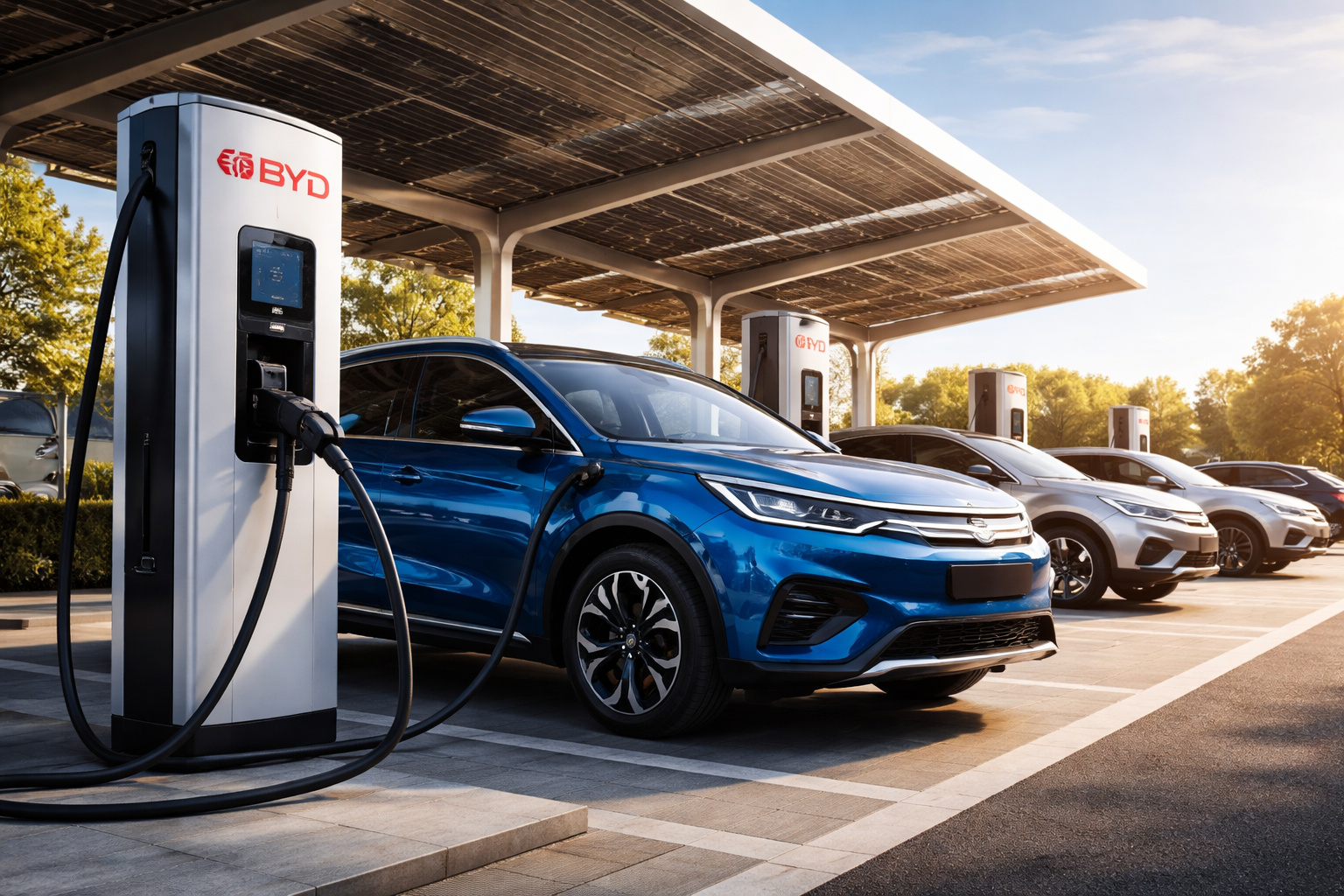
BYD, one of the largest Chinese electric car manufacturers, surpassed Tesla in electric vehicle sales in Brazil in 2024.
In the first quarter of 2025, the company had already registered over 21,000 vehicles, according to ABVE.
The company is also responsible for building the largest vehicle factory outside Asia, located in Camaçari, Bahia, with an investment of R$ 5.5 billion.
Another key player in this movement is GWM, a Chinese automaker that is about to start manufacturing cars in Brazil.
GWM chose the facilities of the former Mercedes-Benz factory in Iracemápolis (SP), and is committed to investing R$ 10 billion by 2032 in the country.
This move demonstrates the growing bet of Chinese manufacturers on local production, consolidating Brazil as a hub for manufacturing electric and hybrid vehicles.
Obstacles to Local Production and the Battery Challenge
However, local production still faces significant challenges.
Marli Olmos, a journalist specialized in the automotive industry, explained that one of the biggest obstacles is the lack of infrastructure for manufacturing batteries in Brazil.
Currently, local automakers depend on assembling vehicles with imported components, especially from China.
According to Olmos, it is necessary to develop large-scale production to reduce costs and make electric cars more accessible to Brazilian consumers.
Without this, Brazil will not be able to achieve the necessary sales volume to reach a leading position in the global market, despite being the sixth-largest vehicle market and the eighth-largest car producer in the world.
International Connection and Sustainability
Fang Li, executive director of China at the World Resources Institute (WRI), highlighted at the panel that electric cars not only represent a solution for the automotive market, but can also be part of a strategy for economic integration between countries.
She cited examples such as the use of electric buses in cities like Bogotá and Santiago, where more than 20,000 electric buses are in operation, contributing to carbon emissions reduction and boosting local energy infrastructure.
Tariff Barriers and the Future of Mobility
In Brazil, the future of the automotive industry is closely linked to pricing issues.
Despite the economic viability of electric cars, as pointed out by Rodrigo Zeidan, the country is still trapped in a development model that prioritizes import substitution, which may hinder the rapid growth of the sector.
“Brazil should review its economic model,” suggested Zeidan, seeking to attract investments for technology transfer and not creating tariff barriers.
He warned that the country might miss a great opportunity for technological advances, allowing the future to unfold without proper utilization.
The Resistance of the Traditional Industry
Finally, the Brazilian automotive industry, which is already feeling the impact of competition from Chinese automakers, continues to demand an increase in the import tariff to 35%, a measure that critics say would help protect the national industry.
However, as noted by Marli Olmos, the great challenge for Brazil will be convincing consumers to adopt electric cars, which will only be possible if prices fall and local production becomes more efficient.
Opportunity or Threat?
The current landscape of the electric car market in Brazil and worldwide indicates that, with the support of Chinese technologies, the transition to electrification of the fleet is closer than ever, although challenges still remain.
Now, the question is: Is Brazil prepared to not only adopt but also produce the electric vehicles of the future?








Seja o primeiro a reagir!