





 Portuguese
  English
  Spanish
  5 min of reading
  5 comments


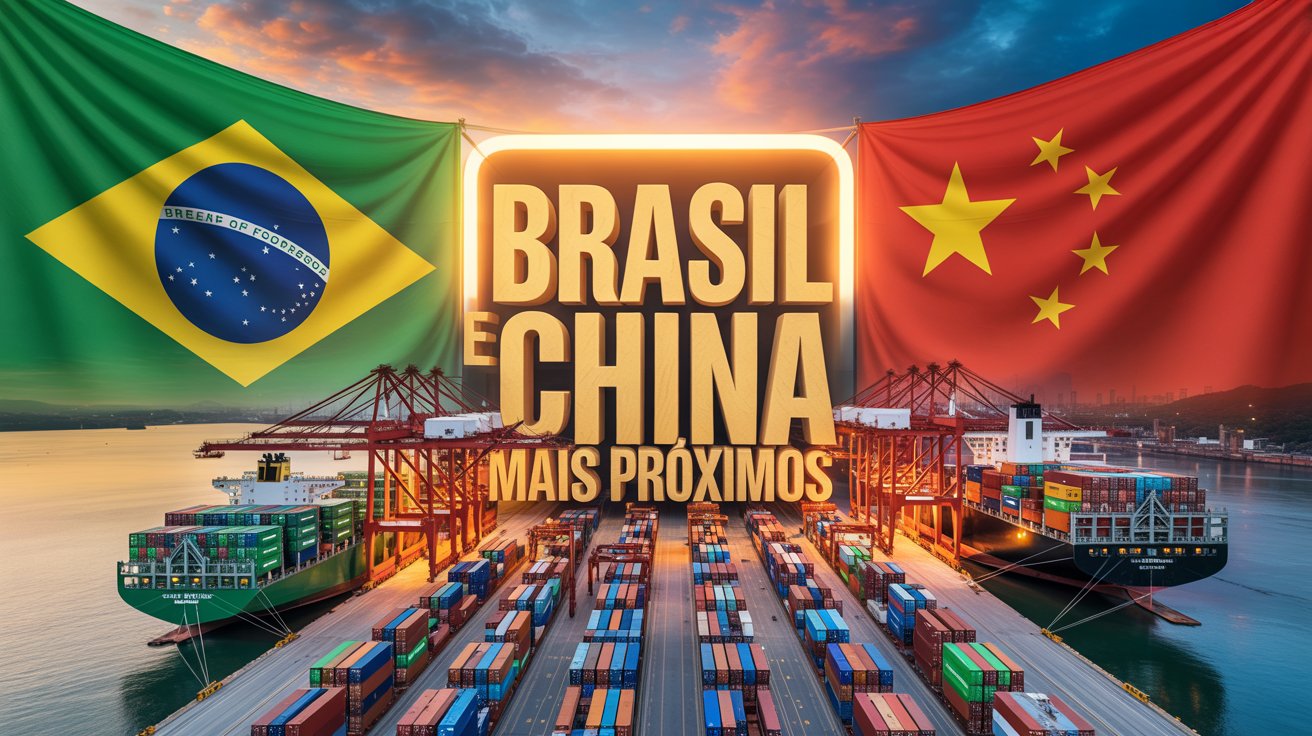


New Maritime Route Connects Amapá to Southern China, Reduces Logistics Costs, Shortens Transport Time, and Expands Export Opportunities for Agribusiness and Bioeconomy Producers from the Amazon and the Midwest.
Brazil and China inaugurated, on Saturday (30), as previously reported by the CPG portal, a direct route between the port of Santana (AP) and Zhuhai, in southern China.
The connection, according to the federal government, reduces logistics costs and travel time for Brazilian cargo, with an immediate impact on agribusiness and bioeconomy exports from the Amazon and the Midwest.
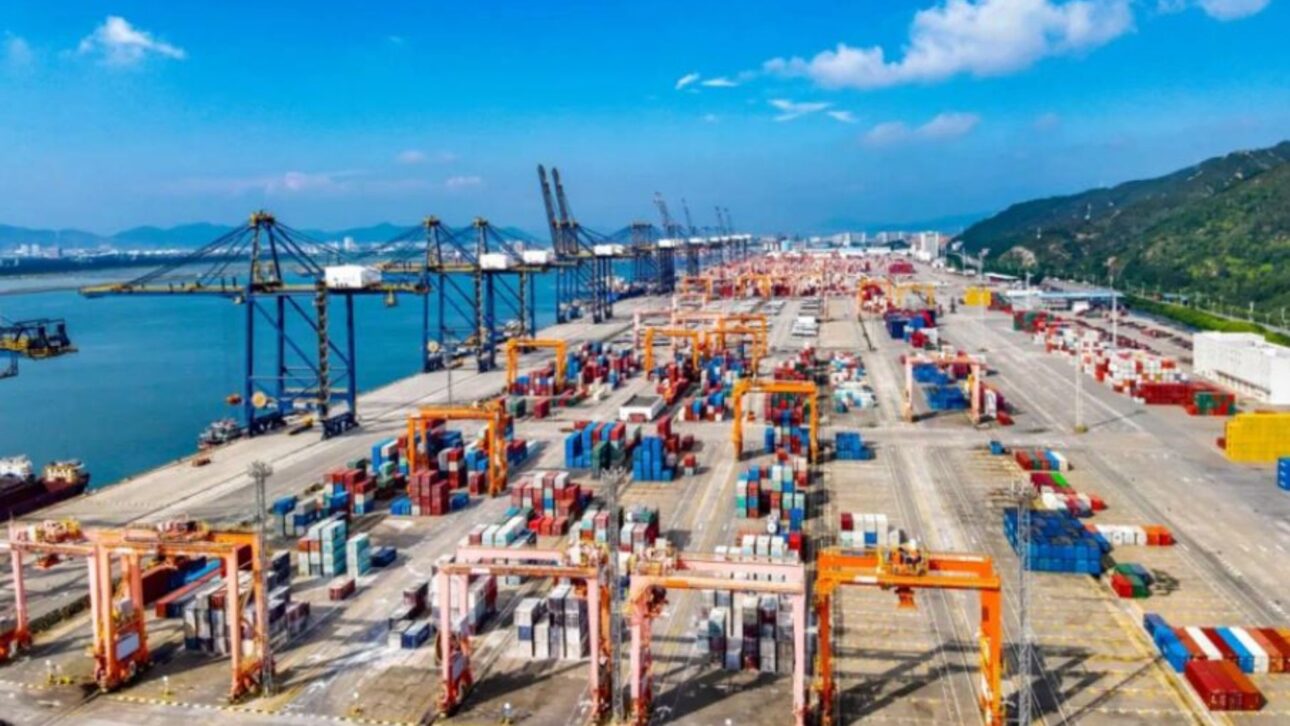
The connection integrates the Porto Santana das Docas with the Greater Bay Area (Guangdong–Hong Kong–Macau), where the Gaolan terminal, in Zhuhai, one of the main terminals in the area, is located.
-
“No one will make us change the Pix,” says Lula after the US report.

-
Lula responds directly to Trump and says that Pix is from Brazil and will not change under pressure from anyone, after a report from the United States pointed out the Brazilian payment system as an American trade barrier.

-
Amazon has just announced a new fee on all deliveries, and your online purchases will become more expensive starting April 17, including for those buying from the United States here in Brazil.

-
He sold his share for R$ 4 thousand, saw the company become a giant worth R$ 19 trillion, and missed the opportunity of a lifetime.


The official expectation is that the new corridor will help diversify outlets through the Northern Arc and bring Amazonian producers closer to a market of 1.4 billion consumers.
“This inauguration is the result of Brazilian government efforts in the cooperation agenda with China. This route promotes mutual benefits for the countries,” said the Minister of Integration and Regional Development, Waldez Góes, highlighting that the initiative facilitates the entry of Chinese products into Amapá and, at the same time, increases the consumption in China of Brazilian agribusiness and bioeconomy items.
What Changes in Export Logistics
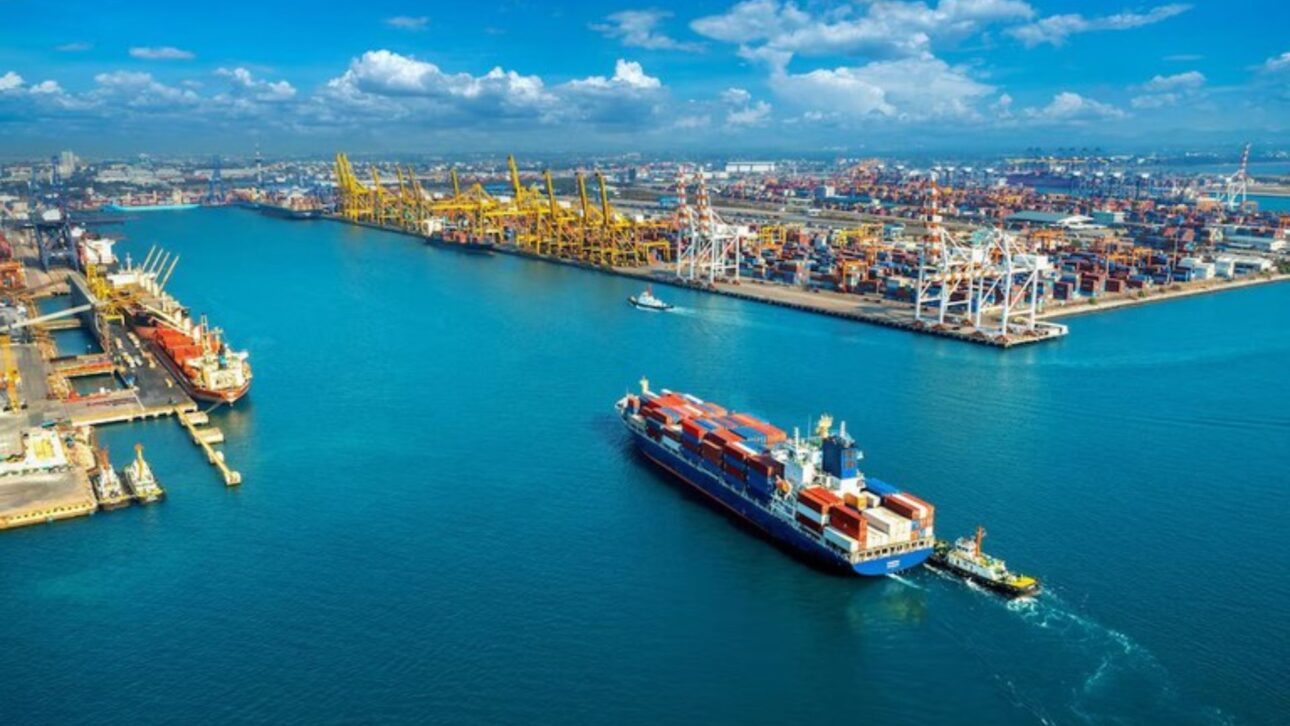
In practice, the new route creates a logistical shortcut for cargo that previously used to leave through ports in the Southeast, such as Santos.
With shipping from Santana, producers in the North and Midwest gain a closer outlet integrated with waterways and highways of the Northern Arc.
The connection with a large port in southern China also shortens maritime routes to industrial hubs and Chinese distribution centers.
The operation in Gaolan (Zhuhai) places Brazilian shipments into the Greater Bay port network, a hub that concentrates services, storage, and connections with other cities in Guangdong, Hong Kong, and Macau.
This connectivity tends to reduce transshipments, optimize schedules, and decrease the total time between the origin of the cargo and the final destination.
Cost Savings in Freight and Time
According to calculations presented by the government, there is a decrease in cost per ton when the cargo leaves through the Northern Arc.
Compared to Santos, the freight of soy to Europe would be US$ 14 per ton cheaper. For China, the savings would be US$ 7.8 per ton.
In addition to price, the shortening of routes and reduction of logistical steps tend to speed up international transit, creating gains in delivery times.
According to Waldez Góes, the route “will add a lot to the work, profit, and reward of the producer,” by improving the organization of national logistics.
The argument is that, with more exit options, producers and trading companies can negotiate better freight rates, distribute flows, and avoid bottlenecks during harvest periods.
Who Benefits from the New Route
The design favors, above all, chains of Amazonian agribusiness and the Midwest, which now have a competitive alternative to reach the Chinese market.
The list of potential beneficiaries includes grains such as soy, in addition to bioeconomy products — including açaí, cocoa, nuts, coffee, and fish — which gain scale when they can be shipped at lower costs and predictable timelines.
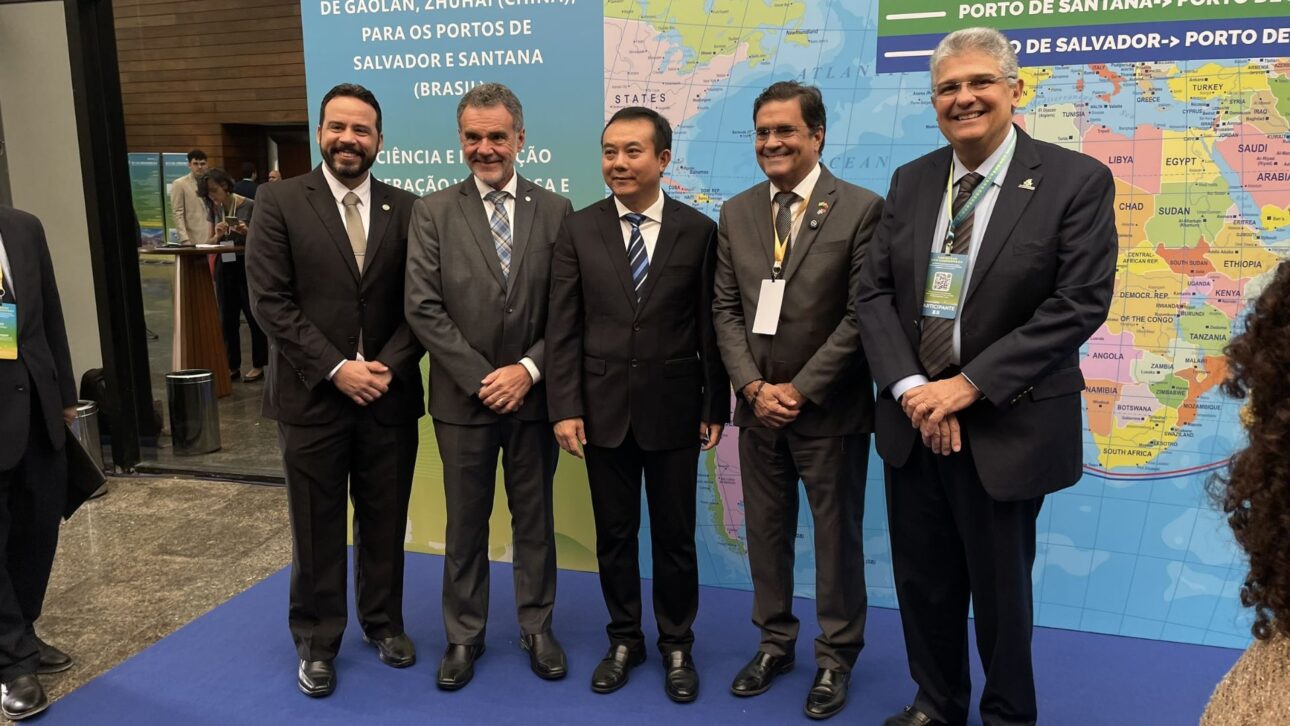
According to the minister, both governments identified this connection as a channel for the flow of bioproducts with added value and traceability, attributes that are increasingly demanded by buyers in Asia.
The consolidation of Amazonian cargo in Santana may also stimulate investments in storage, processing, and logistics services around the port.
Bioeconomy and Industrialization in the Amazon
Waldez Góes argues that the most consistent impact will come from local processing. “It will take time, but the best strategy for the Amazon is to industrialize. It’s about adding value, benefiting the products from the region to add value, generate jobs and income,” he stated, citing açaí, cocoa, coffee, nuts, timber, and fish, as well as opportunities in pharmaceuticals.
In the minister’s view, the region currently mainly provides raw materials but has space to advance in the industrial stage.
By bringing producers closer to buyers and reducing logistics costs, the route creates a more favorable environment for processing plants, whether to transform açaí pulp into concentrates ready for export or to operate cocoa milling and coffee roasting.
This leap, the government believes, tends to retain income and jobs in the Amazon, increasing regional competitiveness.
China: Demand and Opportunities for Northern Agribusiness
With a market of 1.4 billion people, China is one of the main destinations for Brazilian exports.
According to Góes, there is room to increase the consumption of items already present in the Asian country.
“To give you an idea, coffee, which already comes in strong to China, has a per capita consumption of one coffee per month. Imagine if we double that,” he stated.
This reasoning applies to soy and products with biodiversity appeal, such as honey, açaí, chocolate, and cocoa.
The direct route to Zhuhai can facilitate the entry of these products into Chinese retail and food service channels, shortening negotiations and ensuring regular supply.
The leaner logistics tend to favor medium-term contracts and niches that require freshness and quality, such as ready-to-drink beverages, superfoods, and premium ingredients.
Bilateral Integration and Next Steps
The Brazil-China cooperation, in the government’s view, has been intensifying and supports the decision to open the new maritime corridor.
In addition to reducing costs for Brazilian exporters, the return flow could lower and speed up the arrival of Chinese inputs and equipment in Amapá, driving local industrial chains.
“From now on, it depends on our capacity. The capacity of the Amazon Region to articulate products of interest to China,” summarized the minister, indicating that the logistical gain needs to be accompanied by commercial coordination and productive organization.
It will be up to companies, cooperatives, and state governments to consolidate portfolios, standardize quality, and ensure scale to turn the route into a permanent competitive advantage.
Meanwhile, producers and trading companies are observing how the new corridor performs throughout the year, especially during harvest peaks, when the opportunity cost of delays is higher.
The performance in regularity of ships, docking time, storage capacity, and customs agility will be crucial to consolidate market confidence and increase the volume of contracts linked to Santana.
The new connection opens a window to diversify exit points, reduce the dependence on Southeast ports, and bring Amazonian agribusiness and the Midwest closer to the world’s main food buyer.







Essa nova rota pode conter interesses escusos, porém sempre vão falar nos benefícios afinal o que está escuso é pra permanecer não pra expor.
Kkkk. As mercadorias vão demorar mais tempo pra saindo do sudeste, chegarem no Amapá, do q irem pra China.
Matéria sem pé nem cabeça.
Mas quem disse que só se produz no sul e sudeste. Muitas empresas sairam dos polos sulistas atrás de benefícios fiscais meu amigo, obviamente não faz sentido nenhum transportar carga de caminhão pra lá pra depois embarcar em um navio, cujo frete é muito mais barato
.MEU QUERIDO,,ESSE CORREDOR É PRÁ BENEFÍCIOS DO CENTRO – NORTE,,POR ACASO VC LEU SUDESTE?? LÊ PRIMEIRO E ENTENDA,,ANTES DE CRITICAR!!
Ele acha que só existe sudeste no Brasil kkk