





 Portuguese
  English
  Spanish
  3 min of reading
  0 comments


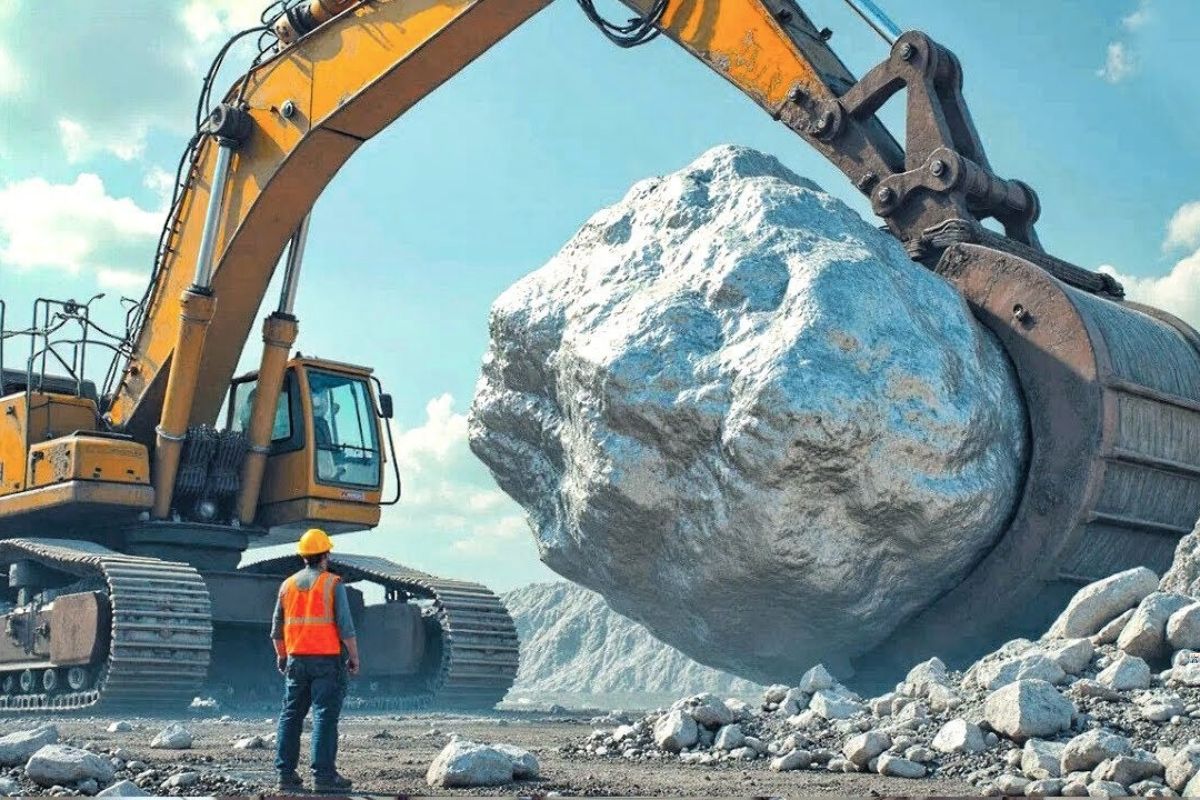
From Silver Formed in Hydrothermal Veins to Silver that Comes Out of the Furnace as Ingots, This Technical Step-by-Step Covers Geology, Controlled Blasting, Crushing, Flotation, Precipitation, and Smelting Until It Reaches the Metal That Powers Electronics, Mirrors, and Jewelry
Silver is born in the crust from magmatic and hydrothermal fluids that, upon cooling, crystallize silver-bearing minerals in veins. Millions of years later, mining engineering transforms these veins into mineable fronts: drills trace grids, explosives release the mass, and a fleet of equipment brings the ore to the surface for metallurgical concentration.
From the underground to the crucible, each step is measurable: crushing and grinding reduce the rock to pulp, flotation separates valuable sulfides, precipitation recovers the metal in a rich paste, and smelting pours ingots. In markets where an ingot can be worth thousands, silver only crosses the plant gate after a chemical analysis of content and purity.
Where Silver Comes From
Mineralized bodies are organized in veins and fractures formed by hot solutions that ascended through fractures and intrusions.
-
The village where two rivers run side by side without mixing in Santarém and Alter do Chão reveals some of the most beautiful freshwater beaches on the planet.

-
Brazil’s nuclear submarine with a speed 5 times greater than normal advances after nearly 50 years and R$ 40 billion spent.

-
A Brazilian island charges R$ 0.50 to receive visitors and prohibits any new residents.

-
Why was the Great Wall of China built? The truth that many are unaware of!


Typical mineralization occurs associated with sulfides and halides, which explains why silver rarely appears shiny in rock, but in dark gray tones.
In historical metallogenic provinces, tectonics exposed and reconcentrated these veins.
Mexico, Andes, and plateaus have become synonymous with large deposits, and mining evolved from manual extraction to industrial cycles designed by geologists, geotechnicians, and mining engineers.
Blasting, Mining, and Safety Underground
Underground mining begins with laser surveying and drilling grids designed to release the mass without destabilizing the ceiling.
The holes receive controlled charges and timed detonators to create directed fractures and minimize vibration and block falls.
After the “blast,” shovels and LHDs load the ore onto passes and underground trains.
Ventilation dilutes gases and heat; temperature and dust control maintains visibility and respiratory integrity.
Nothing progresses without monitoring of masses, recognition of choke points, and an inspection scale.
From Rock to Concentrate: Crushing, Grinding, and Flotation
On the surface, the primary circuit crushes the ore in stages until manageable diameters.
Next, ball mills and classifiers bring the particle size to the optimal range for releasing the silver mineral from the gangue.
With the pulp ready, flotation applies collectors and frothers: bubbles adhere to the hydrophobized grains and lift the concentrate to the surface.
The tailings sink; the concentrate goes for thickening and filtering, increasing the metal content before the hydrometallurgical stage.
From Concentrate to Precipitate: Hydrometallurgical Stage
Concentration is followed by leaching that solubilizes silver and separates it from remaining solids.
The enriched solution undergoes refinement and then the recovery of the metal in the form of a precipitate (rich paste), suitable for drying and smelting.
This is where the control laboratories come in: samples from each batch measure silver content, impurities, and moisture.
Without reliable metallurgical accounting, there is no production accounting, nor basis for pricing.
Smelting and Ingot: Silver Metallurgy
The dry precipitate goes to furnaces where heating separates silver from the flux.
The liquid metal is poured into molds; in minutes, the ingot solidifies with a run number, mass, and quality stamp.
For industrial applications and jewelry, specialized refineries carry out final purification steps, increasing the purity to the required standard.
Each ingot undergoes chemical analysis before entering the sales and logistics chain.
Quality, Industrial Value, and Destination
Silver is the most conductive metal and one of the most reflective, which is why it ranges from solder lines in electronic boards to glass coatings and optical uses.
The value chain depends on traceability, operational safety, and process discipline from the mine front to final logistics.
In global markets, quality and predictability of content define price, contract, and destination.
The technical cycle closes when production, laboratory, and sales converge: without process stability, there is no cash stability.
From geology to crucibles, silver only becomes ingot when each phase delivers on its promise.
In your technical understanding, which step most “blocks” cost and quality today: the design of the grid and explosives, flotation control, or final refining for industrial purity?








-

-

2 pessoas reagiram a isso.