





 Portuguese
  English
  Spanish
 5 min of reading
  0 comments


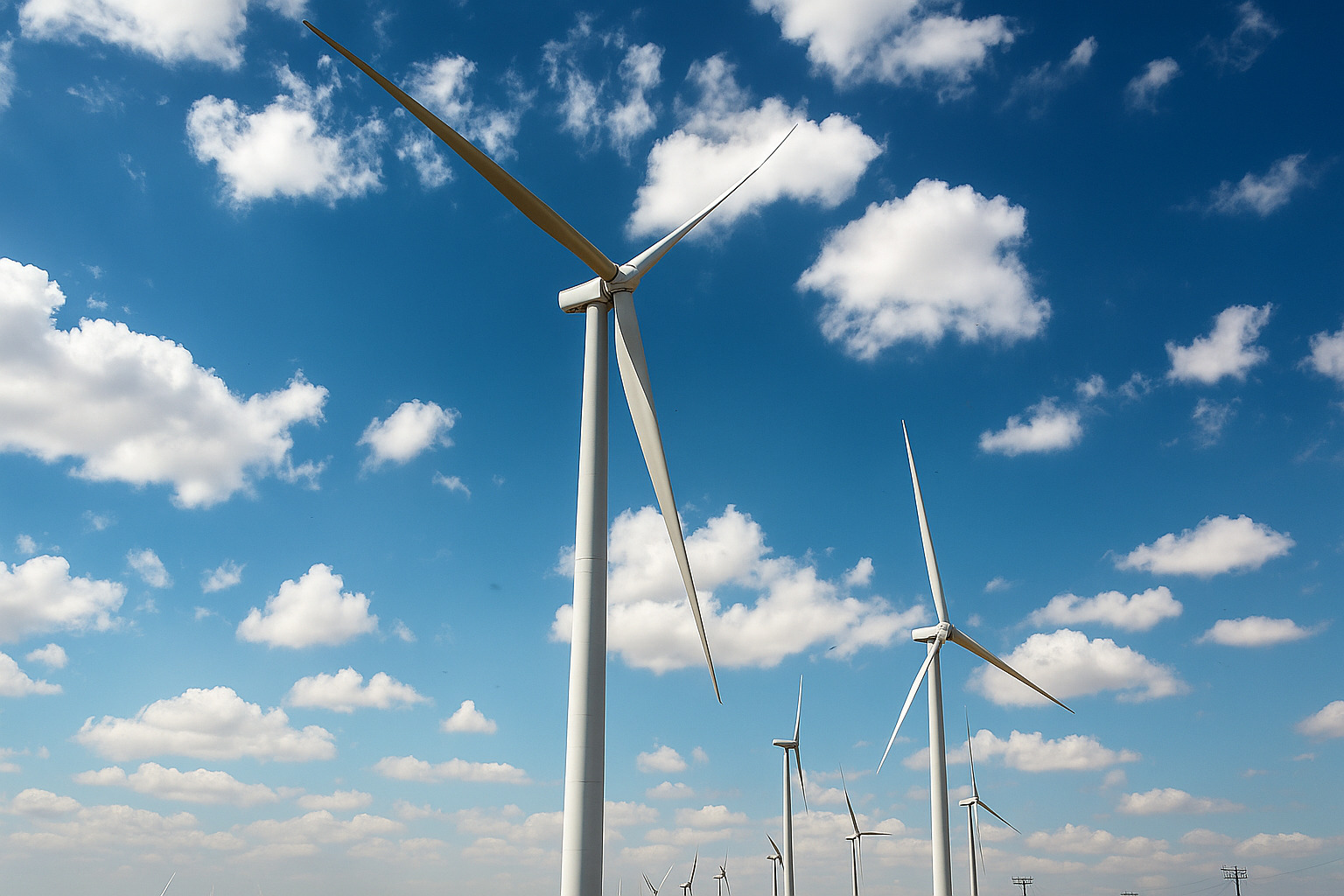
Discover How Wind Energy Investment Promotes Clean Electricity, Reduces Pollution, and Encourages Environmental Preservation Sustainably.
The winds energy investment presents itself as one of the most promising strategies to tackle the environmental and energy challenges of the 21st century.
Since the Industrial Revolution, the world has heavily relied on fossil fuels such as coal, oil, and natural gas to generate electricity and power industry.
Consequently, this energy production model brought economic growth, but also caused significant environmental impacts, including increased greenhouse gas emissions, air pollution, and climate change.
-
Giant of the winds in Rio Grande do Norte: Serra do Tigre Wind Complex receives new investments and accelerates the expansion of clean energy generation to supply millions of Brazilian homes.
-
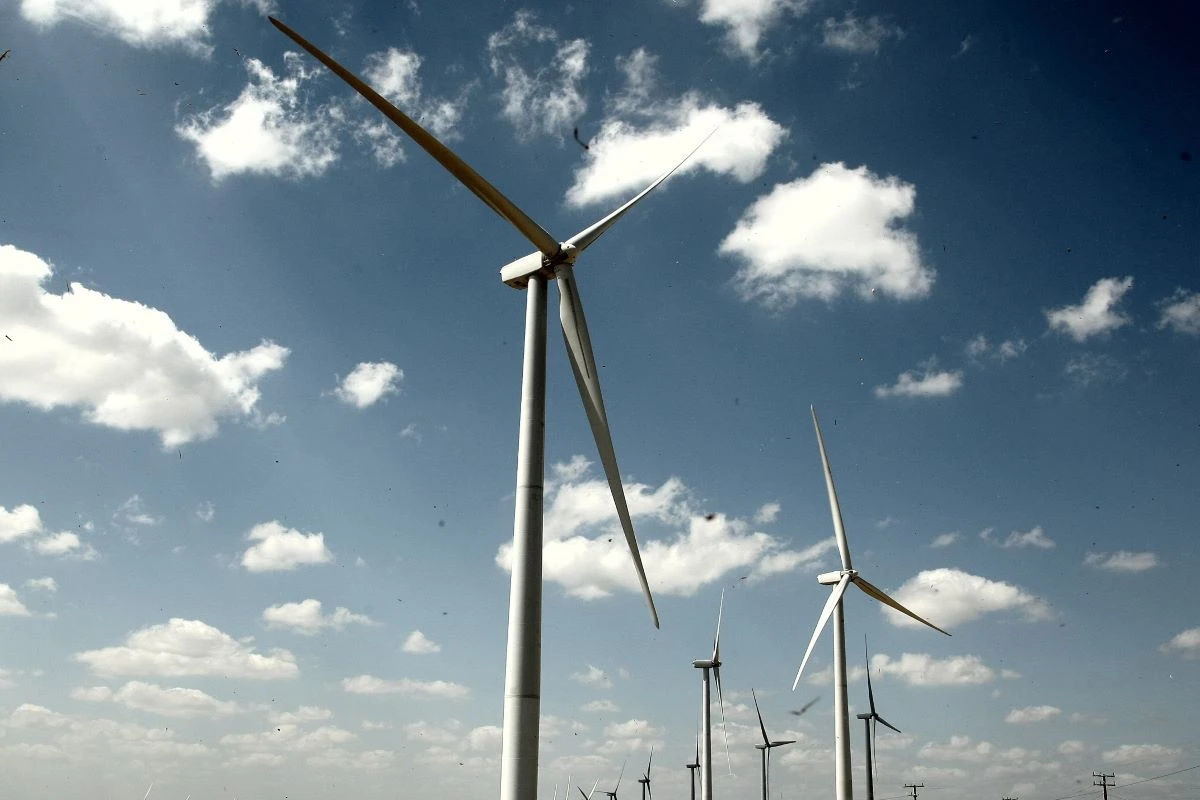
Urgent energy transition: Greenpeace advocates for massive investments and points to Brazil as a global leader in wind energy production in the coming years.
-
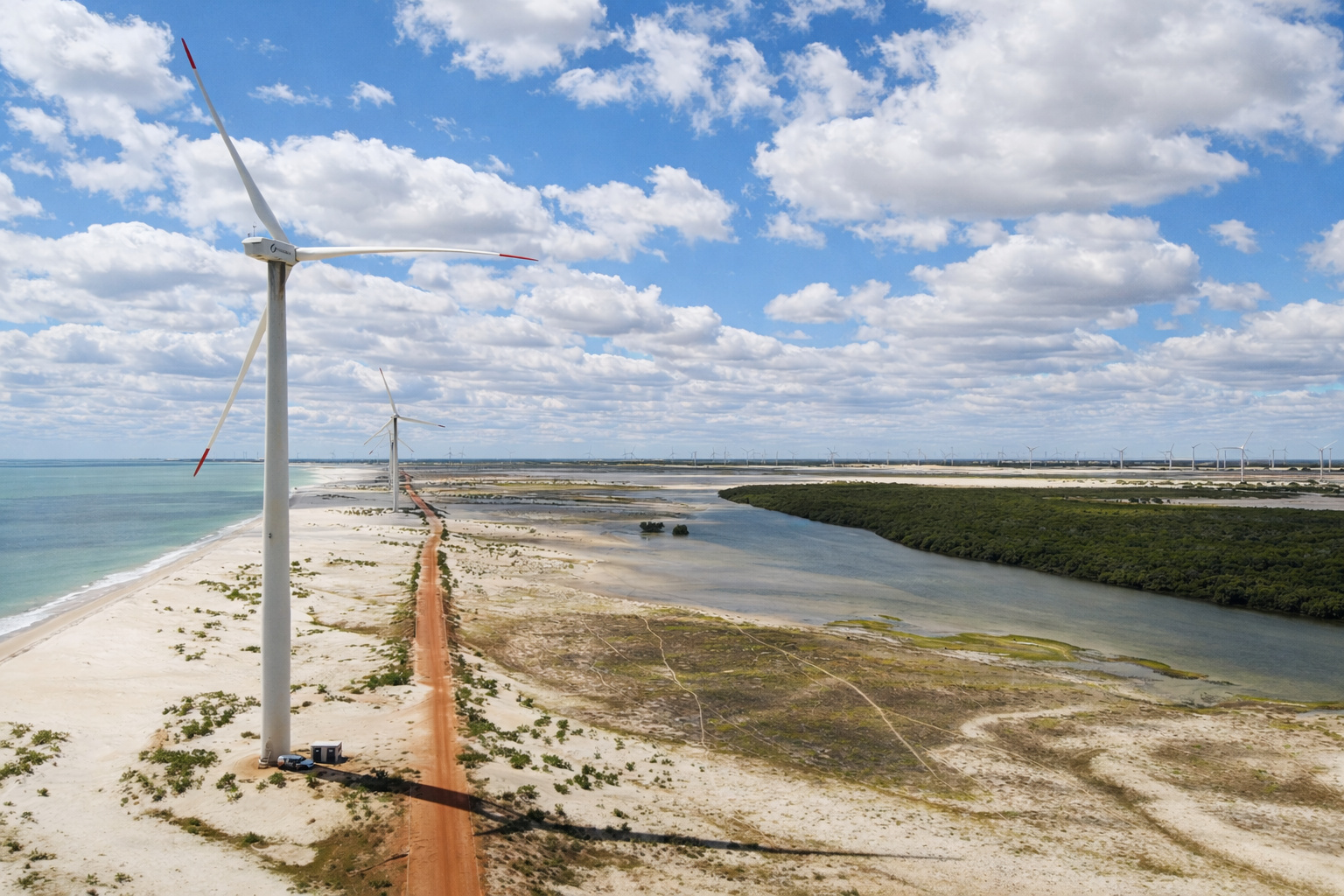
Conflict in the Sertão: Rural communities in Rio Grande do Norte report issues with wind farms and the new challenges of clean energy in the semi-arid region.
-
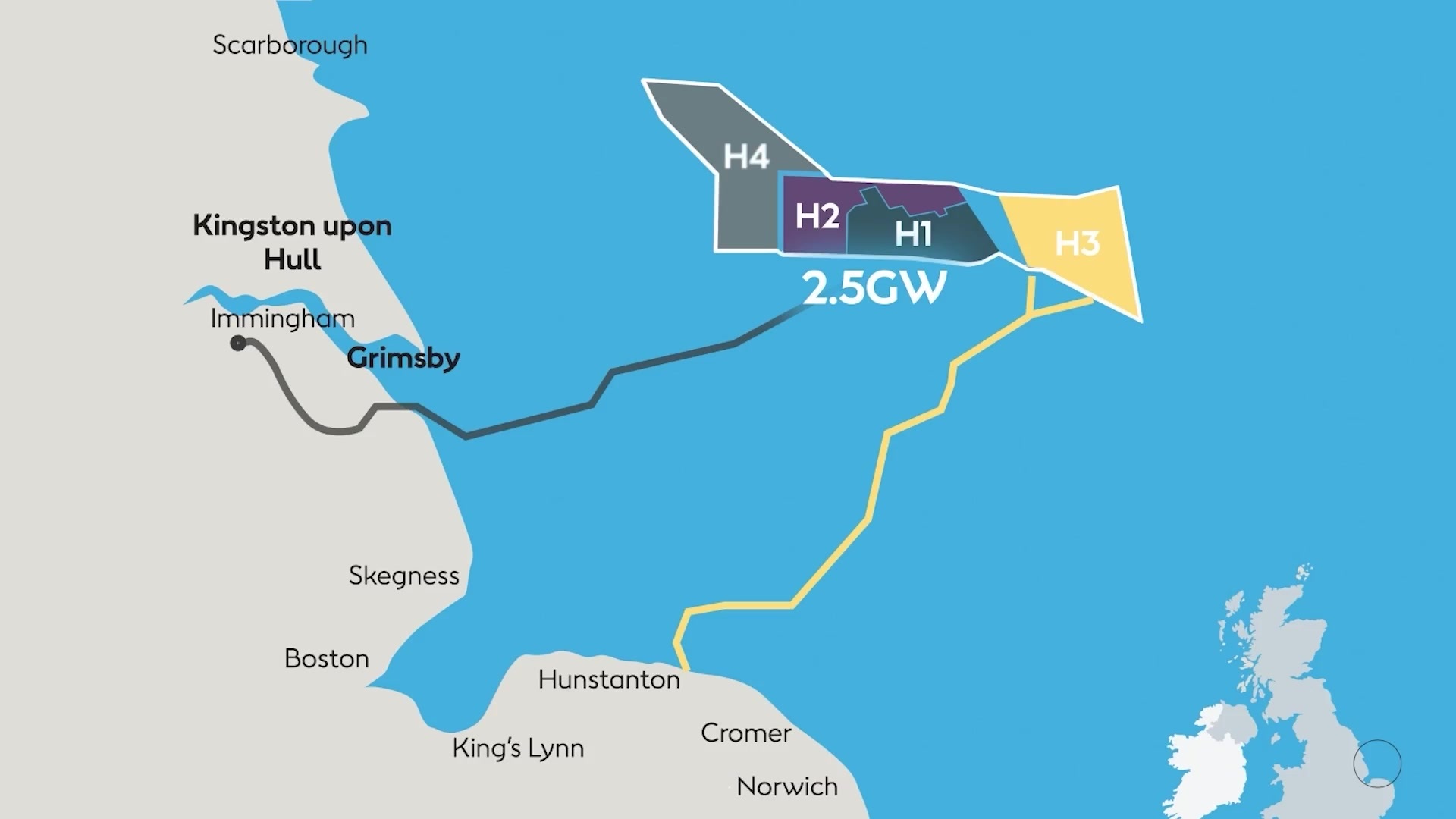
231 turbines of 260 meters at 160 km from the coast, monopiles weighing as much as nine blue whales embedded in the North Sea, and a crane ship taller than the Eiffel Tower: Hornsea 3 will be the largest offshore wind farm on the planet by 2027, and its first components have already arrived in England.

Therefore, the pursuit of renewable energy sources has become a global necessity to reduce these impacts and ensure sustainability.
In this context, wind energy emerges as a clean, safe, and efficient alternative.
By harnessing the force of the winds to move turbines connected to electric generators, it is possible to produce electricity without emitting carbon dioxide or other atmospheric pollutants.
Thus, it contributes directly to environmental preservation and the reduction of harmful health effects.
In Brazil, winds energy investment gained momentum in the 2000s, driven by public policies that diversified the electricity matrix and encouraged renewable sources.
Moreover, the Northeast region, with its constant and intense winds, became the main development hub of the sector.
Starting in 2010, the country consolidated large-scale projects, integrating wind farms into the national electricity grid.
Thus, the growth of winds energy depends not only on technology but also on strategic planning, adequate regulation, and economic incentives.
Furthermore, winds energy investment reflects a global movement towards environmental responsibility.
For instance, countries that adopted wind energy early reduced electricity production costs, increased energy efficiency, and created job opportunities in less developed regions.
This demonstrates that wind energy is not just a clean source but also a driver of regional development.
Environmental and Social Benefits of Wind Energy
In addition to reducing greenhouse gas emissions, winds energy investment generates economic and social benefits.
The electricity produced by wind decreases the need to activate coal, gas, or oil-fired thermal power plants, which consume large volumes of water and release pollutants harmful to human health and the environment.
In this way, winds energy contributes to a cleaner and more resilient electricity system, reducing risks of environmental contamination and promoting a sustainable energy model.
On the other hand, experts assert that the impact of winds energy goes beyond emission reductions.
Paulo Lube, professor and coordinator of the electrical engineering course at the University of Iguaçu (UNIG), emphasizes that in 2023, global generation of winds energy avoided the emission of about 1.3 billion tons of CO2, equivalent to the annual emissions of a country the size of Germany.
In Brazil, the sector’s growth reduces pollution without compromising energy security, leveraging the natural potential of constant and intense winds, especially in the Northeast.
Additionally, winds energy investment strengthens environmental governance.
Ana Luci Grizzi, a climate governance specialist at the Brazilian Institute of Corporate Governance (IBGC), explains that the presence of this energy source places Brazil among the countries with the lowest per capita emissions of greenhouse gases in the G20.
Consequently, this leadership in renewables attracts investments, strengthens technological partnerships, and enhances the country’s protagonism in global discussions on decarbonization.
Therefore, universities and technological institutes develop studies on aerodynamics, turbine optimization, and the integration of wind energy into the electricity grid, fostering technological innovation and preparing professionals to work in an expanding market.
Challenges and Barriers of the Wind Sector in Brazil
Historically, winds energy has faced technical, social, and economic barriers in Brazil.
The installation of towers near rural communities has generated challenges related to health, compensation for small producers, and social acceptance.
From a technical standpoint, much of the electricity generated is concentrated in the Northeast, while the largest consumption centers are in the South and Southeast, requiring significant investments in transmission lines and distribution logistics.
However, the sector has shown that these difficulties can be overcome with planning, effective public policies, and incentives for technological development.
Moreover, winds energy investment also motivates the environmental preservation broadly.
By reducing pollution and dependence on fossil fuels, it contributes to the conservation of ecosystems, the protection of rivers and watersheds, and the reduction of the impacts of climate change on agriculture and biodiversity.
Thus, the strategic role of winds energy as a tool for sustainable development is reinforced.
The wind sector in Brazil creates opportunities for social inclusion and regional development.
For example, well-planned projects generate direct and indirect jobs in engineering, construction, and maintenance of wind farms, benefiting local communities and stimulating economic growth in regions that previously had few opportunities.
Additionally, international experience shows that countries that invested in winds energy managed to combine economic growth with environmental protection.
In Denmark, winds energy represents a significant share of the electricity matrix, making the country a reference in technology and equipment export for wind farms.
In China and the United States, significant investments in winds energy spurred job creation, stimulated technological research, and helped reduce pollutant emissions in densely industrialized regions.
Thus, Brazil, with its natural potential and favorable winds, has a similar opportunity to lead the sustainable energy transition.
Strategic Role of Wind Energy in the Sustainable Economy
winds energy investment plays an essential role in the low-carbon economy.
The sector contributes to the decarbonization of the electricity matrix, promotes new energy vectors, encourages reindustrialization based on clean technologies, and enables the provision of electricity at more affordable prices.
Thus, the combination of environmental, social, and economic benefits makes winds energy a strategic and long-lasting solution for Brazil and the world.
Despite the advances, it is necessary to amplify efforts.
winds energy does not solve all environmental or energy problems by itself.
Therefore, it is essential to integrate it with other renewable sources, such as solar and biomass, in addition to investing in energy efficiency and smart infrastructure.
In this way, the coordination between government, private sector, universities, and civil society ensures that winds energy investment continues to grow sustainably and protect the environment.
In summary, winds energy investment represents a historical and strategic opportunity for Brazil.
It reduces polluting gas emissions, strengthens the electricity matrix, encourages environmental preservation, and positions the country as a protagonist in the global energy transition.
Thus, over the past decades, technological advances, public incentives, and environmental awareness have shown that it is possible to unite economic growth and planet protection.
With consistent policies and a long-term vision, winds energy investment will continue to be an essential tool to ensure a sustainable future for all.








Seja o primeiro a reagir!