





 Portuguese
  English
  Spanish
 4 min of reading


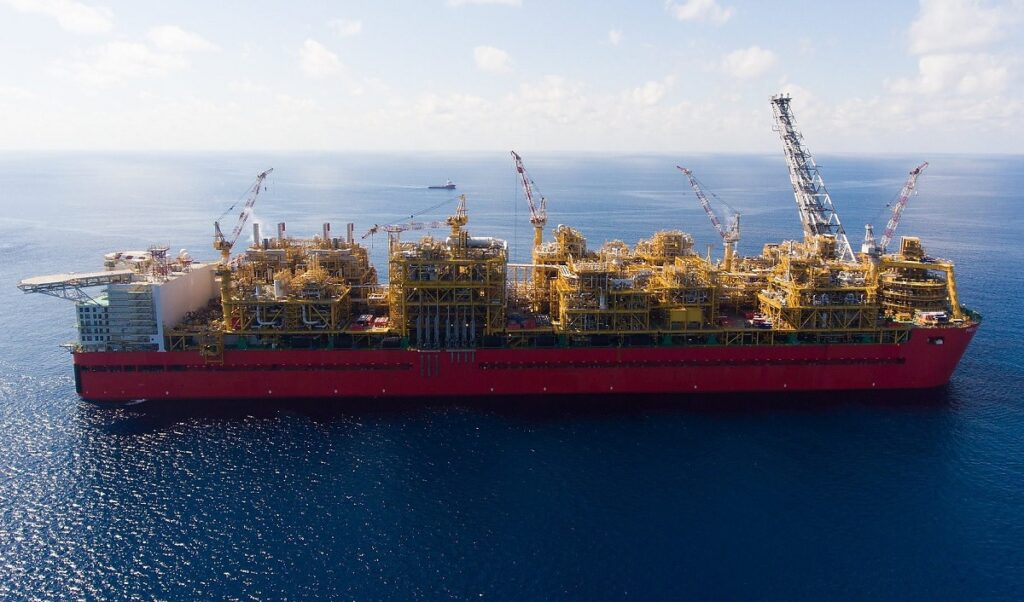
The Idea Is to Use Digital Transformation to Mitigate Risks and Improve the Performance of Offshore Platforms
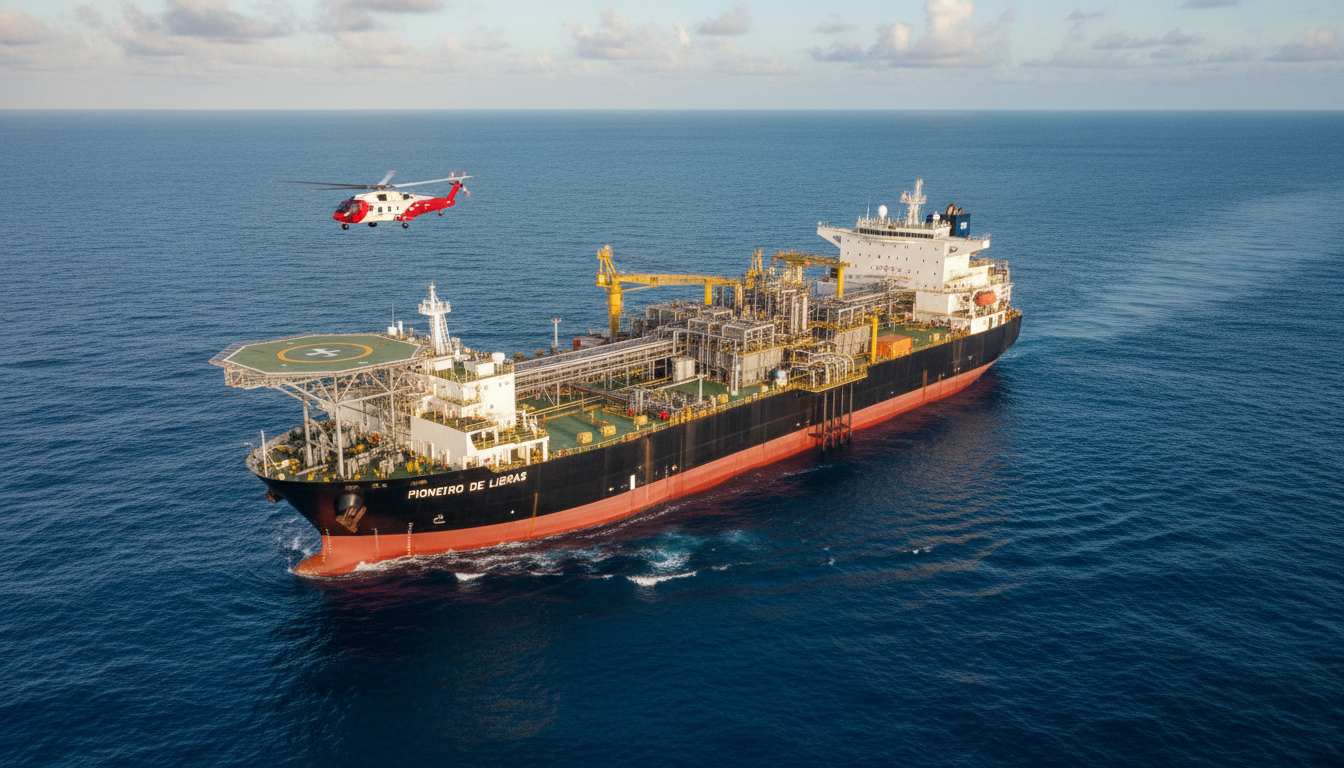
Floating Production, Storage and Offloading (FPSO) units are among the largest investments that oil and gas companies must make.
On one hand, these immense ships promise to exponentially increase productivity and storage flexibility over their land-based counterparts. On the other hand, they bring a colossal increase in the cost of equipment, operation, and maintenance.
According to a survey conducted by McKinsey, the heavy industry project sector exceeded its budget and planning by 30% to 45% on average. The percentages for engineering, procurement, and construction (EPC) projects are, on average, even worse across the sector.
-
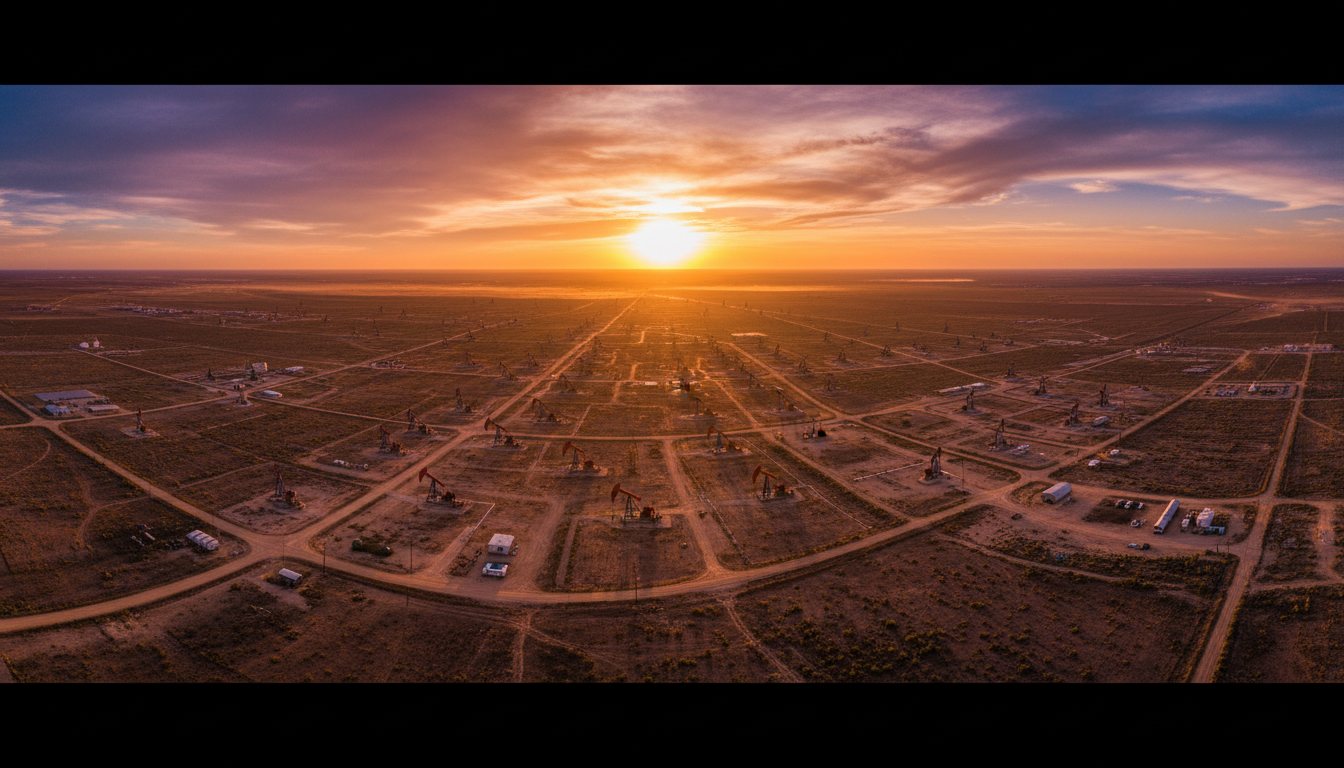
The largest oil field in the United States had entire layers that no one knew existed, and the U.S. government has just confirmed 1.6 billion barrels hidden in rocks that have been invisible for decades.
-
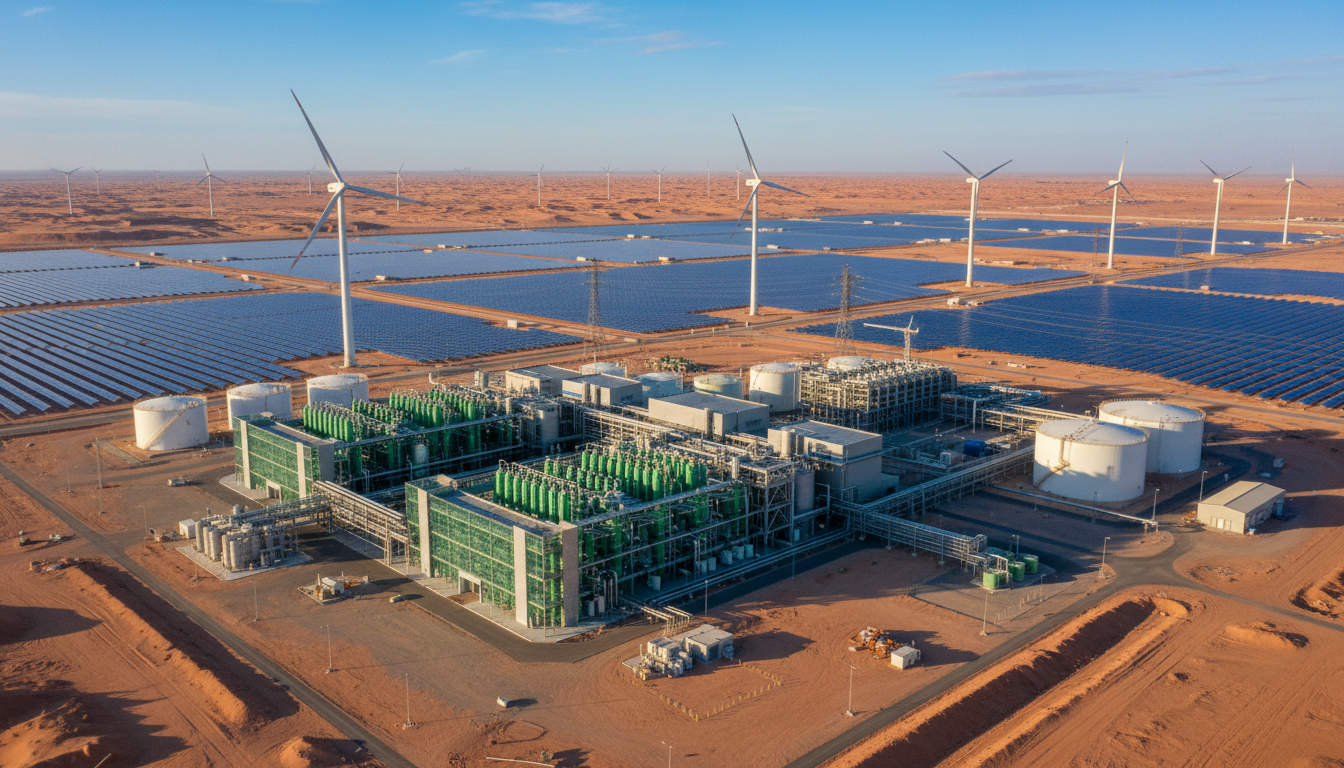
In the Saudi Arabian desert, the world’s largest green hydrogen plant is 80% complete and will use 4 gigawatts of solar and wind energy to produce 600 tons of clean fuel per day when it opens in 2027.
-
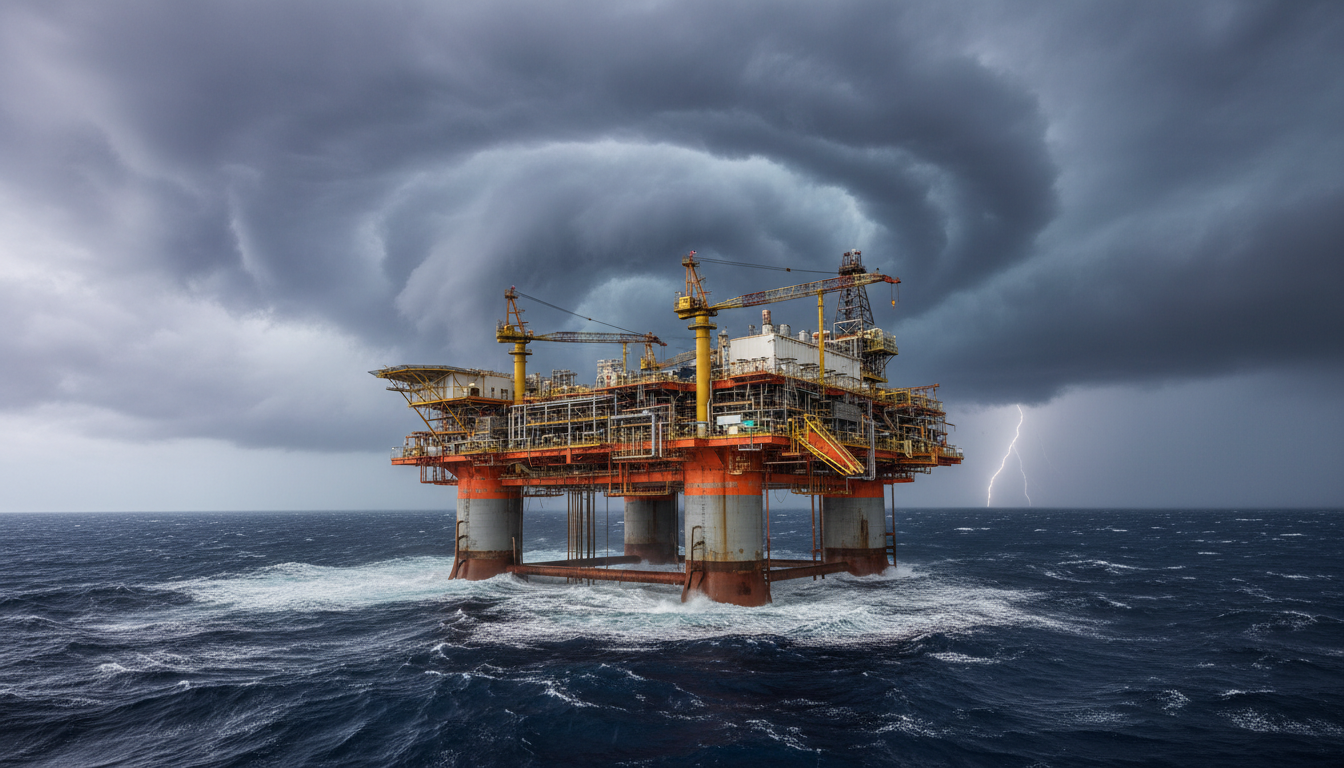
Sixteen years after the largest environmental disaster in oil history, BP has just received approval to open its first new field in the Gulf of Mexico, and the 10 billion barrels are 10 kilometers below sea level.
-
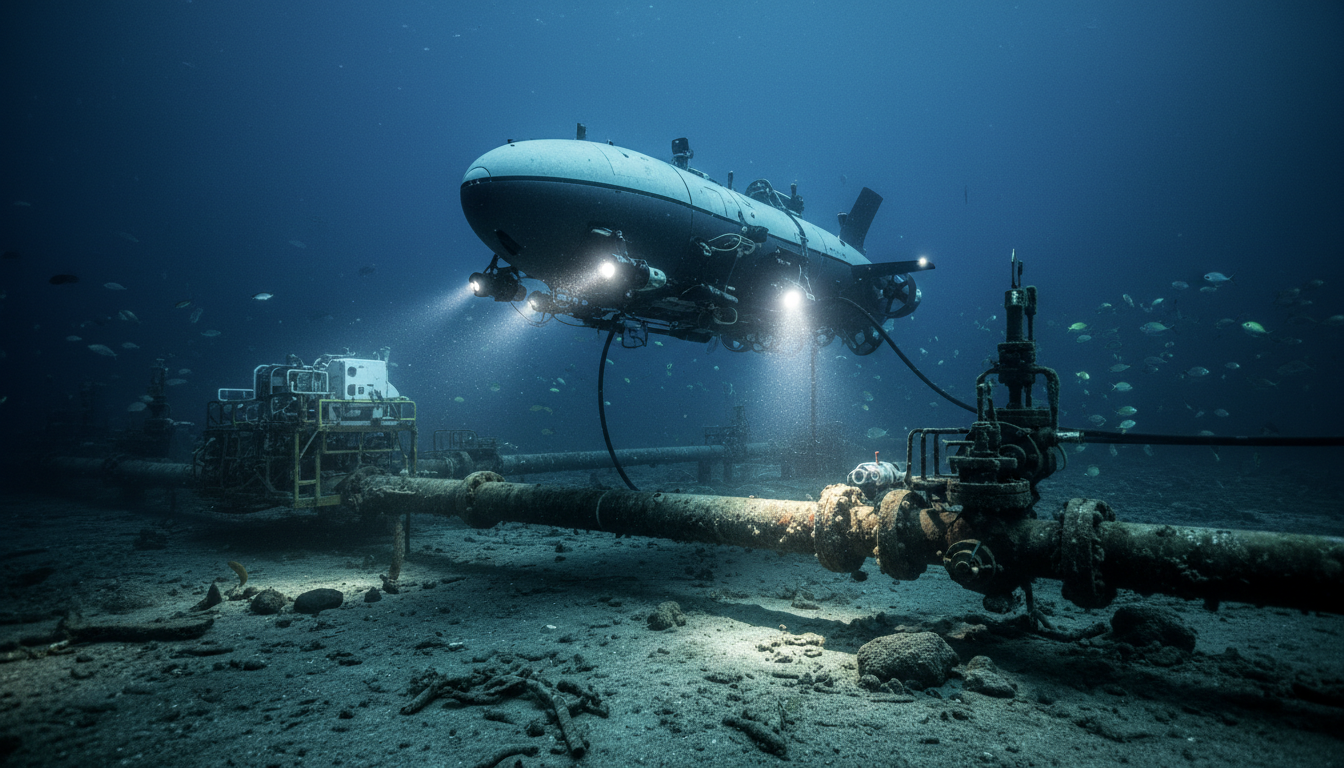
An Italian company has created an underwater drone that lives on the ocean floor for 12 consecutive months without returning to the surface, and the embedded artificial intelligence allows it to inspect and repair oil pipelines on its own.
Production is yet another challenge. Due to under-ideal operations, unplanned downtime, and operational incidents, according to Rystad Energy, a growing part of the industry experiences approximately $500 billion in deferred revenue globally each year.
Nonetheless, despite these industry statistics, the most successful FPSO operators are achieving over 99% uptime and, in some cases, close to 100%.
But how can companies with high levels of productivity use digital technologies to maintain or even optimize their existing operations?
For those embracing the advantages of new Floating Production Units (Floating Production Storage – FPSO) or seeking improvements in existing ones, it’s time to shift gears and redirect the trajectory.
A Floating Unit may be physically disconnected from land, but it should still be able to leverage the latest developed digital technologies and workflows.
In this article, we will provide some ideas for a new end-to-end connectivity strategy to empower producers to proactively mitigate risks and extract greater value from each stage of their fleet’s lifecycle.
The Challenges of Floating Production Units
Before addressing digitalization, let’s take a closer look at the challenges considering the operational effectiveness of the FPSO.
Reliability and management of key production assets remain the critical point—unplanned maintenance of a floating production unit costs about one hundred times more than its land-based equivalent.
Maintenance equipment and specialized labor are always scarce on board, whose need represents high costs and inconvenience relating to transport equipment and personnel for remote locations.
Additionally, the turnover rate of operational personnel is higher than average.
New teams must be trained by certified experienced specialists to be efficient and follow crucial safety measures.
All these issues negatively impact equipment lifespan and increase operational and maintenance costs.
At the same time, health, safety, security, and environment (HSSE) is another major challenge. One of the industry’s main objectives is to reduce and eliminate incidents, especially those related to safety, leaks (of hydrocarbons), and cybersecurity.
For instance, the number of ransomware incidents involving the manufacturing sector increased by 156% between the first quarter of 2019 and 2020. Moreover, recently, a series of factories were targeted by cyberattack threats, including one of the largest pipelines in the United States, the Colonial Pipeline. In May 2021, the operator shut down over 8,000 kilometers of the pipeline, which transports 45% of the East Coast’s fuel supply, to contain a ransomware breach.
Possible Solutions
To address these challenges, Rockwell Automation recommends that oil and gas companies look for industrial suppliers that utilize NIST and ISO/IEC 27032 standards throughout their company for continuous monitoring and management throughout the lifecycle.
Additionally, oil and gas producers also need to consider reducing their workforce in production environments and improving their safety conditions. Finally, companies must commit to implementing full regulations regarding environmental care as part of their social responsibilities to be achieved, including a drastic reduction in carbon emissions.
Enabling Digital Transformation
The challenge posed by implementing these changes has dramatically affected the effectiveness of large offshore projects. Nonetheless, creating a “connected ship” could help develop and apply the entire strategy, allowing producers to mitigate these and other risks and initiate a total cost of ownership reduction through effective initial project execution of First Oil Date and achieve long-term operational efficiency.
Based on a fully digitized approach, such as those developed by Rockwell Automation, the connected ship benefits every stage of the project and operation. Unifying digital strategies and promoting content leverage throughout the organization is key.
This “digital thread” starts in the design phase and continues through the entire lifecycle of the facility’s production.
Through digital transformation, producers can save on total ownership costs through effective execution from the project outset, as well as long-term operation. This is because:
- A streamlined scope reduces capital costs.
- Improvements in project scheduling reduce costs.
- Enhanced operations via availability, reliability, and maintenance increase production and total equipment effectiveness.
The result? Through the use of the methodology and technology of connected ships, it is possible to achieve potential savings of up to $150 million per floating production project. This does not account for long-term benefits.
So, why not take steps to control what is possible?
By investing in the construction and operation of a connected ship, it is possible to effectively reduce risks, drive efficiency, optimize performance, and realize the true potential of your assets.
By Greg Trostel and Roger Burnison








Seja o primeiro a reagir!