





 Portuguese
  English
  Spanish
  4 min of reading
  0 comments


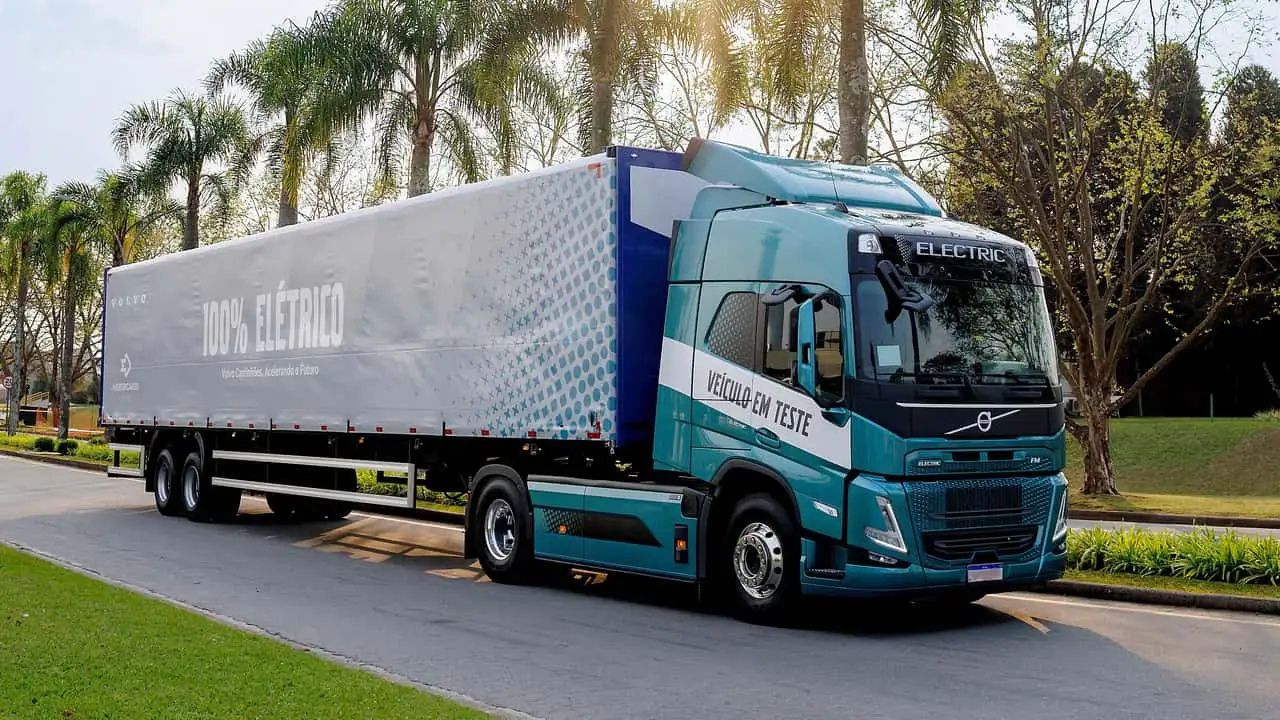
Get To Know The New Generation Of Electric Trucks, The Financial Challenges, The Expanding Infrastructure, And The Central Role Of The Driver In This Sustainable Transformation.
A silent revolution is advancing along the roads of Brazil. The arrival of electric trucks marks the most profound change in cargo transportation in decades. In a country where over 60% of everything transported depends on highways, the switch from diesel to electric engines redefines national logistics. This is not just a technological change, but a new way of thinking about operations, finances, and, most importantly, the human role in the sector. At the center of it all is the driver, who ceases to be merely an operator to become a pioneer at the forefront of sustainability.
Who Leads The Race Of Electric Trucks?
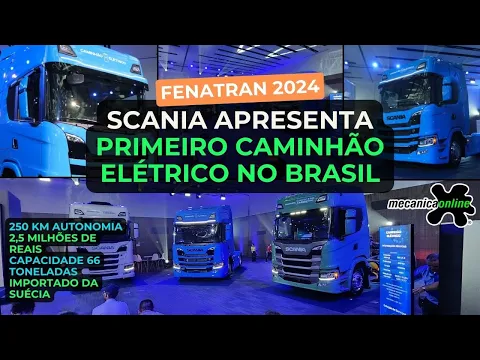
The market for electric trucks in Brazil is shaped by different forces. European manufacturers, such as Volvo and Scania, focus on the heavy segment with complete solutions. Volkswagen Trucks and Buses (VWCO) stands out with the e-Delivery, the first 100% electric truck developed and produced in series in the country. On the other hand, Chinese manufacturers such as JAC Motors, XCMG, and Farizon are aggressively advancing in the light and medium segments, ideal for urban operations.
This dynamic creates a two-layer competition. On one side, the Europeans offer premium technology. On the other, the Chinese compete with attractive prices. The initial demand is led by large corporations, such as Ambev and JBS, who see electric trucks as a way to achieve sustainability (ESG) goals and optimize costs.
-
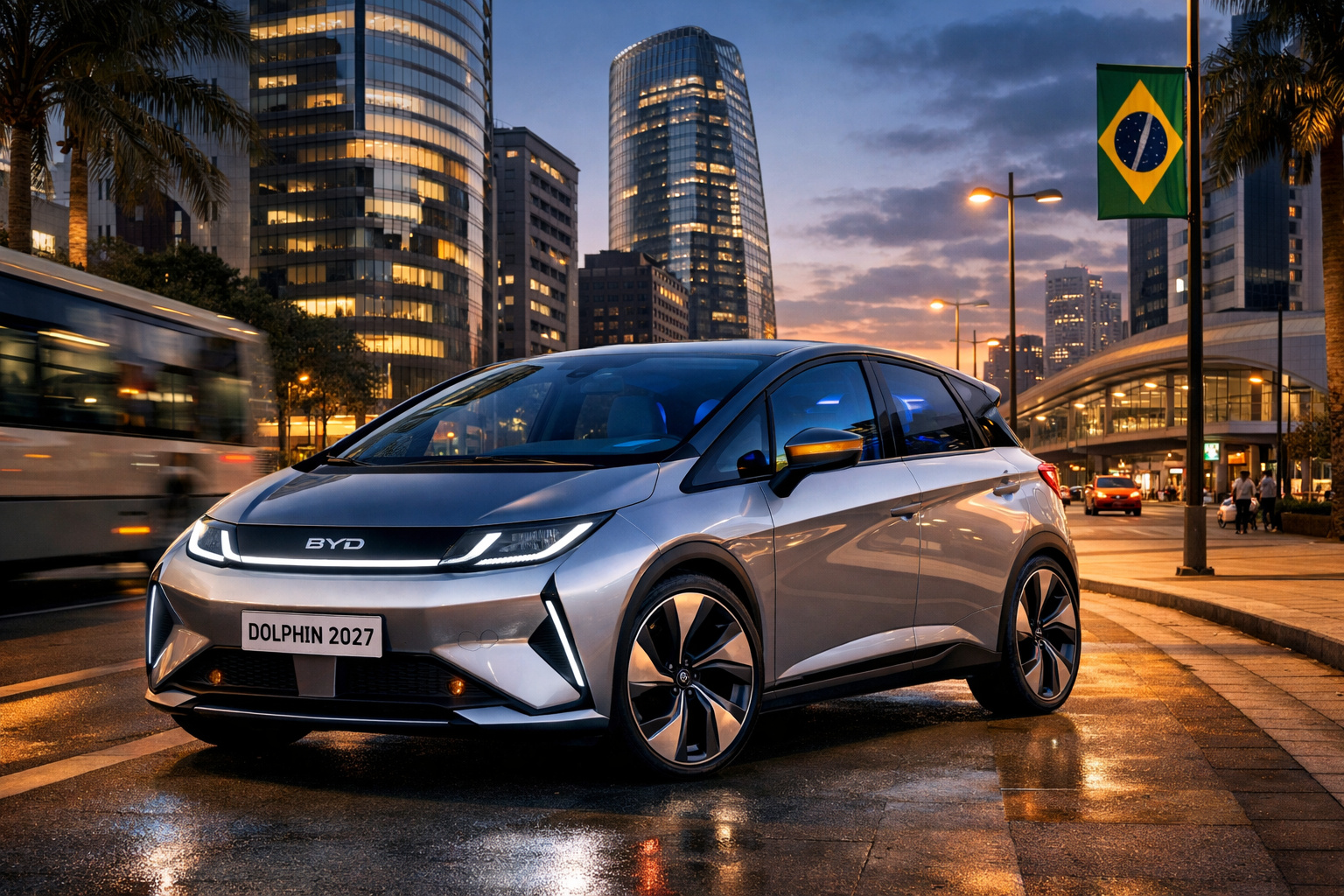
BYD Dolphin 2027 gains more power, increases in size, changes interior, and abandons controversial feature to face new competition in Brazil.
-
The German economist Wolf-Peter Schill has no doubts: “Electric cars are already far superior to cars with internal combustion engines.”

-
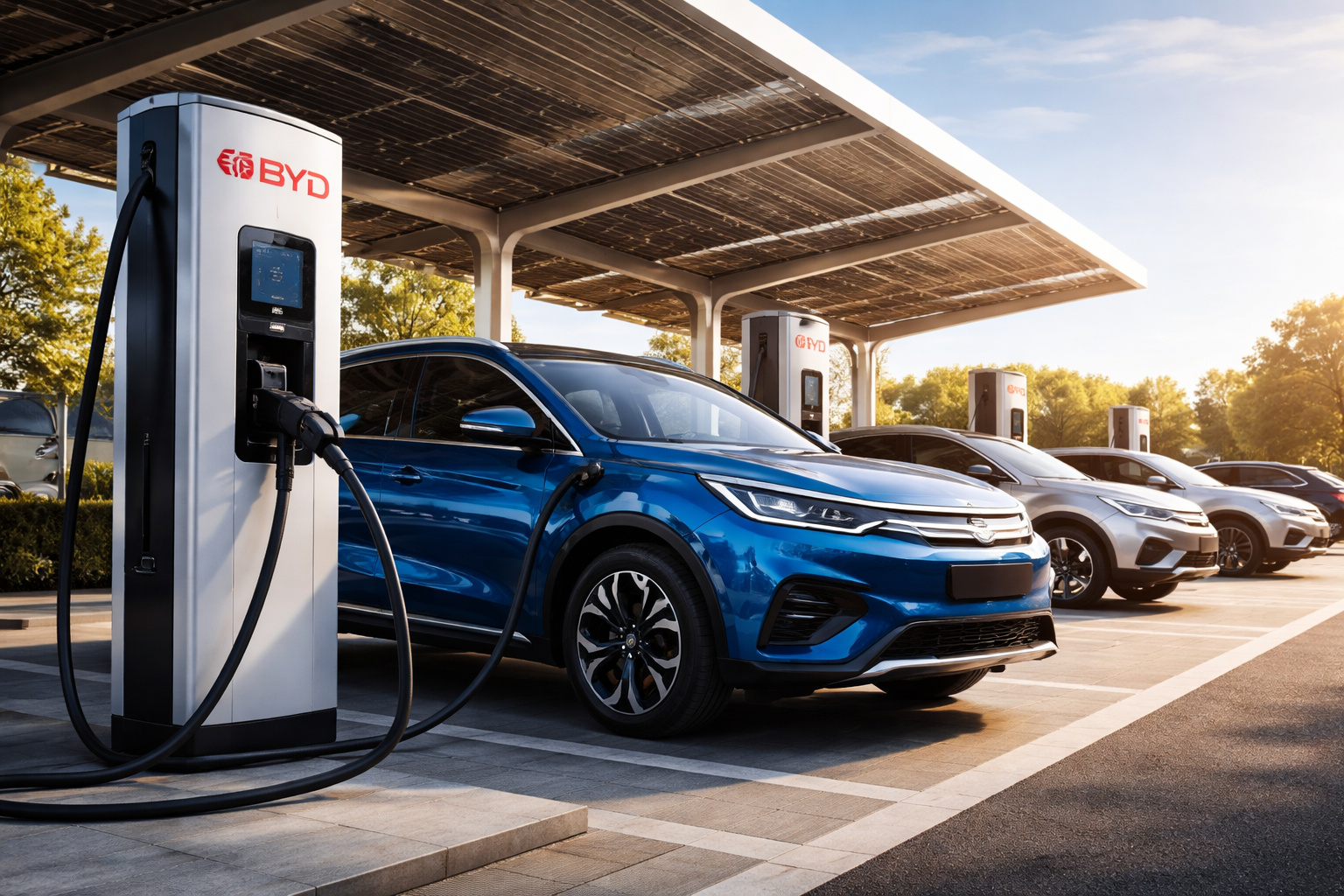
Largest public charging network in Brazil: BYD reaches 125 fast chargers and accelerates national expansion of electric mobility.
-
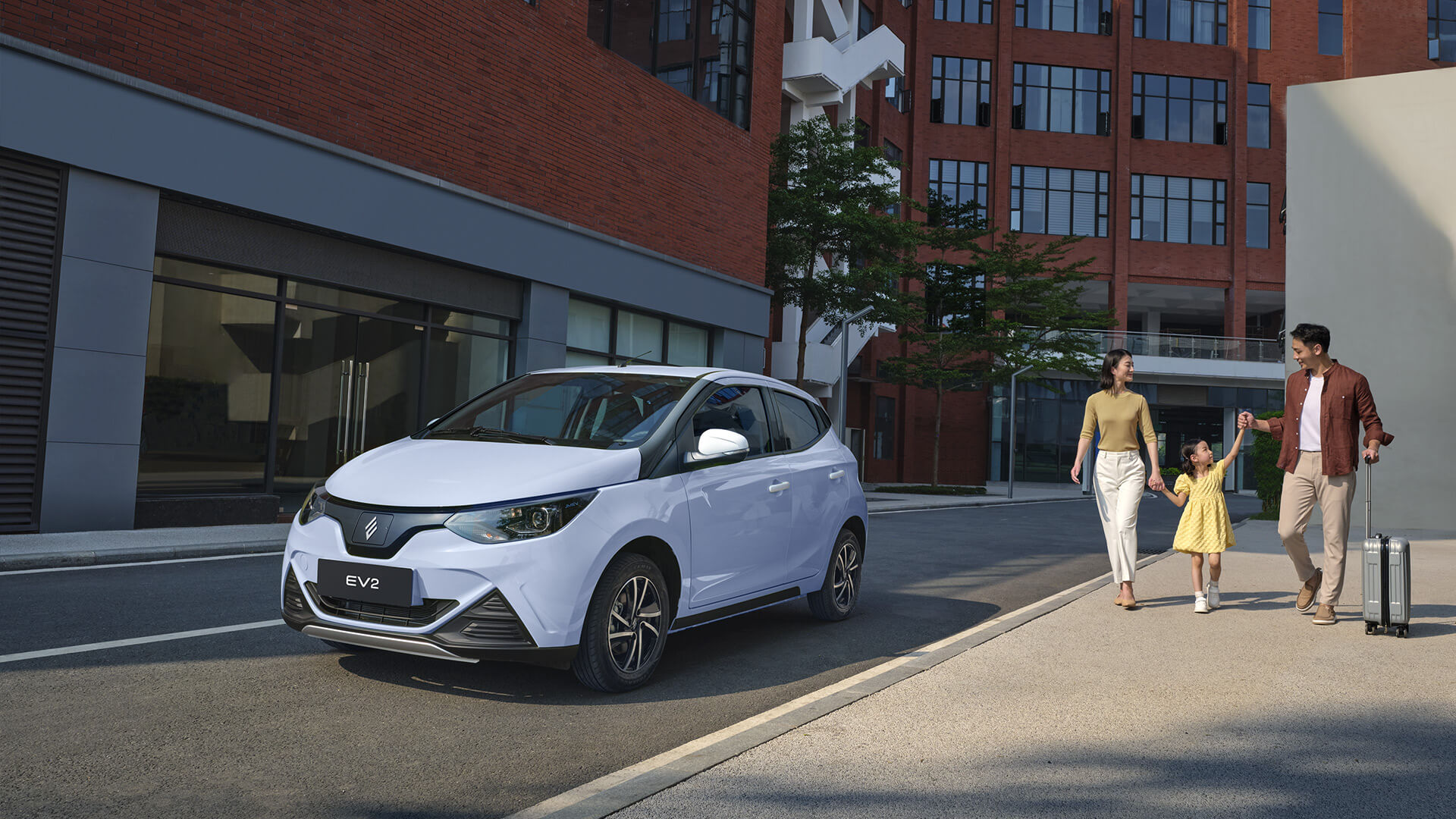
Goodbye expensive popular car: electric vehicle for less than R$ 70,000 starts being sold in Brazil with a range of 200 km and targets those looking to escape gasoline.

The Total Cost Of Ownership (TCO) Of Electric Trucks
The decision to adopt electric trucks is, above all, financial. The main obstacle is the high acquisition cost, which can be two to three times higher than that of an equivalent diesel model. The XCMG E7-49T truck, for example, costs R$ 1.3 million, while the Scania 30 G 4×2 has a projected price of R$ 2.5 million.
However, the logic reverses in operation. The cost of energy is drastically lower. The cost per kilometer traveled can be up to five times cheaper than diesel. Maintenance is also a significant area of savings, being seven times lower, as electric trucks do not have components like oil filters or exhaust systems. A case study from Ambev showed that, after five years, the Total Cost of Ownership (TCO) is significantly lower, with the financial break-even point occurring around the fourth year.
The Human Transformation Behind Electric Trucks

For the driver, the change is transformative. The driving experience is universally praised for the dramatic improvement in the work environment. The absence of noise and vibration reduces stress and fatigue, increasing well-being and safety. In addition, the instant torque of the electric motor provides agile and effortless driving.
The acceptance is so high that, according to reports, drivers compete for the chance to drive the electric models. This new reality also requires new skills. The professional becomes an energy manager, learning to use regenerative braking to increase range. Pioneering companies such as Ambev, Volvo, and JBS are heavily investing in training to ensure that their drivers extract maximum efficiency from the vehicles, valuing the professional as a key piece in the success of electrification.
The Future Of Electric Trucks On Brazilian Roads
Despite the progress, mass adoption faces clear barriers. The high initial cost, the still insufficient charging infrastructure, and the limited battery range (between 150 km and 300 km) are the main challenges. The network of charging stations, although growing, is concentrated in the Southeast region, which makes long-distance routes unfeasible.
To overcome these obstacles, the strategy has been to focus on high-viability niches such as urban deliveries. The private sector leads the expansion of infrastructure. The future depends on a joint effort between companies and the public authorities, which need to create stronger incentive policies and a national plan for charging infrastructure for heavy vehicles.
The Benefits Of Electric Trucks Beyond Zero Emissions
The benefits of electrification go far beyond fuel savings. The most obvious environmental impact is the elimination of CO₂ emissions, nitrogen oxides, and particulate matter. JBS, for example, reported that it avoided the emission of over 5,200 tons of CO₂ with its electric fleet. This contributes to improving air quality in cities.
An equally important social benefit is the dramatic reduction of noise pollution. The silent operation of electric trucks makes urban centers healthier. This characteristic opens the possibility for new logistic models, such as nighttime deliveries in noise-restricted areas, which could ease traffic during the day and increase the efficiency of the entire supply chain.








-

Uma pessoa reagiu a isso.