





 Portuguese
  English
  Spanish
 6 min of reading
  0 comments


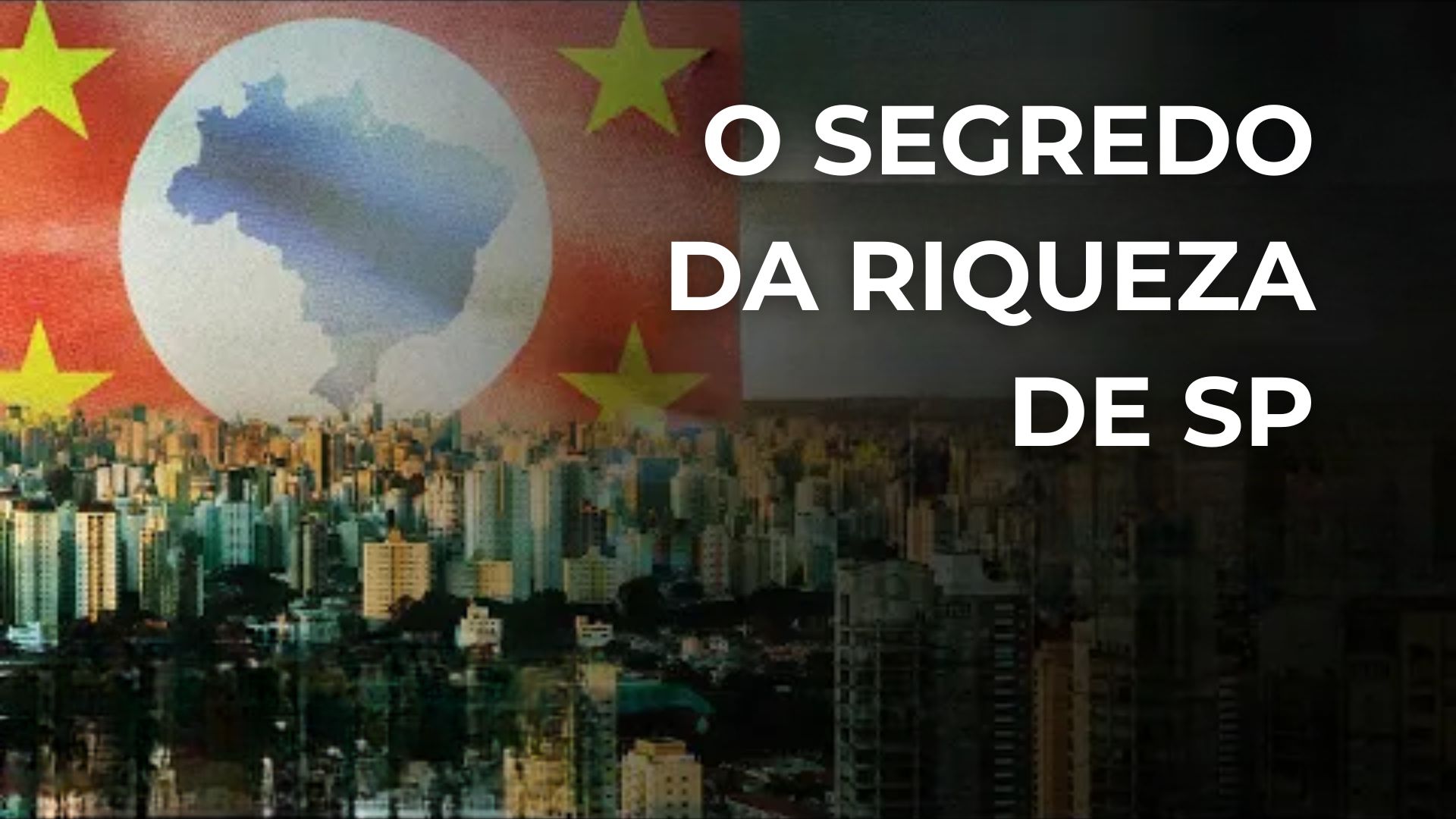
In Less Than Two Centuries, São Paulo Transitioned from a Peripheral Region to the Economic Center of Brazil, Driven by Infrastructure, Immigration, and Industrial Transformations, Becoming a Reference of Wealth and Development in Latin America.
If it were an independent nation, São Paulo would surpass almost all countries in Latin America in wealth.
This reality, according to a report published by BBC Brasil, is the result of a profound transformation that began a little less than two centuries ago, a period when the state was among the regions with the least economic, political, and population prominence in the country.
-
IPTU exemption for seniors in 2026: see how to secure the benefit.

-
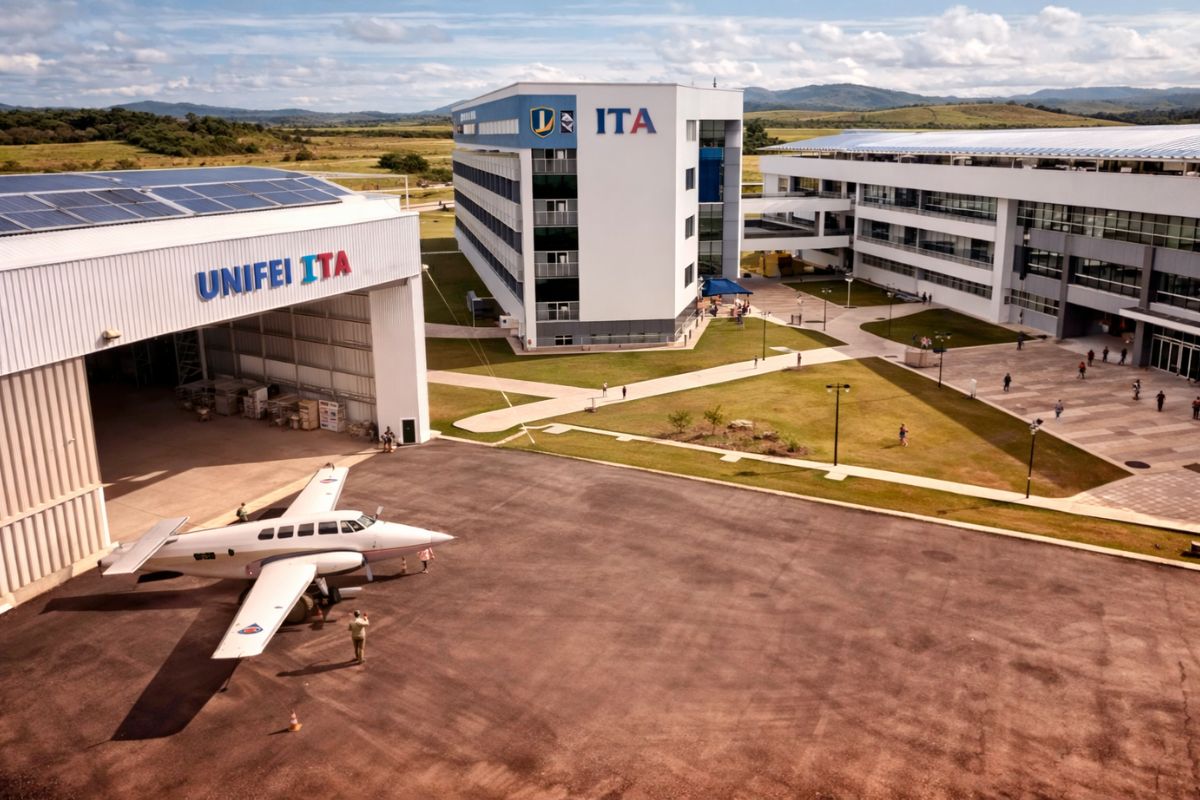
The institute that trained the greatest aerospace engineers in Brazil has just opened its first campus outside São Paulo after 75 years: ITA Ceará will have R$ 445 million, new courses in energy and systems, and classes are expected to start in 2027.
-
Luciano Hang, owner of Havan, goes to Juiz de Fora after the tragedy in February, brings R$ 1 million, hands out R$ 2,000 cards, and donates up to R$ 15,000 to victims in the region.

-
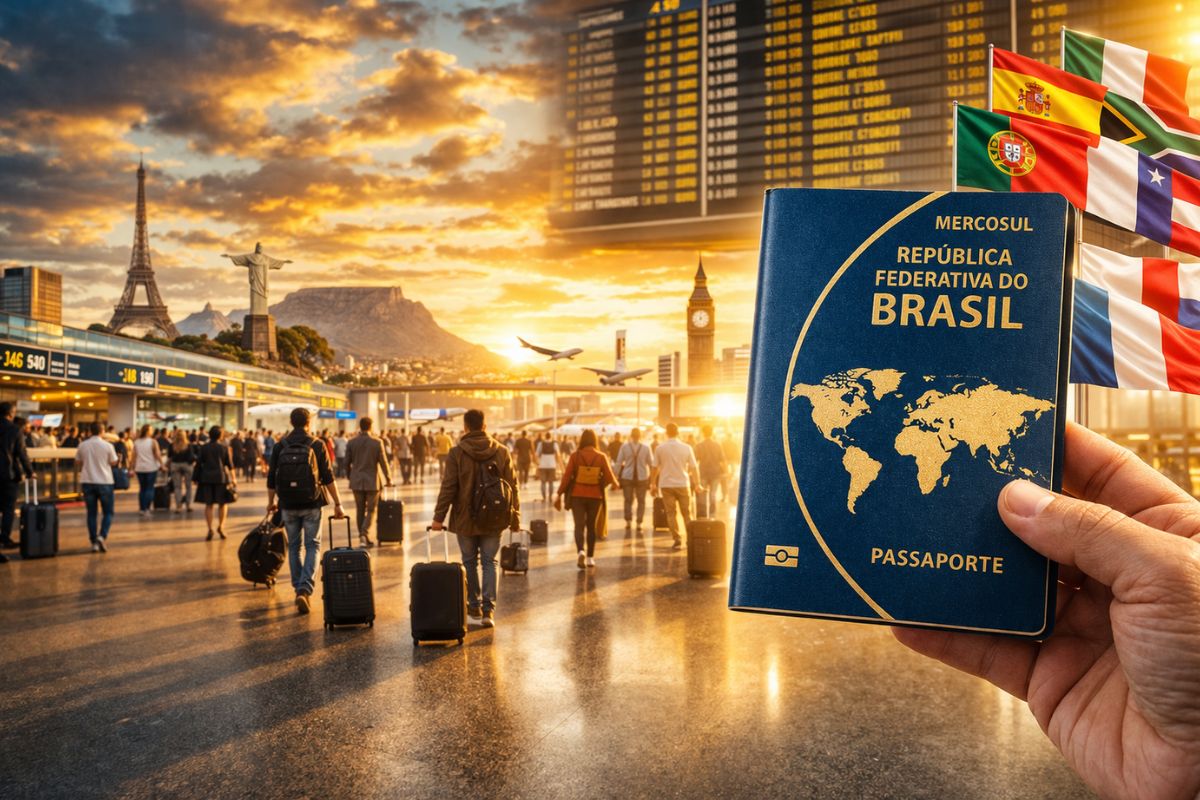
The Brazilian passport allows legal residence in dozens of countries without the need for a prior visa, and most Brazilians are unaware that they can apply for residency directly upon arriving in nations in South America, Africa, and even Europe.

Historical Context and Logistical Challenges
At the beginning of the 19th century, São Paulo was still a modest province, far from the leadership that Bahia, Pernambuco, and Maranhão exerted due to the export of products such as sugar and cotton.
In 1872, the capital of São Paulo had about 30,000 inhabitants, ranking only ninth in population in the national ranking.
Cities like Belém had double the population, while Rio de Janeiro was nearly ten times more populated.
According to BBC Brasil, the scenario of limited relevance persisted for about 300 years after the arrival of the Portuguese, a period when São Paulo was considered a peripheral region in relation to Rio de Janeiro.
The economy of São Paulo, in this context, faced logistical challenges that limited the export of agricultural products.
The journey between the fertile interior of the state and the coast was hindered by the presence of the Serra do Mar, a natural barrier known as “The Wall” by the Portuguese.
The transport of goods was carried out along indigenous trails and, later, by a winding road inaugurated at the end of the 18th century, consisting of more than 130 turns.
These limitations restricted the flow of sugar, making São Paulo’s production less competitive compared to other provinces.
The Turn with Infrastructure and Coffee
The turning point began to take shape in the 19th century, especially after the abdication of Dom Pedro I in 1831, which resulted in greater autonomy for Brazilian provinces.
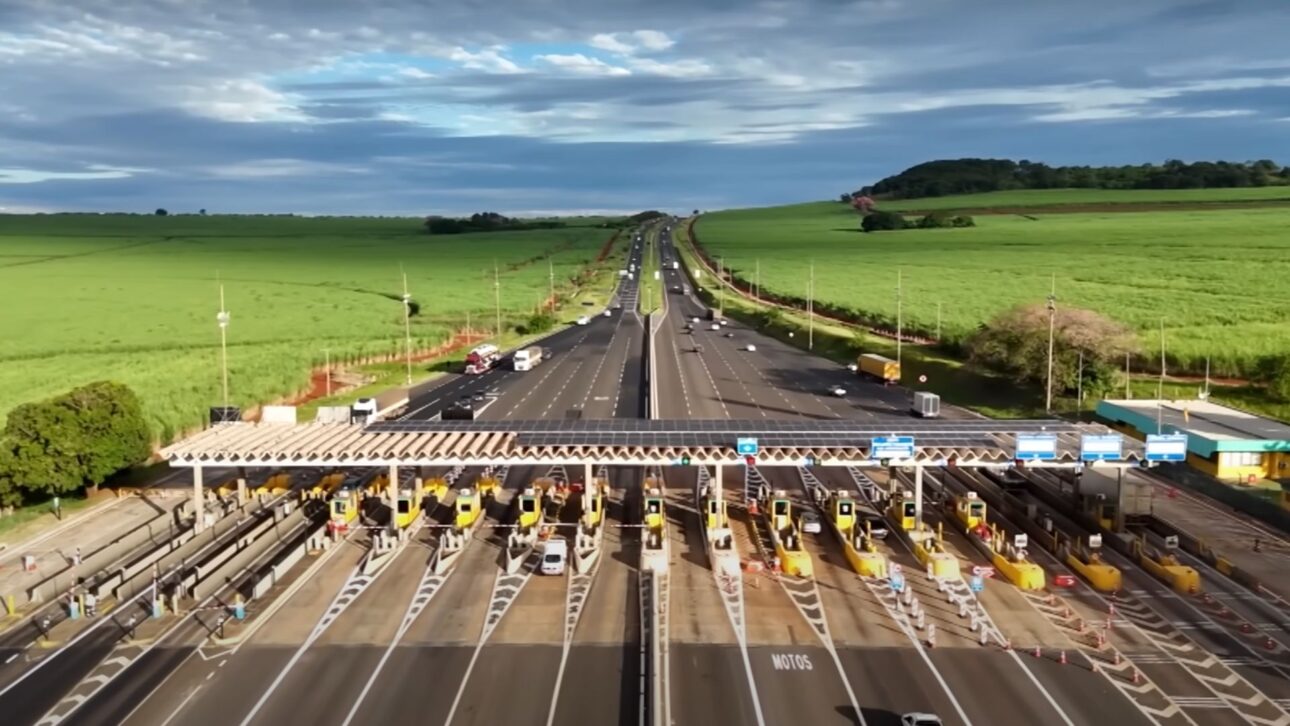
Seizing the opportunity, São Paulo authorities instituted tolls for the transport of goods by mules, a measure that generated resources directed towards road improvements.
This investment in infrastructure allowed for the expansion of coffee plantations, which began to occupy areas increasingly distant from the coast and stimulated local economic growth.
Coffee cultivation became the main driver of São Paulo’s development, especially after the arrival of the railway, largely financed by rural producers.
The new mode of transport facilitated the flow of production to the port of Santos, connecting São Paulo to the international market at a time of strong global demand for the beverage, particularly from the United States.
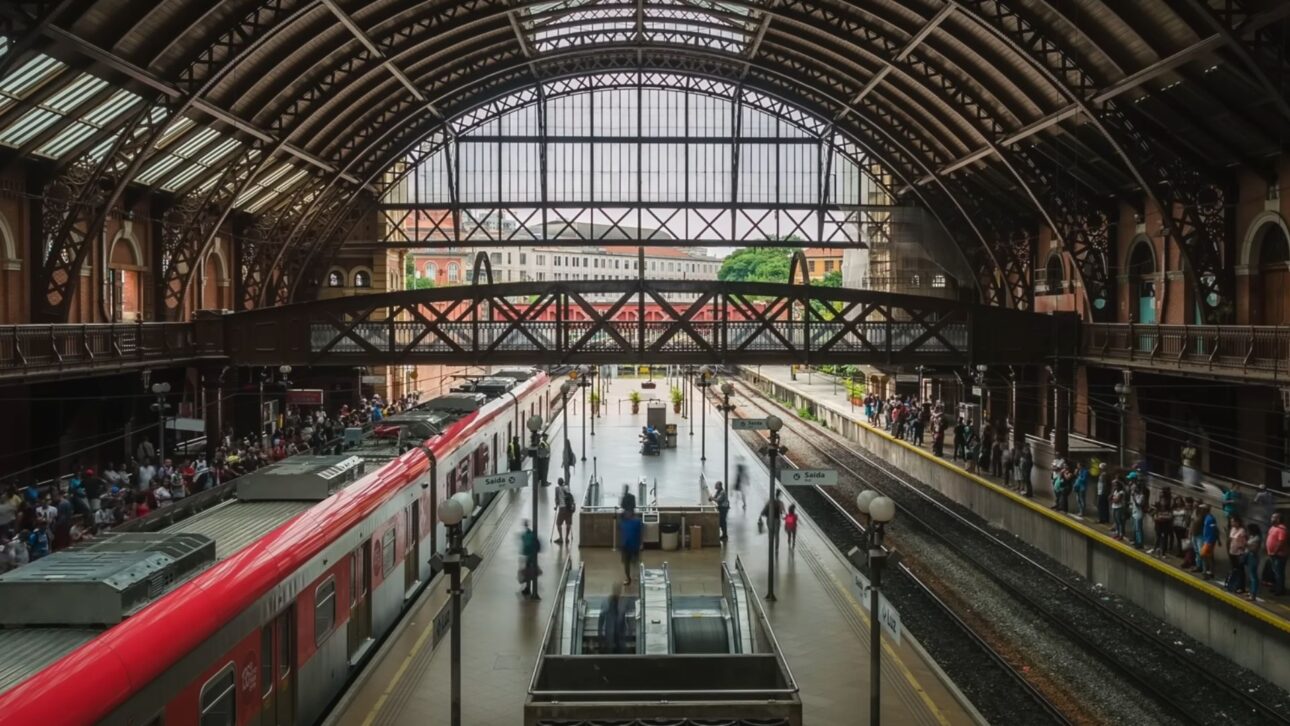
The expansion of coffee plantations favored the emergence of cities around the railway stations and stimulated urbanization.
Immigration and Transformation of the Labor Market
The growing demand for labor in the fields coincided with the ban on the transatlantic trade of enslaved people in 1850.
Initially, there was internal migration of enslaved workers from the Northeast to the Southeast.
However, with the strengthening of the abolitionist movement and international pressure, the Paulista elite had to look for alternatives to fill the worker deficit.
It was then encouraged, starting at the end of the 19th century, the mass arrival of foreign immigrants, particularly Europeans.
Between 1886 and 1956, around 3 million people passed through the Immigrant Lodging House, a space created to welcome newcomers to the state.
According to the analysis published by BBC Brasil, these immigrants, mainly from Italy, Portugal, Spain, Germany, as well as countries like Japan, Syria, and Lebanon, found in São Paulo an opportunity to rebuild their lives amid economic crises and conflicts in Europe.
Their presence was essential for developing an economy based on wage labor, unlike the prevailing slavery in other regions of the country.
With wages and purchasing power, these workers also began to drive the industrial sector, gradually replacing imported products with locally manufactured items, such as textiles and foodstuffs.

Industrialization and Political Leadership
The process of industrialization in São Paulo gained additional momentum during the period known as the Coffee and Milk Republic, in which the elites from São Paulo and Minas Gerais alternated control of national political power.
Minas Gerais led milk production and São Paulo led coffee production, forming a strategic alliance that shaped the Brazilian political landscape between the late 19th and early 20th centuries.
However, the economic crisis of 1929 drastically reduced global demand for coffee, affecting the economic model of the state.
The national context also changed with the arrival of Getúlio Vargas to power in 1930, who centralized the government and appointed interveners for the states, limiting their autonomy.
In response, São Paulo was the protagonist of the Constitutional Revolution of 1932, a movement that was militarily defeated but resulted in important advances for the state, such as the founding of the University of São Paulo (USP) in 1934, a national reference in research and higher education.
Internal Migration and Cultural Diversity
According to information highlighted by BBC Brasil, the 1930s marked the beginning of federal policies to protect national industry, favoring São Paulo’s industrial park.
With industrialization underway, São Paulo became the destination for an intense internal migratory flow, mainly from Northeasterners.
The peak of this migration occurred in the 1970s and 1980s, when workers from the Northeast filled essential positions in construction and factories in the state.
According to the 2022 Census from the Brazilian Institute of Geography and Statistics, over 5 million people residing in São Paulo were born in the Northeast region, representing about 11% of the state population.
The population growth and cultural diversity brought by foreign immigrants and migrants from other Brazilian regions solidified São Paulo as an economic, industrial, scientific, and multicultural center.
Symbolic Leadership and Economic Power
Experts, however, warn of the risk of interpretations that attribute intrinsic superiority to the state, especially in the context of valuing European roots.
As pointed out by the BBC Brasil report, part of the Paulista elite used symbolic power to consolidate political and economic influence, promoting a view of leadership over other regions of the country.
In summary, São Paulo built its wealth by overcoming logistical barriers through investments in infrastructure, capitalizing on the coffee cycle, adopting immigration attraction policies, and stimulating industrialization.
These decisions created a solid foundation for economic development that spans centuries and continuously renews itself.
In light of this trajectory, what other factors do you believe contributed—or could have contributed—to transforming São Paulo into the richest state in Brazil?








Seja o primeiro a reagir!