





 Portuguese
  English
  Spanish
  3 min of reading
  0 comments


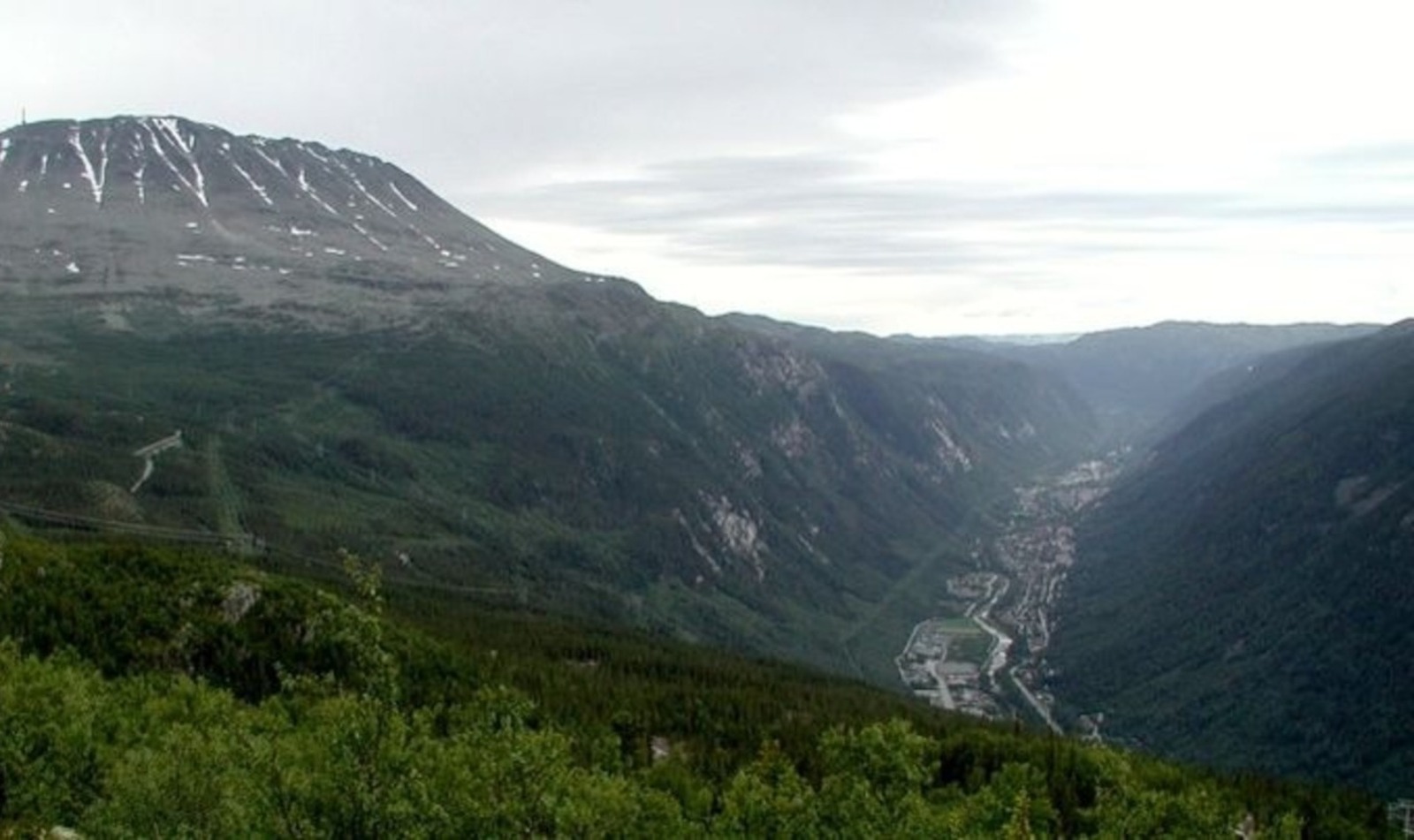
Rjukan, Norway, Lives For Months Without Direct Sunlight and Found Ingenious Solutions in the Huge Mirrors Installed on the Mountain to Illuminate the Central Square
Natural light is part of almost everyone’s routine, but there is a place where this simply does not happen for much of the year. This is the case of Rjukan, a small town in Norway that lives under the constant shadow of the mountains that surround it.
The phenomenon alters everyday life, as it prevents the sun from directly touching its streets for months on end, creating an unusual setting that shapes local life.
The geographical position of Rjukan explains this particular environment. Since it was built in a narrow valley, surrounded by steep slopes, the city is vulnerable to the height of the sun in winter.
-
Brazil’s nuclear submarine with a speed 5 times greater than normal advances after nearly 50 years and R$ 40 billion spent.
-
A Brazilian island charges R$ 0.50 to receive visitors and prohibits any new residents.
-
Why was the Great Wall of China built? The truth that many are unaware of!
-
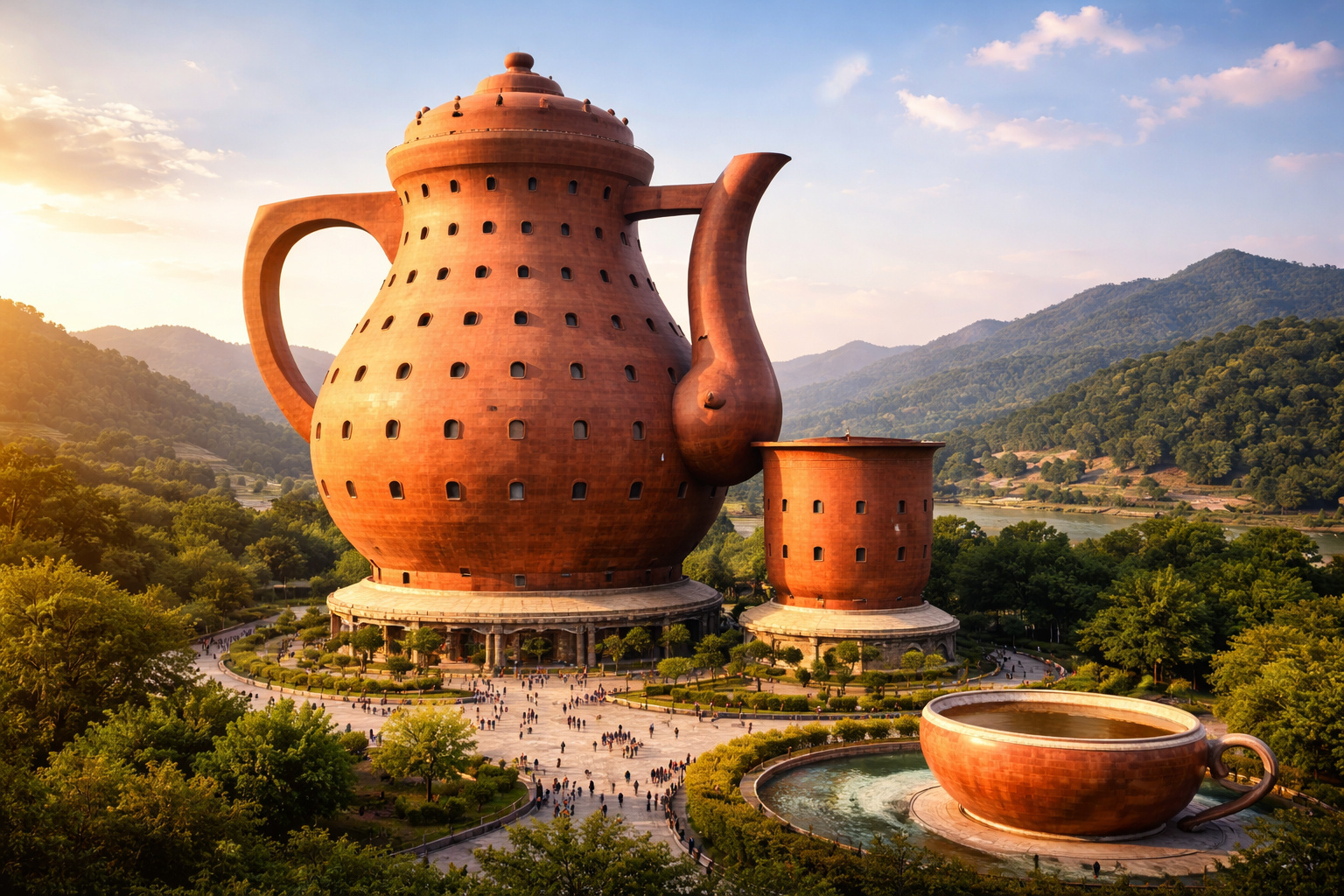
At 73.8 meters tall, the world’s tallest teapot-shaped building has 15 floors, ensures stability, and impresses with an internal space of 28,000 cubic meters.

Therefore, when the star stays low on the horizon, its rays cannot surpass the mountains, leaving the urban center completely dark between September and March.
This situation is not recent. Since the early 20th century, when it was founded as an industrial town, Rjukan has faced long periods without direct light.
Many residents needed to climb to higher areas to feel the warmth of the sun, in addition to resorting to powerful lamps inside their homes to alleviate the feeling of absence.
Over the decades, this routine became part of the local identity. Nevertheless, the lack of light has always drawn attention.
The Solution: Giant Mirrors
The turning point came in 2013 when a creative solution took shape. After more than 100 years living in the shadow, the city installed giant mirrors on top of the mountain to reflect sunlight to the central square.
These devices, called heliostats, follow the solar movement and direct the brightness to the heart of Rjukan.
The result was immediate. For the first time in winter, residents could enjoy a bit of light without leaving the valley.
Additionally, the illuminated square became a gathering point, creating a collective sense of relief and belonging.
Many describe the space as a place where mood improves and routine takes on a different rhythm.
The project generated curiosity outside Norway. The initiative attracted tourists interested in seeing the mirrors in action because the solution is rare and combines technology with practical necessity.
Still, some residents remain skeptical. These people claim that the reflected brightness does not replace the real feeling of the sun, preferring to travel to sunny regions when winter arrives.
More Peculiarities About the City
Other elements reinforce the peculiarity of the city. Rjukan was born as a worker’s village linked to a hydroelectric company, which explains its growth in the early last century.
During World War II, it was the scene of a sabotage operation due to a plant associated with the development of Nazi weapons.
The region also opened a cable car in 1928, created specifically to take residents to the higher parts of the mountains to sunbathe when darkness took over the valley.
The prolonged lack of light affects not only the landscape but also has health impacts. Vitamin D deficiency is common, and many people may develop seasonal depression when winter extends.
Therefore, in addition to the mirrors, residents use special lamps that mimic natural light and help maintain physical and mental well-being.
Rjukan Adapts and Moves Forward
Residents found ways to transform the town into a more pleasant place, even when the sun does not appear.
The installation of the heliostats marked a new chapter, as it brought a bit of brightness and highlighted human capacity to find solutions to extreme conditions.
Rjukan remains a place full of history and creativity, showing that it is possible to build life and community even where light does not reach.
With information from Correio Braziliense.



Seja o primeiro a reagir!