





 Portuguese
  English
  Spanish
  5 min of reading
  1 comment




Dreaming of the Perfect Kitchen? This Guide Details the Types of Kitchens, the Best Building Materials, and the Factors That Influence the Cost of a Planned Kitchen in Brazil in May 2025.
The kitchen is the heart of the home for many Brazilians, and planning this space requires assertive decisions about layout, materials, and budget. Understanding the different types of kitchens, the most commonly used materials in their construction, and the factors that impact the cost of a planned kitchen is essential for creating a functional, durable environment that fits your budget.
This comprehensive guide, updated for May 2025, is designed to help you navigate these choices and turn your dream kitchen into a reality.
Planning the Dream Kitchen
A well-planned kitchen is essential for the functionality and aesthetics of the home. In Brazil, the goal is to create a space that combines practicality, beauty, and good cost-effectiveness. This guide provides insights on the main types of kitchens, the most suitable building materials, and the elements that define the cost of a planned kitchen, helping you make informed decisions.
-
Congonhas receives the monorail promised for the 2014 World Cup after more than a decade of delays and becomes the first airport in Brazil with integrated subway.

-
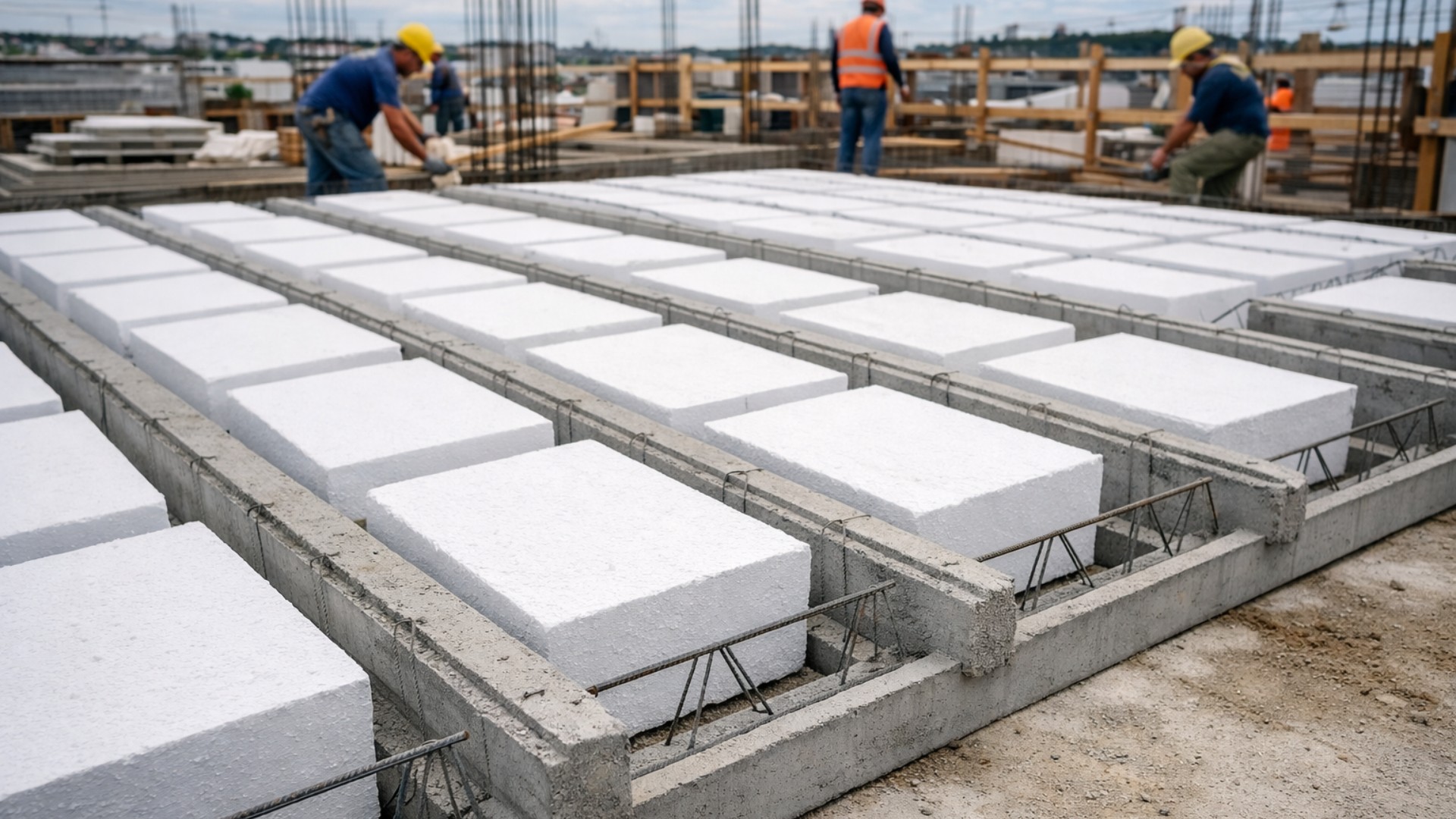
Goodbye, concrete: a new trend in civil construction reduces the weight of the structure by up to 30%, accelerates projects by up to 40%, cuts costs on steel and labor, and improves thermal insulation with EPS.
-
Russian engineers create an innovative propeller blade for aircraft that could completely change the way airplanes and helicopters operate.

-
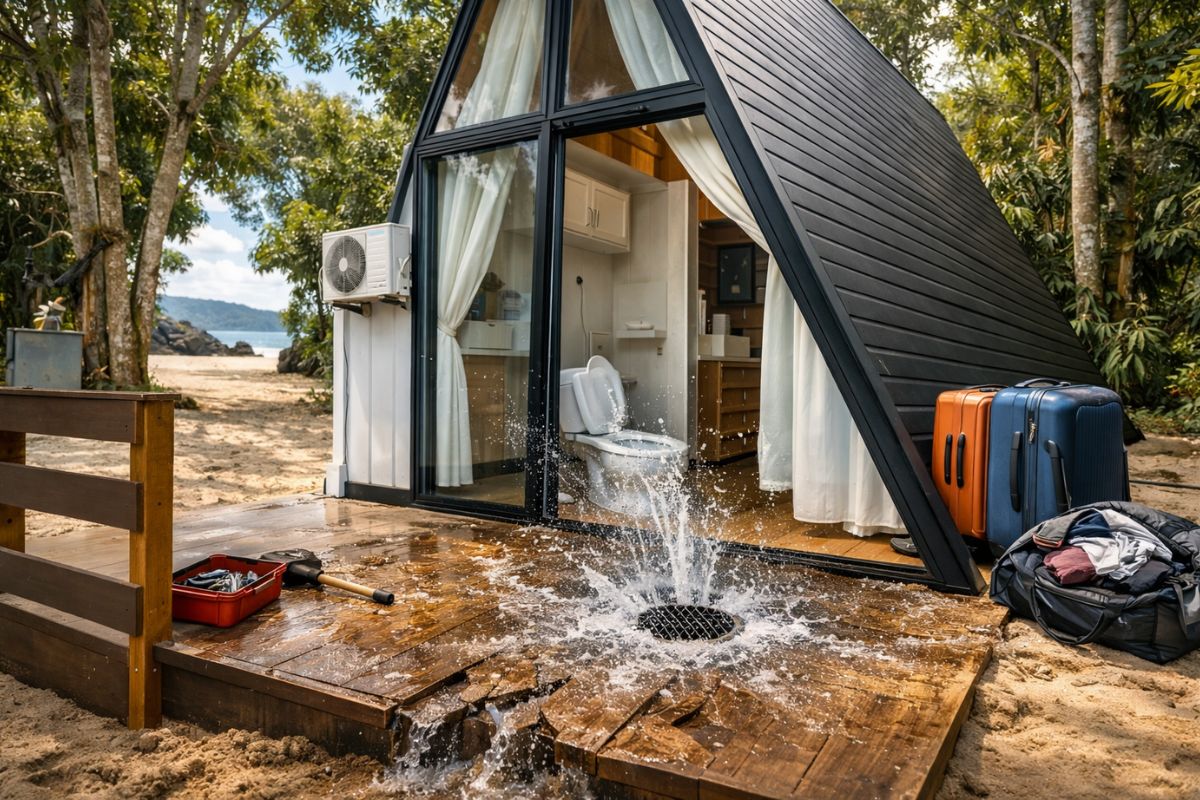
Couple finishes building PVC chalet on the beach on the last day, with air conditioning and curtains, but discovers the bathroom drain is inverted: water escapes from the drain, risking breaking the floor, and the rush continues before the trip.

Types of Kitchens: Finding the Ideal Layout for Your Space and Needs
The choice of layout is the first step to a functional kitchen:
- Linear Kitchen: Ideal for narrow spaces, with all elements on one wall. It is simple and economical.
- L-Shaped Kitchen: Uses two perpendicular walls. Popular and versatile, it offers good corner utilization and more countertop area.
- U-Shaped Kitchen: Occupies three walls. Excellent for larger spaces, with maximum storage and countertop capacity.
- Kitchen with Island: Features a central countertop for preparation, meals, or cooking. Modern and functional, but requires ample space and can be costly.
- Pennisula Kitchen: Similar to the island, but the central countertop is connected to a wall, ideal for slightly smaller spaces.
- Parallel Kitchen: Cabinets and countertops on two opposite walls. Efficient for long, narrow kitchens.
- Integrated Kitchen: Open concept, connected to the living room, promoting interaction and spaciousness.
Essential Materials for Your Planned Kitchen Cabinets and Cupboards
The durability and aesthetics of cabinets depend on the material and finish:
- MDF (Medium Density Fiberboard): Medium-density fiberboard with a smooth surface ideal for painting, lacquering, and coverings. More moisture-resistant than particle board.
- MDP (Medium Density Particleboard): Particleboard, more economical, good stability, ideal for straight structures.
- Plywood: Overlaid wood planks, offering good structural strength and moisture resistance (especially marine plywood).
- Popular Finishes: Melamine Laminated (BP) is one of the most used for its variety of colors/textures and resistance. Formica (High-Pressure Laminated – AP) is thicker and more durable. Paint (Lacquer) offers a sophisticated finish but is more sensitive. Glass in doors adds lightness.
Choosing the Best Countertops for Your Kitchen: Durability and Aesthetics
The countertop is a high-use area and choosing the right material is crucial:
- Granite: Popular natural stone, high durability, resistant to scratches and heat, relatively affordable.
- Marble: Elegant aesthetic but more porous and less durable than granite, prone to staining.
- Quartz (Silestone, Caesarstone, etc.): Industrial surface with extremely high stain and scratch resistance, low porosity. Higher cost.
- Corian (Solid Surface Acrylic): Moldable synthetic material, non-porous, with imperceptible seams. High cost, less resistant to scratches/heat.
- Porcelain: Very low porosity, durable, variety of finishes. Requires specialized installation.
- Stainless Steel: Hygienic, resistant, industrial look. Scratches easily.
Wall Coverings (Backsplash) and Floors: Finishing Your Kitchen Design
For the walls, tiles and ceramics are classics and easy to clean. Mosaic tiles allow for personalized details. Natural stones or quartz can unify with the countertop. For the floor, porcelain is the most recommended currently due to its high resistance to abrasion, stains, and moisture, available in various finishes. Ceramic is a more accessible option, while vinyl flooring offers comfort and quick installation.
Unraveling the Cost of a Planned Kitchen in Brazil: Determinants and Price Estimates in 2025
The cost of a planned kitchen varies greatly. The main factors are:
- Size and Complexity of the Project: The larger the kitchen and the more cabinets, drawers, and niches, the higher the cost. Projects with many corners or custom solutions tend to be more expensive.
- Chosen Materials:
- Cabinet Structure: MDP is usually the most economical option, followed by MDF. Plywood and solid wood are more expensive.
- Cabinet Finishes: Melamine laminated (BP) is generally the most accessible. Formica (AP) has an intermediate cost. Paint (lacquer), glass, and PET coatings tend to be more expensive.
- Countertops: Common national granites are cheaper. Exotic granites, marbles, quartz, Corian, and large-format porcelains raise the price.
- Hardware: Telescopic slides are standard. Systems with cushioning (slow motion), full-extraction drawers, and renowned brand hinges (Blum, Hafele) increase the project cost. Handles also vary widely in price.
- Internal and External Accessories: Cutlery dividers, built-in trash cans, spice racks, built-in lighting (LED strips), and special wire racks add functionality and cost.
- Brand and Supplier: Big chain stores or local carpenters may have different prices. Renowned brands of planned furniture generally have a higher cost due to the quality of materials, design, warranty, and additional services (project, assembly).
- Labor: The quality of assembly is crucial. Qualified professionals may charge more but ensure a better final result and greater durability.
- Appliances: Although they are not part of the cost of the furniture itself, the type and size of appliances (cooktop, built-in oven, hood) influence the project and should be considered in the overall budget.
Cost Estimates (Reference Values – Brazil, May 2025):
It’s important to note that these are reference values and can vary drastically:
- Small and Simple Planned Kitchen (basic materials, a few special fittings): Starting at R$ 5,000 – R$ 15,000.
- Medium Planned Kitchen (good materials, some accessories, affordable granite or quartz countertops): Between R$ 15,000 – R$ 40,000.
- Large and Sophisticated Planned Kitchen (noble materials, high-quality fittings, many accessories, premium countertops): Starting at R$ 40,000, potentially exceeding R$ 100,000 or more.
Tips for Optimizing the Cost of Your Planned Kitchen:
- Set a Realistic Budget: Know how much you can spend before designing.
- Prioritize Your Needs: Invest more in what is essential for you.
- Research and Compare Budgets: Request quotes from different suppliers.
- Opt for Materials with Good Cost-Effectiveness: MDF with melamine laminate (BP) for cabinets and national granites for countertops are good choices.
- Simplify the Design: Straight and standardized modules are cheaper.
- Evaluate the Need for All Accessories: Some are useful, others disposable.
- Consider Labor Costs: Don’t excessively cut costs on assembly.
- Plan for the Long Term: Good quality materials prevent future expenses.
How Planning and the Right Choice of Materials Impact the Cost of a Planned Kitchen and Your Final Satisfaction
Planning a kitchen that is functional, beautiful, and financially viable requires attention to details such as layout, materials, and, of course, the cost of a planned kitchen. Understanding the factors that influence the budget is the first step to making assertive decisions. By researching, prioritizing your needs, and opting for cost-effective materials, you can create the environment of your dreams. Remember that choosing high-quality materials, even if slightly more expensive initially, can avoid repair and replacement expenses in the future, positively impacting the total cost of ownership and your long-term satisfaction.









I appreciate the balanced perspective you bring to this topic. It shows a fair and thoughtful approach.