






 Portuguese
  Spanish
  5 min of reading
  0 comments


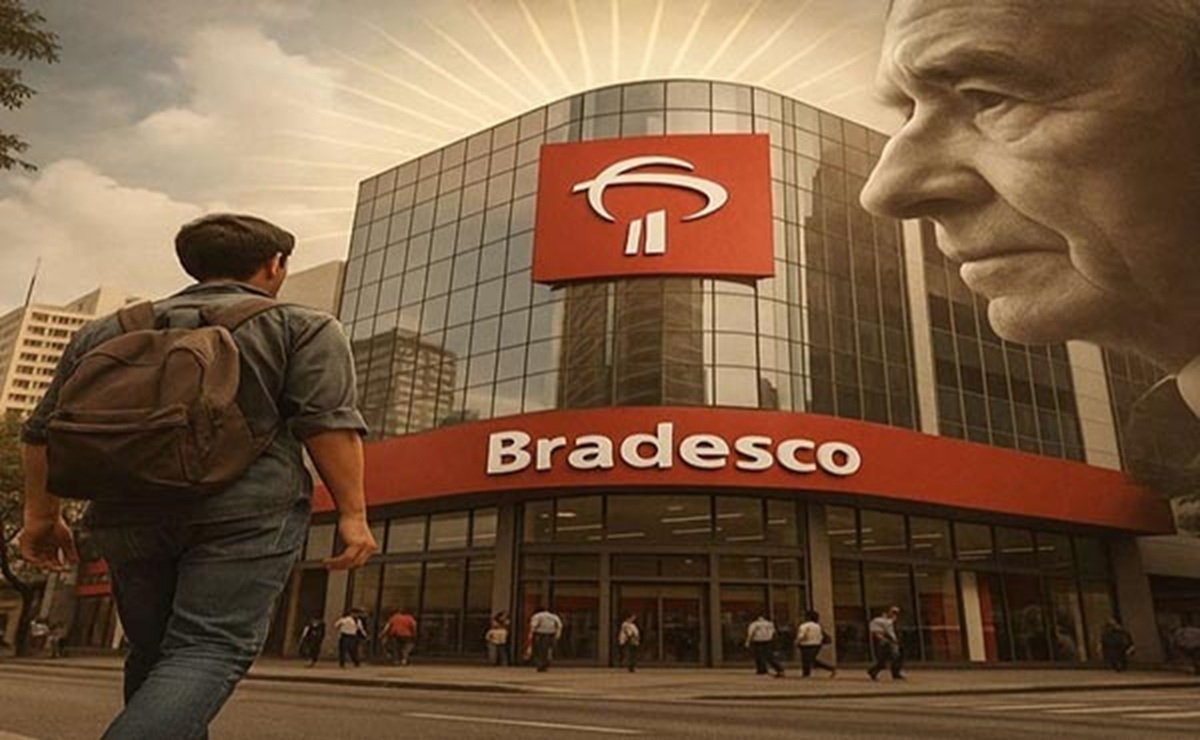
Founded by Amador Aguiar, a farmer who did not finish elementary school, Bradesco became one of the largest banks in the world, employing today 83,365 people and serving millions of customers in 2,750 agencies.
Amador Aguiar, the founder of Bradesco, was born on February 11, 1904, in the rural area of Ribeirão Preto, interior of São Paulo.
He was the 12th child among 14 siblings, the children of farmer parents who worked on coffee plantations. At 13, his father pulled him out of school to help in the fields, a decision that deeply marked him and fueled his desire to learn.
For three years, he worked on coffee plantations in the city of Sertãozinho. At 16, after a fight with his father, he decided to leave home and went to Bebedouro, arriving with no money and sleeping on a park bench.
-
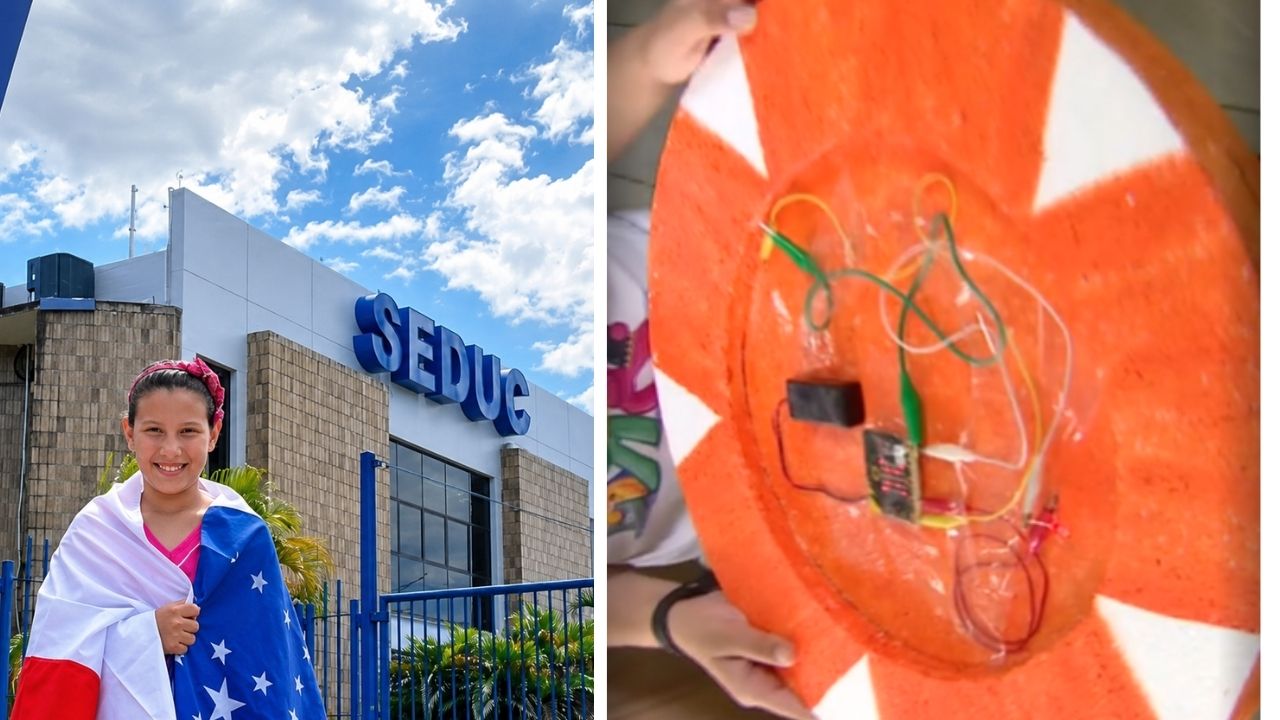
A 10-year-old girl in Manaus created a styrofoam buoy with a sensor to detect trash in streams, became the sole representative from Latin America in an international challenge in London, and turned the pollution she saw near her home into a sustainable invention.

-
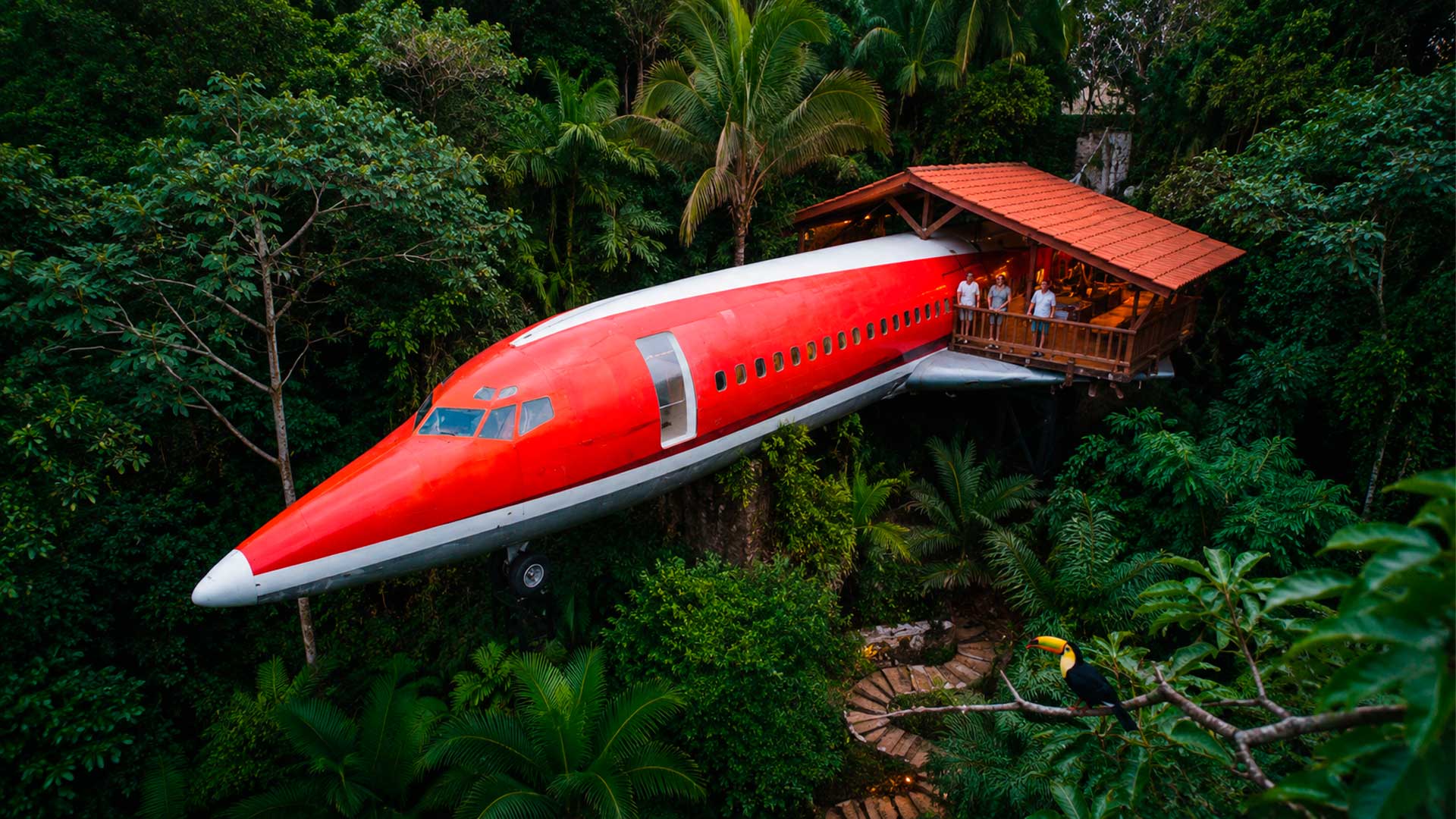
It was neither a crash nor abandonment; this retired plane left the airport in parts, crossed Costa Rica on trucks, and ended up becoming a suite in the heights with daily rates exceeding R$ 2,000.

-
She panicked when she saw her daughter fall from the crib; years later, she turned the experience into a factory generating R$ 9 million per year.

-
At 75 years old, João José de Carvalho, known as Mr. Janjão, was accepted for the second time by Sisu after overcoming distance, physical limitations, and years away from school, to fulfill his dream of studying Biological Sciences at UFPI.


He endured hunger and cold until he secured a job in a printing house, which allowed him to rent a room and resume his studies on his own.
A workplace accident forced him to change professions, but it was precisely this new beginning that led him to the financial world.
The First Job in the Banking Sector
At 21, Amador landed a job as a messenger at Banco Noroeste, in the city of Birigui, shortly after marrying Elisa Silva. Within a few years, his talent took him from messenger to accountant and then to the bank’s director.
He used to say, with a sense of humor, that he owed his success to asthma. As he had difficulty sleeping, he took advantage of the wee hours to read about banking operations, becoming self-taught.
This curiosity and discipline made him a reference and prepared him for the greatest challenge of his life: saving a bank on the brink of bankruptcy.
The Birth of Bradesco
In 1943, Amador was hired to manage the Almeida & Company Banking House in Marília, which was facing serious difficulties.
Under his guidance, the bank underwent a complete restructuring and gained a new name: Banco Brasileiro de Descontos, focusing on serving workers and small entrepreneurs.
On the day of the reopening, the chosen president suddenly passed away, and Amador was invited to take on the position. He received 10% of the shares and started to execute his vision: to create an accessible and popular bank.
A short time later, he moved the headquarters to São Paulo and shortened the name to Bradesco.
His innovative management placed the bank ahead of the competition by prioritizing small clients, simplifying services, and offering financial education to new account holders.
Expansion and Technological Innovation
Amador bet on closeness to the customer, opening branches in agricultural regions and acquiring smaller banks.
This strategy resulted in Bradesco’s national presence, which in 2010 became the only private bank with service in all Brazilian municipalities.
However, innovation did not stop there. In 1955, Bradesco was the first bank in the country to use authenticating machines, and in 1961 it acquired Brazil’s first IBM 1401 computer, linking branches via MORS code — something revolutionary for the time.
Another milestone was the creation of the Bradesco Foundation in 1956, focused on the education of children and young people from low-income backgrounds. Today, the institution maintains 40 schools and serves over 42,000 students with an employability rate exceeding 70%.
From Cidade de Deus to National Leadership
In 1957, the bank moved its headquarters to Osasco, in a complex named Cidade de Deus, in homage to Saint Augustine. The presence of Bradesco boosted the urban development of the city.
During the 1960s and 1970s, the bank launched the first credit card in the country, went public on the stock exchange, and opened its thousandth agency.
The public offering solidified Bradesco as a benchmark in the market, with thousands of investors and growing profits.
In the 1980s, the era of banking automation gained momentum with HomeBank, Alô Bradesco, and the diversification of services for pension and insurance.
After Amador Aguiar’s death, Lázaro de Melo Brandão assumed the presidency and maintained the pace of innovation and growth.
Acquisitions and New Challenges
In 2015, Bradesco purchased HSBC Brazil for R$ 17.6 billion, expanding its customer base and assets. This operation consolidated the bank as one of the leaders in the national financial market.
However, after the pandemic, the scenario changed. Delinquency increased with rising interest rates, and granting credit to lower-income clients became an issue.
While digital banks like Nubank and Inter gained traction, Bradesco faced challenges in modernizing.
In November of 2023, Marcelo de Araújo Noronha took over the presidency with the mission to reinvent the bank.
With 38 years of experience in the sector, he launched a five-year transformation plan, prioritizing technological innovation and control of delinquency.
Restructuring and Focus on the Future
By 2025, Bradesco will have 2,750 branches and over 83,000 employees.
The bank closed the first quarter with R$ 5.8 billion in net profit and announced the payment of R$ 3 billion in interest on equity to shareholders.
The institution remains focused on the digitalization of services and cost control, closing physical branches and expanding its online channels.
In the past five years, Bradesco entered the Forbes ranking of the 750 best employers in the world, occupying the 579th position.
Recently, it acquired Banco Digil, in partnership with Banco do Brasil, for R$ 625 million, and purchased 50% of Banco John Deere, increasing its presence in the agricultural market.
Additionally, it signed an agreement with BNP Paribas to absorb private banking clients who invest over R$ 5 million.
The Legacy of Amador Aguiar
The recent success of the institution was reflected in the appreciation of 43% of Bradesco’s shares in 2025, surpassing Itaú, which had a rise of 37%.
Today, the bank has a market value of R$ 155 billion, trailing only Itaú (R$ 358 billion) and ahead of Santander (R$ 127 billion).
More than a century after the birth of its founder, Bradesco continues to carry the mark of overcoming. From coffee farming to Latin American leadership, Amador Aguiar proved that education and perseverance are the true capital of an entrepreneur.
His story inspires generations and reminds us that, even in times of fintechs and artificial intelligence, there is still space for those who dream big — and work hard to turn the impossible into reality.








-

-

-

-

8 people reacted to this.