





 Portuguese
  English
  Spanish
 2 min of reading
  0 comments


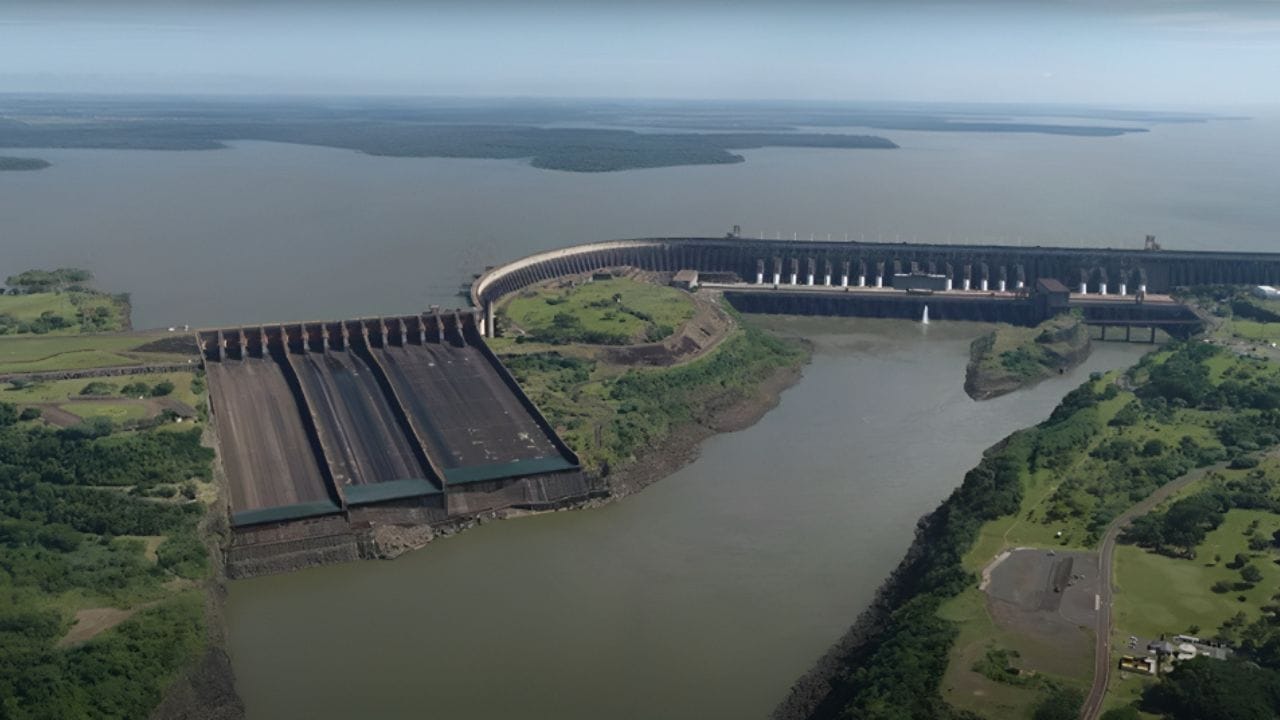
Itaipu Dam Is an Example of How Engineering, Innovation, and International Collaboration Can Result in Transformative Projects. It Not Only Provides Energy for Millions of People but Also Represents a Milestone in the History of Engineering and Cross-Border Cooperation.
The Itaipu Hydroelectric Power Plant, located on the border between Brazil and Paraguay, is not only one of the largest hydroelectric power plants in the world, but also a true masterpiece of modern engineering. Started in the 1960s, when Brazil was known for its rapid growth, the need for a robust source of energy became evident as the population surpassed 70 million.
Given the scarcity of fossil fuels and the high cost of nuclear technology for an emerging country, the solution found was to explore one of the most abundant resources in Brazil: its waters. The Paraná River, the seventh largest in the world, was chosen as the ideal site for the construction of this gigantic hydroelectric power plant.
The Construction of the Itaipu Dam Was Marked by Technical and Political Challenges
Finding a suitable location that had a minimum height of 100 meters and durable rock for the foundation was just the first of them. And of course, there was the need for collaboration with Paraguay, historically an adversary of Brazil. In 1973, the Itaipu Treaty was signed, initiating a historic partnership.
-
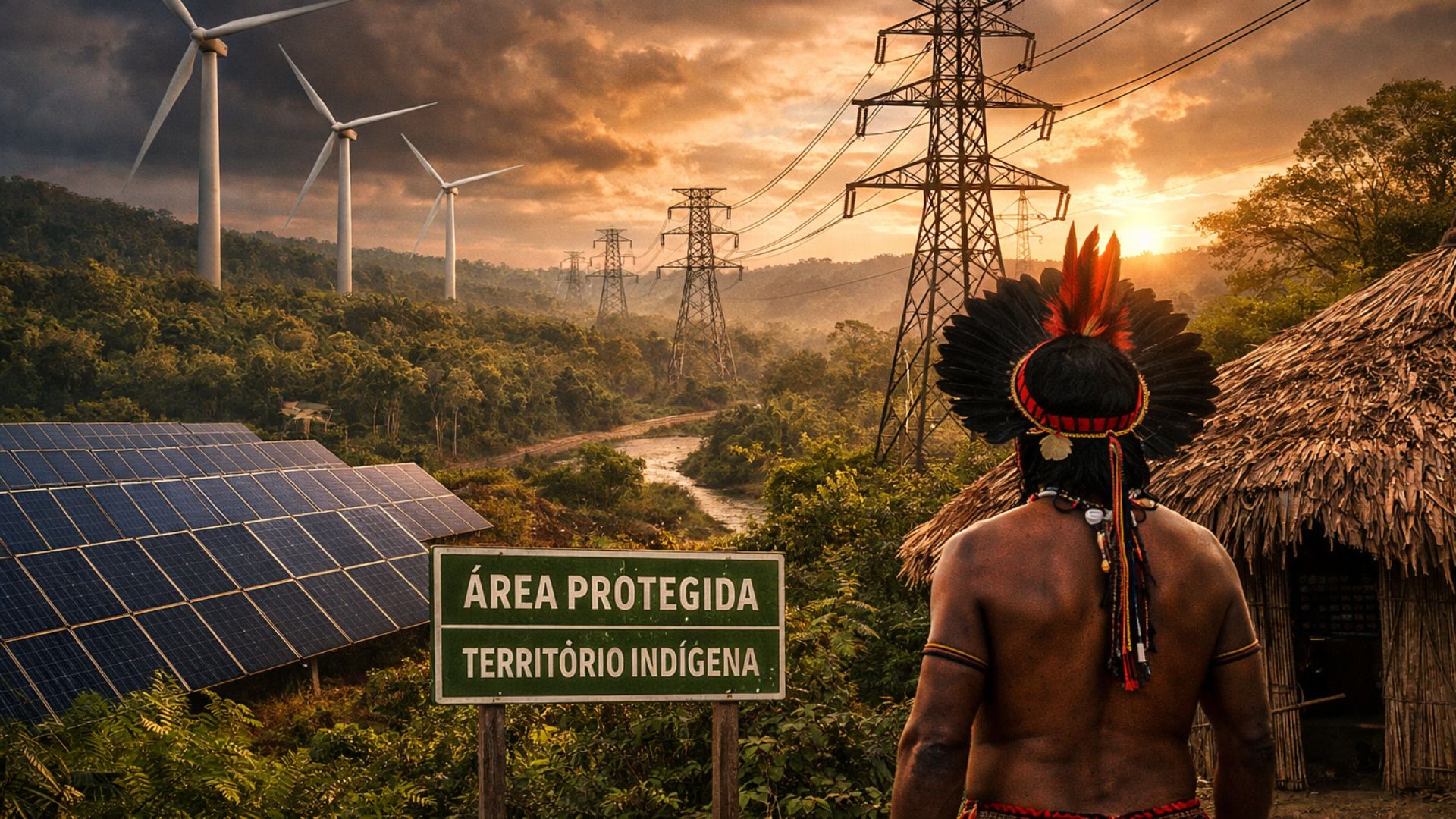
Renewable energy advances over protected areas in Brazil, and a survey by the Energy Transition Observatory reveals silent impacts that challenge environmental conservation and pressure sensitive traditional territories.
-
Rio Grande do Sul accelerates energy transition: State invests in renewable technologies and consolidates decarbonization strategies and pathways to attract billions in new industrial investments.

-
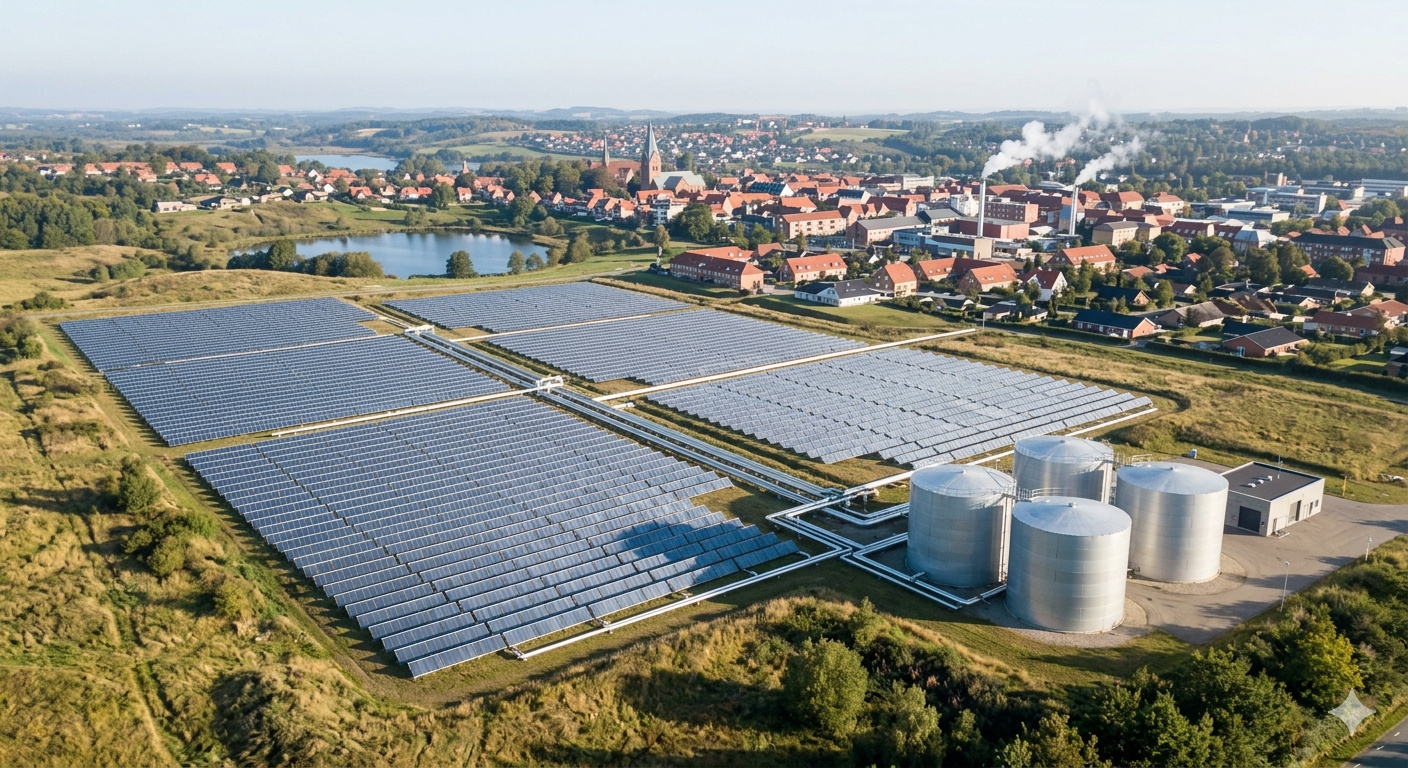
With 160,000 m² of collectors, an area larger than 20 football fields, Silkeborg, in Denmark, hosts a solar thermal plant that heats 19,500 homes and could become the largest solar heating plant in the world.
-
A study reveals the expansion of renewable energy procurement in Brazil and shows how companies are taking advantage of opportunities to reduce expenses, ensure energy efficiency, and strengthen strategic environmental commitments.




Construction began in 1975, with the initial works including the excavation of a diversion canal 2 km long, 150 m wide, and 90 m deep, a colossal undertaking that required the removal of 55 million cubic meters of earth and rock.
The dam was designed with a gravity relief approach, where the water pressure would be resisted by the dam’s own weight. This allowed for the conservation of concrete and the installation of power-generating turbines within the dam itself.
After years of intense work, which included the construction of a giant spillway and the transport of massive turbines from São Paulo to the site, Itaipu Binational finally began operating. In 1991, it became the largest hydroelectric power plant in the world, surpassing the Guri Dam in Venezuela.









Seja o primeiro a reagir!