






 Portuguese
  Spanish
 2 min of reading
  0 comments


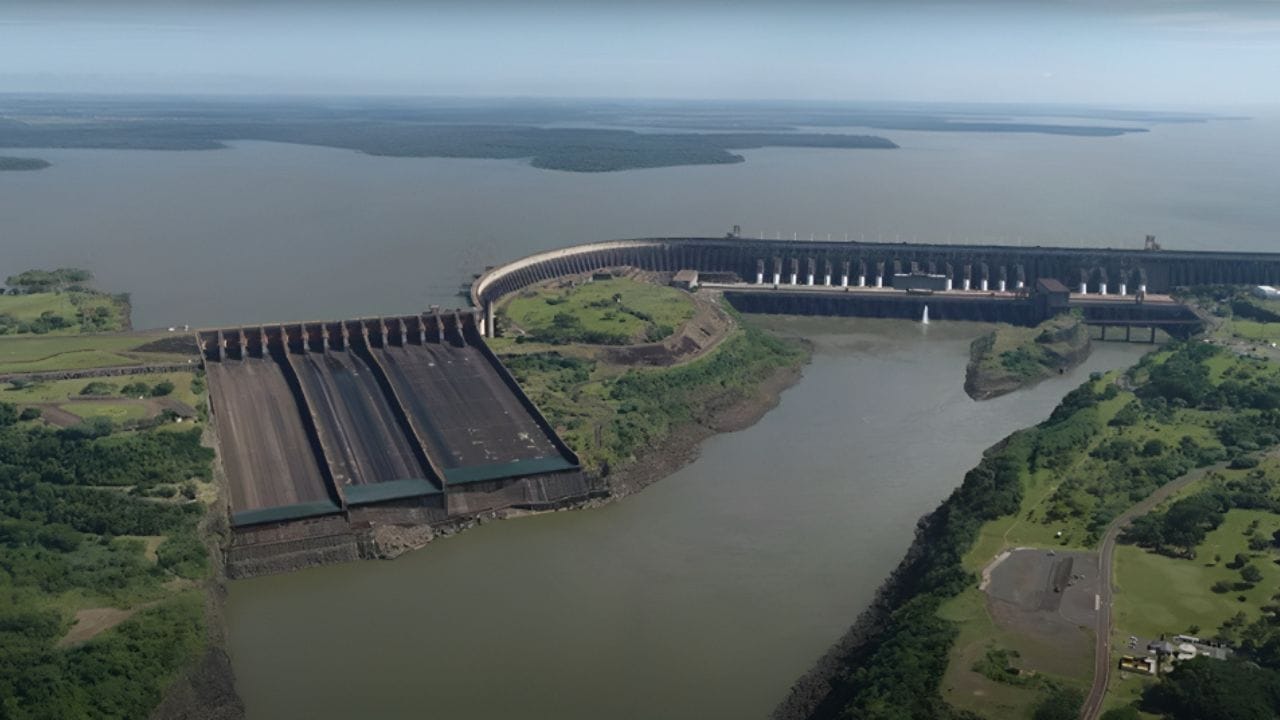
Itaipu Dam Is an Example of How Engineering, Innovation, and International Collaboration Can Result in Transformative Projects. It Not Only Provides Energy for Millions of People but Also Represents a Milestone in the History of Engineering and Cross-Border Cooperation.
The Itaipu Hydroelectric Power Plant, located on the border between Brazil and Paraguay, is not only one of the largest hydroelectric power plants in the world, but also a true masterpiece of modern engineering. Started in the 1960s, when Brazil was known for its rapid growth, the need for a robust source of energy became evident as the population surpassed 70 million.
Given the scarcity of fossil fuels and the high cost of nuclear technology for an emerging country, the solution found was to explore one of the most abundant resources in Brazil: its waters. The Paraná River, the seventh largest in the world, was chosen as the ideal site for the construction of this gigantic hydroelectric power plant.
The Construction of the Itaipu Dam Was Marked by Technical and Political Challenges
Finding a suitable location that had a minimum height of 100 meters and durable rock for the foundation was just the first of them. And of course, there was the need for collaboration with Paraguay, historically an adversary of Brazil. In 1973, the Itaipu Treaty was signed, initiating a historic partnership.
-
Brazilian scientists are simultaneously advancing two research projects on clean hydrogen and driving solutions that could transform the energy matrix, enhance industrial competitiveness, and accelerate large-scale emission reduction targets.

-
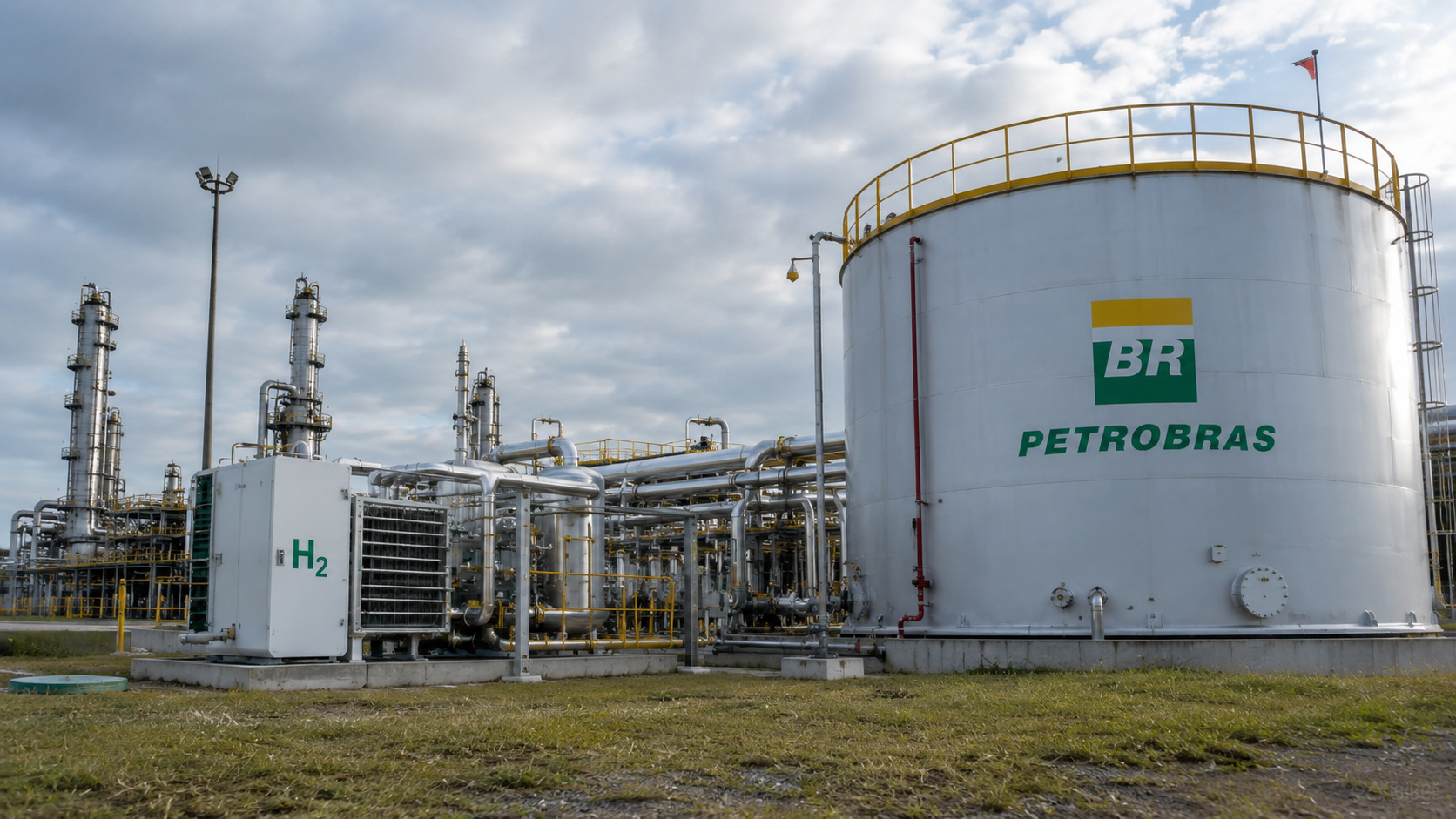
Advancement in renewable energy: A R$ 150 million project launched by Petrobras and Finep aims to create state-of-the-art electrolyzers for green hydrogen, strengthening national research and preparing Brazil to compete in a billion-dollar energy market.
-
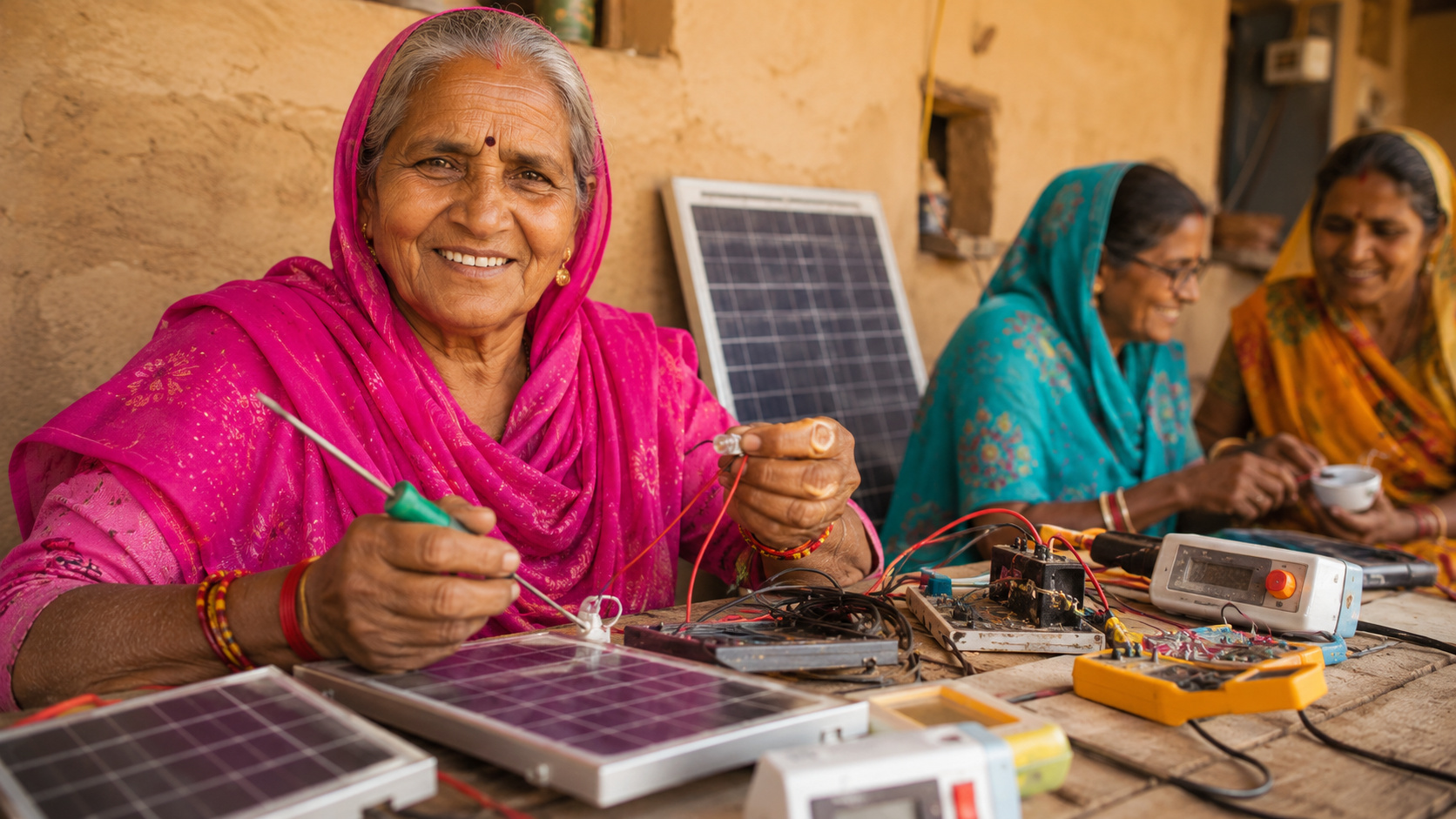
Illiterate or semi-literate grandmothers were trained to repair solar systems, open rural workshops, and light up homes that still depended on kerosene.
-
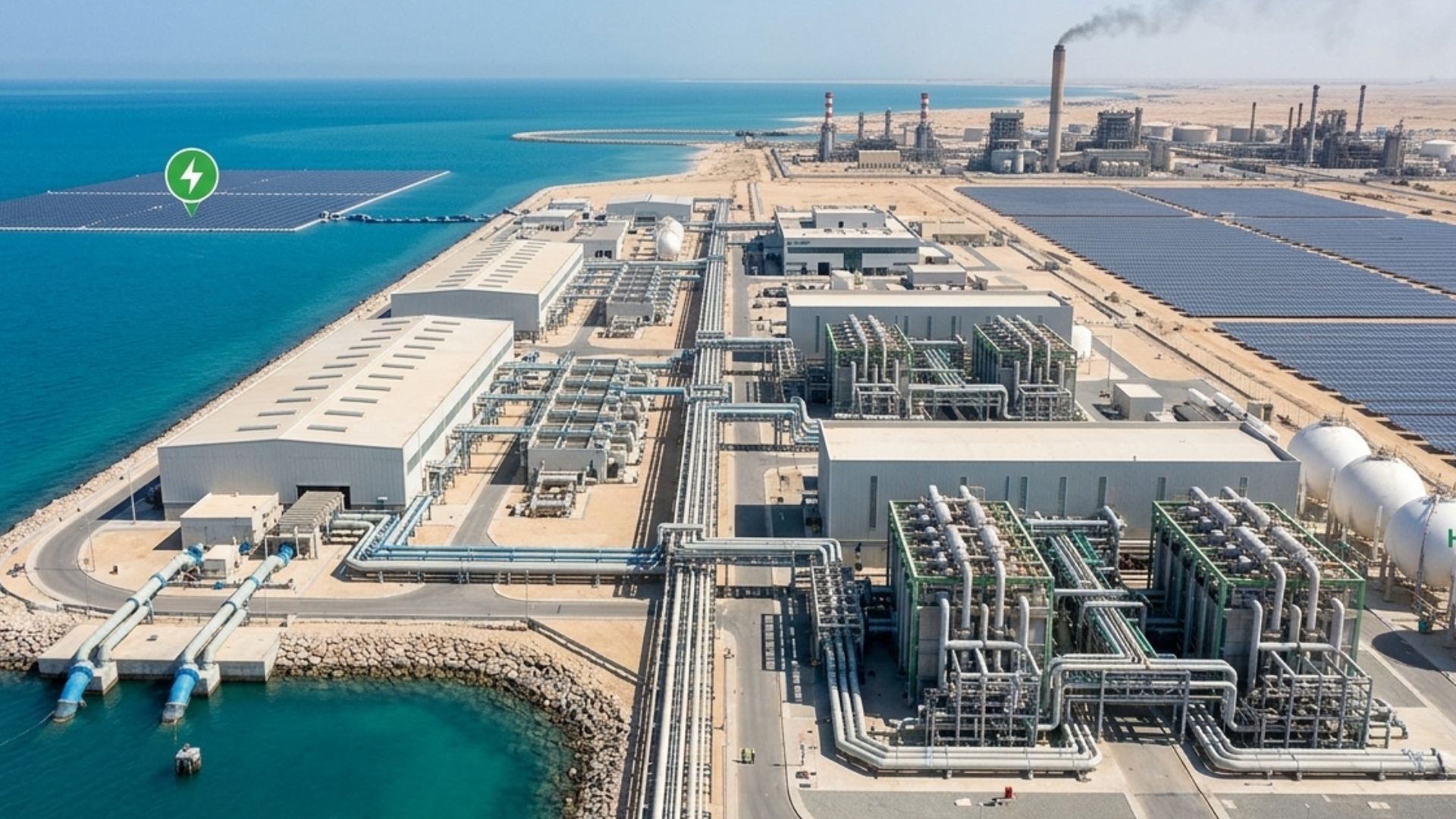
The world has bet on green hydrogen as the fuel of the future, but now faces the side effect: producing 1 kilogram requires about 9 liters of ultrapure water, and the largest projects on the planet are precisely in the driest regions of the Earth, where water is already scarce for people.




Construction began in 1975, with the initial works including the excavation of a diversion canal 2 km long, 150 m wide, and 90 m deep, a colossal undertaking that required the removal of 55 million cubic meters of earth and rock.
The dam was designed with a gravity relief approach, where the water pressure would be resisted by the dam’s own weight. This allowed for the conservation of concrete and the installation of power-generating turbines within the dam itself.
After years of intense work, which included the construction of a giant spillway and the transport of massive turbines from São Paulo to the site, Itaipu Binational finally began operating. In 1991, it became the largest hydroelectric power plant in the world, surpassing the Guri Dam in Venezuela.




Be the first to react!