





 Portuguese
  English
  Spanish
  5 min of reading
  1 comment


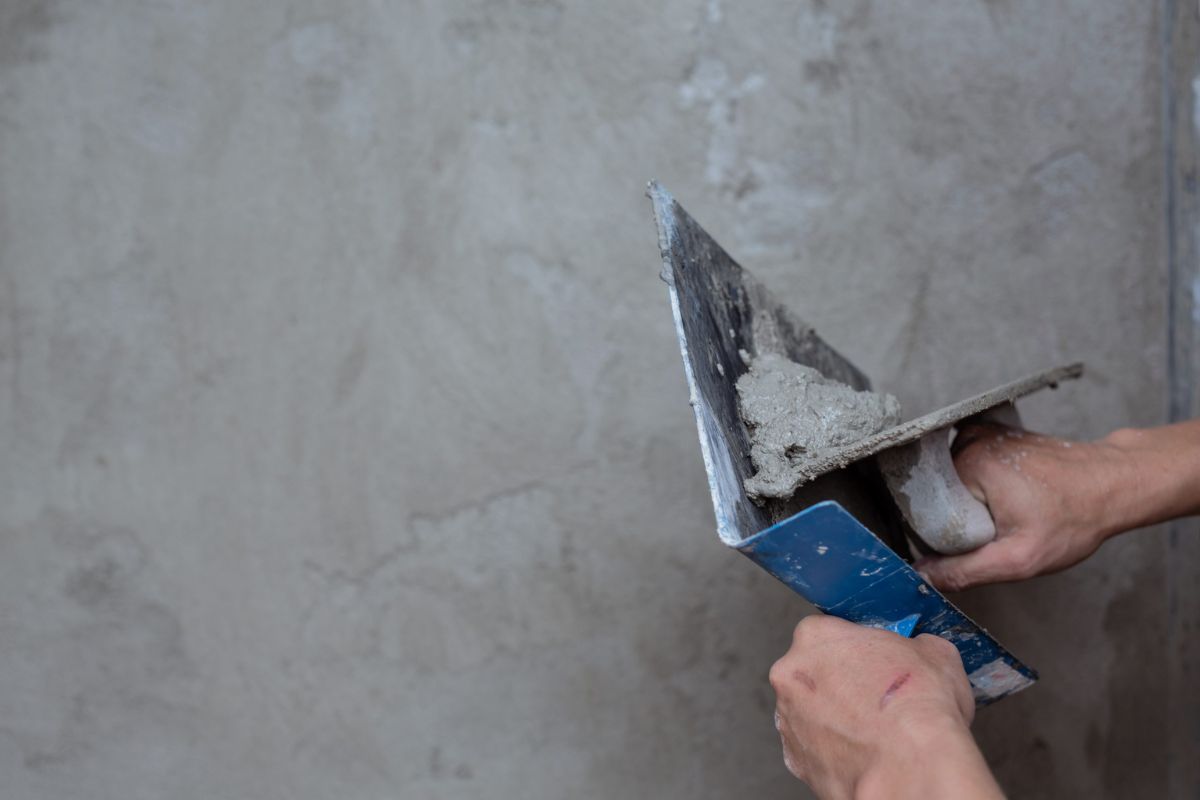


Instead of Panels, Profiles, and Long Works, Burnt Cement Applied to the Ceiling Appears as a Low-Cost Solution for Those Facing Mold, Stains, and Frequent Maintenance, Especially in Humid Areas, Maintaining Contemporary Aesthetics, Quick Drying Between Coats, and a Durable Finish That Enriches Environments Without Excesses in Real Life.
The burnt cement has gone from the floor to the ceiling because it combines two demands that often conflict in any construction: economy and visual result. Instead of a structure with multiple stages, it can be applied over existing ceilings or plaster, reducing interventions and shortening the journey between the start of the renovation and the space ready for use.
In practice, the change catches the attention of those renovating an apartment, old house, or newly delivered property and seeks to resolve aesthetics, maintenance, and humidity at the same time. The most significant promise is simple: less headache with mold and swelling, more visual continuity, and a sophisticated appearance finish without relying on expensive solutions to look well-executed.
Why Burnt Cement Became the Protagonist in Ceilings

For years, the ceiling was treated as a “technical” part of the house, almost invisible in the final design. With the advancement of ready-made mixtures with a mineral effect, burnt cement has taken on this space with a different role: in addition to covering, it composes the aesthetic language. The ceiling ceases to be a neutral plane and becomes an element of identity, especially in contemporary and industrial proposals.
-
Congonhas receives the monorail promised for the 2014 World Cup after more than a decade of delays and becomes the first airport in Brazil with integrated subway.

-
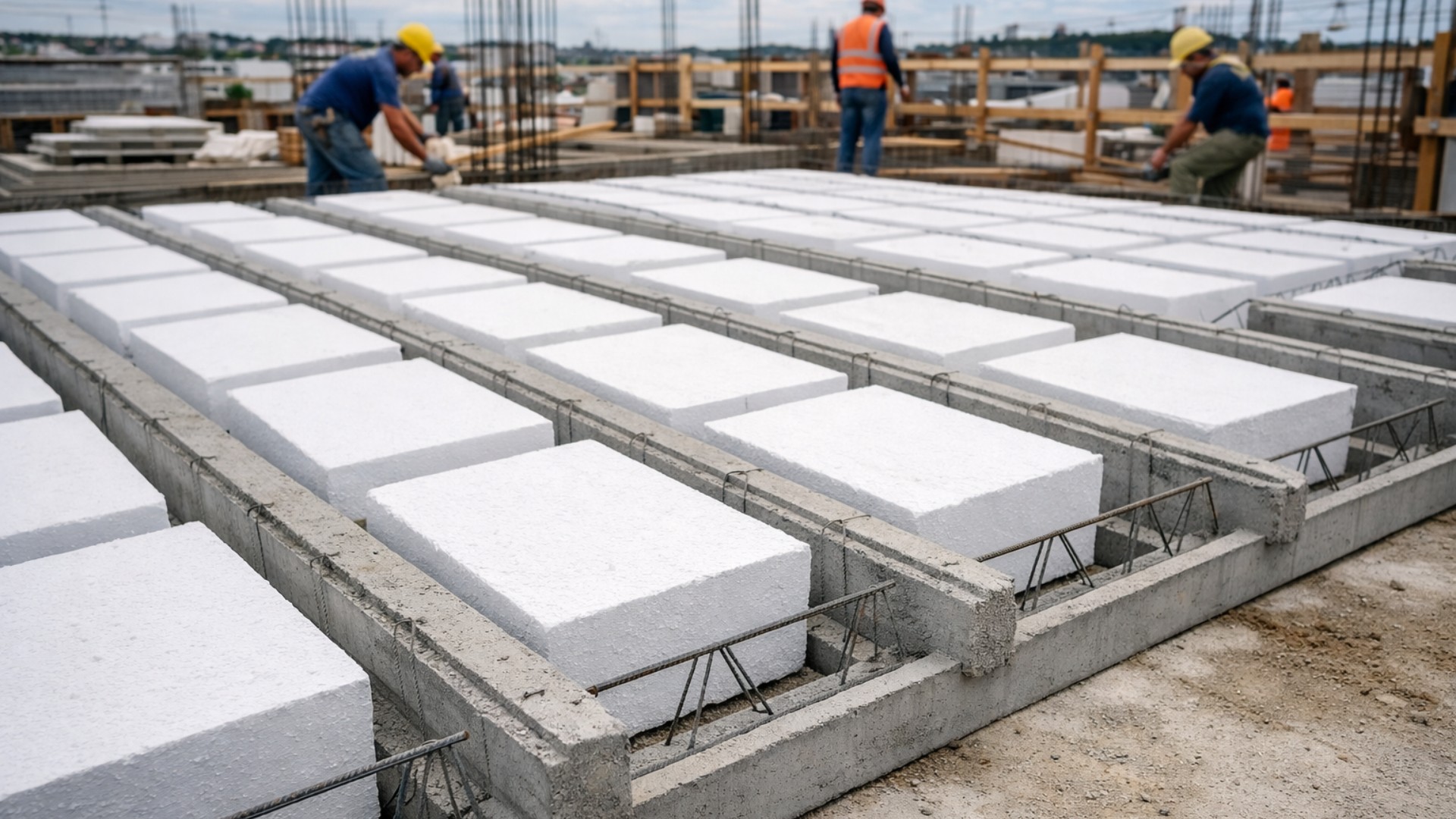
Goodbye, concrete: a new trend in civil construction reduces the weight of the structure by up to 30%, accelerates projects by up to 40%, cuts costs on steel and labor, and improves thermal insulation with EPS.
-
Russian engineers create an innovative propeller blade for aircraft that could completely change the way airplanes and helicopters operate.

-
Couple finishes building PVC chalet on the beach on the last day, with air conditioning and curtains, but discovers the bathroom drain is inverted: water escapes from the drain, risking breaking the floor, and the rush continues before the trip.

Another decisive factor is the overall cost of the intervention. Conventional systems, such as drywall, require structure, cuts, fixings, and a more specialized team. In contrast, burnt cement tends to simplify the process when the substrate is suitable because it works in layers, with direct application and fewer components. When the work eliminates stages, it typically also eliminates indirect costs.
How the Application Works in the Day-to-Day Renovation

The execution usually begins with cleaning, correcting specific flaws, and minimal surface leveling. Then, the layers of the mixture are applied with a spatula, respecting drying times between coats. In some formulations, the interval can be short, with drying taking around 10 minutes per coat, significantly speeding up the pace of the work compared to more assembled methods using pieces.
This time gain changes the planning for those living in the property during renovation. Kitchen, bathroom, hallway, or living room can be organized in stages, without a heavily laid-out front work. In this context, burnt cement becomes an operational choice, not just aesthetic: less logistics for materials, less assembly, and a simpler transition between preparation, finishing, and final cleaning.
Humidity, Mold, and Infiltration: Where the Technique Delivers More Value

The discussion about ceilings almost always begins with humid areas. Bathrooms, laundry rooms, and kitchens concentrate steam, thermal fluctuations, and a higher risk of stains. This is where burnt cement gains strength due to its resistance to humidity, especially when it receives a water-repellent sealant. Water tends to flow rather than penetrate easily, reducing the classic scenario of bubbles, peeling, and dark marks on the ceiling.
But there is a technical point that needs to be addressed clearly: finishing does not replace correcting the source of the infiltration. If there is an active pipe leak or structural problem, repair comes first.
The best result of burnt cement appears when it is used as a finishing solution over a healthy base, reinforcing protection and facilitating maintenance, not masking a chronic defect.
How Much it Weighs on the Budget and Maintenance Over Time
Those who compare alternatives usually only look at the price of the material, but the real impact lies in the whole: material, labor, idle time, and future maintenance.
By dispensing with part of the typical structure of traditional ceilings, burnt cement often reduces the total cost of renovation in many scenarios, especially when the existing base allows for direct application without extensive rework.
After the work, the calculations remain favorable for those seeking practical routines. Cleaning with water and mild soap, good resistance to temperature variations, and less sensitivity to humidity make daily life less costly. Instead of entering a cycle of frequent repairs, the resident tends to have a stable ceiling for longer, with punctual and predictable interventions.
Where the Industrial Look Works Best and Why
The finish of burnt cement pairs well with neutral palettes, wood, metal, pendant lighting, and light tracks but does not get stuck in pure industrial style. In minimalist environments, it creates a continuous backdrop that enhances furniture and objects. In rustic proposals, it brings controlled contrast and a sense of modernization without overshadowing the home’s personality.
There is also an important gain in space perception: when the ceiling receives a uniform texture, the eye moves through the environment more fluidly. Small imperfections of the ceiling become less evident, and the overall composition appears more organized.
It is not a decoration trick, but a visual reading strategy: less noise above, more emphasis on volume, light, and circulation.
What to Evaluate Before Making the Decision
Before choosing, it’s worth mapping the real state of the ceiling and the usage of the room. Areas with recurring humidity demand the correct combination between preparation, product, and sealing.
In dry environments, the decision can focus more on aesthetic language and ease of maintenance. In both cases, testing color and texture in a small area helps align expectations with the final result.
It is also advisable to define the desired level of finish from the outset. There are smoother versions and those more textured, and this completely changes the final perception of the project. When burnt cement is specified with technical criteria and a clear aesthetic goal, it stops being a trend and becomes a consistent renovation solution.
In the end, the choice for burnt cement on the ceiling does not just answer the question “does it look good?”, but also “does it resolve what bothers in the daily routine of the house?”.
Considering your scenario, which environment most needs this change today: bathroom, kitchen, laundry room, or living room? And in your budget, would you prioritize cost-saving construction, less maintenance, or immediate visual impact?









Desejo aplicar cimento queimado num piso de 90 m², sobre piso cerâmica, aplicado há uns 15 anos.
É aconselhável e, se sim, quais as dicas?