





 Portuguese
  English
  Spanish
  4 min of reading
  0 comments


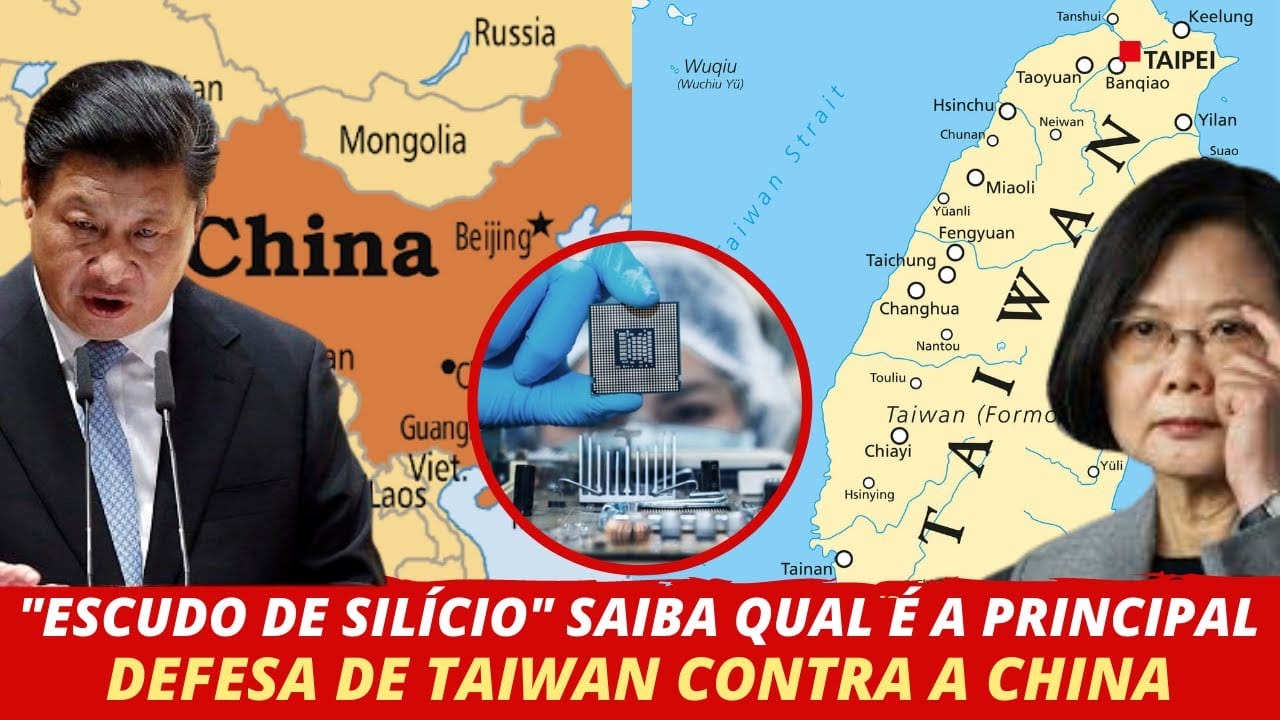
Discover How Taiwan Uses Its Position as Leader in Silicon Semiconductor Chips to Protect Itself from Possible Chinese Invasion.
Taiwan, the island located just 180 km from the People’s Republic of China, constantly looks towards its eternal enemy, with whom it shares the same language and ancestors, but has a different political regime. The dispute between China and Taiwan since 1949 has deprived the latter of access to international organizations and granted it an undefined status and limited international recognition. However, after years of hostilities and tensions, Taiwan has found a strategy that aids in its national survival in this highly asymmetric conflict and has managed to stave off the specter of a Chinese invasion: the so-called “Silicon Shield.”
The Silicon Shield
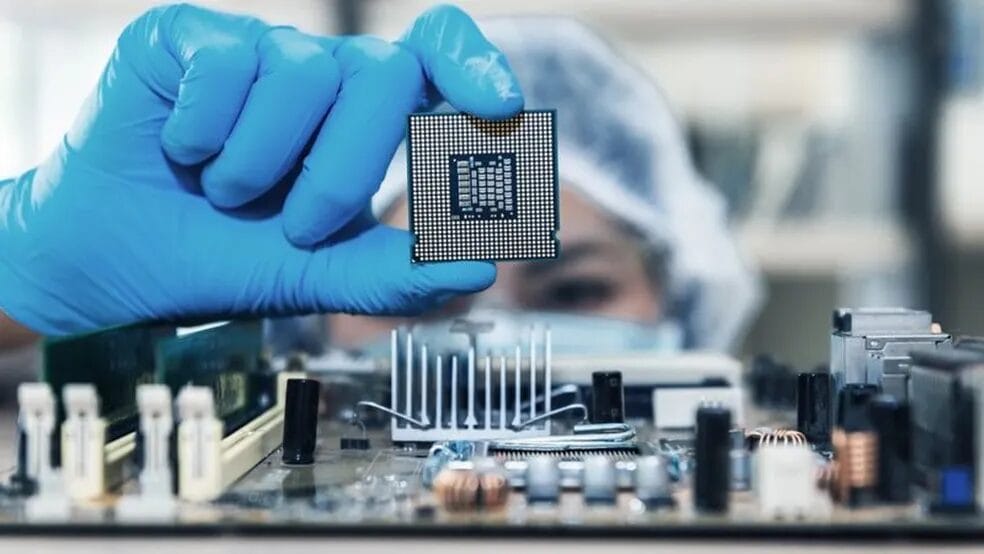
The so-called Silicon Shield is related to Taiwan’s position as the world’s leading manufacturer of advanced semiconductor chips, which, according to some analysts, could be crucial in deterring a Chinese invasion. Taiwan represents 92% of the global production of semiconductor process nodes below 10 nanometers, becoming the main supplier of chips that power the world’s most advanced machines, from Apple iPhones to F-35 fighter jets.
Moreover, Taipei’s Silicon Shield puts a lot at stake for China. Although Chinese President Xi Jinping has committed to recovering the autonomous island by force if necessary, Beijing relies heavily on Taiwanese technology to boost key industries that it trusts to double its gross domestic product by 2035. The concept of the Silicon Shield means that any military action by the China in the Taiwan Strait would inflict significant damage equally on the Asian giant as well as on the small island, or even on the United States, its shadow ally.
-
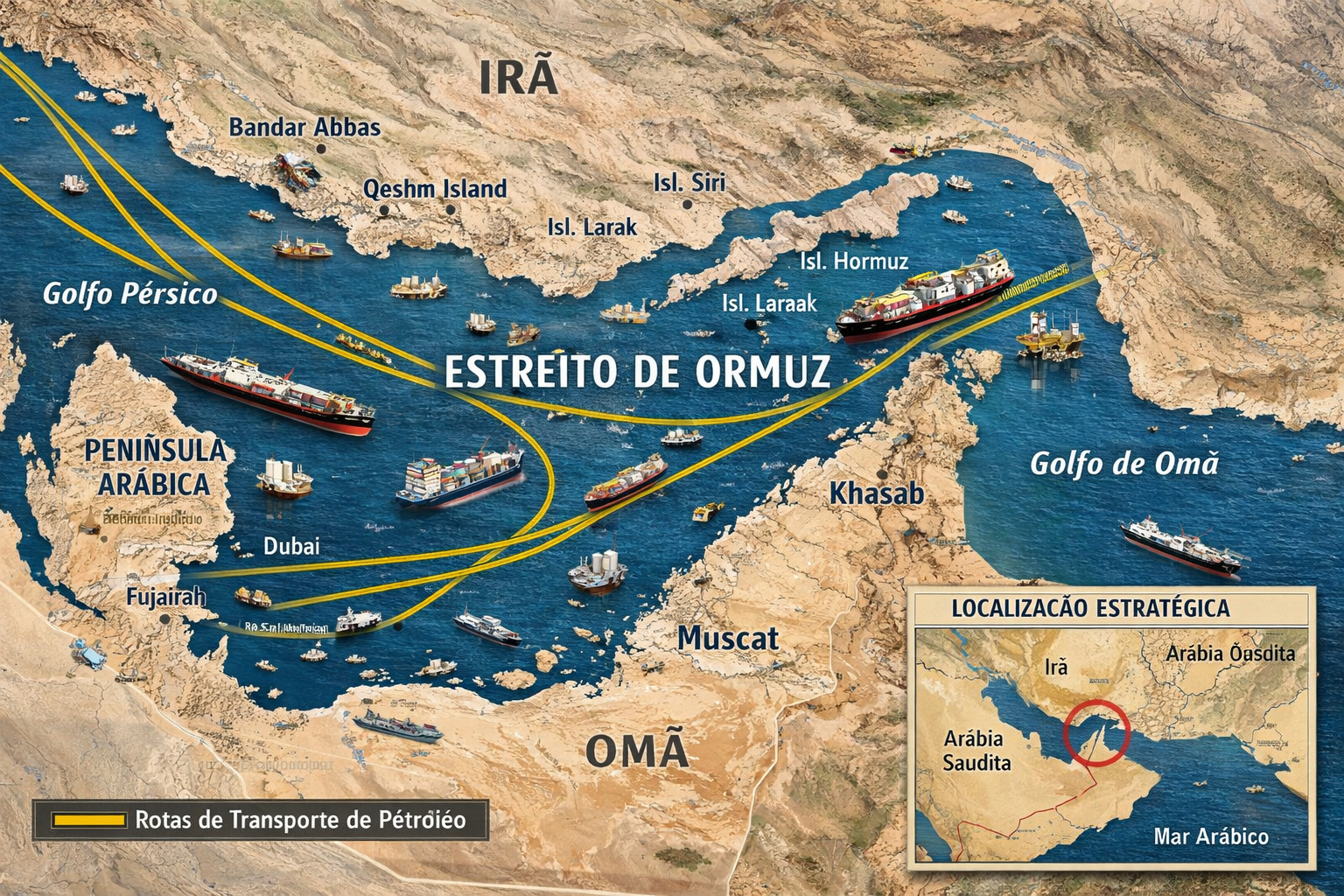
Global summit with over 40 countries pressures Iran for a blockade in the Strait of Hormuz and warns of direct impact on oil, food, and the global economy.
-
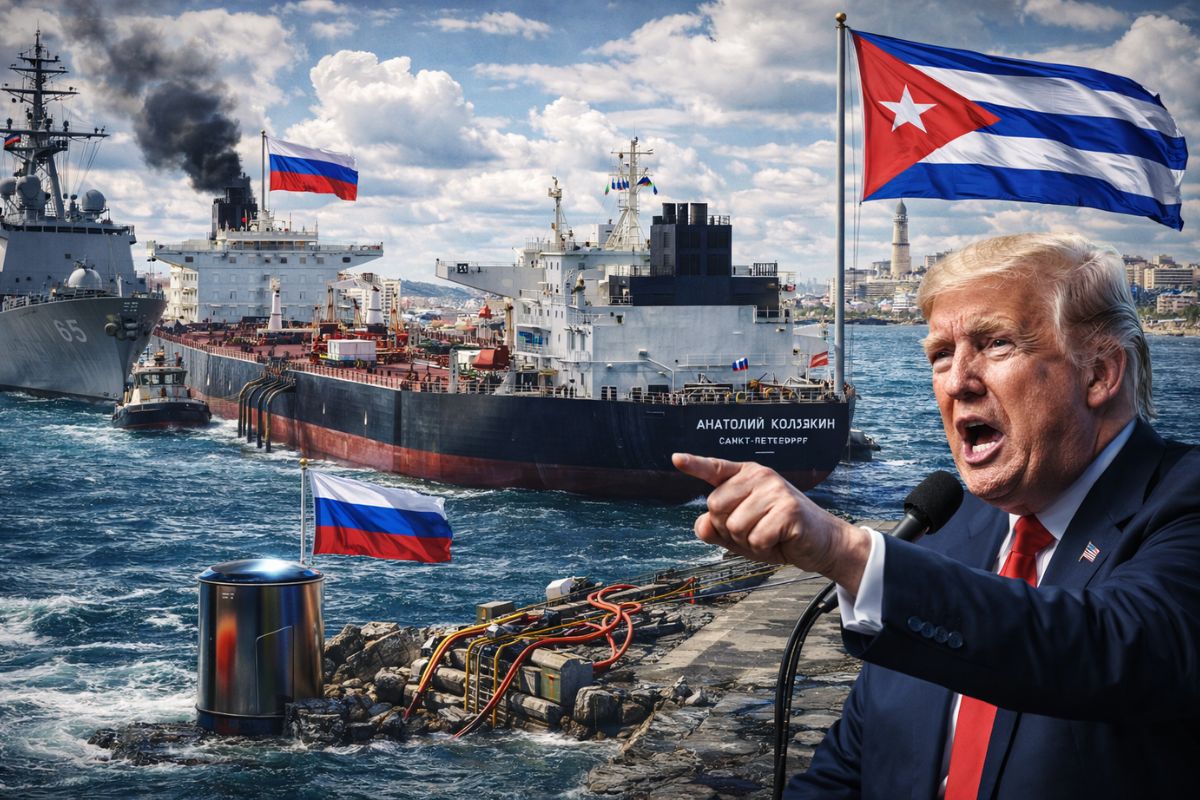
Russia has broken the U.S. maritime blockade to send oil to Cuba and is now loading a second ship while Trump says that “Cuba is next” in a possible military action against the island.
-
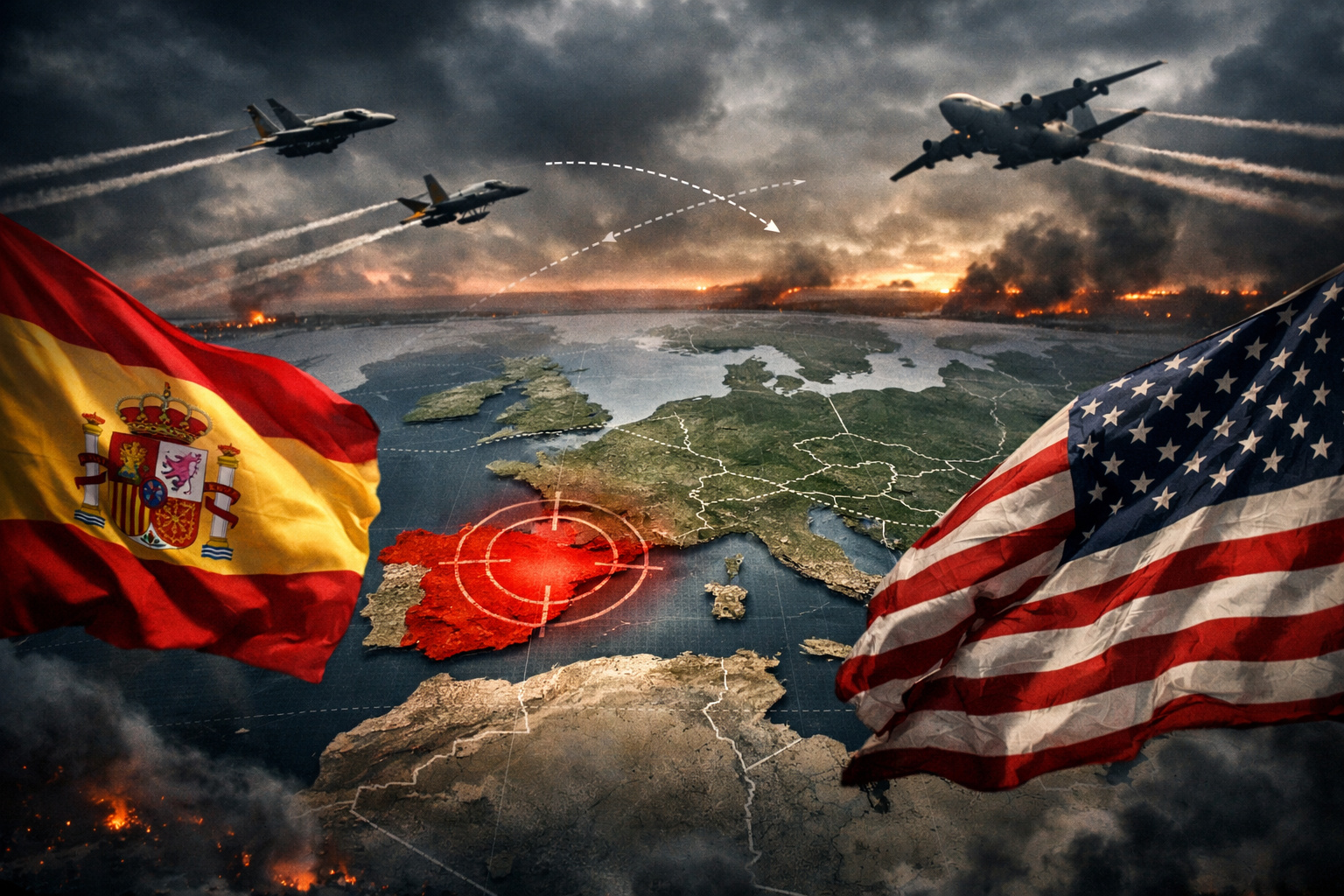
Spain challenges the USA and closes its airspace for operations against Iran, raising global tension and provoking the threat of a trade rupture.
-
While no other country manufactures tanks in Latin America, Argentina activates the TAM 2C-A2 and raises a curiosity about the technological lag in the region.

Thus, the small territory protects itself with silicon, avoiding an armed conflict that could come at a very high cost for Xi Jinping’s government. Just a one-year disruption in the supply of Taiwanese chips would cost global tech companies approximately US$ 600 billion, according to a study conducted by the Boston Consulting Group. In the event of the destruction of its manufacturing base in a war, rebuilding production capacity elsewhere would take at least three years and US$ 350 billion, according to the study.
Journalist Great Addison, who coined the term “Silicon Shield” with the publication of his book “If You Read, You Get,” points out that it is similar to the concept of “mutually assured destruction,” because any military action in the Taiwan Strait would be as damaging to China as it would be to Taiwan and the United States.
Role of Semiconductor Companies
What is the role of semiconductor companies in this geopolitical balance? SMIC, or Taiwan Semiconductor Manufacturing Company, tried to be the “Switzerland” of the chip industry, meaning to remain neutral. But that strategy has come to an end. The company had to side with the United States in the trade war with China, accepting the sanctions imposed by Washington on the Chinese tech giant Huawei Technologies.
In fact, SMIC did not have many options, as most of its customers are in North America. Its sales come from companies like Apple, Nvidia, and Qualcomm, and only 17% of its sales this year were to China, including Huawei.
The importance of silicon was demonstrated this year when the automotive industry had to temporarily close factories worldwide due to a shortage of microchips. Both China and the United States, Europe, or Japan want to stop relying on Taiwanese chips by building factories in their territories, but that solution will not arrive in the short term, while the Silicon Shield continues to protect the island from a giant of 1.3 billion people.
Taiwan’s Silicon Shield has proven to be an effective strategy to protect against a possible Chinese invasion. Taiwan’s position as a global leader in the manufacture of advanced semiconductor chips gives it a deterrent power and creates a geopolitical balance in the region. Although there are challenges and pressures to reduce dependence on Taiwanese chips, the Silicon Shield will continue to be a guarantee for Taiwan’s national security for the foreseeable future.








Seja o primeiro a reagir!