





 Portuguese
  English
  Spanish
 3 min of reading


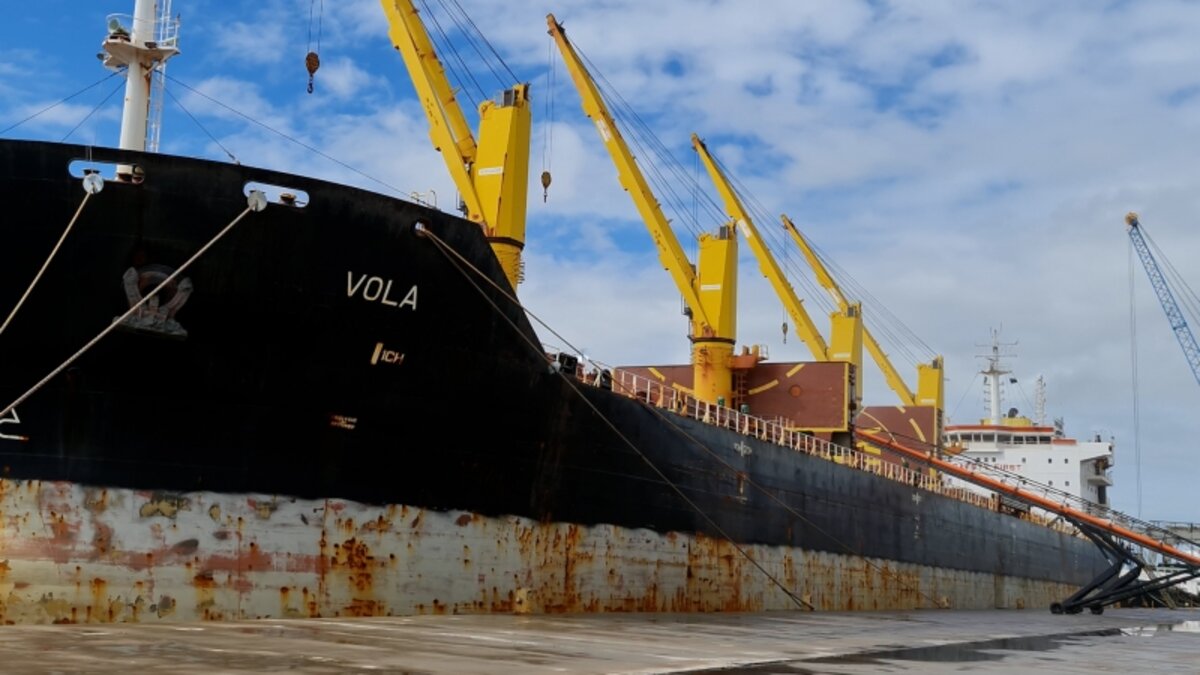
The Main Objective of the Authorization for Permanent Dredging Works in the Access Channel of the Port of Rio Grande, Recently Announced by the CAP, Is to Enable a Greater Draft Year-Round and Ensure More Safety and Efficiency in Port Operations.
The Port Authority Council (CAP) of the Port of Rio Grande, located in the state of Rio Grande do Sul, recently announced the authorization of permanent dredging works in the access channel to the port complex. In this way, the port complex is advancing in its quest for a greater draft throughout the year and intends to make navigation of large ships more efficient and safe at the site.
Authorization of Permanent Dredging Works in the Access Channel of the Port of Rio Grande Is Announced by the CAP of the Rio Grande do Sul Complex
This past week was quite positive for the infrastructure of the Port of Rio Grande port complex in Rio Grande do Sul, as the CAP announced the authorization of permanent dredging works in the access channel to the port. This is the largest port complex in the state of Rio Grande do Sul, and the regional port organizations had long claimed for permanent dredging at the site, but their requests had not yet been met.
Thus, Sandro Araújo, representative delegate of Sdaergs (Union of Customs Brokers of the State of Rio Grande do Sul), highlighted the importance of these permanent works and stated that the Port of Rio Grande will now be able to conduct safe navigation year-round with large vessels. Accordingly, the movement of vessels will be expanded in the complex, and consequently, the presence of the Port of Rio Grande in the national port landscape will grow even larger.
-
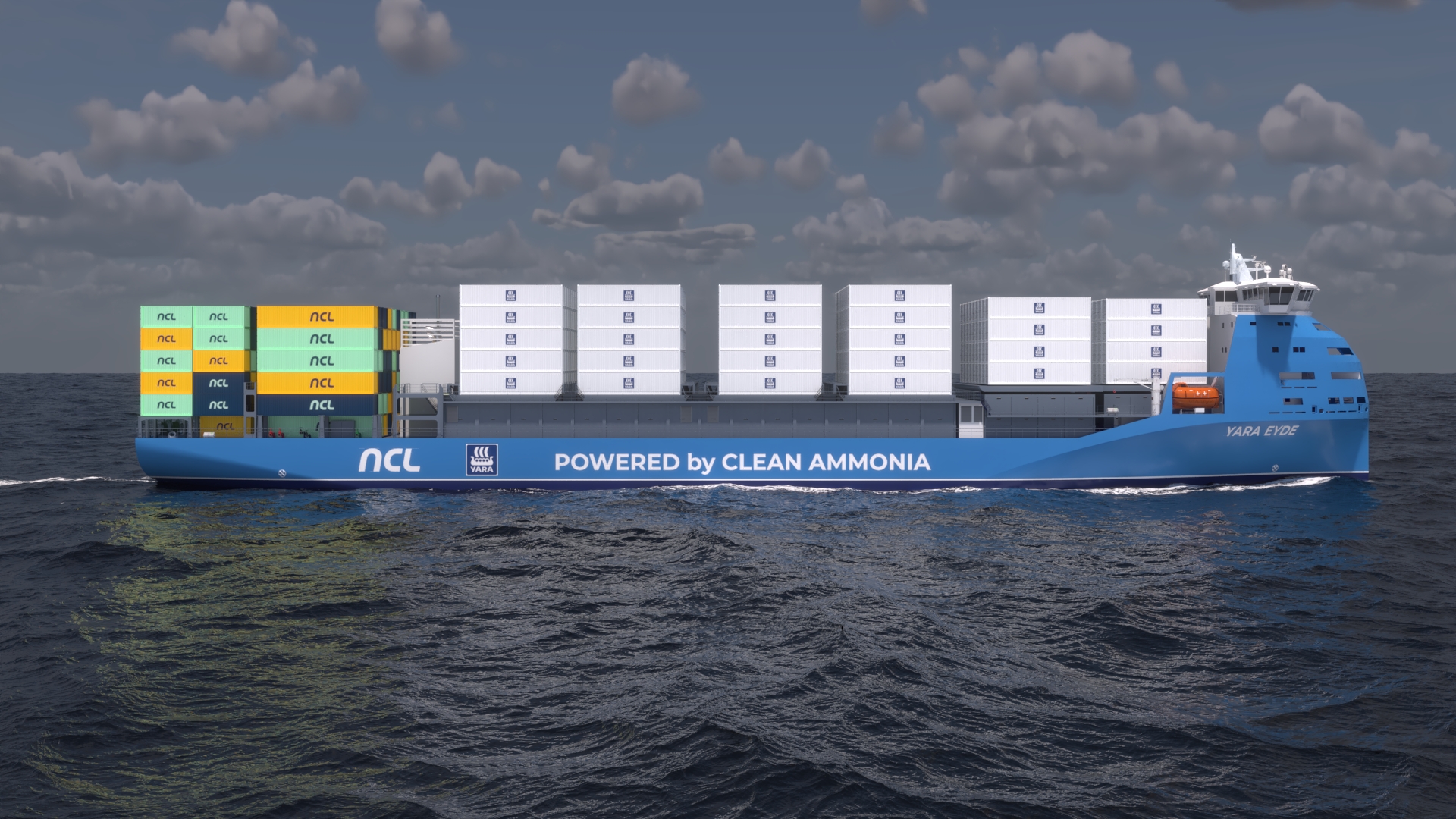
The world’s first container ship powered by renewable ammonia promises to avoid around 11,000 tons of CO₂ per year. The vessel, scheduled to operate in 2026, will connect Norway, Germany, and the Netherlands on one of the shortest and most strategic routes in Europe.
-
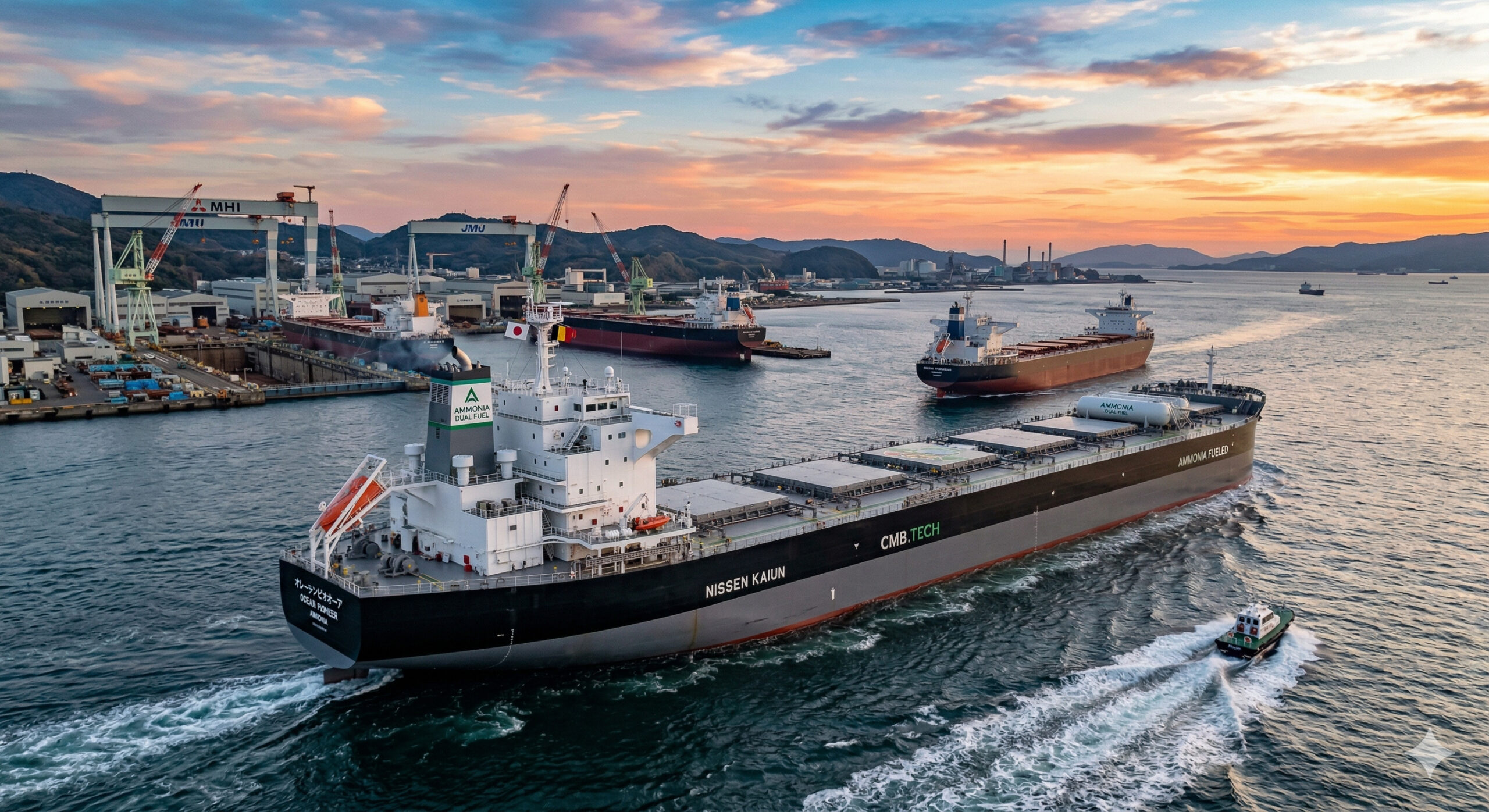
Nine giant ships of up to 210,000 gross tons equipped with dual fuel ammonia engines are being launched by Japan and Belgium. The project includes the world’s first Capesize vessels using this fuel, with contracts of up to 12 years, marking the beginning of a carbon-free ocean fleet starting in 2026.
-
Lack of workers and an aging population: Japan bets on AI robots in factories, logistics, and infrastructure to keep the economy and essential services active.

-
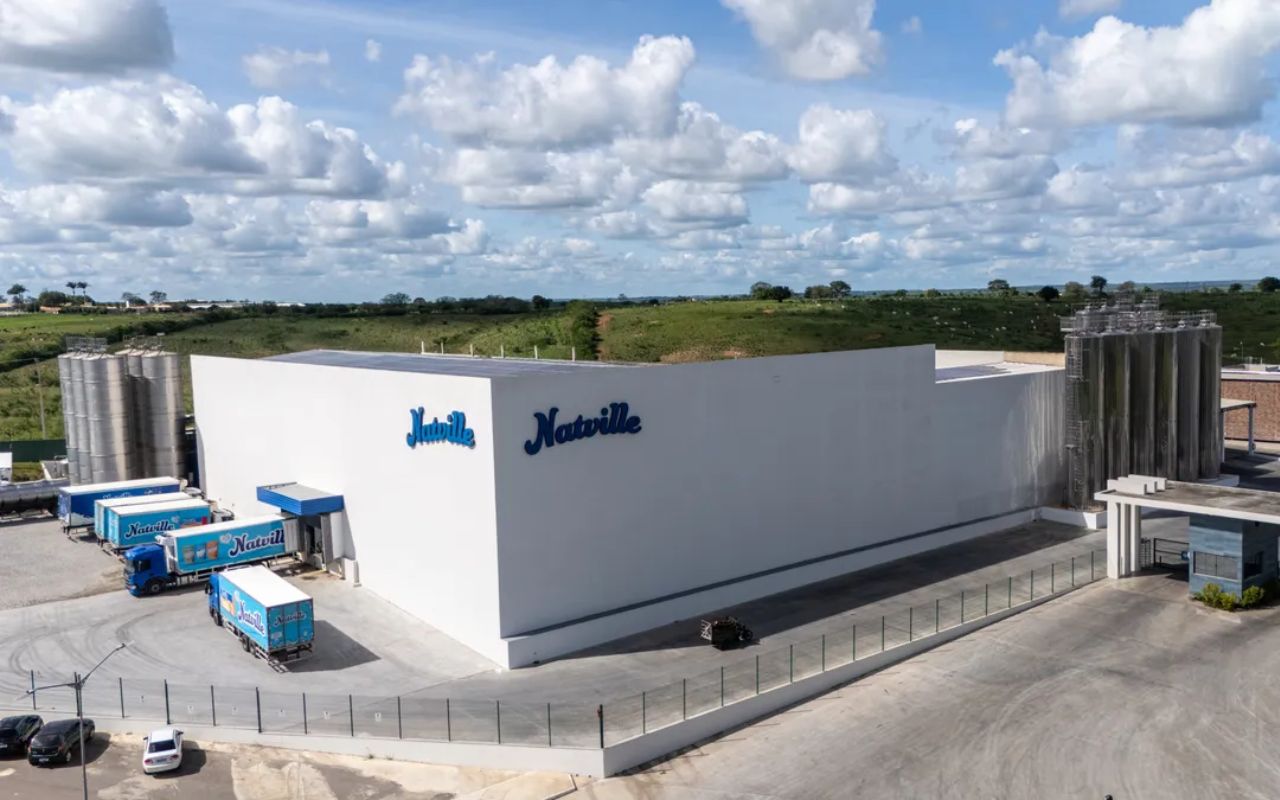
Natville puts R$ 700 million on the table for new factories in the Northeast, generating jobs and boosting the local economy.
The meeting to announce the authorization by the CAP for the permanent dredging works in the access channel included representatives from the port sector across the state, including the leaders of Portos RS, which manages the main ports of Rio Grande, Porto Alegre, and Pelotas, which hosted the gathering.
So far, dredging works had been carried out sporadically in the access channel to the port, which resulted in a draft reduction for much of the year, preventing some cargo handling operations with large ships.
Cargo Movement in the Port Complex Will Be Expanded With Permanent Dredging Works in the Access Channel, Recently Authorized by the CAP
The authorization of permanent dredging works in the Port of Rio Grande, recently announced by the CAP, was celebrated by representatives of the southern port sector. Thus, Sandro Araújo, representative delegate of Sdaergs (Union of Customs Brokers of the State of Rio Grande do Sul), emphasized that “with continuous services, the draft will always remain suitable for the docking of larger vessels, carrying more products. The cost will be covered by Portos RS, which manages the Port of Rio Grande.”
In addition, he highlighted that the private terminals of the port, such as Tecon, intend to take advantage of the works carried out by the dredger in the access channel to use them in deepening their own areas. Thus, the entire Port of Rio Grande will have its infrastructure expanded to better meet the loading operations with large vessels efficiently and qualitatively.
Finally, the representative commented on the possibility of facilitating the project for the expansion of cargo transportation from Uruguay, via waterways through the lagoons of Patos and Mirim, to the Port of Rio Grande. This is a long-standing desire of the population and could significantly contribute to the socioeconomic growth of the state, as trade between the regions would be expanded.









Seja o primeiro a reagir!