





 Portuguese
  English
  Spanish
  5 min of reading
  1 comment


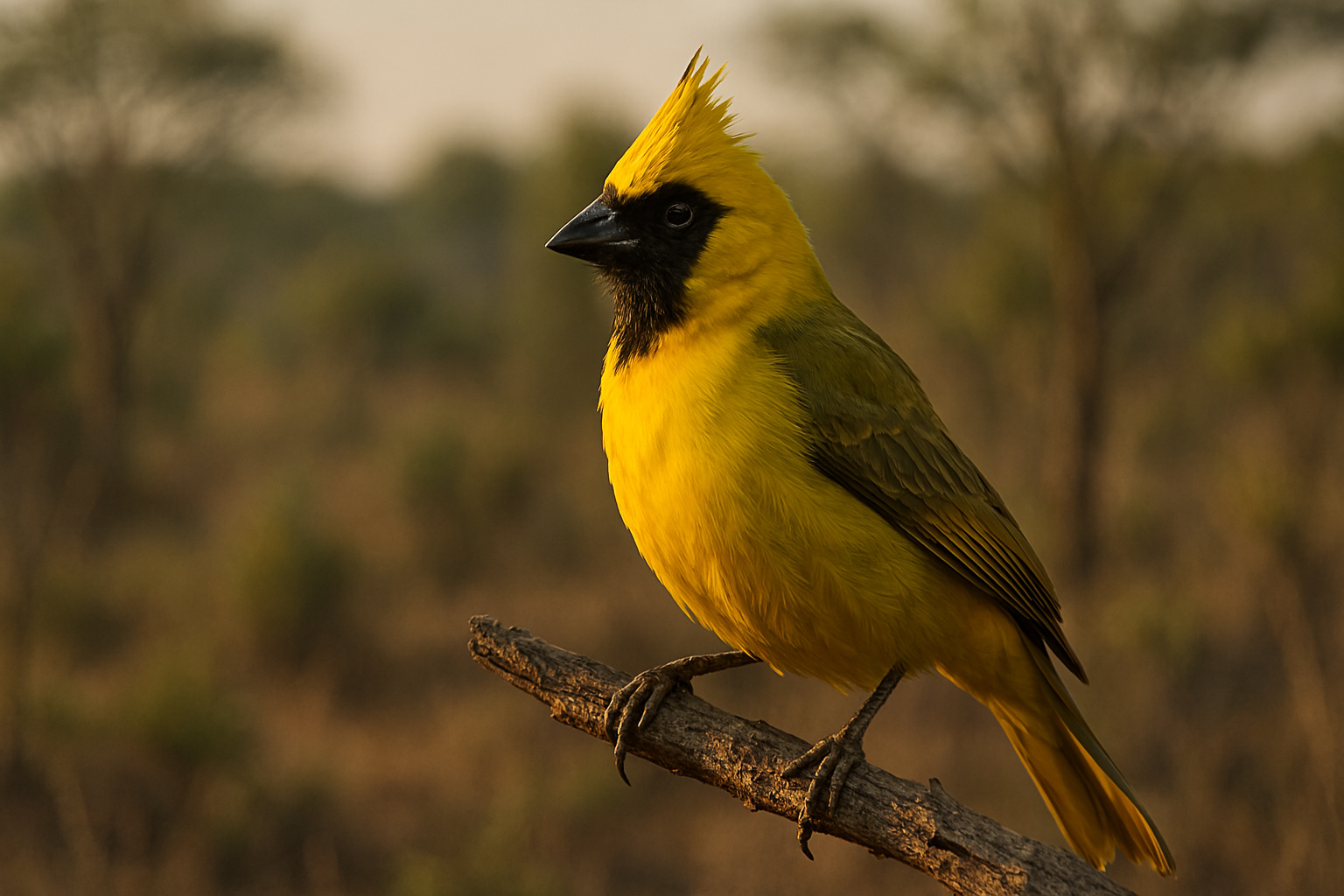


Rare and Endangered, the Yellow Cardinal Reappears in Brazil, Breeds Again Under Scientific Monitoring and Reignites the Fight Against Trafficking and Habitat Loss.
For years, silence in old occurrence areas seemed definitive. The yellow cardinal, one of the most emblematic and threatened birds in Brazil, had simply disappeared from entire stretches of the national territory. The prolonged absence of records led researchers to treat the species as locally extinct in various regions. This scenario began to change when recent monitoring confirmed something that seemed unlikely: individuals were observed again, singing, defending territory, and, more importantly, breeding once again in a natural environment.
The reappearance does not mean full recovery. On the contrary. It highlights how fragile the survival of the yellow cardinal still is in the country and why the species has become a living symbol of the crisis of Brazilian biodiversity.
A Bird That Almost Disappeared from the Map
The yellow cardinal has always been a bird with a restricted occurrence. It inhabits natural fields, open areas, and vegetation mosaics in southern Brazil, especially in Rio Grande do Sul, as well as parts of Argentina, Uruguay, and Paraguay. It has never been an abundant species, but its situation worsened dramatically throughout the 20th century.
-
INMET danger alert: heavy rains between the 3rd and 4th may drop up to 100 mm/day and winds of 60 to 100 km/h in several regions of Brazil require extra caution.
-
The parts crisis may bring back the drop notch and microSD in 2026; while Windows 11 promises to become lighter, leaks mention batteries of up to 10,000 mAh and 200 MP cameras.

-
In Kenya, engineer Nzambi Matee created “bricks 2.0” using packaging plastic: a mixture with sand, heated and pressed; they are 5 times more resistant, already have official licensing, and are being used in streets and construction projects.

-
More than 20,000 positions could be opened, and thousands of technicians are starting to be trained in Brazil, as the expansion of data centers creates an urgent race for professionals to keep the internet, cloud, and artificial intelligence running 24 hours a day.




Two factors were decisive for the population collapse. The first was the destruction and fragmentation of habitat caused by agricultural expansion, conversion of natural fields into crops, and intensive forestry. The second, even more devastating, was the trafficking of wild birds. The yellow cardinal, known for its powerful song and striking coloration, became a preferred target of illegal trade, being captured on a large scale for keeping in cages.
The result was a population decline so steep that, in some areas, more than ten years passed without any confirmed record of the species.
The Return Detected by Science, Not by Chance
The reappearance of the yellow cardinal did not occur by luck. It is the result of years of systematic monitoring, cross-referencing field data, qualified reports from observers, and the use of modern conservation methodologies. Researchers began to use targeted listening, automatic cameras, and monitoring of potential breeding areas.
The first signs came from isolated sightings. Then, acoustic records confirmed that it was not a case of wandering individuals.
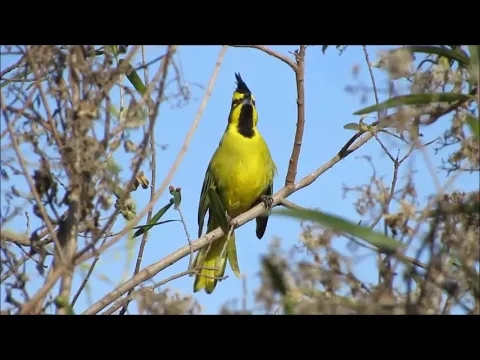
The most important step occurred when active nests were identified and chicks confirmed. Breeding in the wild is the main indicator that the species still maintains biological viability, even under enormous pressure.
These events began to be closely monitored by technical teams, with strict protocols to avoid excessive human interference and reduce risks of predation and illegal capture.
Breeding Under Constant Monitoring
The return to breeding does not mean that the yellow cardinal is safe. Each identified nest effectively becomes a critical conservation area. The monitoring involves delineating exclusion zones, surveillance against traffickers, and, in some cases, environmental education actions with surrounding communities.
The reproductive success rate is still considered low, reflecting very reduced populations, difficulties in finding partners, and ongoing environmental pressure. In species with small populations, any loss of a nest represents a disproportionate impact on the genetic future of the group.
Therefore, current programs prioritize not only the protection of individuals but also the maintenance of ecological corridors that allow for dispersal, genetic exchange, and gradual expansion of the occupied area.
The Threat Status and the Real Risk of Extinction
The yellow cardinal is classified as critically endangered on official conservation lists. Estimates indicate that the total population comprises only a few hundred individuals across its range, an extremely low number to ensure long-term stability.
Species in this condition face additional risks, such as extreme weather events, diseases, fires, and rapid changes in land use. A single negative episode can wipe out years of conservation efforts.

Moreover, trafficking remains a real threat. Even with enforcement, the bird’s rarity increases its value in illegal markets, creating a vicious cycle where the more threatened the species becomes, the more targeted it becomes.
Why the Yellow Cardinal Became a Symbol of Conservation
The case of the yellow cardinal encompasses virtually all challenges of modern conservation. It involves habitat loss, environmental crime, genetic fragility, dependence on public policies, and the need for social engagement. At the same time, it shows that extinction is not always a point of no return.
The reappearance of the species in areas where it had disappeared proves that when there is continuous monitoring, effective protection, and sufficient time, nature still responds. But it also makes it clear that this response is slow, delicate, and easily reversed.
This is why the yellow cardinal has come to be treated as a flagship species. Protecting this bird means protecting entire natural fields, other less visible species, and ecosystem services associated with these environments.
What Defines the Future of the Species
The future of the yellow cardinal in Brazil depends on three main fronts. The first is the ongoing repression of trafficking, with enforcement, punishment, and combatting illegal trade networks.
The second is the preservation and recovery of natural fields, currently one of the most threatened and least protected biomes in the country. The third is permanent investment in research, monitoring, and environmental education.
Without these three fronts working together, the recent reappearance risks becoming just a brief chapter before a new disappearance.
The song that has returned to be heard is not a sign of definite victory. It is a clear warning that there is still time to avoid an announced extinction — but only if the response comes quickly, in a coordinated manner, and with a real long-term commitment.









Richard… É o melhor de todos os biólogos, ele tem uma vizão realista dos fatos.