





 Portuguese
  English
  Spanish
  5 min of reading
  0 comments


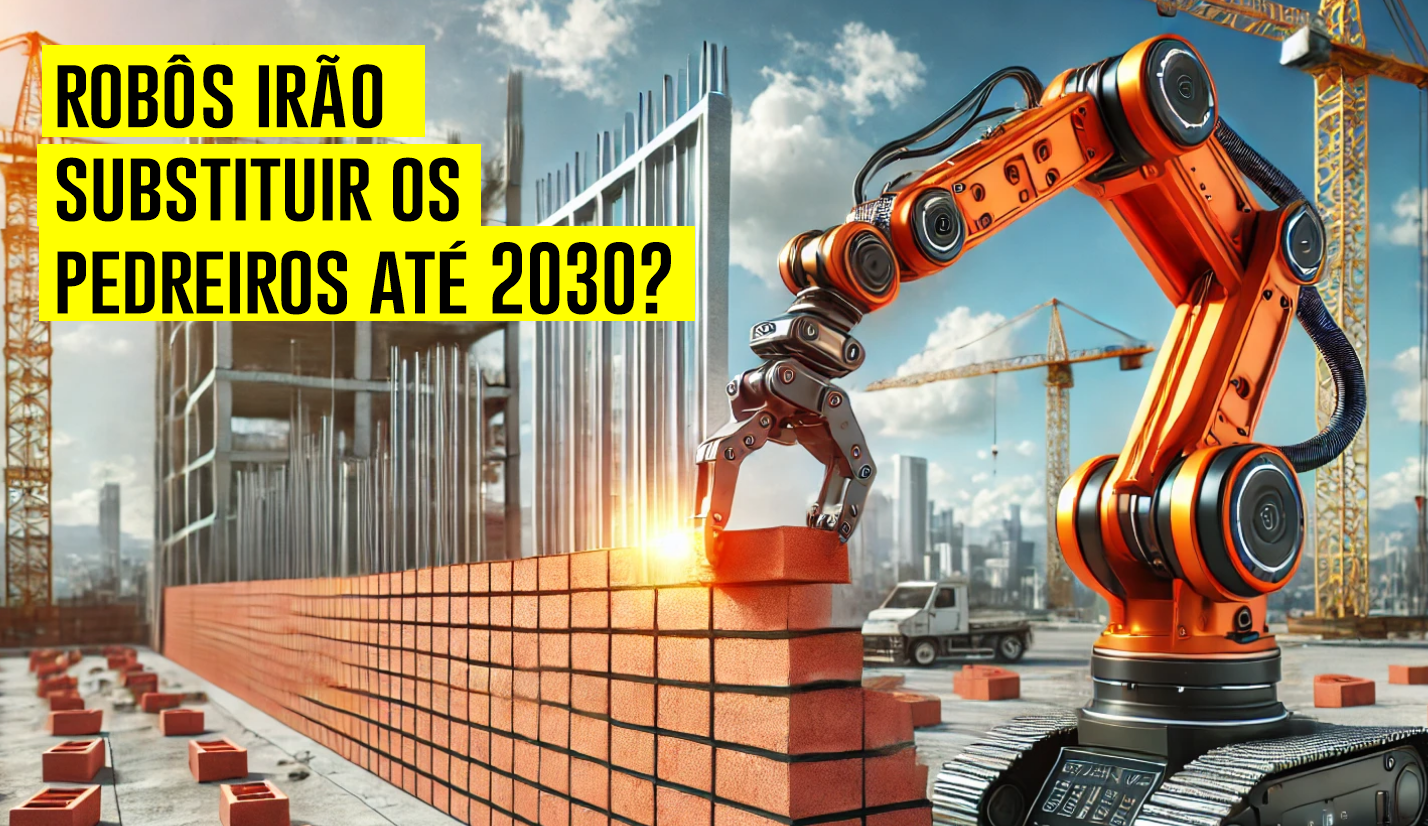
Technology Is Rapidly Advancing in Construction, and Machines Capable of Installing Thousands of Bricks a Day Are Changing the Way We Build. Will It Be the End of Bricklayers?
The construction industry is going through an unprecedented transformation, driven by technological advancements that promise to reconfigure traditional practices.
Among the most notable innovations, masonry robots emerge as a revolutionary solution to historical challenges in the sector, such as low productivity and a shortage of skilled labor.
These machines, specialized in bricklaying, are redefining the limits of efficiency, productivity, and sustainability.
-
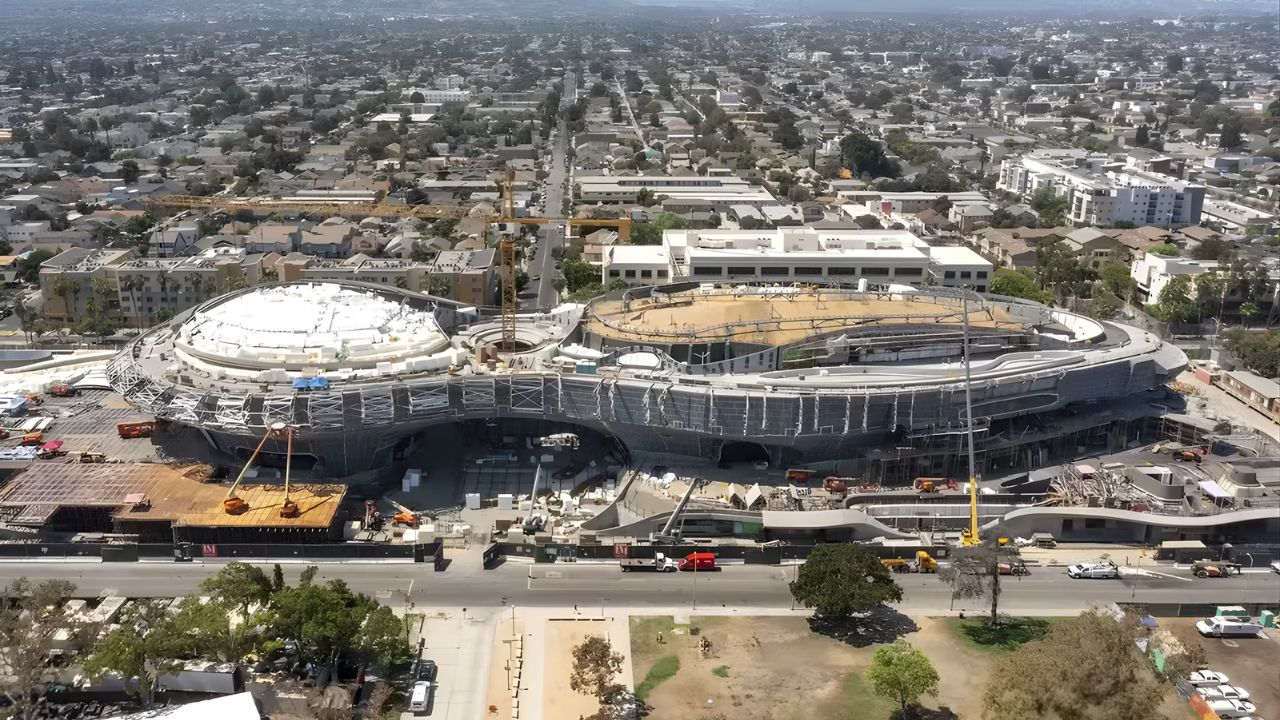
Created by George Lucas with over $1 billion, a futuristic museum in the shape of a spaceship with 1,500 curved panels is about to open in Los Angeles and will house one of the largest private collections of narrative art in the world.
-
Couple shows how they built a retaining wall on their property using 400 old tires: sloped land turned into plateaus, tires are aligned, filled, and compacted with layers of soil, with grass helping in support and at almost zero cost.

-
Engineer explains drainage during the rainy season: the difference between surface water and deep water, ditches, gutters, and water outlets on the road, as well as drains and drainage mattresses, to prevent erosion, aquaplaning, and flooding at the construction site today.

-
With 55 floors, 177 meters in height, a 15-meter walkway between the twin towers, ventilated facade, and 6,300 m² of leisure space, Ápice Towers already has one tower completed and another nearly at the top.


The Historical Role of Bricks in Construction
Since ancient civilizations, bricks have played a central role in construction. Archaeologists have identified the use of sun-dried bricks around 7000 B.C., while firing techniques date back to approximately 3500 B.C.
Despite millennia of history, traditional bricklaying methods have remained essentially the same, characterized by intense manual labor and poorly mechanized processes.
This historical stagnation has contributed to a productivity crisis in the sector. Studies indicate that, over the past few decades, efficiency on construction sites has declined due to archaic practices and a lack of disruptive innovations.
In this context, masonry robots emerge as a technological response to transform the way we build.
The Productivity Crisis in Construction
The construction industry is facing a chronic productivity crisis. Compared to other sectors, such as manufacturing, the pace of innovation and efficiency gains has been slow.
This situation is exacerbated by the difficulty in attracting skilled labor and the high levels of material waste in traditional construction.
Robots like the Hadrian X, developed by the Australian company FBR, and the SAM100 from American Construction Robotics, represent a significant advancement.
These devices utilize advanced technologies to apply mortar and position bricks precisely, following digital models based on architectural designs.
In ideal conditions, these machines can install up to 3,000 bricks a day, an impressive volume compared to the 300 to 500 bricks laid by a traditional bricklayer in the same period.
This productivity leap is in line with the Industry 4.0 revolution, where automation, artificial intelligence, and data analytics play central roles in reconfiguring industrial processes.
The construction industry, one of the most resistant sectors to change, is finally beginning to integrate these technologies on a large scale.
The Future of Automation in Construction
According to a study by the World Economic Forum, by 2030 about 41% of tasks in the construction industry could be automated, especially activities that require repetitive effort, such as masonry and material mixing.
While some human activities will be replaced, the impact on jobs is likely to be mitigated by the complexity of certain tasks.
Jobs requiring creativity, problem-solving, and customization will continue to be performed by people, while machines alleviate the burden of strenuous physical work.
Studies by McKinsey & Company indicate that technologies like masonry robots have the potential to increase the sector’s productivity by up to 50%.
The Operation of Masonry Robots
Masonry robots are designed to perform repetitive tasks with high precision. Equipped with sophisticated algorithms, sensors, and computer vision systems, they can navigate the work environment and execute activities such as:
- Precision positioning of bricks;
- Automatic adjustment of mortar application;
- Adaptation to different types of bricks and complex shapes;
- Integration with planning tools and software.
These devices minimize human errors, such as uneven mortar application, and reduce material waste on construction sites. The combination of automation and precision brings a new level of quality to construction.
Benefits of Robotization in Bricklaying
The introduction of robots in the masonry sector offers several advantages for both construction companies and workers:
Increased Precision and Quality: Robots are designed to follow strict specifications, eliminating common errors in manual construction. Sensors and computer vision systems detect and correct faults in real-time, ensuring a uniform and durable finish.
Productivity Scale: While an experienced bricklayer can lay between 300 and 500 bricks a day, robots like the Hadrian X can install over 1,000 bricks per hour. This capability accelerates projects and significantly reduces delivery times.
Cost Reduction: Although the initial investment in robots is high, the long-term savings are significant. They replace several steps of manual work, decreasing labor costs and reducing delays and waste.
Enhanced Safety: Construction sites are known for their high accident rates. With the automation of risky tasks, the risks to workers decrease, creating a safer environment.
Limitations and Challenges in Construction
Despite the numerous advantages, the adoption of masonry robots faces some challenges. The high initial cost of equipment can be prohibitive for small and medium-sized enterprises.
Additionally, the training required to operate these machines necessitates specialization, which can slow their widespread adoption.
Another factor is the environmental impact. Many robots rely on fossil fuels for operation, which contrasts with the growing demand for sustainable practices in the sector.
Moreover, the time required to set up and align these machines on the construction site can pose an obstacle for smaller projects.
Practical Examples: Hadrian X and SAM100
SAM100: The SAM100, developed by Construction Robotics, is a semi-automated masonry system that acts as an assistant to bricklayers.
It automates tasks like mortar application and the initial positioning of bricks, allowing the human bricklayer to focus on final adjustments. This collaboration between man and machine increases efficiency and reduces physical effort.


Hadrian X: The Hadrian X, on the other hand, is a completely automated solution. Developed by FBR, it can build a house in as little as two days, including creating openings for doors and windows, as well as installing plumbing and electrical conduits. Its precision and speed make it ideal for large-scale projects.

Sustainability in Automated Masonry
Masonry robots also play an important role in sustainability. By controlling the amount of materials used, such as mortar, they help reduce waste.
For example, while a traditional bricklayer may use about 1,000 grams of mortar per brick, an automated robot uses only 455 grams, promoting resource efficiency and savings.
Additionally, some robots use innovative construction adhesives that offer greater structural strength and reduce carbon emissions, contributing to a more sustainable future.
Impacts on Project Management
The introduction of robots in the construction industry is changing the way projects are planned and managed. Timelines become more accurate and easier to meet, while costs become more predictable. This predictability is essential for companies seeking to maximize returns on investments.
The Future of Construction
Automation in the construction industry is just beginning. Emerging technologies, such as Building Information Modeling (BIM) and artificial intelligence-based systems, promise to further integrate robots into project planning and execution.
While challenges persist, such as high initial costs and cultural resistance, the benefits in terms of productivity, sustainability, and safety position automation at the center of the sector’s transformation.
Masonry robots, in particular, are redefining the way we build, paving the way for a more efficient and technologically advanced future.









-

-

5 pessoas reagiram a isso.