





 Portuguese
  English
  Spanish
  6 min of reading
  21 comments


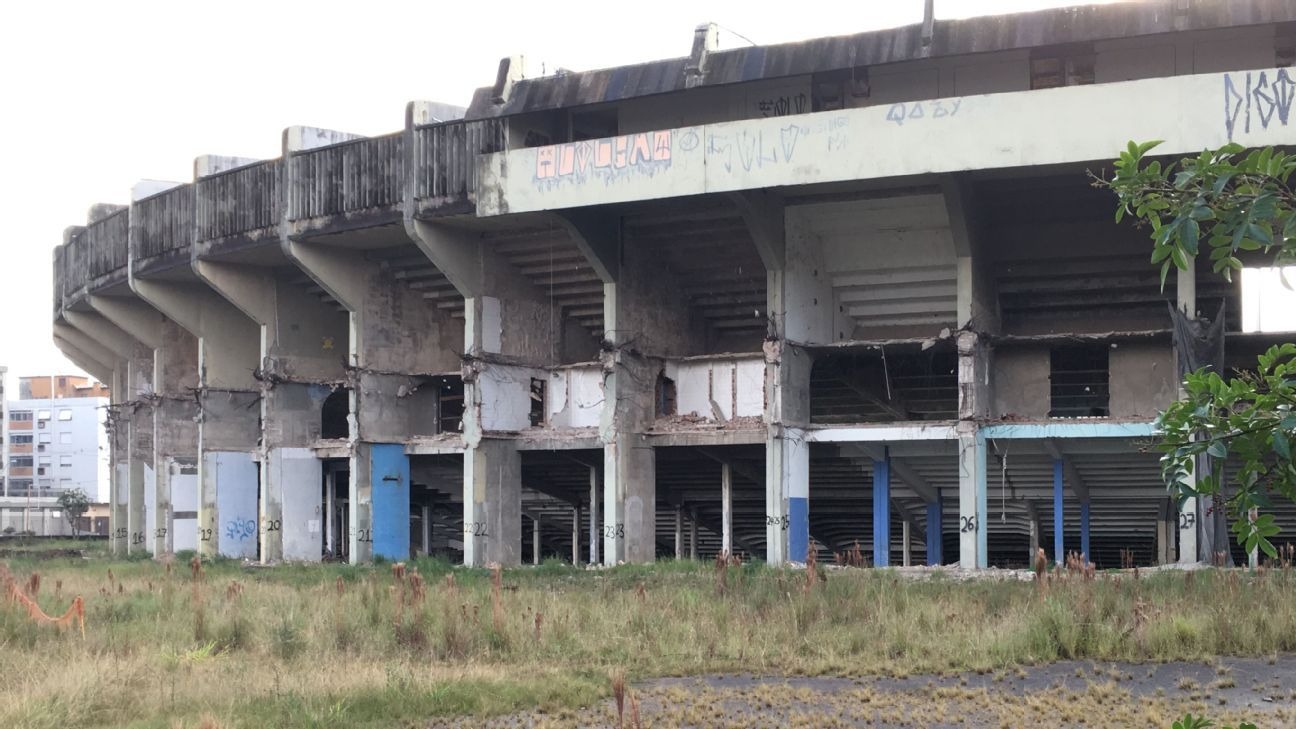


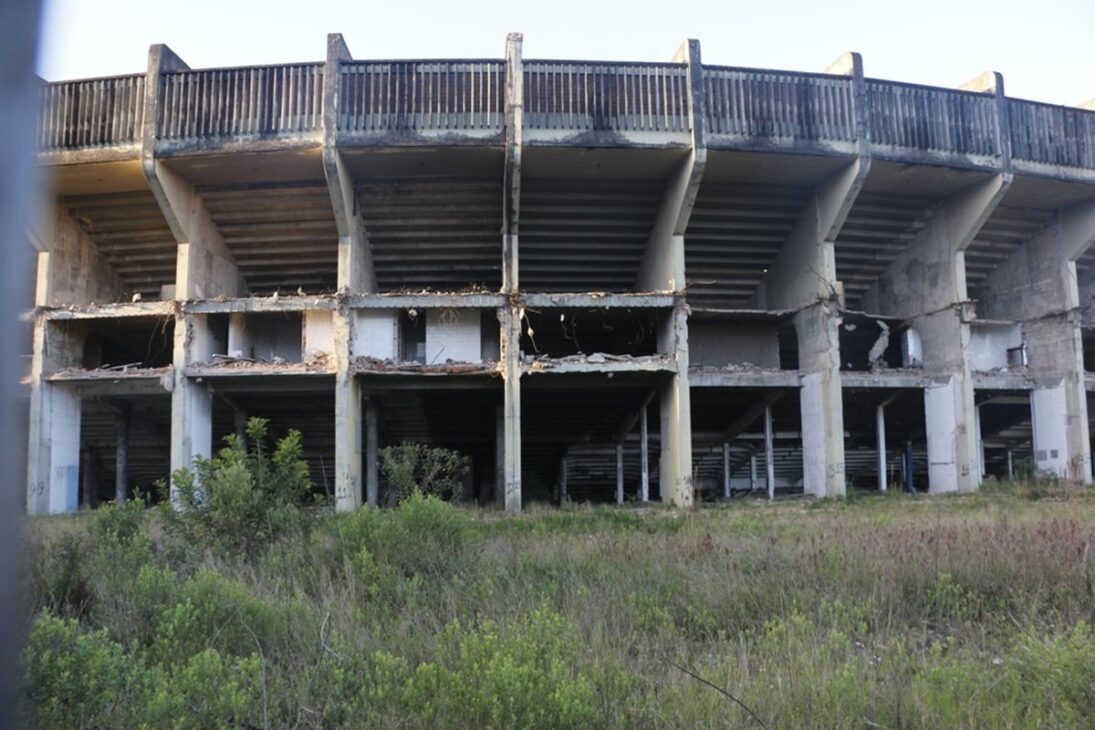
Raised in 1954 and designed to accommodate 45 thousand people, the monumental stadium has been closed since 2013 and today faces total abandonment, with weeds, cracks, and debris dominating its ruined structure in the center of Porto Alegre
For almost six decades, the Estádio Olímpico Monumental was more than just a football field: it became a fundamental part of the identity of generations of fans and Brazilian football itself.
Inaugurated on September 19, 1954, in the Azenha neighborhood of Porto Alegre, the stadium witnessed the growth of Grêmio Foot-Ball Porto Alegrense and was the stage for over 3,500 goals and memorable achievements.
Among the most significant moments experienced at the “Old House,” as it became known, are major titles, such as the conquest of the Copa Libertadores in 1995, which solidified the club on the international scene.
-
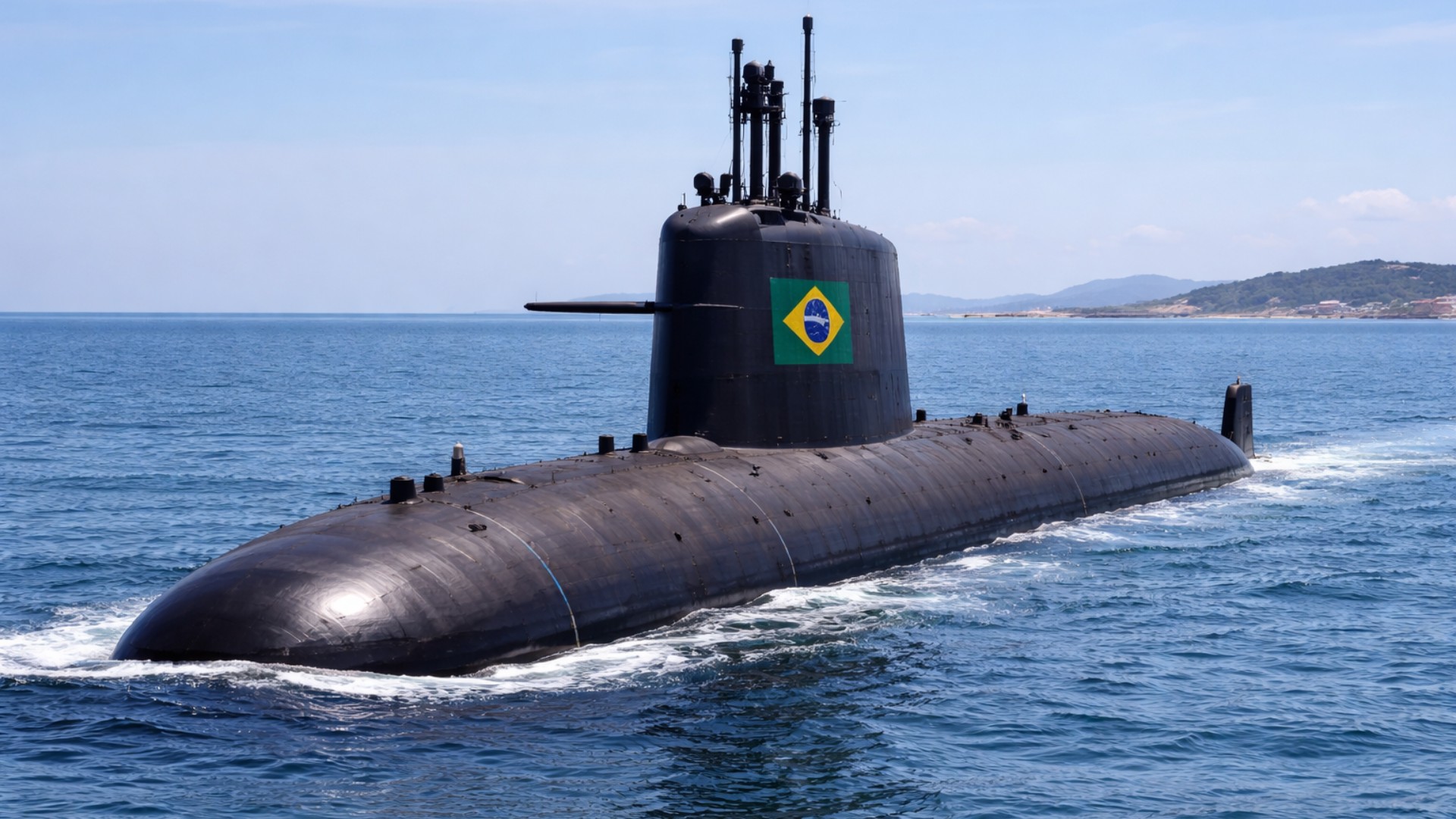
Brazil’s nuclear submarine with a speed 5 times greater than normal advances after nearly 50 years and R$ 40 billion spent.
-
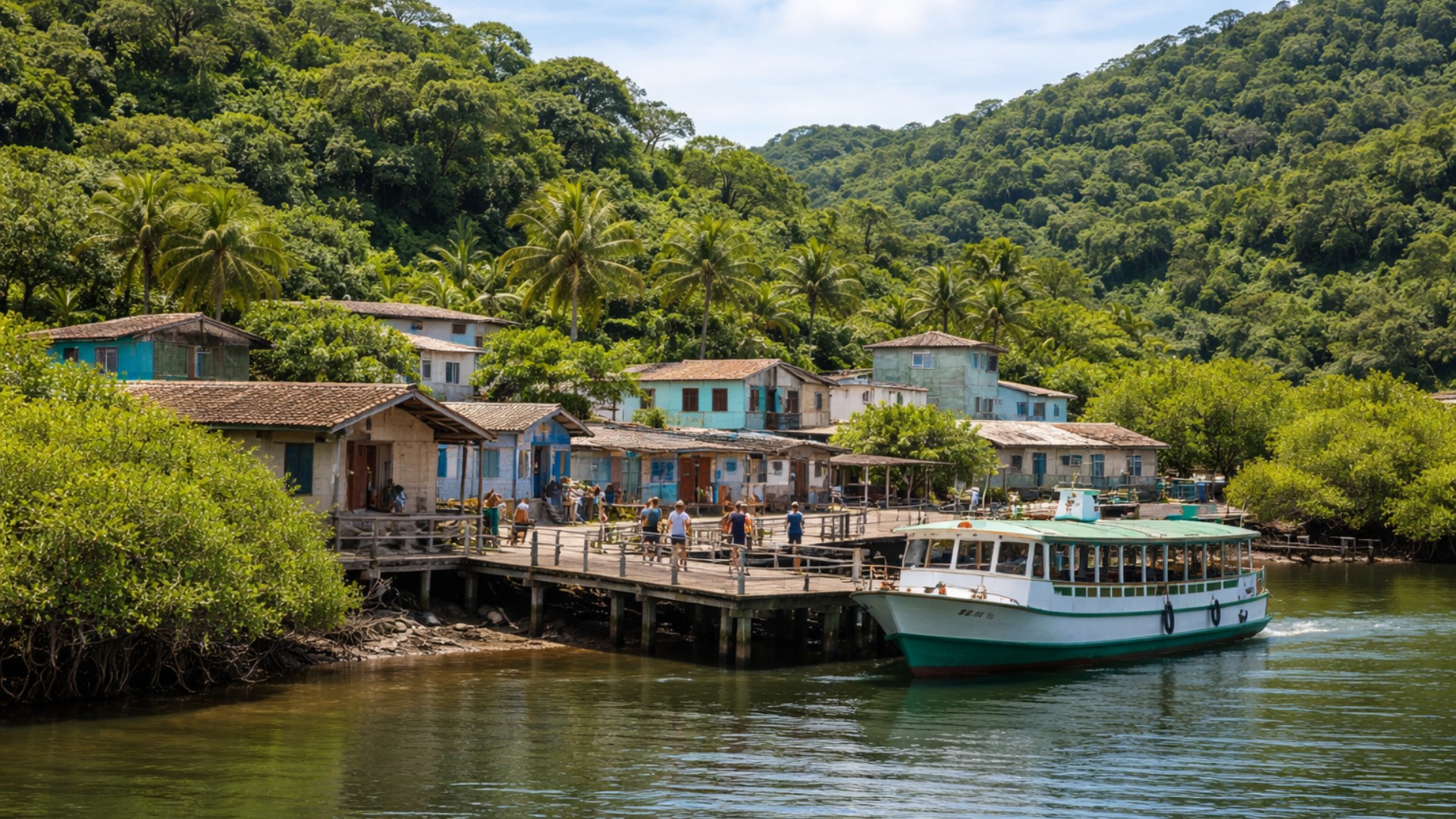
A Brazilian island charges R$ 0.50 to receive visitors and prohibits any new residents.
-
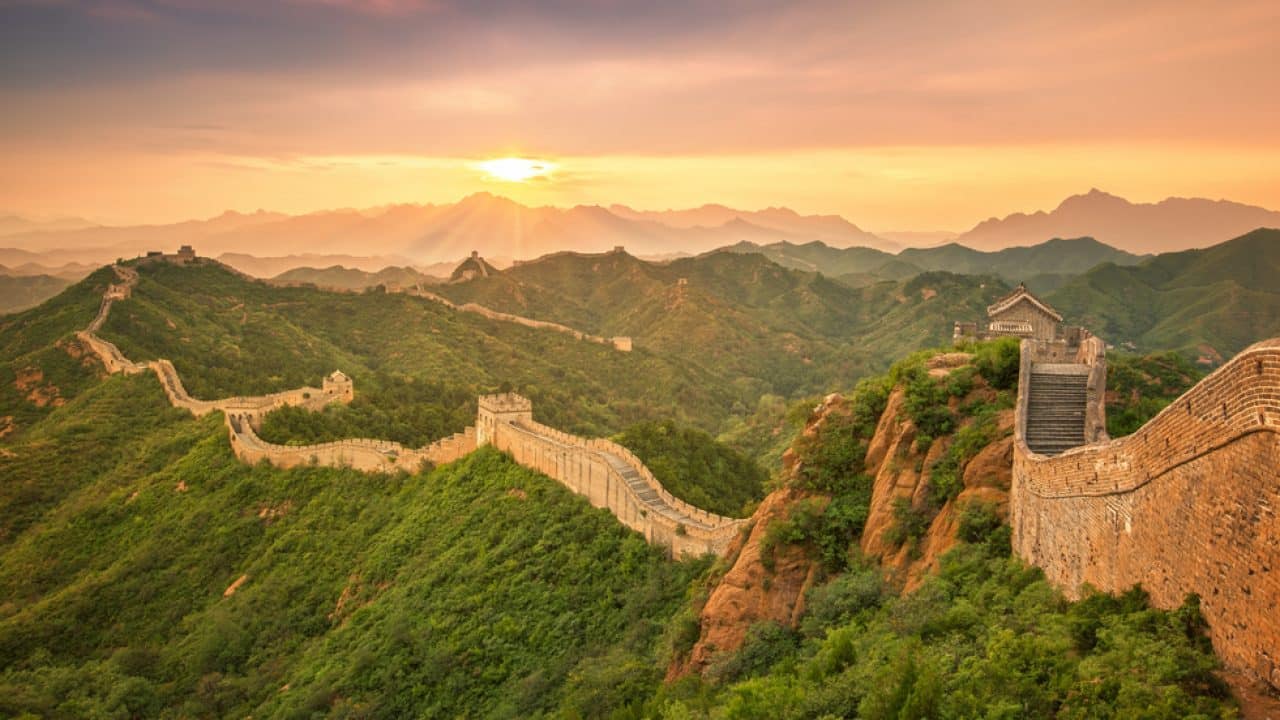
Why was the Great Wall of China built? The truth that many are unaware of!
-
At 73.8 meters tall, the world’s tallest teapot-shaped building has 15 floors, ensures stability, and impresses with an internal space of 28,000 cubic meters.

The stadium was not just a venue for matches: it was a symbol of passion, belonging, and glory for millions of fans.
The End of an Era and the Arrival of the New Home
The cycle of the Olímpico began to close when the club’s board, in the 2000s, started studies for the construction of a new stadium.
The objective was to keep up with the structural and commercial evolution of world football.
Although they initially considered the renovation or reconstruction of the stadium at the same location, factors such as high maintenance costs, security deficiencies, insufficient parking, and population density around made modernization unfeasible.
Thus, in 2007, the search for partners and resources to build a new arena began.
The construction company OAS was chosen to lead the project, and in October 2009, the club purchased a plot of land in the Humaitá neighborhood near Salgado Filho Airport for R$ 50 million.
The construction began in September 2010, and in a symbolic gesture, former captain Hugo De León planted a piece of grass from the Olímpico at the site.
The new home, the Grêmio Arena, was inaugurated in December 2012, and the last match at the old stadium took place in February 2013.
The Project That Did Not Materialize
With the transfer of games to the Arena, the plan was to transform the Olímpico land into a real estate project.
The area would be transferred to OAS as part of the agreement for the construction of the new stadium. However, the proposal never left the drawing board.
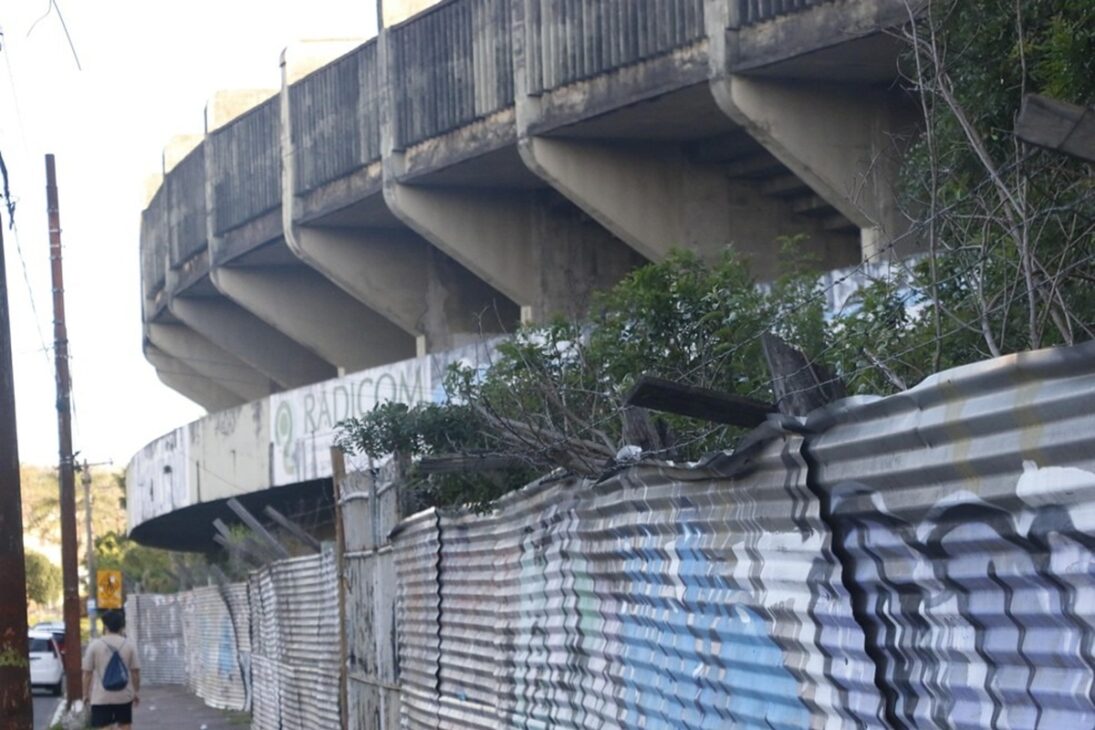
More than a decade later, the structure of the Olímpico remains standing but in complete abandonment.
Weeds have overtaken the stands, concrete shows cracks and ruins, and the site has come to symbolize the contrast between the glorious past and the decaying present.
The situation worries residents of the area, who report insecurity and negative impacts in the surroundings. Unable to contain invasions and irregular occupations, the space has become a shelter for homeless people and drug users, as well as a target for thefts and petty crimes.
Legal and Administrative Impasses
The uncertainty about the fate of the Olímpico stems from a complex legal entanglement involving Grêmio, OAS, and the Porto Alegre City Hall.
The transfer of the land was never formalized, and new initiatives for the space did not advance.
Contractual issues and non-compliance with obligations by both parties halted the process, even leading the city hall to consider expropriating the property.
A Brief Return Amidst Tragedy
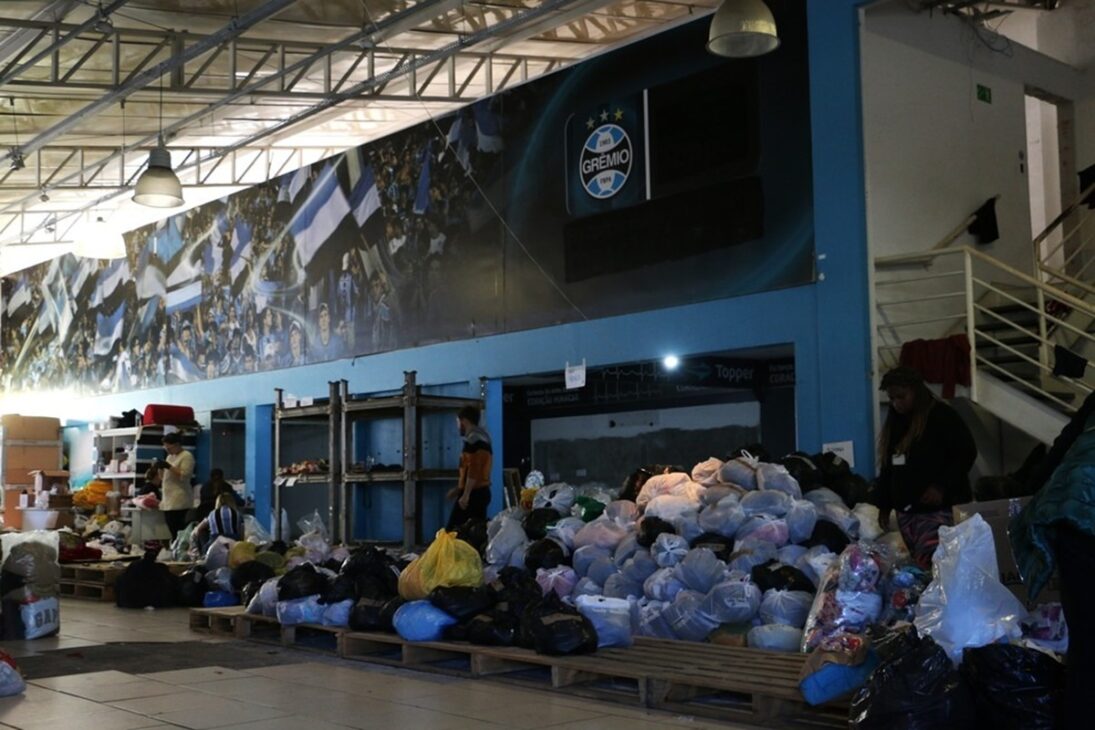
During the floods of 2024 that devastated Rio Grande do Sul, the Olímpico temporarily reopened to serve as a donation collection center and support for victims.
The initiative reignited debates about the potential reuse of the space and its symbolic value to the community.
Since then, several ideas have been discussed, ranging from real estate projects to converting the stadium into a community center. None, however, have progressed in a practical way.
The Impact of Abandonment on the Community
The deterioration of the Olímpico also has a direct impact on the lives of residents in the Azenha neighborhood.
With much of the structure removed for a demolition that was supposed to happen in 2013, the space now consists of rubble.
The degradation has favored the increase in crime and the constant presence of homeless people.
Neglect has transformed what was once a source of pride into a cause for concern, with the stadium becoming a symbol of urban abandonment in a densely populated region of Porto Alegre.
The Behind-the-Scenes of the Arena Construction
The decision to leave the Olímpico behind began to take shape in the 2000s when the board assessed that modernization was unfeasible.
The search for partners to build a new stadium resulted in the selection of OAS in 2007, with construction starting in 2010 and completed two years later.
Despite all the expectations surrounding the new arena, the process was accompanied by controversies. Part of the fanbase expressed outrage at the decision to abandon the “Old House.”
The transition was also marked by unfulfilled promises, such as the rapid demolition of the old stadium and the construction of a new complex on the site — promises that never materialized.
New Developments in 2025: The Hope for an Outcome
After years of deadlock, a new chapter began to be written in 2025.
In July, businessman Marcelo Marques purchased two-thirds of the debt related to the construction of the Arena, paying R$ 80 million to assume part of the debt, while the club paid R$ 20 million.
The change in management represented a significant advancement.
With Marques and Grêmio becoming the main creditors and having no interest in executing the debt, the Arena was no longer under judicial alienation.
The release of the lien was submitted, and according to the club’s vice president, Eduardo Magrisso, it is only a “matter of time” before the process is concluded.
Ongoing Negotiations and Persisting Uncertainties
According to a report by GE, despite the progress, obstacles remain. OAS 26 seeks to define its financial obligations before signing the exchange. There are discussions about who will be responsible for improvements to the surrounding infrastructure of the Arena.
The companies have suggested transferring part of the Olímpico land to the Porto Alegre City Hall in exchange for it to carry out the works. The Public Ministry is closely monitoring these negotiations.
The initial proposal is to build residential buildings on the site, allowing the companies to recover part of the investment. However, the details of these projects are only expected to be defined after the exchange is formalized.
Another challenge is the lack of capital from OAS 26 and Karagounis to bear the costs of the works alone. The most likely solution involves partnerships with other construction companies to enable the investment.
The City Hall’s Position and Next Steps
In an official statement, the Porto Alegre City Hall stated that “negotiations with all parties involved, including the participation of the Public Ministry, are ongoing. The city’s goal is to have initiatives that represent collective interest interventions for the city“.
Although there is no concrete definition about the fate of the Olímpico, the expectation behind the scenes is that the impasse will be resolved in 2025.
The signing of the deed and the exchange of keys between the club and the companies would represent the first step towards a definitive transformation of the area.
A Silent Monument Awaiting a New Destiny
Today, the Estádio Olímpico Monumental remains a living symbol of a glorious past and a present of uncertainties.
The stands that once vibrated with great victories are now silent, overtaken by weeds and deterioration.
More than just an urban problem, the space represents an open wound for fans and residents, a constant reminder of unfulfilled promises and an era that ended without a dignified conclusion.
If negotiations progress as expected, the site may finally gain a new purpose — whether as a real estate project or as an urban community space. Until then, the “Old House” continues to withstand time, awaiting the day when the future finally arrives at the address where history was written.




Meu Sonho, é ver milhares de Estadios completamente abandonados, literalmente deixados para traz, para que o tempo e a erosão os devorem…..ou quem sabe ….futuras gerações mais evoluidas e conscientes da loucura e do fanatismo destes tempos primitivos, os derrubem ou implodam, para assim construir em seus lugares algo realmente util e necessario para a humanidade.
Meu Deus, tu usa alguns tipos de drogas?
Hum… “gerações mais evoluídas e inteligentes…” Esse é fã dos alucinógenos
Moranguete cuidado com as drogas ****
Tu fala besteira demais. Não 👎 sabe falar ou entender realmente a situação. Pense positivo .
O Gremio sempre envolvido em polêmicas e contratos mal feitos, hoje tentando ser salvo por um “padeiro”, já o Internacional segue dentro das réguas, exemplo disso, o estádios dos Eucaliptos com um grande empreendimento imobiliário já implantado e o Beira Rio na região mais valorizada e POA e um dos mais belos do mundo.
O internacional é um time Caloteiro, até hoje não pagaram o Tiago Maia ao Flamengo.
E segue com a BRIOcomo legítima dona do bergamotão. Sem falar em todas invasões de espaço público…
Minha primeira viagem ao Olímpico foi no ano de 1995, quando sai de SP e encarei uma viagem de 21 horas. Foi algo marcante, pois voltei de lá como campeão da Copa do Brasil. Guardo até hoje o canhoto do ingresso. Seria ali o primeiro título paulista na competição, depois foram mais dois. Estive novamente em 96 e 97. Foram três viagens ao Olímpico e três vitórias. É triste vê-lo abandonado, um estádio raíz, charmoso e que carrega tantas glórias. Merecia um final digno, na verdade merecia ter continuidade.
É lamentável que o povo do Rio Grande não luta pela sua história, e ainda assim querem dividir o Brasil, só lamento
Na minha opinião isso não depende do povo pois é uma área privada, não sou gaúcho mas já estive no sul e o povo luta pela história e cultura,
Com certeza! Nós gremista nunca concordamos com o abandono da nossa verdadeira casa! Mas, perdemos, infelizmente dinheiro na mão de traidores envolvido. Triste !
Entende se que foi um negocio mal feito entre as partes com o objetivo de se lucrar com as negociacoes entre todas as partes.Hoje se fala de tradicao,torcida,conquistas entre outras coisas.Porem,no mundo dos negocios nada disso e levado em consideracao.Uma pena de como esta o desfecho
Sempre tem um pra falar ****. Calado é um poeta.
É patrimônio privado que faz parte da negociação da nova Arena construída no bairro Humaitá. No lugar do Olímpico será construído um novo empreendimento.
A construtora que está a frente dessa negociação é uma subsidiária da OAS….existe um embroglio nessas negociações entre poder público, Grêmio e construtora. Pelo jeito pode levar anos até o desenrolar desses impasses e até lá o Olímpico continuará abandonado sendo utilizado como moradia de viciados e indigentes.
Alí morava os bananas de pijama
Nossos fregueses kkk saudades múltiplas kkkk
Vai se ferrar seu **** ****. Soca esse seu comentário lá no lugar da onde você venho 👌🏽
Ninguém quer sair perdendo e parece que tão pouco assumir cada um sua parte nas obrigações. Enquanto isso, o que vemos é o abandono e deterioração.
Não seguiram o exemplo do Internacional, veja como está hoje a área do antigo estádio dos Eucaliptos para manter a história e modernização do Beira Rio na região mais valorizada de POA.
Verdade. Sinto saudades das alegrias que vi e vivi neste estádio. Sou morador do bairro Azenha e sofro até hoje por meu clube ter se mudado 😭.
#olimpicoeternoamor
Lá foi o palco do rebaixamento também. Lembra? Boas lembranças!