





 Portuguese
  English
  Spanish
  4 min of reading
  2 comments


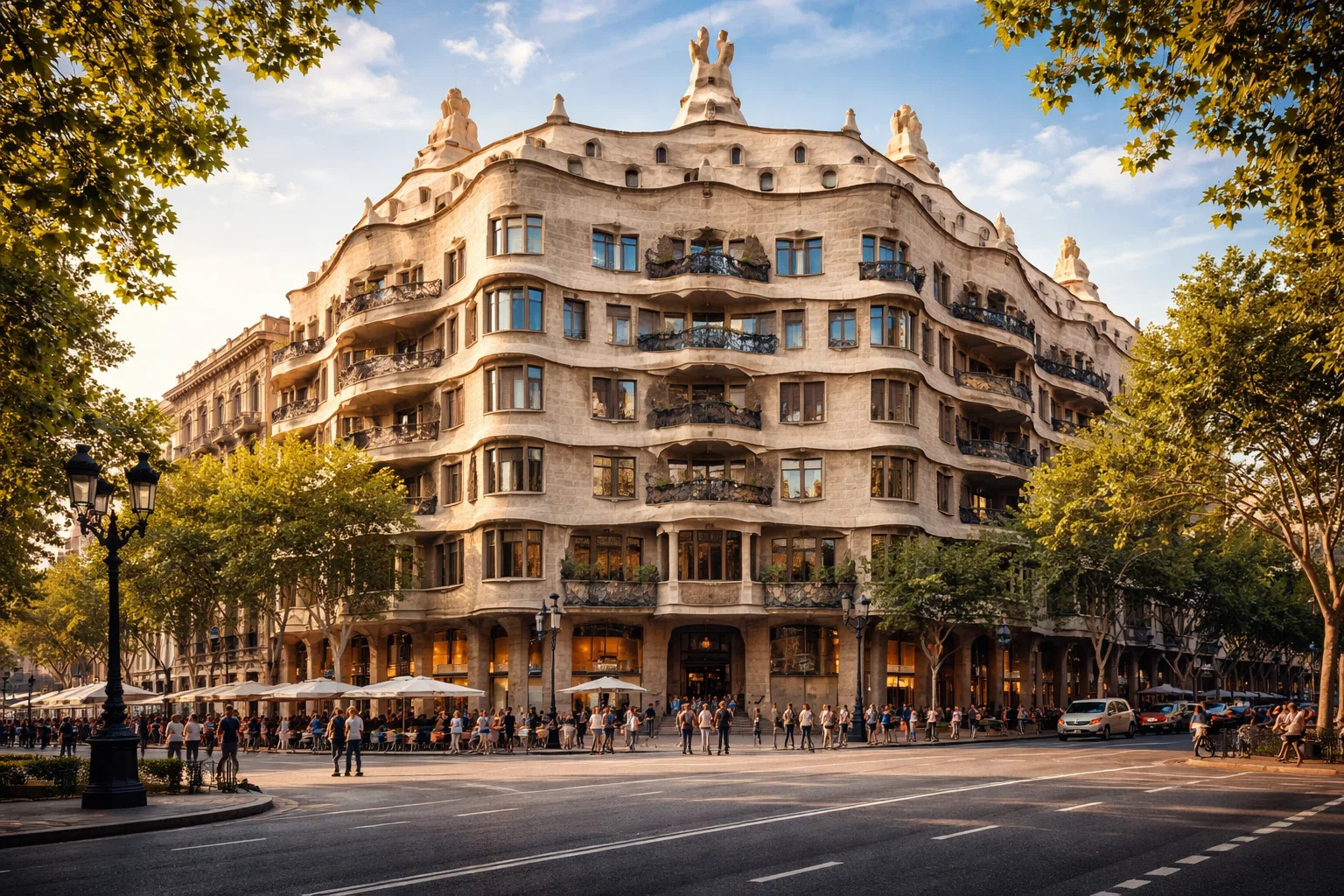


More Than A Century After Its Construction In Barcelona, The Casa Milà Continues To Intrigue Experts Due To Bold Structural Solutions Antoni Gaudí Applied To A Stone Facade That Seems To Be In Motion
Anyone passing by the elegant Passeig de Gràcia avenue in Barcelona usually stops for a few seconds looking at the same building. The Casa Milà is not a modern skyscraper. Nor a glass tower. It is a stone building constructed in the early 20th century that seems to defy the logic of engineering.
The Casa Milà, popularly known as La Pedrera, has become one of the most intriguing monuments in world architecture. And not just because of its uncommon aesthetics.

What really catches attention is the number of technical solutions that Antoni Gaudí implemented there when most buildings still followed rigid and predictable patterns.
-
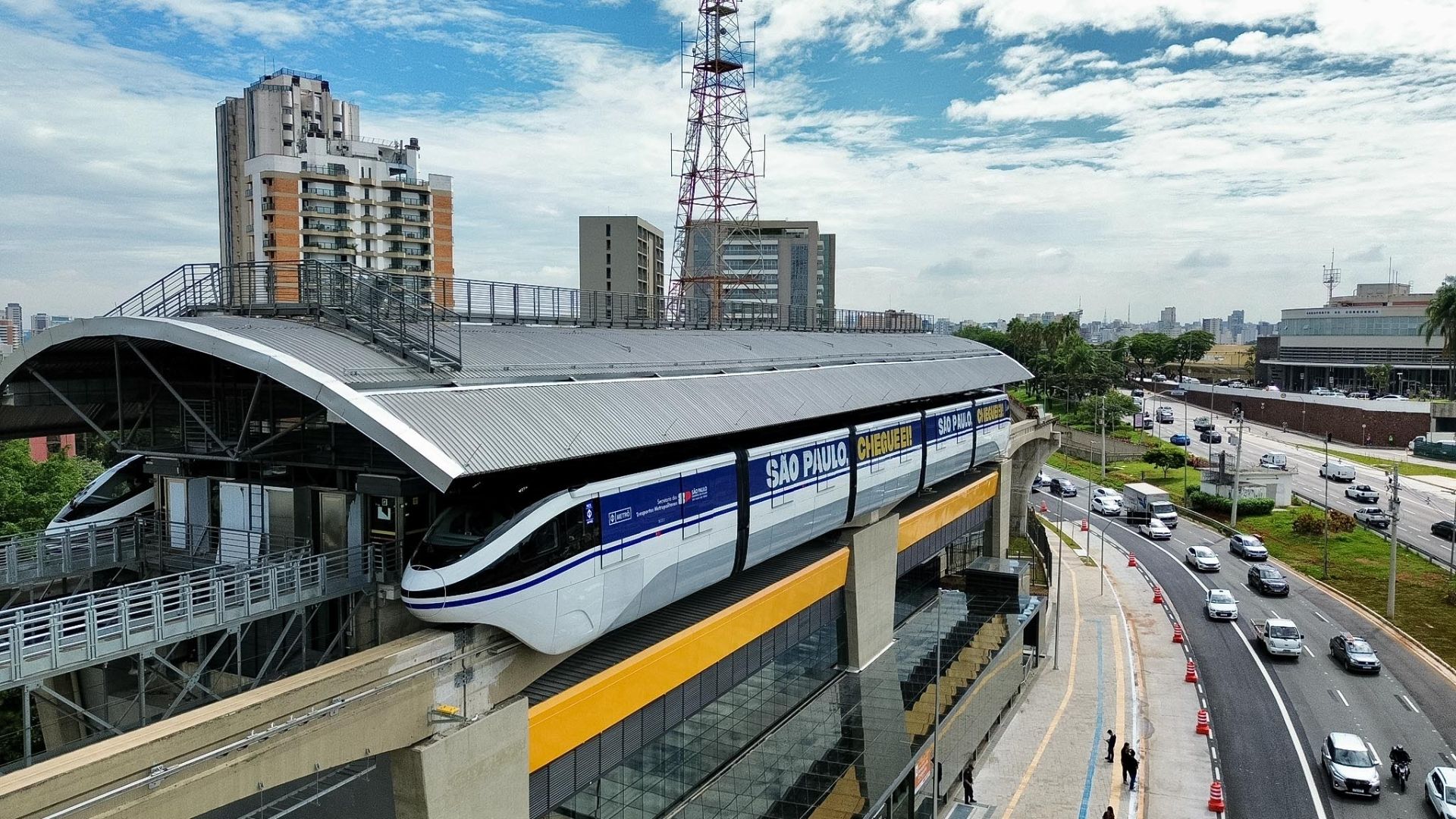
Congonhas receives the monorail promised for the 2014 World Cup after more than a decade of delays and becomes the first airport in Brazil with integrated subway.
-
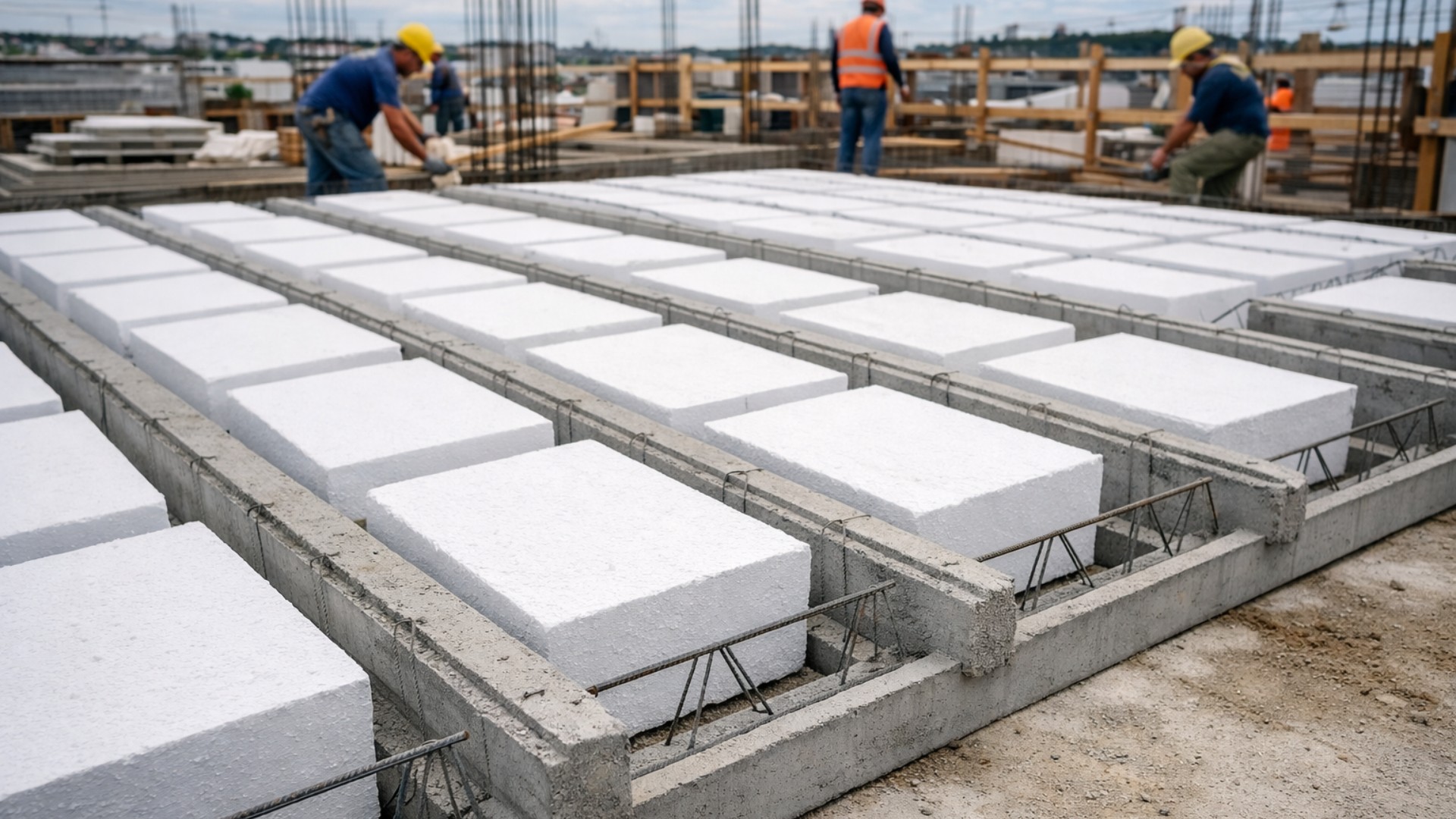
Goodbye, concrete: a new trend in civil construction reduces the weight of the structure by up to 30%, accelerates projects by up to 40%, cuts costs on steel and labor, and improves thermal insulation with EPS.
-
Russian engineers create an innovative propeller blade for aircraft that could completely change the way airplanes and helicopters operate.

-
Couple finishes building PVC chalet on the beach on the last day, with air conditioning and curtains, but discovers the bathroom drain is inverted: water escapes from the drain, risking breaking the floor, and the rush continues before the trip.

The Urban Challenge That Antoni Gaudí Solved With A Stone Structure That Seemed Impossible For Engineering In The Early Twentieth Century
When the construction began in 1906, Barcelona was undergoing intense urban transformation. The city was expanding its avenues, and new residential buildings were emerging at a rapid pace.
The businessman Pere Milà wanted a residential building that would stand out in the heart of the city.
Gaudí decided to ignore almost all the traditional architectural rules of the time.
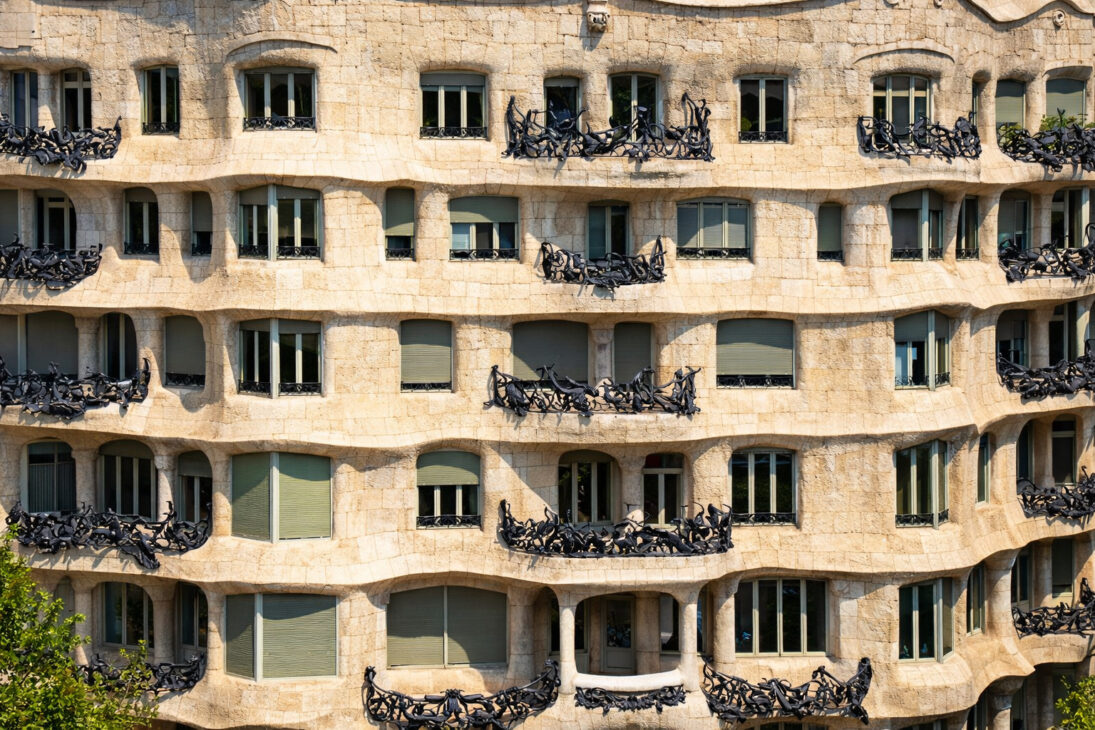
Instead of straight walls and a symmetrical facade, he created a wavy structure that resembles rock formations sculpted by nature.
The result was a building with an almost organic appearance. The facade seems to move as the daylight changes.
This concept caused estrangement when it was presented. Many residents of the city came to consider the work excessive or strange.
Over time, what seemed like audacity came to be recognized as one of the greatest expressions of Catalan Modernism.
The Structural Solution Hidden Within The Building That Anticipated Concepts Used By Modern Engineering
Behind the stone facade lies a technical detail that continues to catch the attention of architects and engineers.
Gaudí used a structural system that thereby reduces the reliance on internal walls to support the building.
In practice, this allowed for reorganization of the internal spaces with greater freedom. For the time, it was a fairly advanced solution.
Another important aspect was the use of spacious internal courtyards that guarantee natural ventilation and light entry.
This combination improves the circulation of air within the building and reduces the need for artificial lighting during the day.
According to architecture specialists, many ideas present there resonate with current principles of sustainable construction.
The Sculptural Chimneys On The Terrace That Became A Visual Laboratory Of Engineering And Design
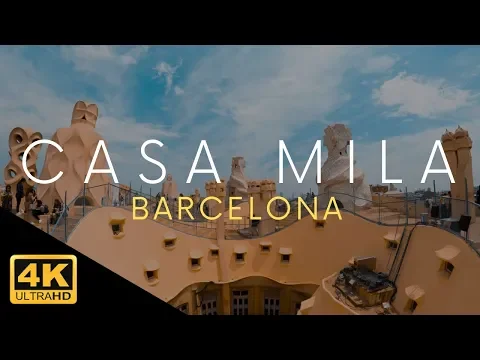
Those who go up to the terrace of the Casa Milà find one of the most surprising areas of the building.
There are structures that seem, then, like giant stone sculptures.
In fact, they are part of the building’s ventilation system.
The chimneys and towers have been molded with curved shapes that resemble human figures or silent warriors watching the city.
Besides the visual impact, these structures fulfill technical functions related to air circulation and smoke outlet protection.
This type of integration between art and engineering has become one of Gaudí’s trademarks.
The Transformation Of A Criticized Work Into One Of The Most Studied Architectural Heritage On The Planet
During the first years after its inauguration, therefore, the Casa Milà divided opinions.
Part of the population saw the building as too eccentric for the urban standards of the time.
Over the decades, the perception changed completely.
Today, the building is recognized as a UNESCO World Heritage and receives visitors from different parts of the planet.
Architects, engineers, and students often analyze the building to understand how Gaudí managed to unite aesthetics, structure, and functionality in a single work.
There is no official number disclosed about how many academic researches have studied the building, but estimates suggest that it is among the most analyzed projects of European modernism.
What Explains The Ongoing Fascination Of Experts For A Building Constructed More Than A Hundred Years Ago
Even surrounded by contemporary buildings, the Casa Milà continues to provoke curiosity.
This happens because the building challenges a simple logic of construction. It does not follow rigid patterns or predictable lines.
The work shows how engineering can, then, communicate with natural forms without losing structural efficiency.
More than a century later, the project continues to be studied in universities and architecture schools.
The construction proves that certain ideas can, thus, transcend generations without losing relevance.
And it is precisely this combination of technical audacity and creativity that keeps the Casa Milà among the most fascinating monuments ever built.
This type of construction draws attention because it shows that innovation did not start only in the digital era. Long before modern technology dominated construction sites, a Catalan architect was already testing ideas that still provoke debates among experts.
What do you think of this work that continues to intrigue engineers and architects more than 100 years later? Would you visit this historic building in Barcelona?









Ya la he visitado y me encanta, muy bien pensada desde las bodegas, cocinas todo muy funcional una construcción admirable y única con el sello de Gaudí
Uma obra cuja dimensão e singularidade desafiam o tempo. Excepcional. Intrigante.