





 Portuguese
  English
  Spanish
  4 min of reading
  3 comments


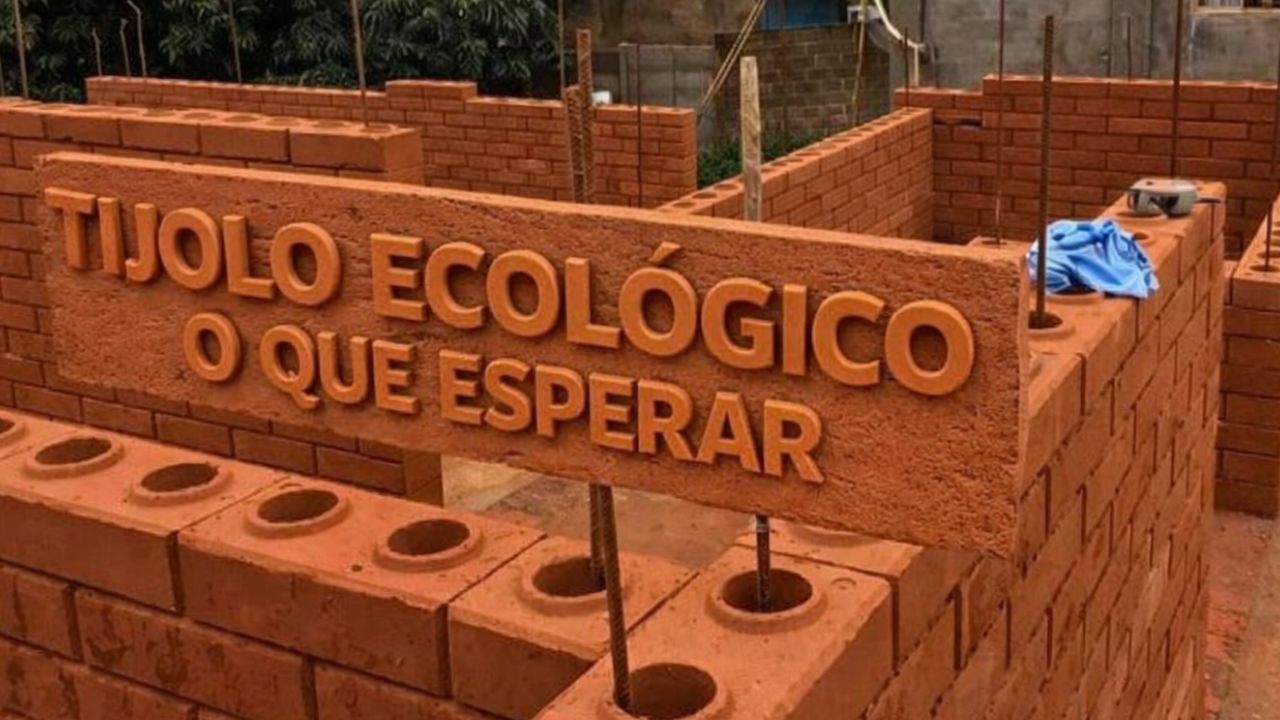


Building With Ecological Brick Can Be a Great Choice, But the System Is Expensive in Labor, Execution Pace, Well-Structured Project, and Extreme Care at Every Stage.
Those who decide to build with ecological brick are usually enchanted by the look of exposed walls and the idea of a system different from the conventional. However, in the actual construction, challenges arise that few consider before starting, and they can affect deadlines, costs, and quality.
The point is not to be against the method. It’s to understand that ecological brick changes the logic of execution: it requires precision from the first course, demands more organization, and does not tolerate improvisation once the wall is going up.
Lack of Labor and Resistance From Teams
One of the first barriers is simple and harsh: finding specialized labor. Even in conventional masonry, this is already difficult in many regions, and with ecological brick, the resistance is usually greater.
-
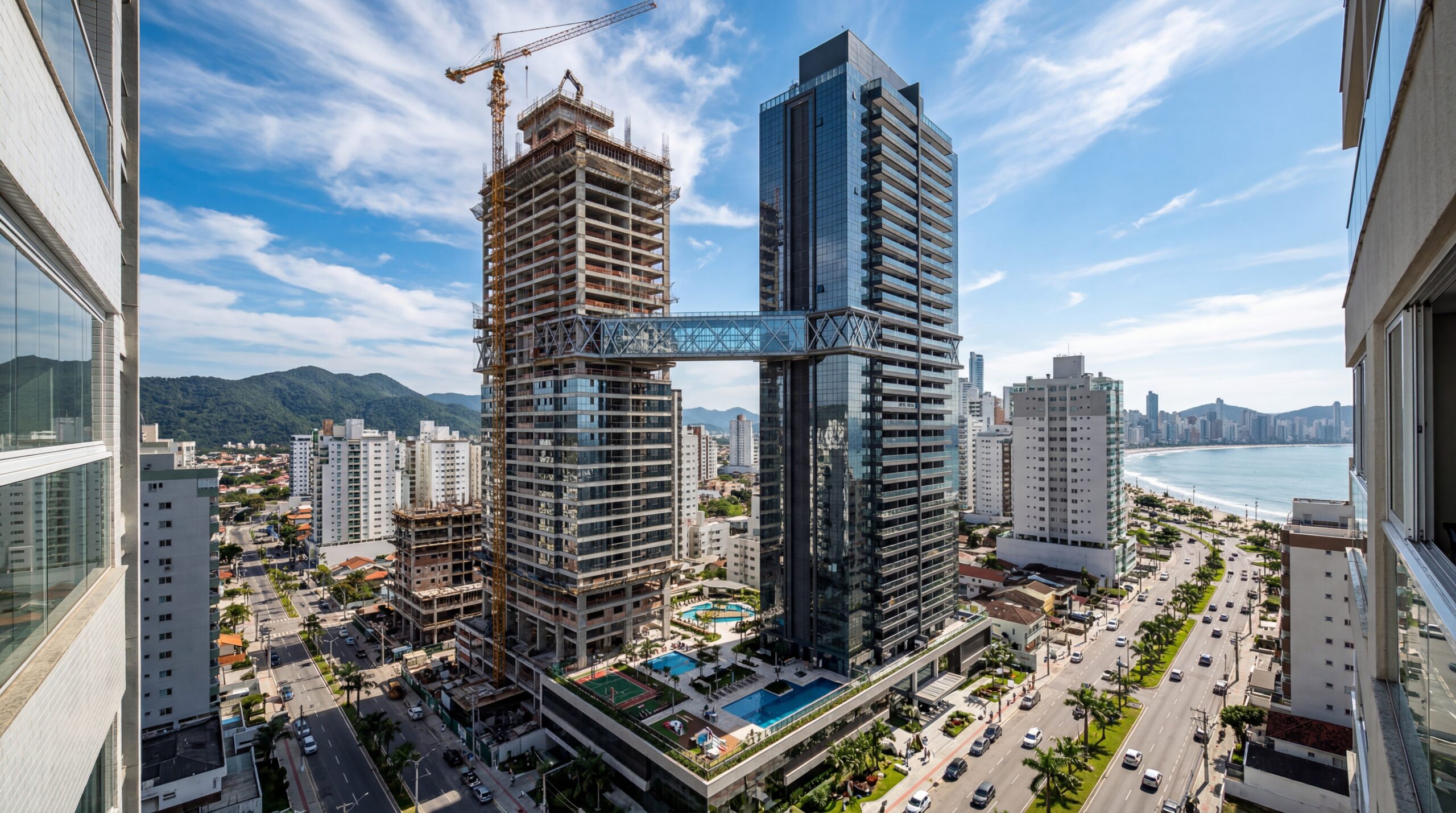
With 55 floors, 177 meters in height, a 15-meter walkway between the twin towers, ventilated facade, and 6,300 m² of leisure space, Ápice Towers already has one tower completed and another nearly at the top.
-
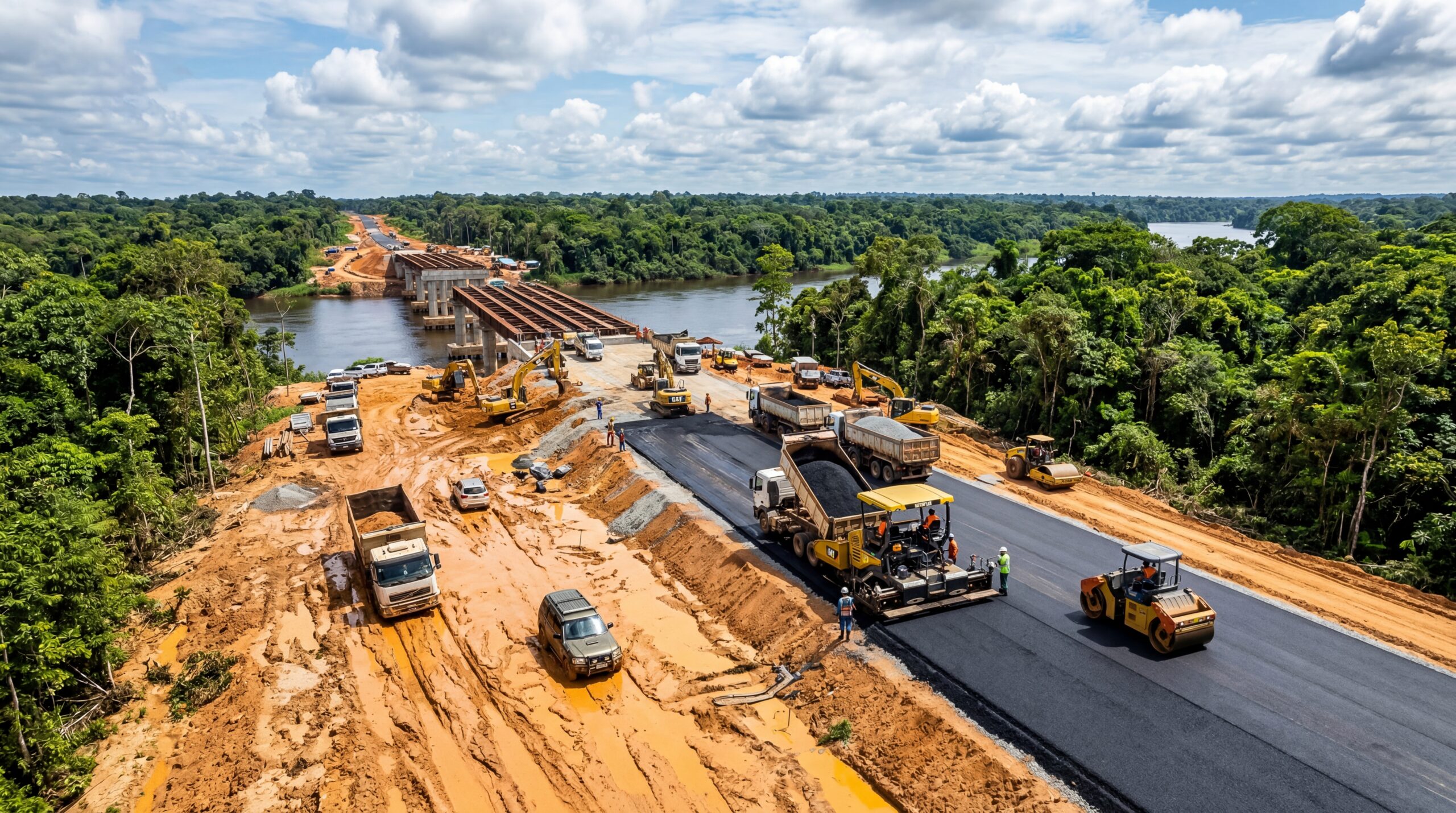
After nearly 50 years of neglect, BR-319 receives R$ 678 million to pave 340 km, gain a 320-meter bridge, and try to lift Amazonas out of the mud, the quagmire, and road isolation.
-
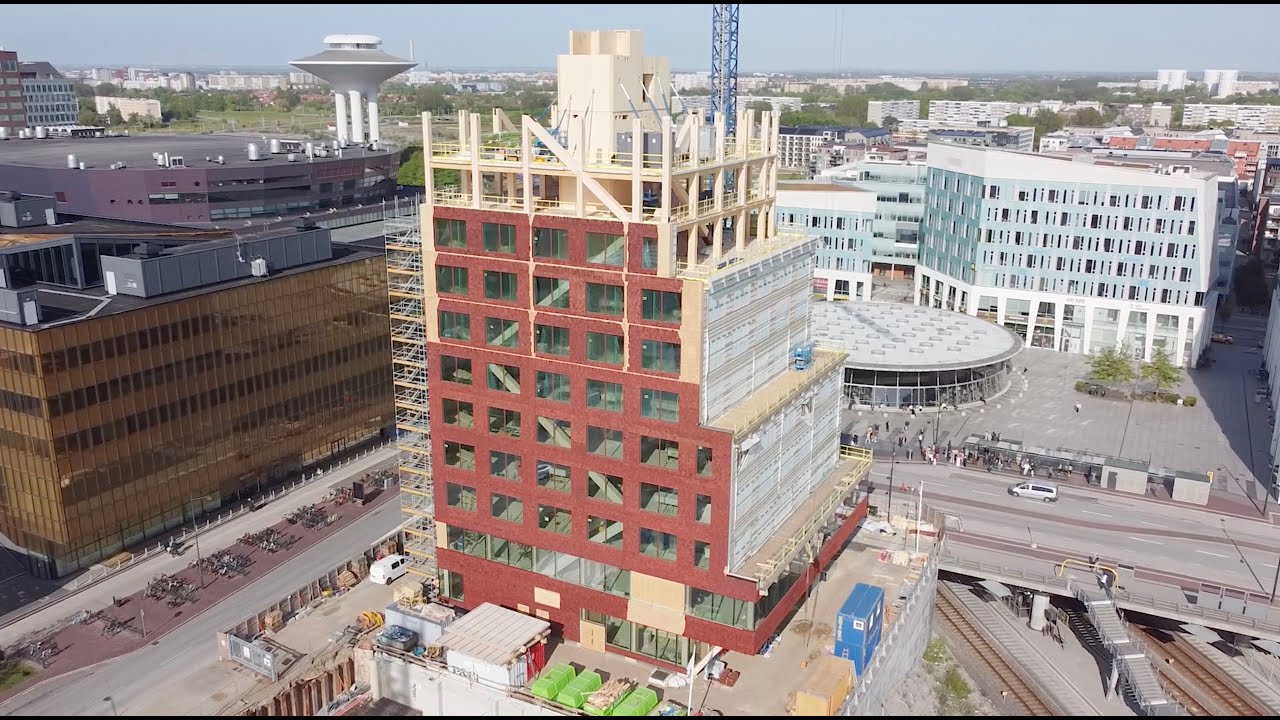
In Sweden, a 51-meter tower was built almost entirely of wood, without a concrete structural core and with solar panels integrated into the facade, using CLT and laminated beams to challenge the dominance of steel and concrete in modern buildings.
-
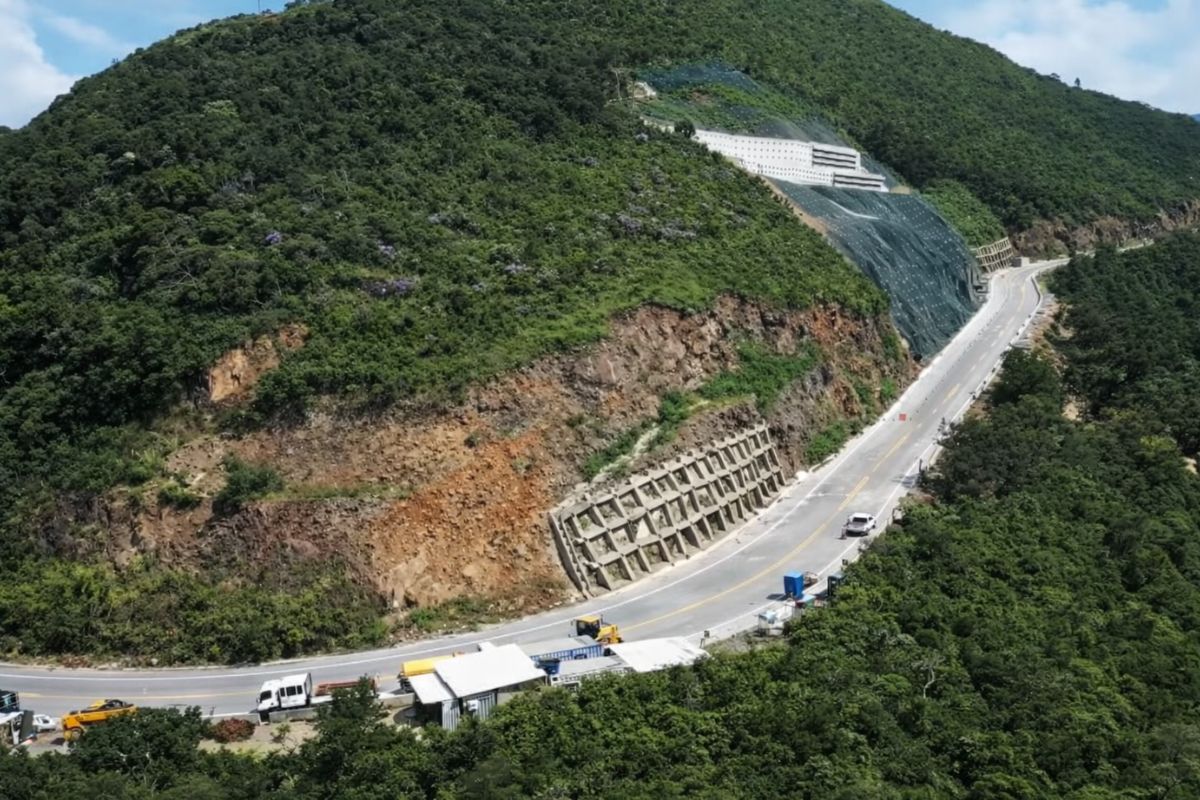
The section of Serra da Rocinha on BR-285 is now open in Timbé do Sul: 50 m tensioned curtains and top-down technique stabilize the slope, with a stairway duct controlling the water.

The reason is practical. In ecological brick, the wall tends to be the final finish, so there isn’t that idea of “fixing it in the plaster later.”
Plumb and alignment need to be right at the time, and this requires care, attention, and time, something that teams used to speed may not want to take on.
Slower Construction Due to Structural Process
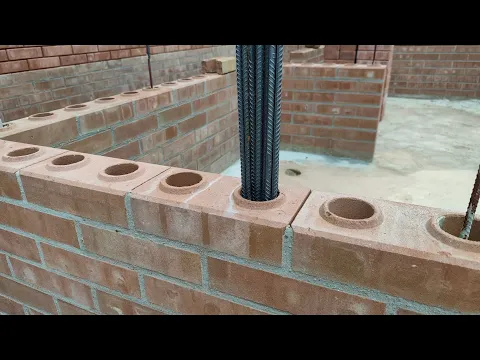

Another important point is the pace. In many conventional constructions, the structure goes up and the wall is added as a fill. In ecological brick, the logic changes because the system works structurally.
In practice, you constantly alternate stages. In certain sections, steel is added inside the wall, then comes concreting, then it goes back to laying, then back to grouting.
This back and forth really slows things down, because it’s not possible to “just do the wall” for a long time without stopping for the structural stages.
Exposed Wall Requires Selection and Care With the Material
Those who want to leave the brick exposed need to adopt a standard: broken bricks become a problem. Pieces that arrive with chips, cracks, or that break during handling can compromise the look and integrity of the set.
This creates a more demanding routine of work. It’s necessary to select pieces, position bricks with small imperfections in less visible places, and protect the material from the beginning to the end. The ecological brick demands continuous finesse, even in the waterproofing phase.
“Conventional” Project Increases Costs for Large Spans and Slabs
Not every project works well with this system. The closer the layout is to a traditional solution with large spans, robust beams, and areas that depend on heavy pillars and structures, the more the cost tends to approach the conventional.
Slabs also require special attention. During concreting, drips can stain exposed walls, and depending on the concrete, cleaning can be difficult without damaging the brick. This can lead to rework and extra costs, especially when the idea was to keep everything visible.
Structural Weight and More Robust Foundation, Especially in Two Stories
The ecological brick is heavy, and this is not a detail. This weight impacts logistics and structure. In execution, manual transport consumes energy and time. In the project, the load must be accounted for in the foundation.
When the construction has two floors, the demand for a robust base increases. It is not a system to “decide halfway through” without recalculating, as the overall setup depends on a well-dimensioned structure to support the total weight.
Rigid Planning and Errors That Become a Headache
Here comes one of the biggest points: ecological brick does not go well with improvisation. To avoid cuts and patches later, it is essential to have well-structured electrical, plumbing, and structural projects.
Outlets, conduits, sewage passages, gas points, ducts, and even decisions for thermal comfort need to be considered beforehand. If you change your mind later, often the solution ends up being to cut walls or accept external installations. And when the proposal is to keep the wall exposed, cutting can mean losing the finish and having to mask it with plaster or decoration.
Thermal Comfort Helps, But Doesn’t Solve Everything Alone
Many people enter the system thinking of thermal comfort as a total guarantee. The ecological brick can help, but it’s not a miracle.
Depending on the project, the solar position, the slab closing the holes, and the region’s climate, there can still be very hot spaces in summer and cold in winter.
Therefore, decisions like heating, cooling, and duct routes need to be part of the planning package. The sooner this is defined, the lower the chance of improvised and visible solutions at the end.
Would you build with ecological brick even knowing that the construction could be slower and require rigid planning, or would you prefer a more “forgiving” system for adjustments during execution?






Na verdade é uma matéria que focou muito em pontos negativos!! De fato foi escrita de forma genérica e por quem não entende do assunto!!
Chatgpt
Quem escreveu essa matéria nunca construiu com tijomecológivo e nem conversou com quem o faz. A obra é mais rápida, exatamente o contrário do que falou, as questão estrutural não é um bicho de 7 cabeças e a mão de obra é facilitada em funcao da uniformidade das dimensões dos tijolos, naão necessitando de “excelentes” pedreiros, sendo muito fácil treinar a mao de obra. Até parece que essa é uma matéria paga pela industria de tijolos furados….rs