





 Portuguese
  English
  Spanish
 4 min of reading
  0 comments


The Central Theme of COP30 and the Urgency of Climate Change
The COP30 marks the first time Brazil will host the global climate conference. Therefore, the event will bring together authorities, scientists, and representatives from civil society. The main objective is to define measures that reduce the emission of polluting gases while also strengthening strategies for adapting to extreme climate events.
According to the World Wildlife Fund (WWF-Brazil), climate change is a direct result of human activities. Moreover, the burning of fossil fuels increases the concentration of greenhouse gases and intensifies global warming. This process alters the planet’s natural balance.
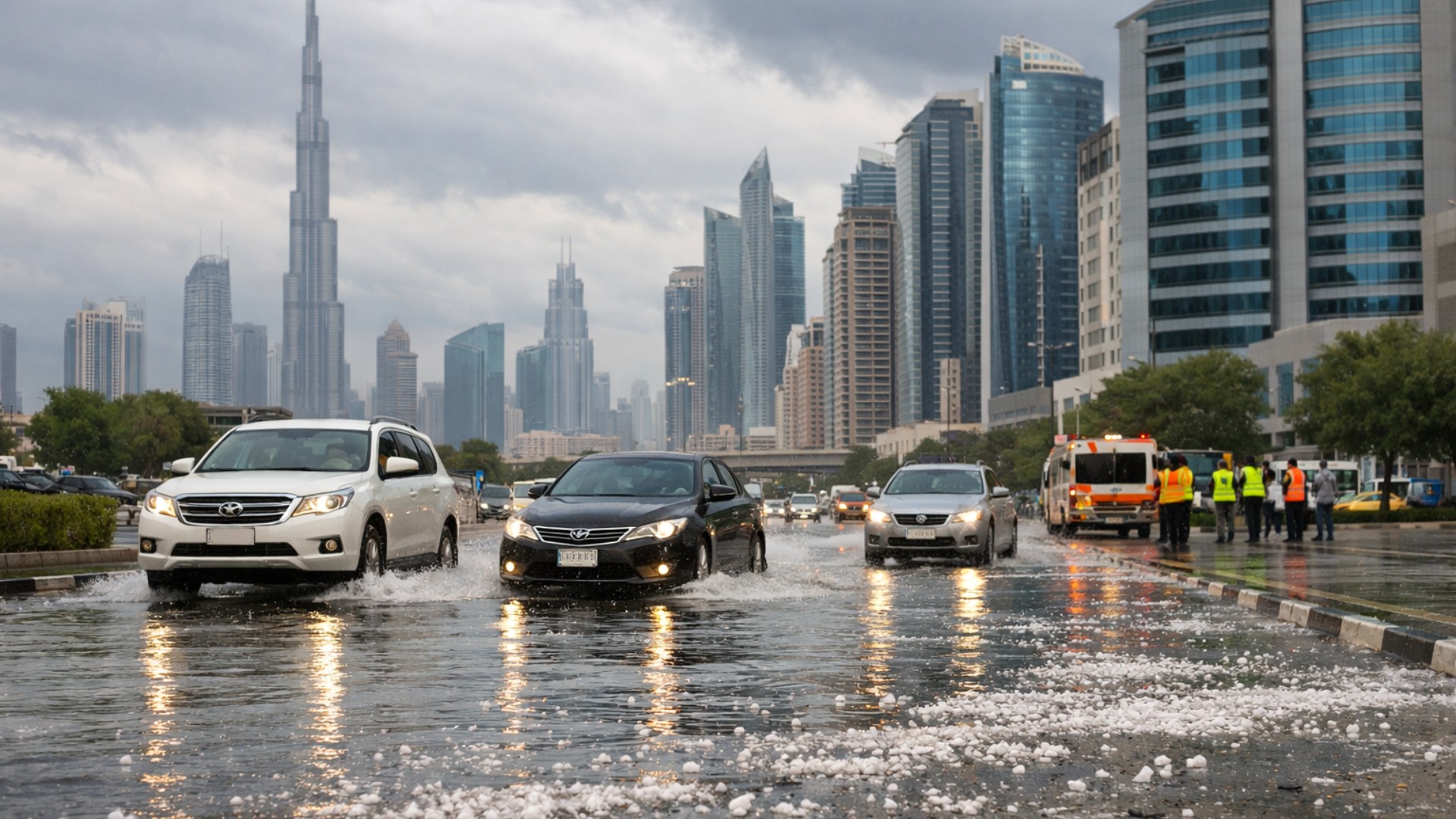
Although the greenhouse effect is essential for life, the excessive accumulation of gases makes it dangerous. As a consequence, heatwaves, prolonged droughts, and severe storms have become more frequent. Thus, it is evident that the Earth is warming at an accelerated rate.
Intensification of Extreme Events in Brazil and Around the World
Since the 1970s, the average global temperature has been steadily rising. This increase occurs alongside the rise in greenhouse gas emissions. Therefore, the changes are a direct result of human action on the climate.
In Brazil, data from the National Center for Monitoring and Early Warning of Natural Disasters (Cemaden) shows that climate disasters tripled between 1990 and 2023. These incidents compromise water supply, agricultural production, and public health. In addition, they raise economic losses and affect thousands of families.
According to meteorologist Francisco de Assis from Brasília, global warming interferes with atmospheric circulation. As a result, it favors intense rainfall, prolonged droughts, and more severe heatwaves.
Therefore, climate adaptation has become an urgent necessity. Urban planning and water resource management must consider the new climate realities. In this way, it is possible to reduce risks, protect communities, and ensure environmental safety.
Interaction Between Natural Phenomena and Human Action
Natural phenomena such as El Niño and La Niña have influenced the global climate for centuries. They alter patterns of rain, temperature, and atmospheric circulation. However, with the advance of global warming, their effects have become even more intense.
Today, drought periods and storms are more extreme. In addition, global warming prolongs climate events and amplifies damage in different regions.
According to Reinaldo Silveira, a researcher at the Environmental Technology and Monitoring System of Paraná (Simepar), “global warming does not create phenomena like El Niño, but modifies its intensity and duration.” This alteration causes impacts on a global scale.
Human action amplifies these effects. Deforestation, intensive use of fossil fuels, and exploitation of natural resources alter the rainfall regime and the thermal balance of the Earth. Thus, the climate becomes more irregular, unpredictable, and vulnerable.
-
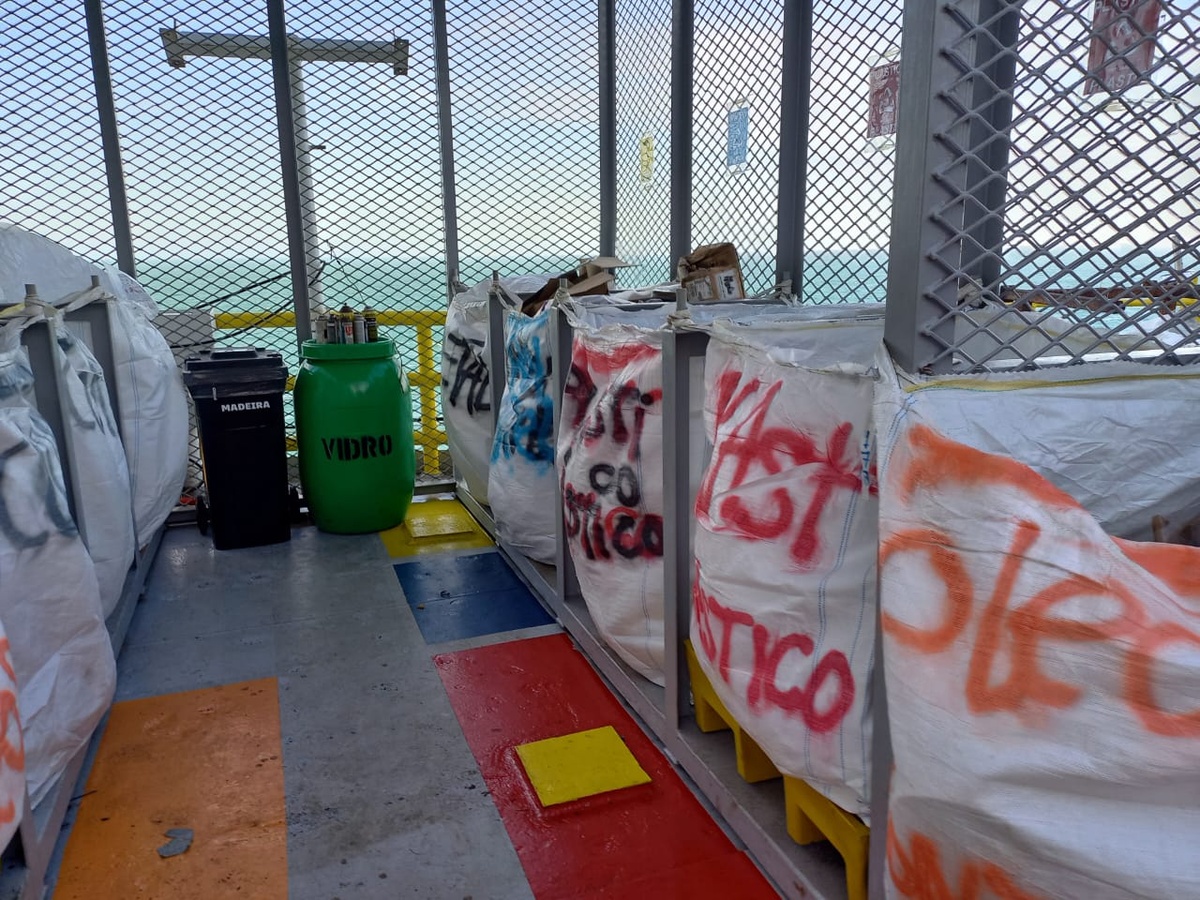
Foresea achieves 100% offshore waste reuse in 2025, eliminates landfill disposal, and consolidates sustainable strategy with 1,500 tons recycled.
-
With earth, bamboo, straw, and lime mortar, a specialist builds a house for just over $460 and draws attention for its cost being much lower than traditional construction.

-
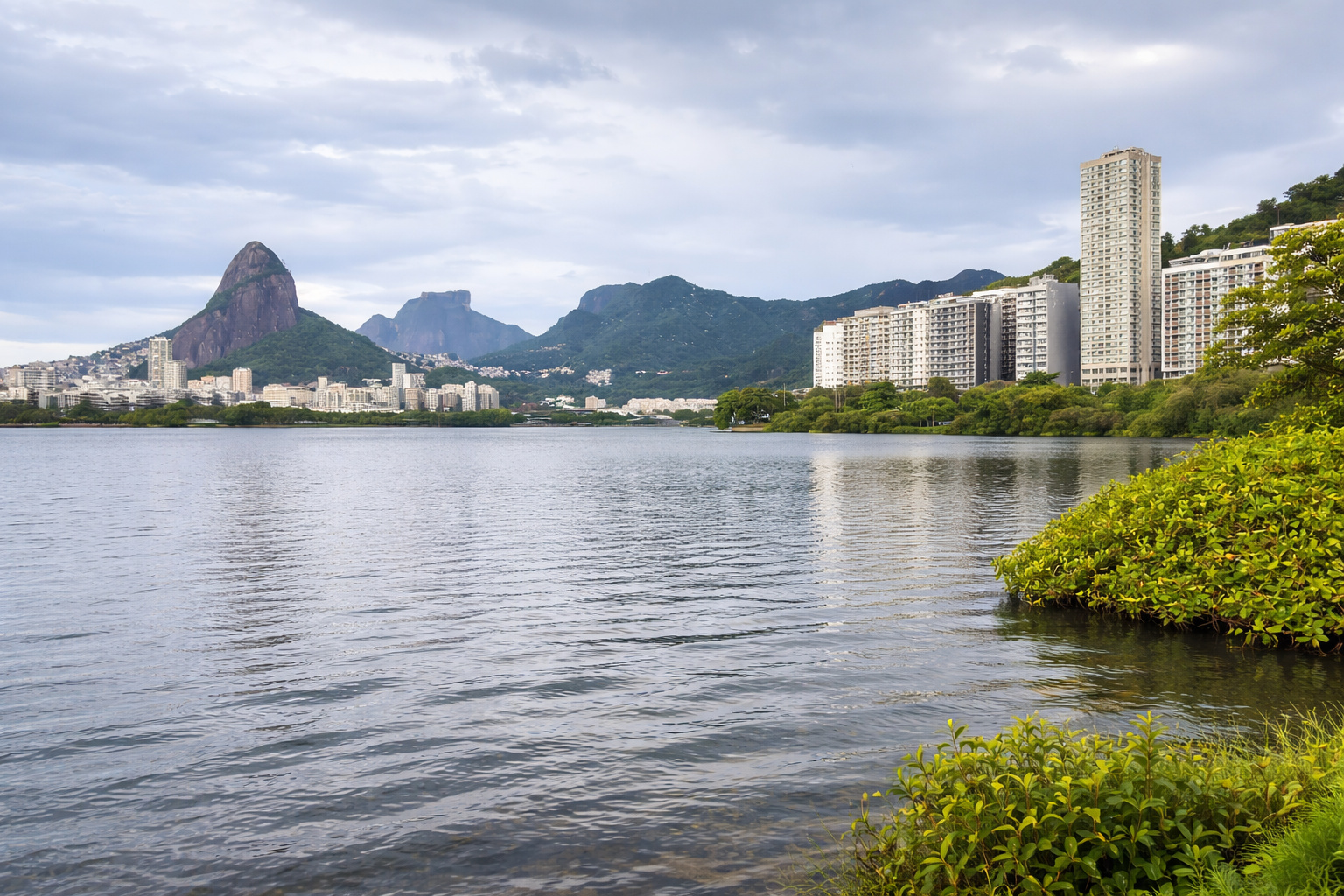
Rodrigo de Freitas Lagoon advances in environmental recovery with sanitation, elimination of irregular sewage, and the resumption of water sports in Rio de Janeiro.
-
Sustainable housing gains strength with a nationally awarded project in Campo Grande, highlighting innovative solutions that combine sustainability, urban integration, and efficiency in the use of natural resources.


Forecasting, Adaptation, and Technological Challenges
Anticipating climate phenomena requires cutting-edge technology and constant monitoring. Therefore, advanced climate models are essential for predicting extreme events and identifying atmospheric patterns.
Even with advances in science, the complexity of the climate system still limits prediction accuracy. Nonetheless, it is possible to reduce uncertainties and improve rapid responses.
Additionally, coordinated actions among governments, companies, and civil society help to slow down the pace of global warming. They also enable communities to prepare for inevitable transformations.
The energy transition, based on clean and sustainable sources, is essential to mitigate the most severe effects. At the same time, it ensures economic growth with less environmental impact.
COP30 in Belém: Opportunities and Challenges for Brazil
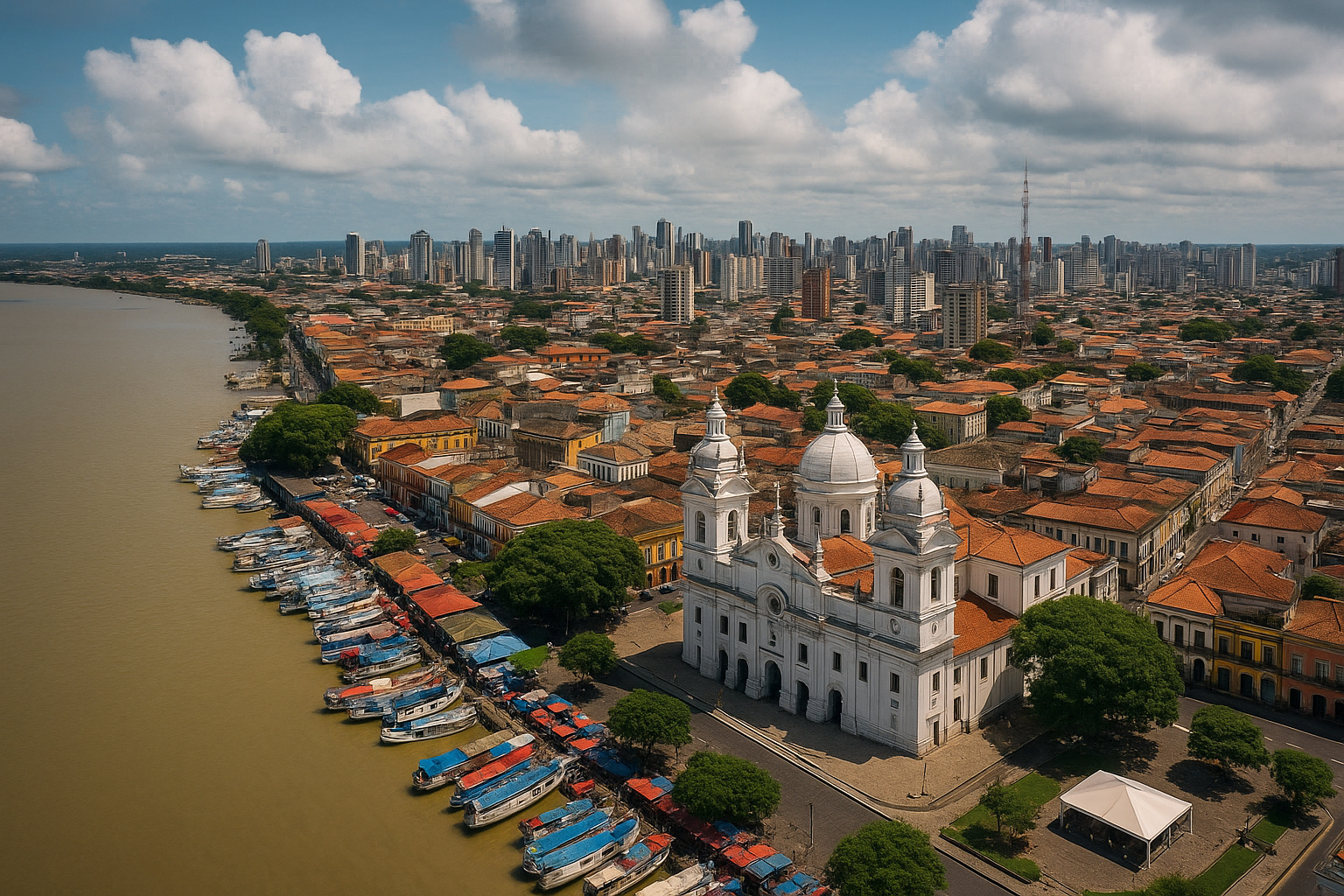
The COP30 will take place from November 10 to 21, 2025, at the Hangar da Amazônia Convention Center in Belém. The event is organized by the UN and the Brazilian government. Thus, the country becomes a key player in the international climate debate.
The main goal is to strengthen the role of the Amazon in global climate policies. Furthermore, the conference aims to ensure international visibility for the conservation of ecosystems and traditional communities.
However, logistical and structural challenges concern the organizers. The high cost of accommodation and limited access for delegations from developing countries are obstacles. Nevertheless, there is great expectation for the event.
Thus, COP30 represents a historic milestone. Brazil takes on a role as a protagonist in global environmental discussions and reinforces its commitment to a sustainable future.
Main points of COP30:
- Date and location: November 10 to 21, 2025, Belém (PA)
- Central themes: gas mitigation, climate adaptation, and ecosystem protection
- Relevance: first UN climate conference in Brazil
- Challenges: logistics, costs, and expanding international participation
Why COP30 Matters for the Future of the Planet?
Global warming is no longer just a forecast, but an observable reality. Its effects impact the economy, public health, and food security. Moreover, they directly affect the well-being of populations.
For this reason, the COP30 emerges as a decisive space for global mobilization. It seeks to create real commitments and concrete measures to stem the climate crisis.
Therefore, the meeting in Belém could mark a new phase in global climate governance. Brazil positions itself at the center of sustainable solutions for the planet and leads a green transformation movement that could change the future.






Seja o primeiro a reagir!