





 Portuguese
  English
  Spanish
  3 min of reading
  0 comments


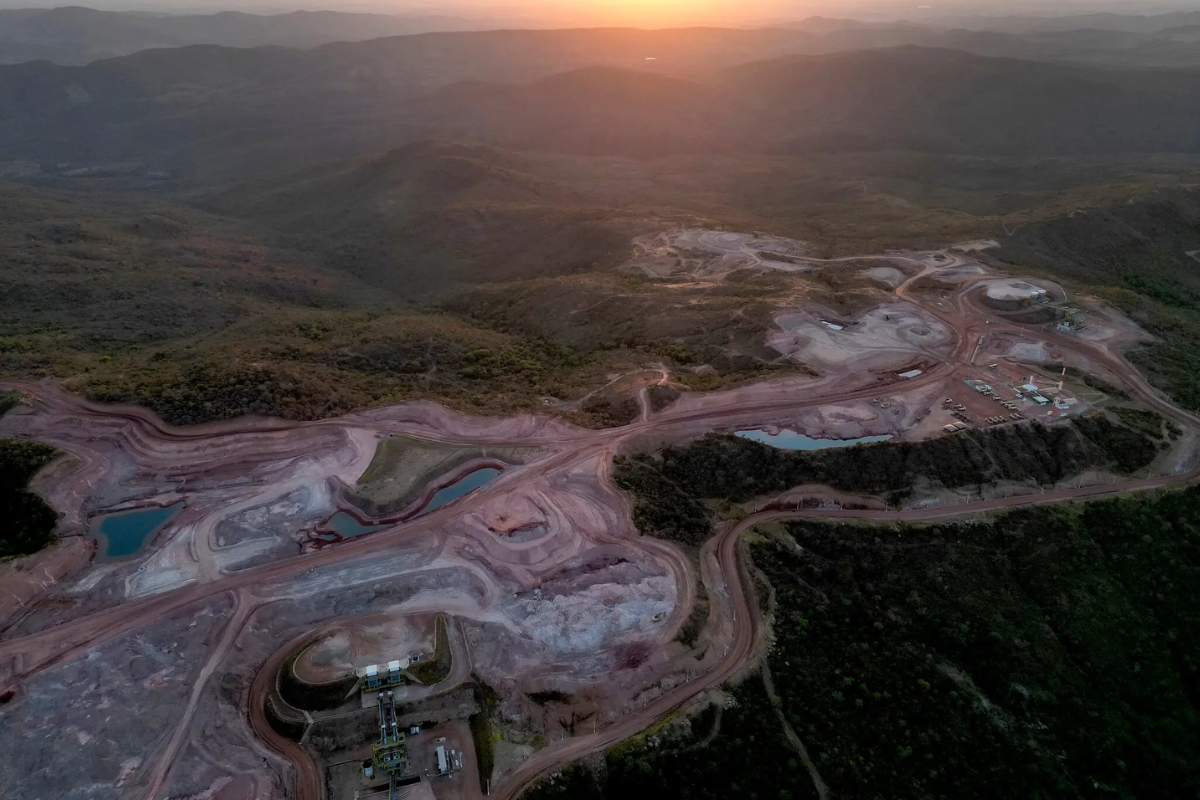
In Brazil, The United States And The European Union Have Intensified Global Coordination To Secure Access To Critical Minerals And Rare Earths, Creating Pressure For Agreements And Drawing The Attention Of Brazilian Authorities.
The interest in critical minerals and rare earths has gained momentum and begun to influence diplomacy between Western powers and Brazil. The topic advanced because these inputs are considered strategic for national security and the energy transition.
The demand for clean and renewable technologies is growing and driving the search for raw materials used in batteries, semiconductors, and power generation equipment. At the same time, concerns about dependence on suppliers concentrated in a few countries are increasing, elevating the risk of supply instability.
The information was disclosed by Reuters, an international news agency.
-
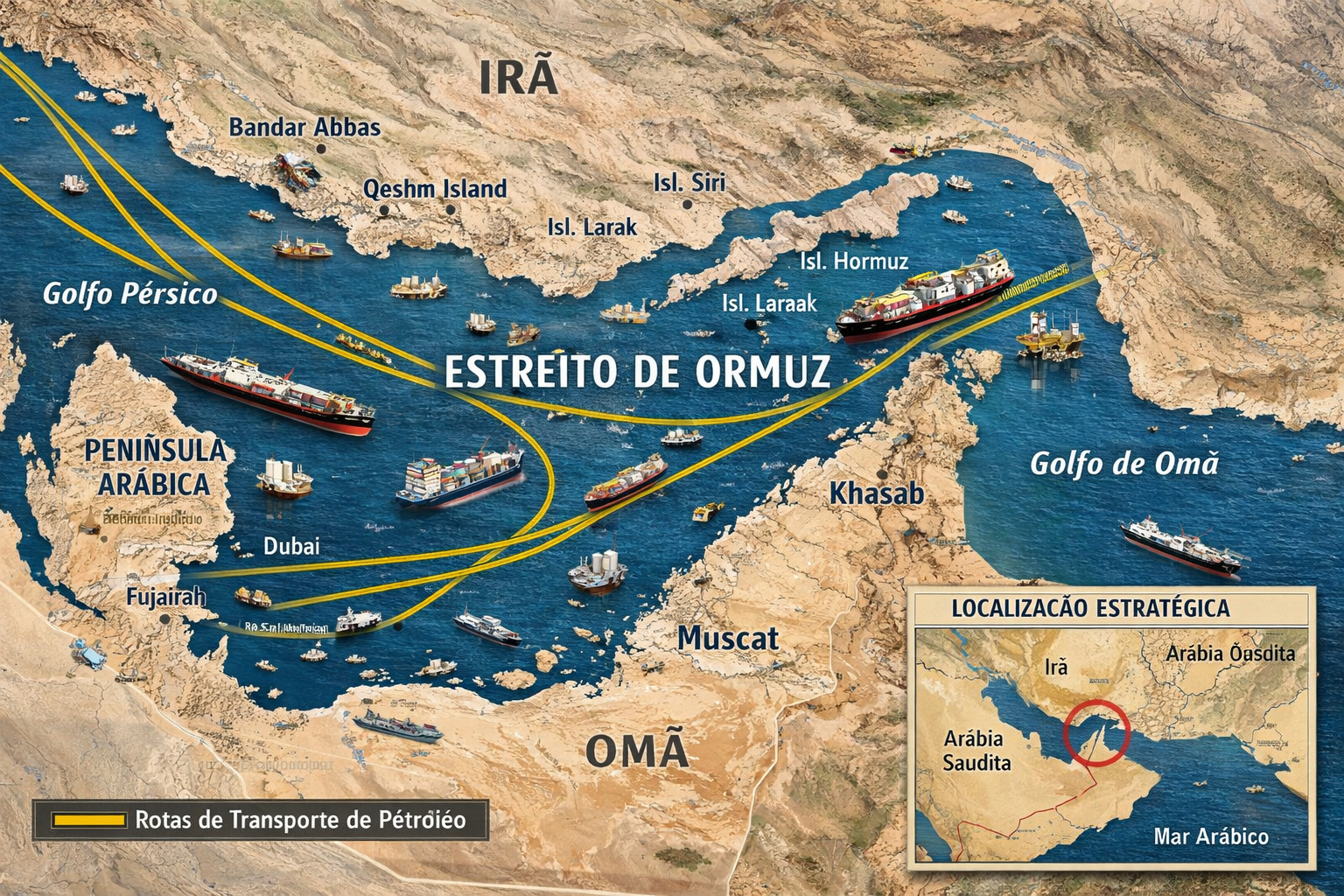
Global summit with over 40 countries pressures Iran for a blockade in the Strait of Hormuz and warns of direct impact on oil, food, and the global economy.
-
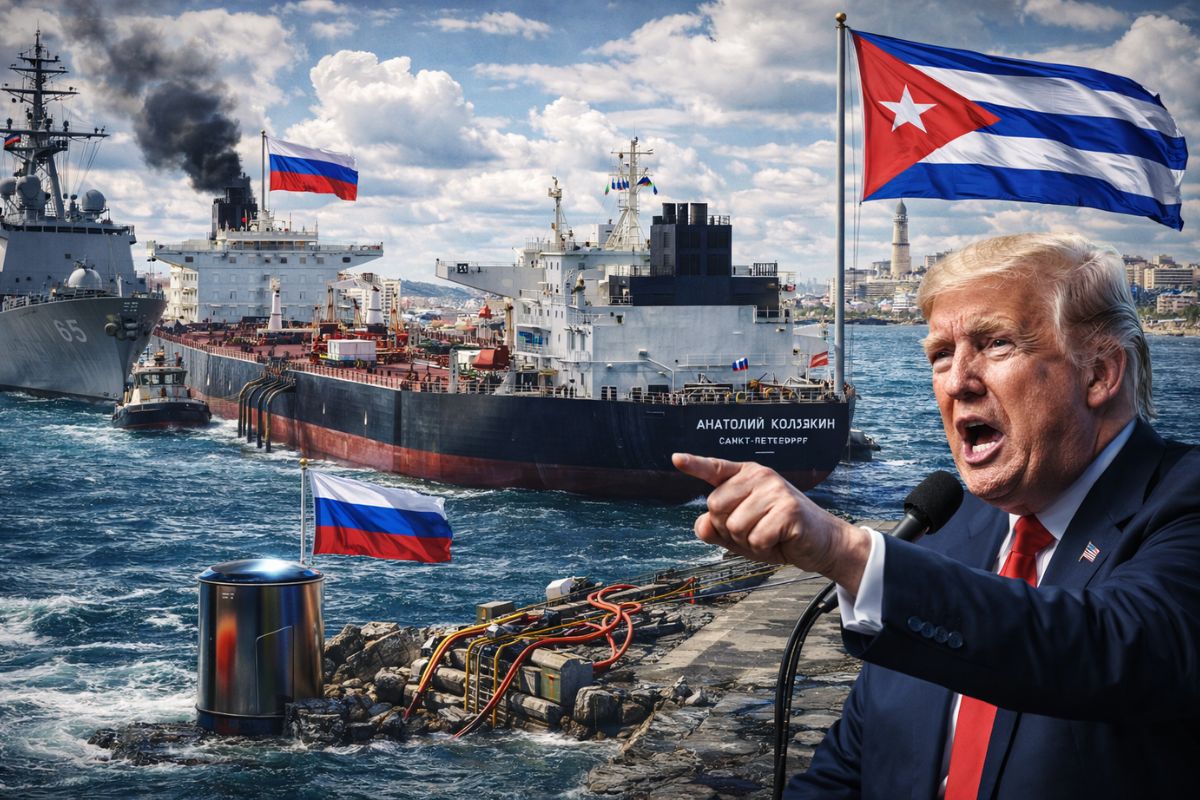
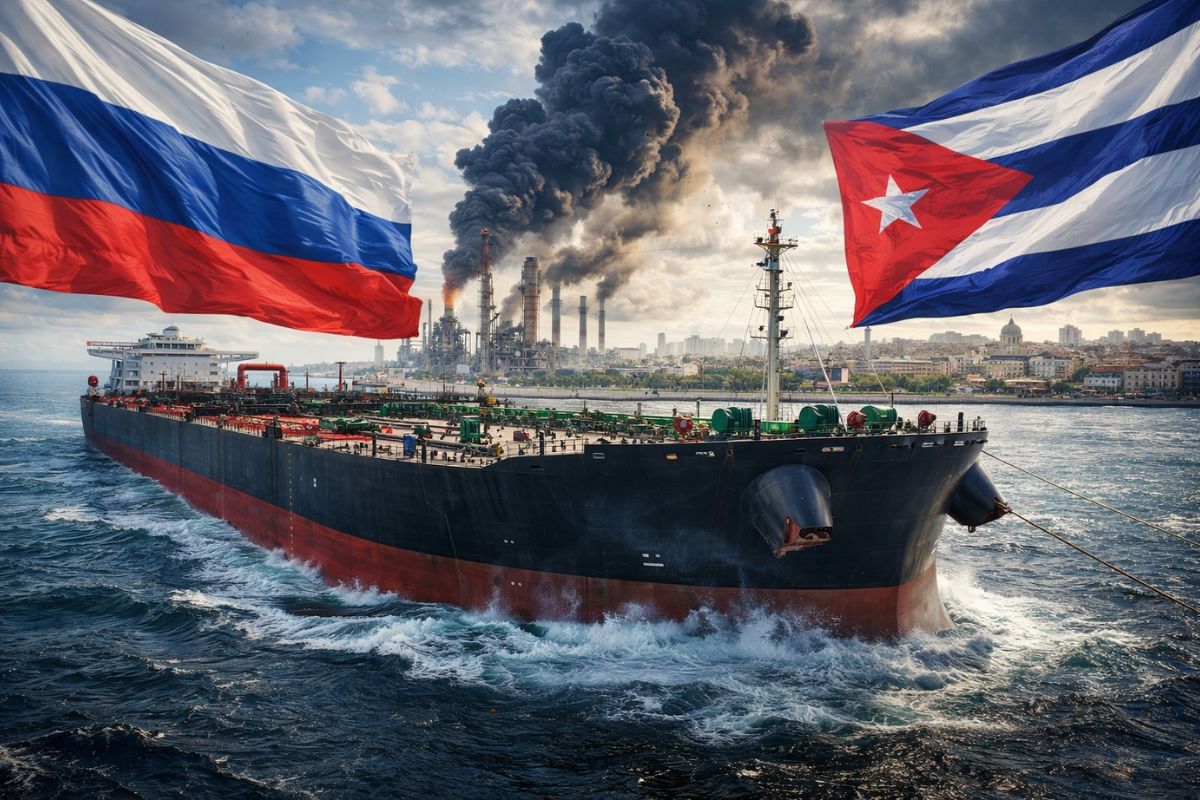
Russia has broken the U.S. maritime blockade to send oil to Cuba and is now loading a second ship while Trump says that “Cuba is next” in a possible military action against the island.
-
Spain challenges the USA and closes its airspace for operations against Iran, raising global tension and provoking the threat of a trade rupture.

-
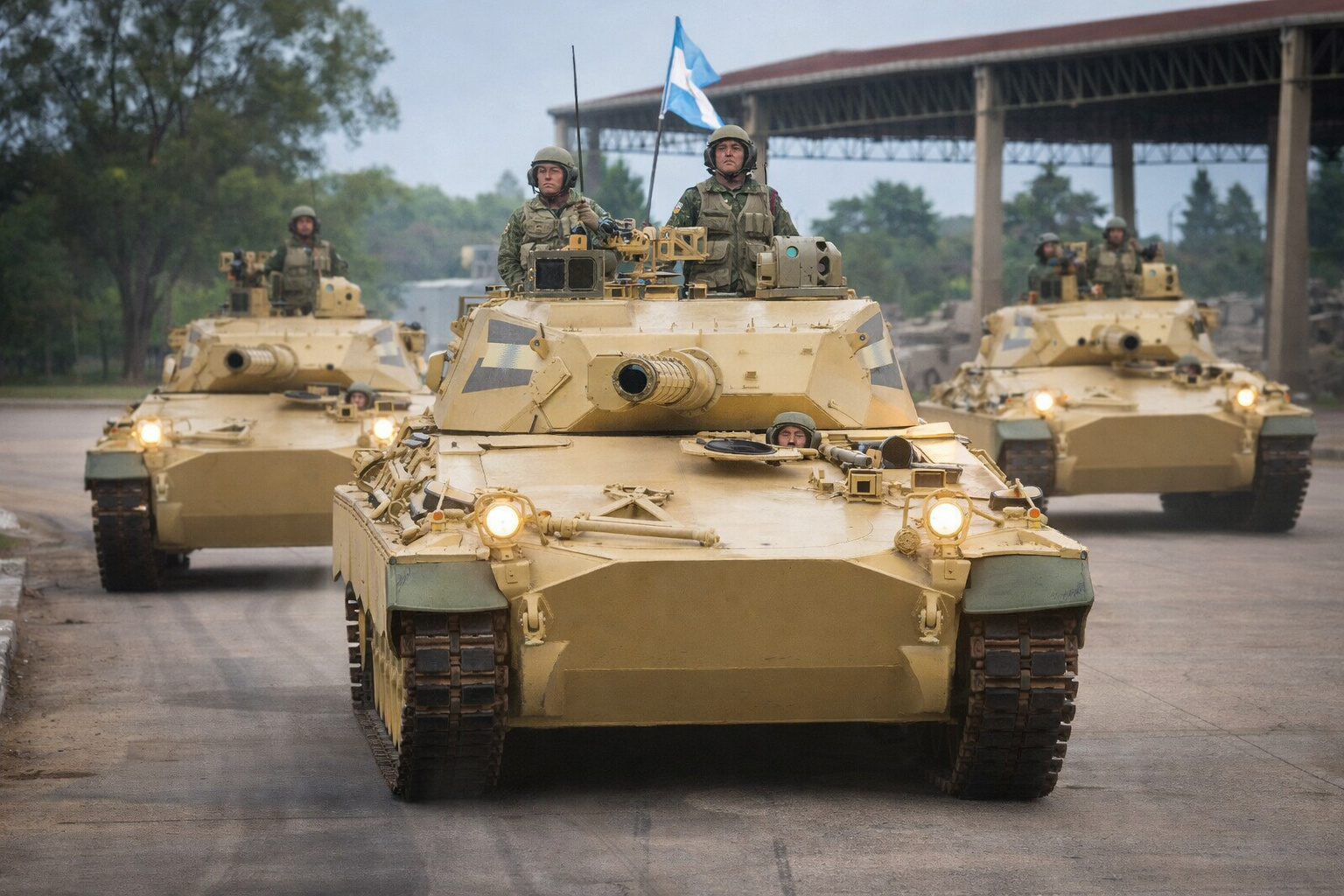
While no other country manufactures tanks in Latin America, Argentina activates the TAM 2C-A2 and raises a curiosity about the technological lag in the region.

According to initial investigations, Brazilian authorities assess that the country can consolidate itself as a strategic supplier in this scenario, provided it can balance foreign investment, regulation, and sovereignty over natural resources.
Diplomacy For Critical Minerals Accelerates And Makes Brazil A Priority Target For Washington And Brussels
The United States and the European Union have intensified efforts to strengthen relations with Brazil aiming for access to critical minerals and rare earths. This movement occurs because these resources have gained importance in national security and energy autonomy.
The most notable point is the attempt to reduce dependence on suppliers concentrated in a few countries, seeking more predictability and market stability subject to geopolitical tensions.
Brazil Is Already Among The Top 10 Producers Of Nickel, Manganese, Niobium, Iron, And Bauxite And Expands Presence In Lithium And Graphite

Brazil ranks among the top ten global producers of nickel, manganese, niobium, iron ore, and bauxite. This position strengthens the country as a relevant player for industrial chains that depend on volume, regularity, and continuous supply.
Moreover, the country has been expanding its presence in the production of lithium, natural graphite, rare earths, vanadium, and copper. These minerals are fundamental for high-tech sectors, with direct applications in batteries, semiconductors, and equipment related to renewable energy generation.
Bilateral Agreements And Industrial Partnerships Come To The Fore As Brazil Tries To Preserve Sovereignty Over Natural Resources
The strategy of the United States and the European Union includes bilateral negotiations and partnership proposals to ensure continuous access to what has been described as a mineral treasure. The goal is to form supply chains less vulnerable to geopolitical tensions.
From the Brazilian side, the topic appears associated with a delicate balance. The openness to foreign investment is considered, but it accompanies the need to preserve sovereignty over natural resources and maintain control over strategic assets.
Sustainable Exploration And Clear Rules Become A Condition For Brazil To Turn Mineral Potential Into Real Economic Gain

The advancement of Brazil in this sector can generate significant economic opportunities, according to experts, but it depends on clear policies. The need for regulation and sustainability appears as a central point to turn mineral potential into consistent results.
The challenge lies in reconciling increased production with responsible environmental practices while ensuring that the benefits are distributed internally. The scenario also requires attention to avoid local impacts without proportional returns.
Race For Energy Autonomy May Expand Investments And Reposition The Brazilian Mineral Sector In Global Geopolitics
The international competition reinforces Brazil’s role as a central actor in the global energy transition. This may increase interest in mining projects and in industrial chains associated with these minerals.
At the same time, the scenario highlights the need for long-term strategies to protect national interests, as the demand for critical minerals is expected to remain high with the expansion of clean and renewable technologies.
In the end, Brazil appears as one of the countries capable of influencing the pace and stability of global supply, which repositions the mineral sector in the economic and geopolitical debate.









-

Uma pessoa reagiu a isso.