





 Português
  Inglês
  Espanhol
  3 min de leitura



The Number Of Electric Cars In The Future Will Surge And The Use Of Gasoline And Diesel Should End In Most Companies By 2050
The whole world is increasingly investing in clean energy, with electric vehicles being one of the engines of this market. However, with cars completely abandoning gasoline over the next 20 to 30 years, should the global oil market be concerned?
Honda announced that it intends to sell only electric cars by 2040, completely phasing out its gasoline-powered vehicles. Other companies in the sector have also declared that they will do the same. Additionally, some governments are already making projections to ban the circulation of gasoline-powered vehicles.
However, experts highlight that the growth of the electric vehicle market is not necessarily a bad thing for oil. The commodities market has been experiencing strong growth with the increase in demand for copper, platinum, and palladium.
-
Offshore industrial demand in Macaé skyrockets with the recovery of oil and gas and could grow by up to 396% by 2026 in the Campos Basin.
-
Offshore industrial demand in Macaé surges with the recovery of oil and gas and could grow by up to 396% by 2026 in the Campos Basin.
-
Brazilian giant expands borders in the Southeast: Petrobras confirms new oil discovery in ultra-deep waters in the pre-salt of the Campos Basin.

-
Alert in the global energy market: Severe tropical cyclone hits the coast and disrupts gas production at major plants in Australia, threatening global supply.


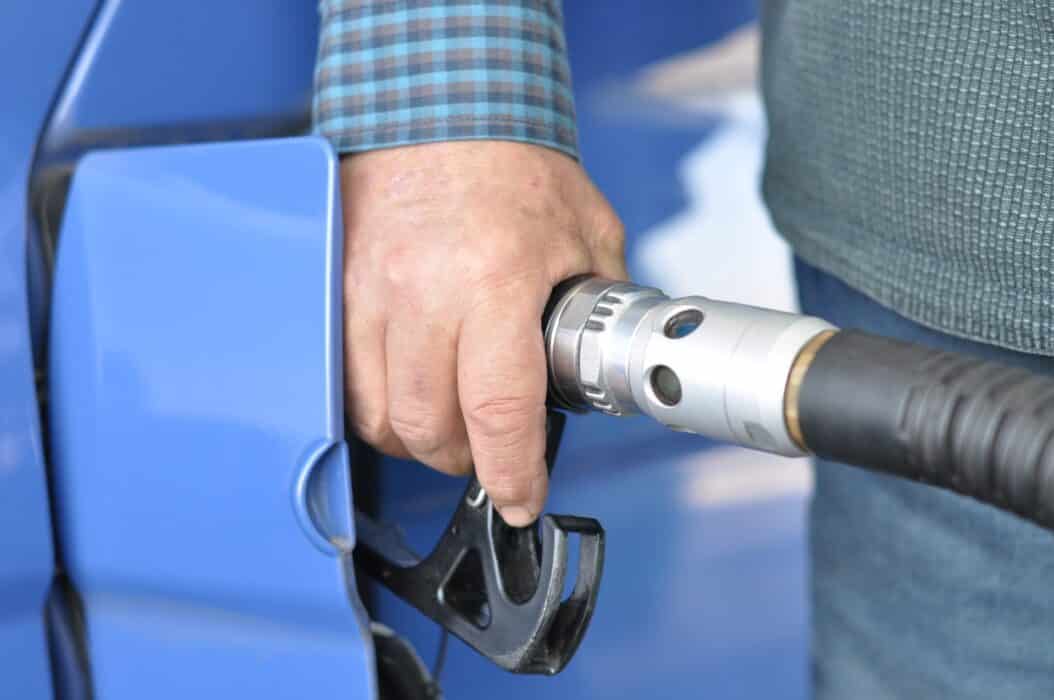
The electric car market experienced a growth of 41% in 2020, according to a report from the International Energy Agency. These numbers will continue to grow over the next decade.
Recently, U.S. President Joe Biden proposed an investment of 174 billion dollars in electric vehicles. This is still a study on increasing credit for the producing companies.
Lithium has become essential for manufacturing electric car batteries. Just last year, the metal saw a 41% increase. In the next 5 years, a 300% increase in the value of the metal is expected.
Does The Growth Of Electric Vehicles Threaten Oil?
A report from IHS showed that only 0.4% of all global road transport is powered by electricity, with the majority of this – about 75% – in the Chinese market. The amount is small, but it has tripled in the last decade.
The oil market is mainly concerned with how much oil demand is being replaced by electricity. In 2020, for example, there were 9.2 million electric vehicles and 20,000 powered by fuel cells in the market. Combined, these vehicles account for only 0.2% of global oil consumption. If electric buses and other electric two-wheel vehicles are included, the number rises to 0.4% in 2020.
By 2025, with the entire outlook for growth in electric vehicle sales, it is estimated that what these vehicles will stop consuming in oil will equate to 1.4%.
Oil At A Disadvantage
Alternative energy sources have a significant advantage over oil. Investments in the sector will be trillion-dollar in the coming decades, in addition to receiving substantial political and societal support for environmental preservation.
The advancement of electric cars, for now, does not generate concern in the global oil market: “inevitably, some of them may penetrate the market and continue to consume traditional market share for liquid fuels,” said Dean Foreman from the American Petroleum Institute. Even with sector growth in the coming years, this does not cause concern: “It is clear that the primary energy sources for transportation will continue to be natural gas and oil,” concluded Foreman.










Seja o primeiro a reagir!