Portuguese
  Spanish


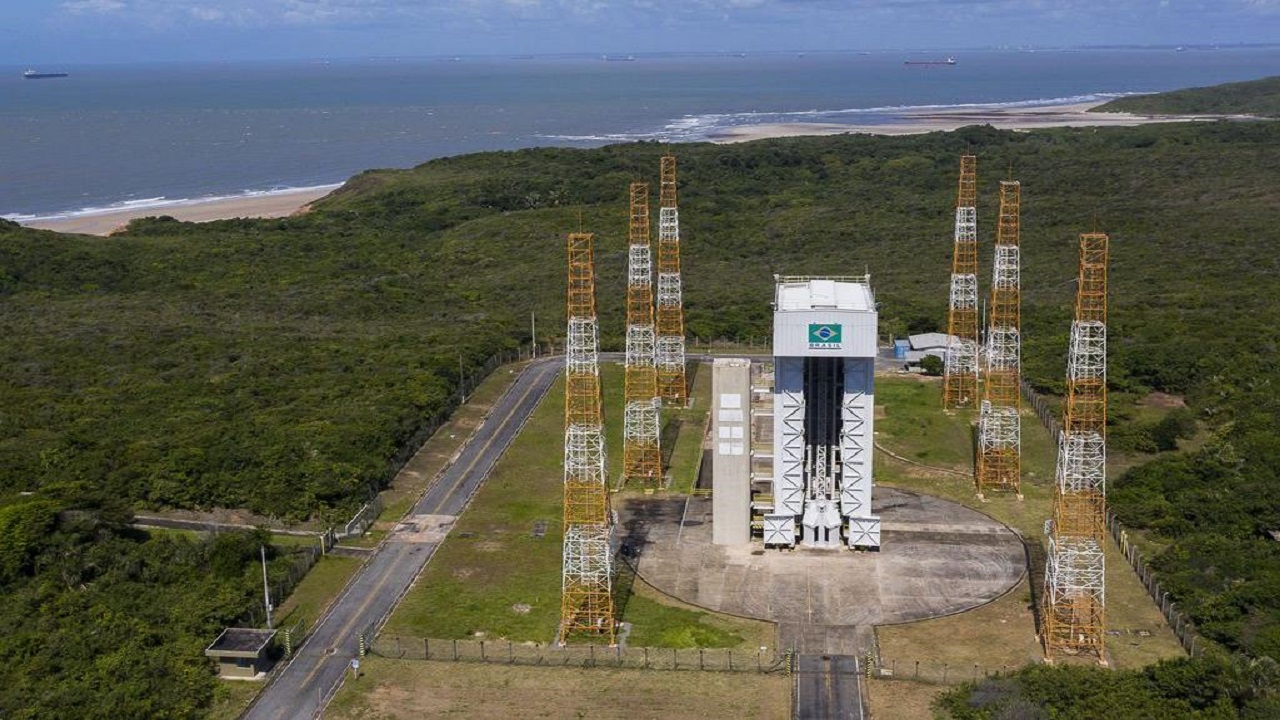

The Alcântara Space Center (CEA), in partnership with AEG and the Brazilian Air Force (FAB), signed a contract with WEG for the supply of a complete solar energy storage system in batteries
This week, the Alcântara Space Center (CEA), in partnership with the Brazilian Space Agency (AEB) and the Brazilian Air Force (FAB), signed a contract with WEG that guarantees greater generation and storage capacity of solar energy at the launch base in Alcântara, revolutionizing the renewable industry.
Read Also
Contract of CEA with WEG
The agreement of CEA – Alcântara Space Center stipulates that WEG will provide a complete solar energy storage system using lithium-ion batteries. In addition, the contract includes the development of a control system for an autonomous-operating grid, the famous microgrids, which will be powered by various energy sources.
The microgrid contract will be the first signed by WEG worldwide. According to WEG, the system known as “BESS” has an installed capacity of 1 megawatt (MW) and 1 megawatt-hour (MWh), which will enhance the energy generation of CEA’s microgrid and disperse solar energy usage, ensuring safety, resilience, and quality in energy supply during rocket launches.
-
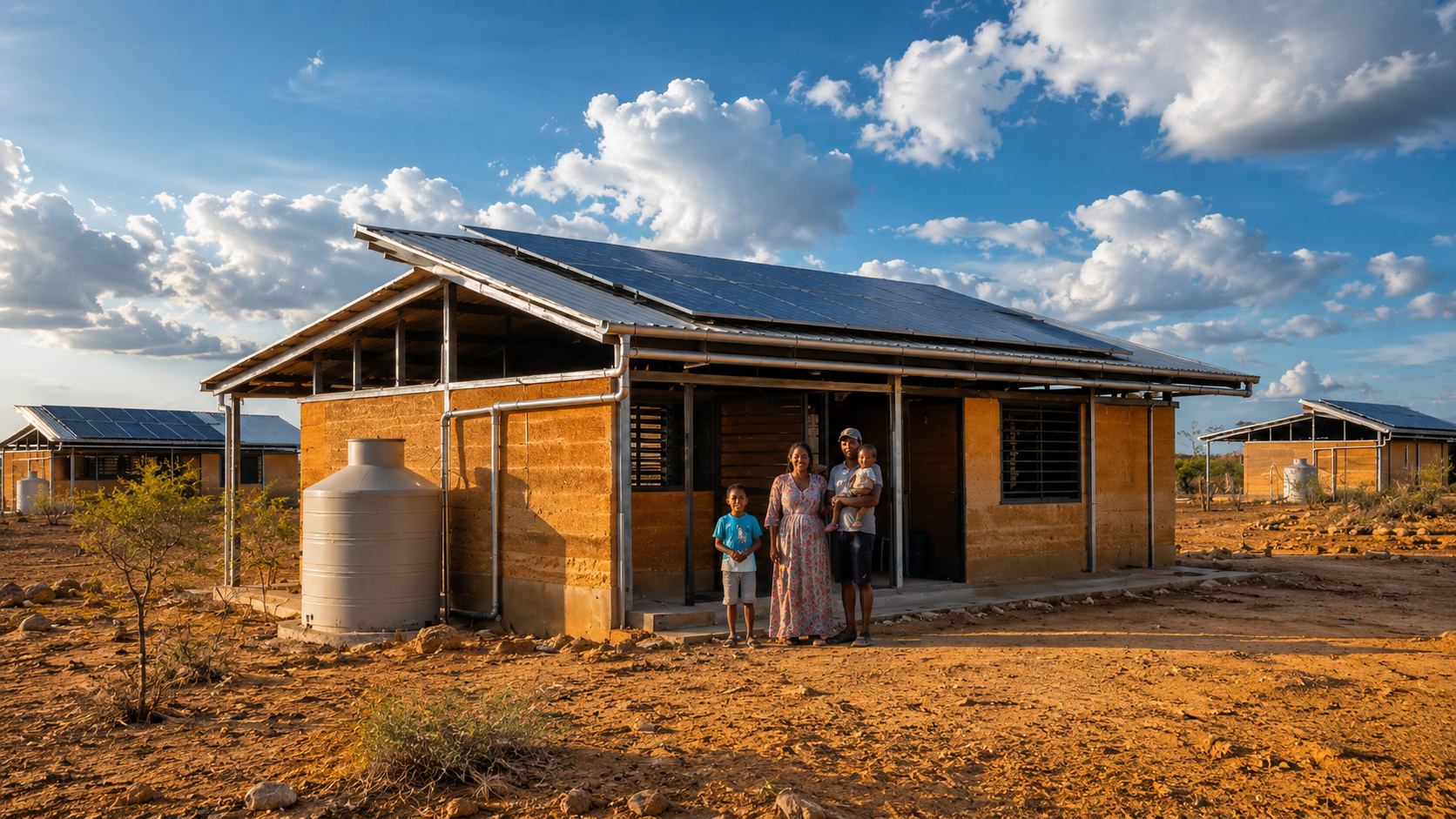
In Colombia’s desert, 30 families receive 80 m² homes with solar panels, waterless toilets, and rainwater collection systems amid water and energy shortages.

-
Engie Secures 10-Year Use of 625 MWh in Batteries to Store Excess Solar and Wind Energy in Spain by 2028
-
Giant Batteries Take Center Stage in Chile Auction as Company Offers 960 GWh of Solar Energy for Nighttime Use, Aiming to Stabilize Solar Power Supply
-
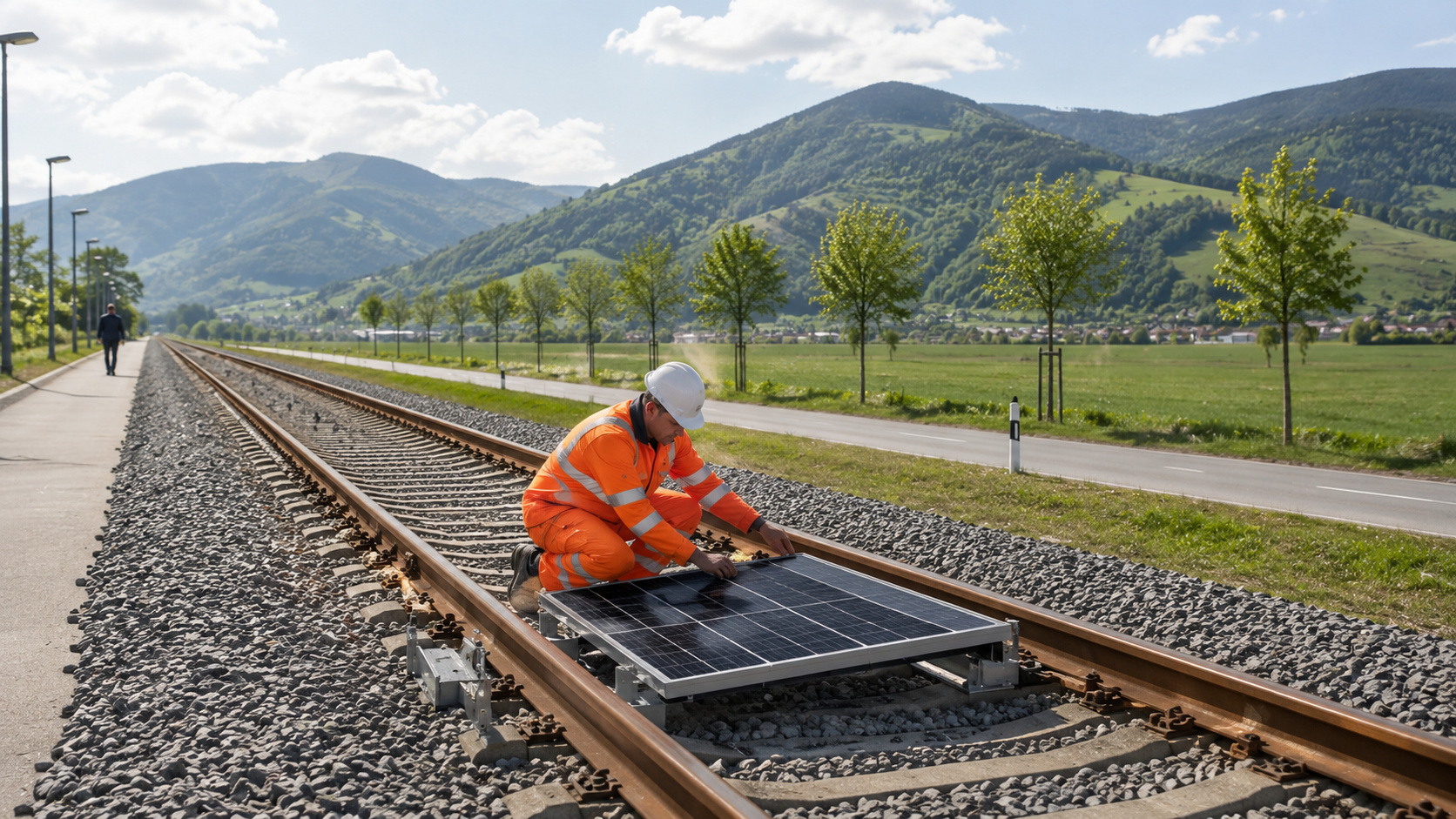
After a Year of Success in Switzerland, Solar Railway Attracts Italy’s Interest for Clean Energy Transformation

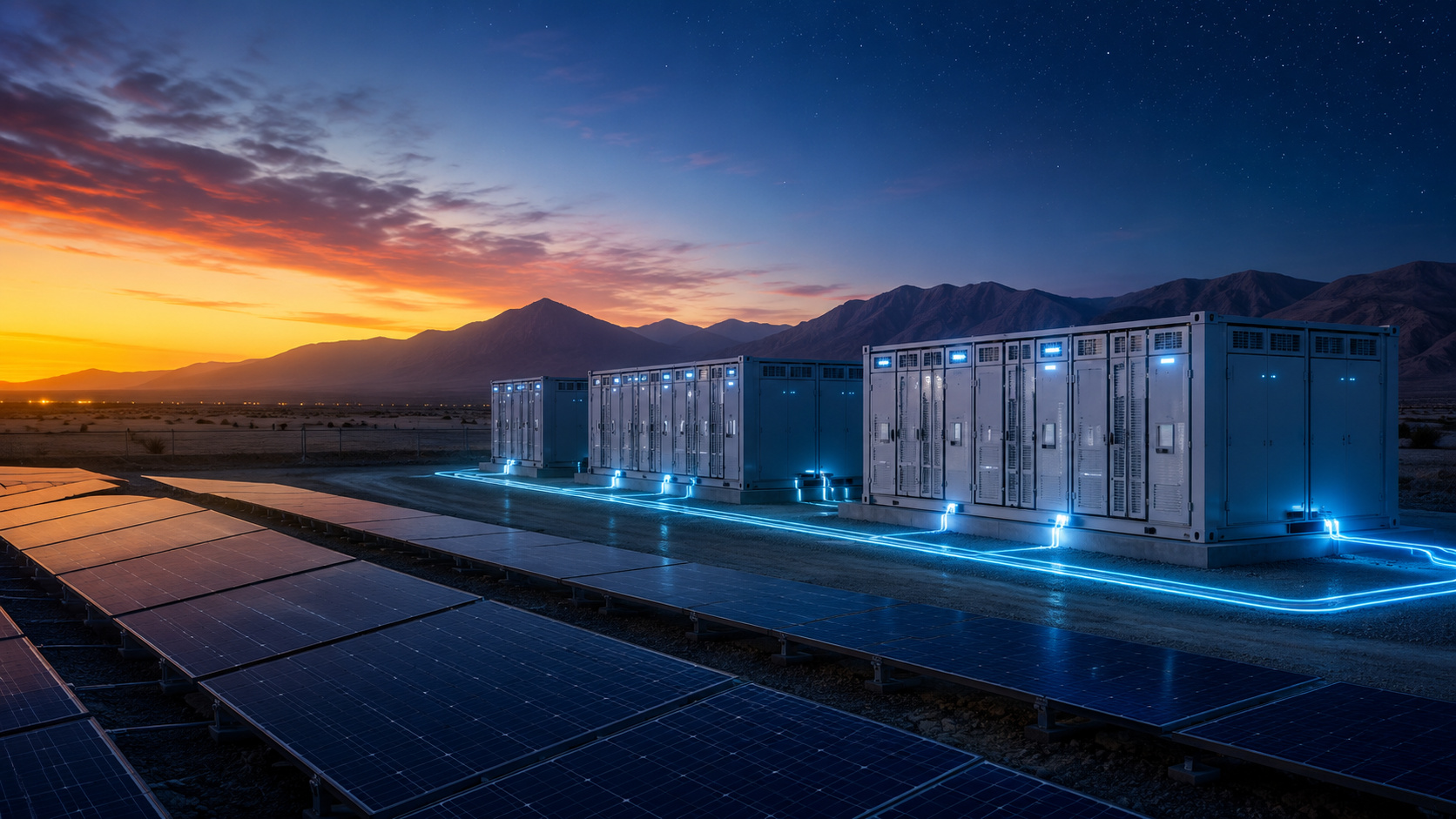
In addition to these benefits, WEG’s solar energy storage project for Alcântara should contribute to sustainability, as the use of “BESS” will eliminate diesel consumption. The operational forecast for “BESS” is set for April 2022.
WEG Revolutionizes Renewable Industry Together with the Alcântara Space Center
According to Manfred Peter Johann, Superintendent Director of Automation at WEG, the company is more than prepared for the project and for the lithium battery solar energy storage market in Brazil.
He stated that the company has a tradition in supplying BESS internationally and is now advancing the development of microgrid control solutions, a new component gaining prominence in the market.
About the CEA
Located 100 km from the capital of Maranhão, São Luís, Alcântara is the most suitable region for launching rockets and satellites due to its advantageous location. The Alcântara Space Center (CEA) turns 38 years old in 2021 and has been a strong source of technology and development for the region.
According to Carlos Moura, president of the Brazilian Space Agency (AEB), the Integrated Development Program for the Alcântara Space Center is active to stimulate investment and partnerships that directly benefit the quality of life of the population of Alcântara and Maranhão.