






 Portuguese
  Spanish


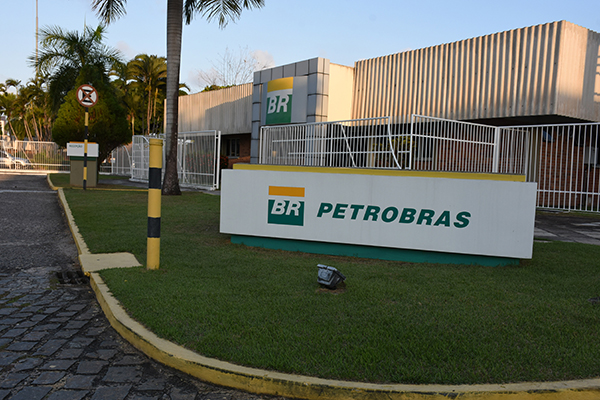

The Policy of Reducing Petrobras Investments in the Region Would Have a Negative Impact on More Than 8,000 Jobs.
The recent statements by Petrobras president, Roberto Castello Branco, to a group of businesspeople in Rio de Janeiro assuring that the company will concentrate its oil and natural gas exploration and production activities in the states of Rio de Janeiro, São Paulo, and Espírito Santo by 2020 reverberated in Rio Grande do Norte, one of the states that produced the most oil nationally.
With an investment focus of US$ 54 billion in the coming years for the 3 states, the state-owned company confirmed the policy initiated in 2015, and accelerated by the Temer government in 2017, to exit Rio Grande do Norte, even ratified by the recent sale of the Macau Fields to private companies.
-
Over 2,000 Tons of Discarded Fishing Nets Since 2020 Repurposed into Durable Caps, Fins, and Parts

-
Seals and Sea Lions Lose Habitat and Food as Climate Change Advances, Impacting Ice, Prey, and Coastal Communities

-
Brazilian Innovator Uses 3D-Printed Device to Cool Two Rooms with One Air Conditioner
-
China Uses 432 Robots to Move a 7,500-Ton Historic Building in Shanghai, Preserving Architecture While Creating Space for Underground Center


This policy is also reflected in the exploration numbers in the state, which dropped from 60,000 barrels per day in 2015 to 38,000 in three years, according to the National Petroleum Agency (ANP).
For Senator Jean Paul Prates, the focus on pre-salt operations is a mistake against the company’s sovereignty and the state.
In RN, Petrobras has already been responsible for 51% of the industrial GDP, according to Pedro Lúcio, general secretary of Sindipetro; the exit of the oil company from the state would pose a threat to approximately 8,400 jobs that the company manages, including 1,740 direct jobs and 6,700 outsourced jobs.
Furthermore, the company manages the royalties and the collection of municipal and state taxes, which will also be threatened by the exit policy.
Pedro Góis demands from the State Government: “Recently, Fátima Bezerra spoke to the company’s president, and he took the commitment to invest 700 million reais in RN in 2019. How will the State Government respond now?”, he questions.
A debate on the strategic importance of Petrobras for Brazil’s regional development marked the launch of the Mixed Parliamentary Front in Defense of Petrobras in Rio Grande do Norte on August 9.
The strategy is to mobilize society in defense of Petrobras. In addition to parliamentarians, the Front includes unionists, representatives of professional associations such as the OAB, and organized civil society.
Petrobras Announces Auction of Barges, Cranes, and Traction Machines


