





 Portuguese
  English
  Spanish
  3 min of reading
  2 comments


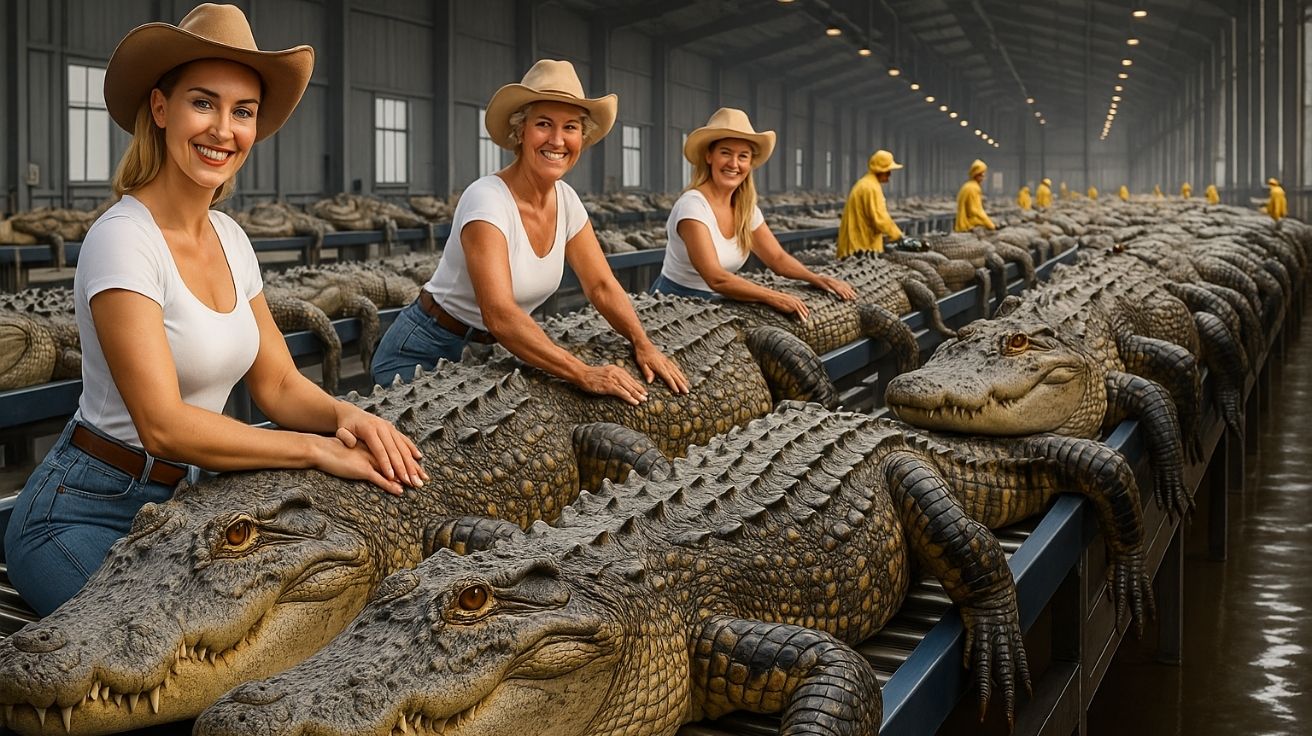


In Countries Like Thailand, Australia and China, Thousands of Crocodiles Are Raised on an Industrial Scale, Fed Special Feed, and Slaughtered with Precision to Supply Brands Like Hermès and Louis Vuitton
Crocodile farms spread across more than 30 countries are revolutionizing modern livestock by breeding, feeding, and processing tens of thousands of reptiles annually to meet the growing demand for exotic meat and high-value leather in the fashion and gastronomy sectors.
Created in areas of up to 100,000 square meters, modern crocodile farms use cutting-edge technology to control reproduction, feeding, and growth of the animals. The process begins with the collection of eggs during the breeding season, between April and August, when females are directed to artificial tanks and monitored by specialists.
ARTICLE CONTINUES BELOWSee also
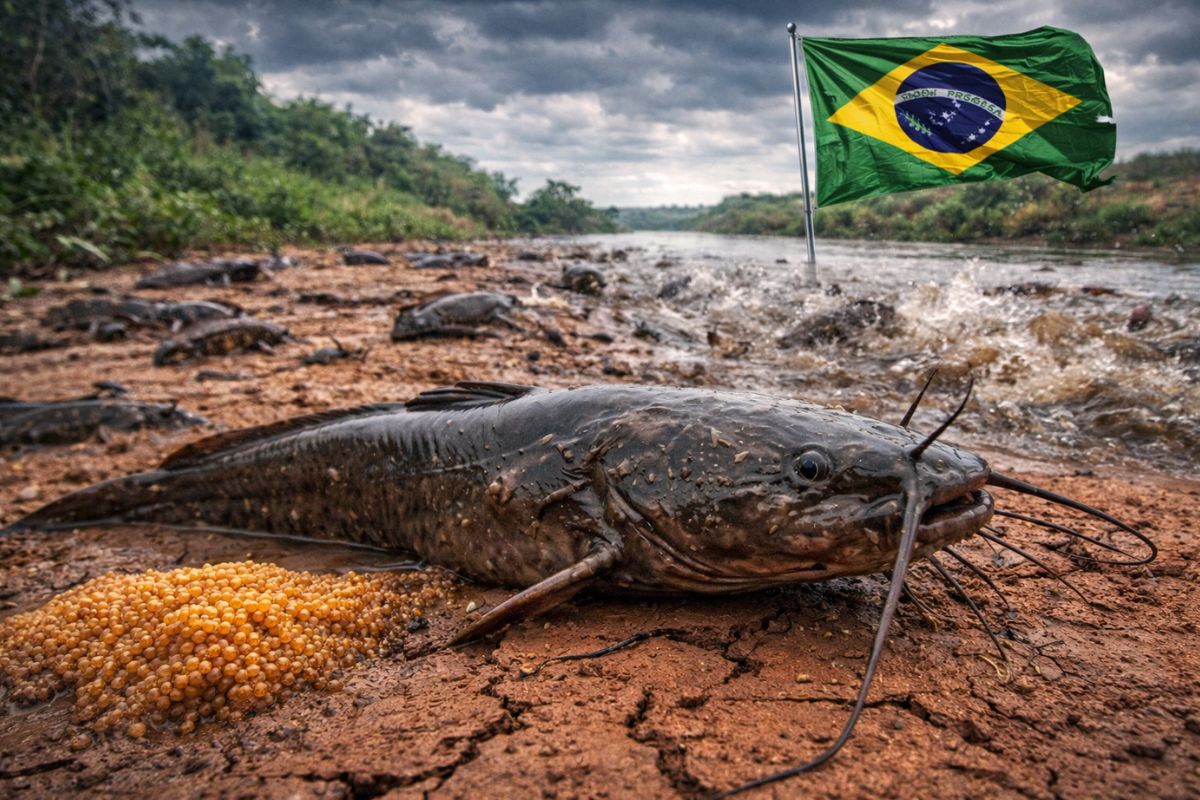
A fish that survives out of water, crawls on land until it finds another river, and whose female lays 80,000 eggs at once is infesting rivers and lakes in Brazil, and no one can stop this invasion.
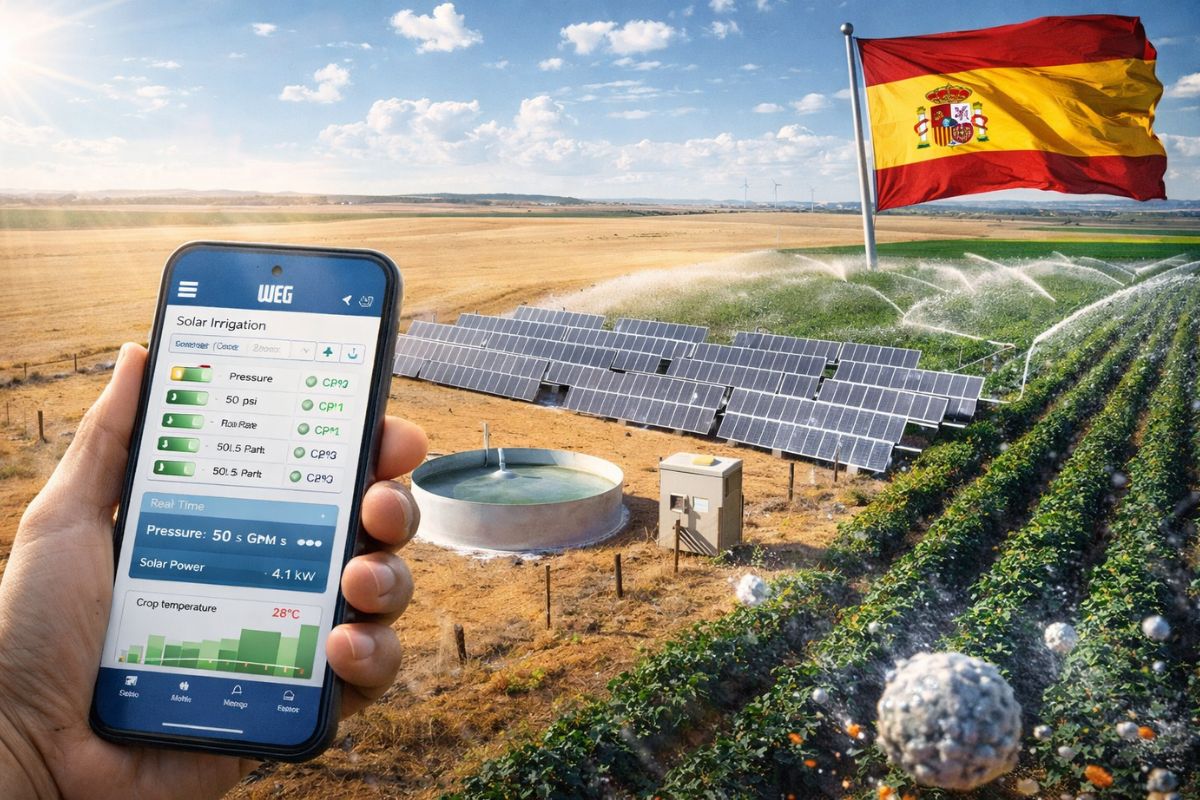
WEG took its technology to Spain to create a solar irrigation system that operates independently without needing an electrical grid, and now farmers control everything remotely via their mobile phones.
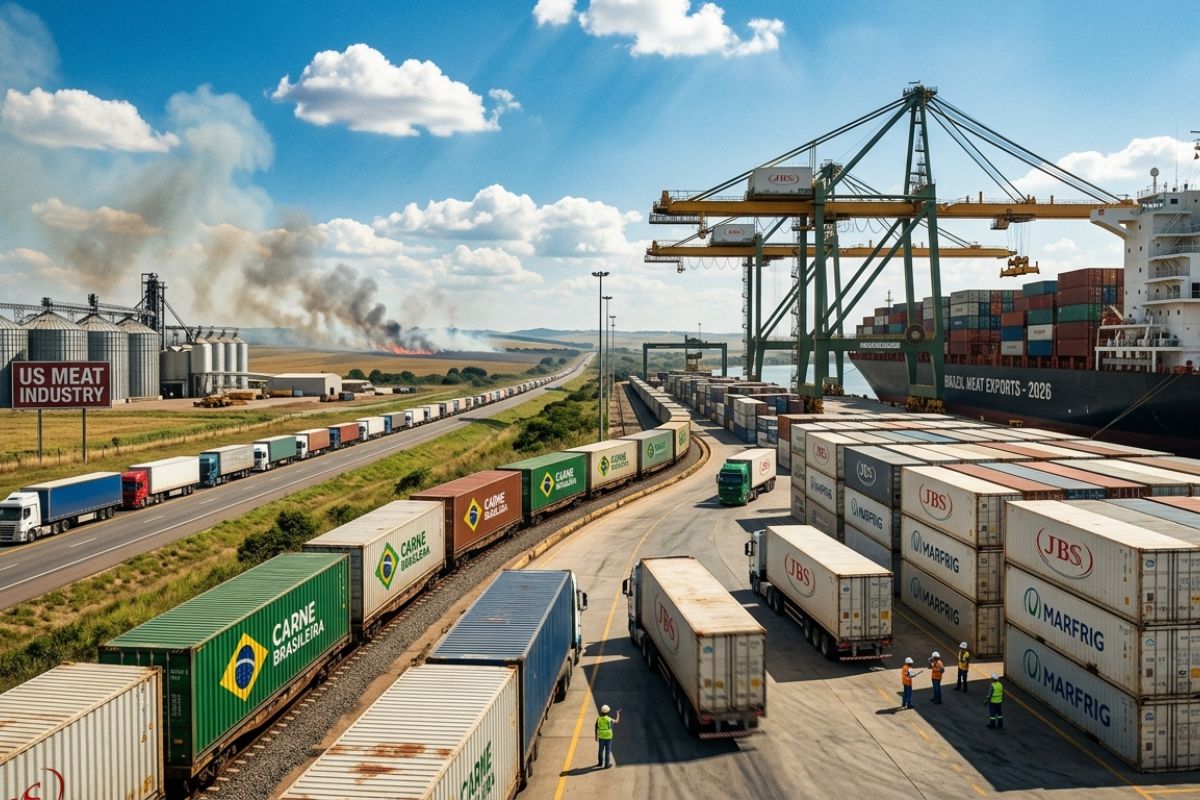
The US faces a meat crisis with fires, pests, and strikes, consumption rises and supply falls to the lowest level since 1952, creating a billion-dollar opportunity for Brazilian exports to grow in 2026.
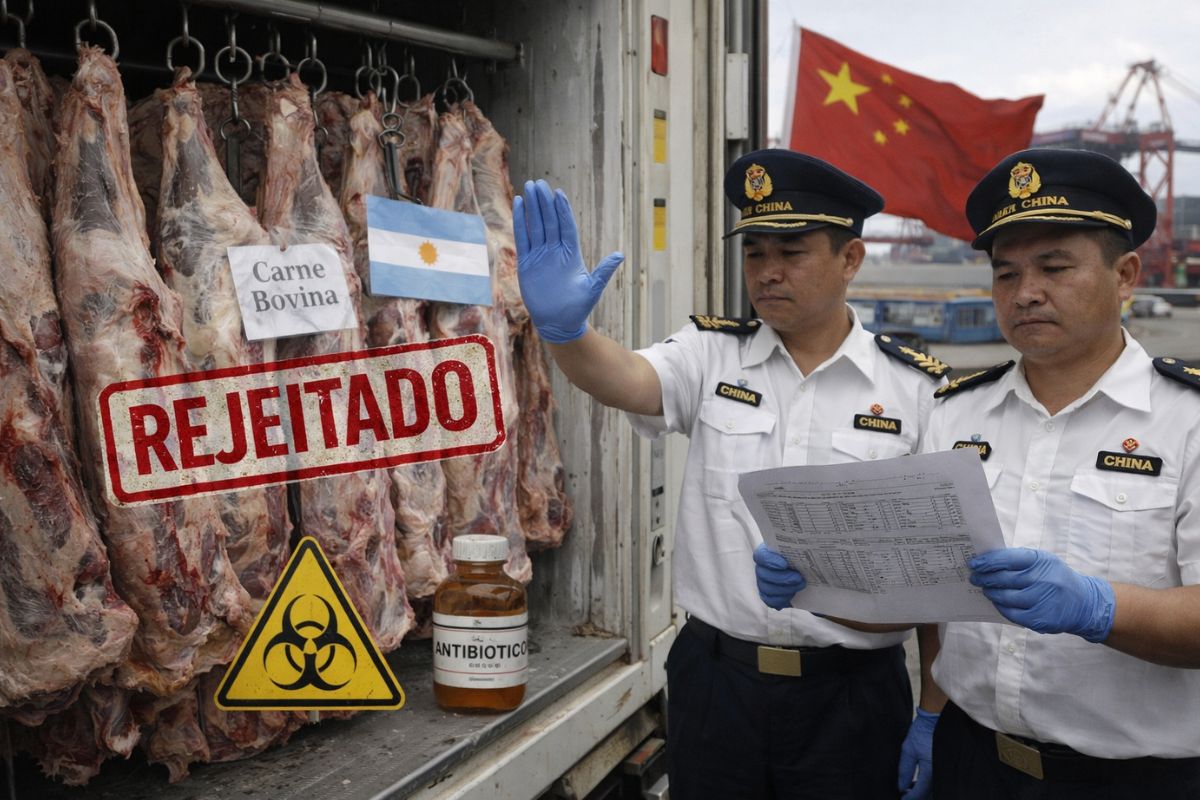
China rejected an entire shipment of beef from Argentina after detecting an antibiotic so dangerous that it has been banned for human consumption for over 30 years, and now the export sector is facing a crisis of international trust.
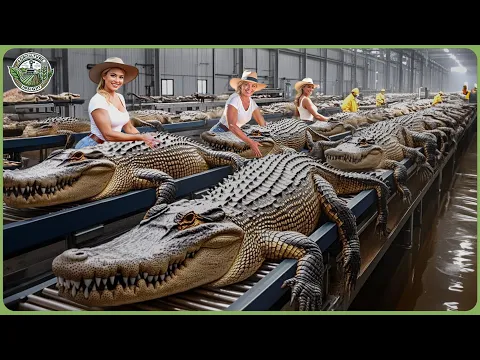
Each nest can contain between 20 and 80 eggs, which are collected within 24 hours and incubated in climate-controlled chambers to ensure healthy embryo development. Interestingly, the sex of the hatchlings is determined by the incubation temperature: above 32 °C, more males are born; below 30 °C, females predominate.

After 75 to 90 days, the hatchlings hatch and are transferred to nurseries where they receive a protein-rich diet consisting of fish and chicken. Fed twice a day, they develop bones and muscles until they reach the ideal weight. In adulthood, feeding is reduced to avoid obesity, focusing on the quality of the meat and leather.
Controlled Slaughter and Full Utilization of the Animal
When they reach two to three years of age, crocodiles undergo stunning techniques, such as electric shock, to reduce stress before slaughter. The process aims to preserve the integrity of the leather and ensure meat quality. After being immobilized, the animals are taken to specialized processing units.
The slaughter is performed by trained professionals who make precise cuts to extract the skin from the abdomen, the most valued area in the fashion market. The leather is then cleaned, treated with salt or frozen, and subsequently sent to tanneries that carry out dyeing and finishing according to the requirements of international luxury brands.
In addition to the leather, crocodile meat is valued for its high protein content and low fat. The most prized cut is from the tail, which represents about 50% of the usable meat and is served in sophisticated dishes at restaurants in Asia, Europe, and North America.

From Farm to Runway: Leather Valued at up to US$ 10,000
The extracted leather undergoes a rigorous evaluation process, where criteria such as size, thickness, scale uniformity, and absence of defects are considered. Only premium hides proceed to the final finishing stages, such as polishing, dyeing with special effects, and application of protective wax.
These hides can be worth hundreds to over ten thousand dollars per unit, depending on quality. After final processing, they are sent to brands like Hermès, Louis Vuitton, and Gucci, where they are transformed into bags, shoes, and accessories sold for extremely high prices.
The production chain is highly controlled to ensure traceability, animal welfare, and compliance with international standards. Thus, crocodile farming has become one of the most profitable agro-industrial activities in the world, combining tradition, science, and luxury.








Amigo, quando usar fotos por IA, a boa prática exige o aviso aos leitores 😉
Nao houve uso de IA,é que a esteira atordoa os animais antes do abate