





 Português
  Inglês
  Espanhol
  4 min de leitura
  0 comentários


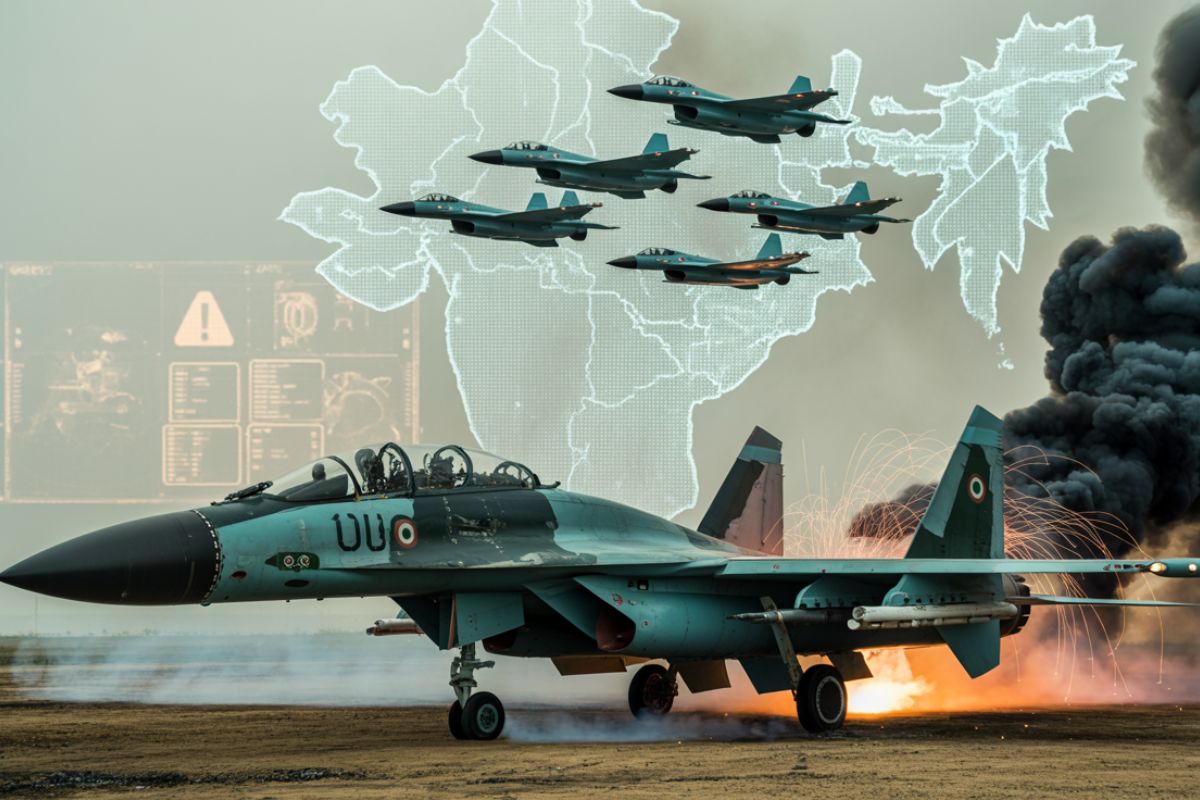
With an Accident Rate Much Higher Than That of Other Powers, the Indian Air Force Faces a Chronic Problem That Has Already Cost the Lives of Hundreds of Pilots and Raises Questions About the Safety of Its Fleet.
An alarming number haunts the skies of India and exposes a serious security crisis in one of the largest air forces in the world. With 104 aircraft lost in 10 years, between 2015 and 2024, the Indian Air Force (IAF) has a track record of accidents that far exceeds that of other nations. Most of these losses occur during routine missions and in peacetime, raising serious questions about the age of the aircraft, the quality of training, and the efficiency of maintenance.
The problem is not recent, and the data from the last few decades is even more shocking. Between 1952 and 2021, India lost 1,804 aircraft and 1,305 pilots in accidents, a devastating human and material cost. This scenario has led many analysts to question the operational capability of the IAF, going so far as to label it as one of the most dangerous in the world.
A History of Losses in Times of Peace
Accidents are a worrying constant for the Indian Air Force. Just in 2025, five accidents have already been reported, including the crash of a Jaguar jet that claimed the lives of two pilots. Looking at previous years, the pattern repeats itself: eight aircraft lost in 2024, another eight in 2023, five in 2022, and eleven in 2021. Adding these numbers, India has lost 42 military aircraft in the last five years.
-
Chaos On Airplane Could Be Expensive: Proposal Aims To Prevent Disruptive Passengers From Flying For Up To 1 Year In Brazil And Face Fines Of Up To R$17,500

-
Man Arrested After Halting Takeoff of Fire Department Helicopter During Child Rescue in Guaratuba

-
With 37 Tons of Cargo, Over 8,000 km Range, and Ability to Land on Unpaved Runways, the Airbus A400M Demonstrates How Europe Created a Military Giant That Transports Armored Vehicles, Aerially Refuels Fighters, and Operates in Conflict Zones and Humanitarian Missions Worldwide
-
Emergency Landing in Campos Amarais After Bird Strike on Small Plane
The most impactful data, however, is from the last decade. The fact of having 104 aircraft lost in 10 years reveals a systemic failure. In addition to the aircraft, many of them high-cost fighters, the IAF has lost invaluable human capital. Between 2012 and 2021, 73 pilots died in accidents, an average of more than seven per year. In previous decades, the numbers were even worse, with 190 deaths between 1992 and 2001, and an impressive 230 fatalities between 1982 and 1991.
MIG-21: The “Flying Coffin” and the Infamous Statistic
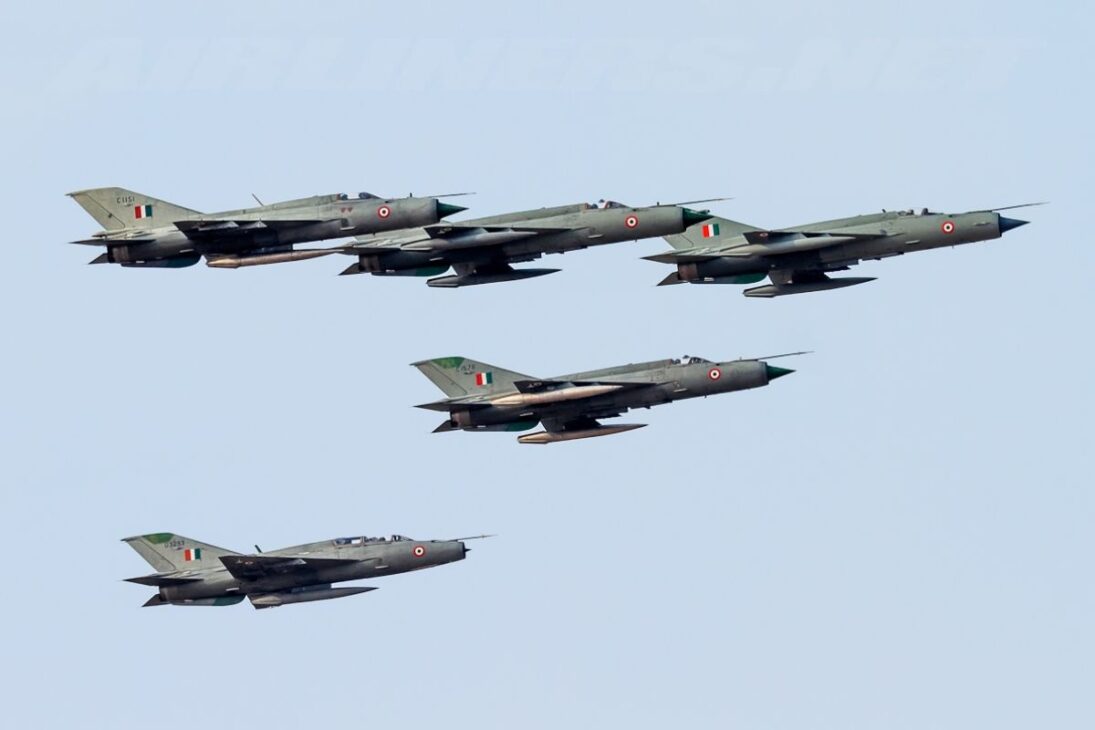
No aircraft symbolizes the IAF’s security crisis as much as the MIG-21 fighter. Manufactured in the Soviet Union, the jet earned the grim nicknames “flying coffin” and “widow maker” due to its extremely high accident rate.
Official data presented to the Indian Parliament in 2012 revealed that, of the 872 MIG family jets acquired by the country, more than half (482) had been lost in accidents. Of these, 298 were the MIG-21 model. These crashes resulted in the deaths of 171 pilots, making the fighter the leading vector of the bad reputation of Indian military aviation.
An Alarming Accident Rate
To understand the extent of the problem, it is necessary to compare the numbers. Reports indicate that the accident rate of the IAF for fighters, measured per 10,000 flight hours, varied between 1.89 and 3.53 during the 1990s.
In comparison, the accident rate for the United States Air Force (USAF) fighters was only 0.29 during the same period. This means that, in the 90s, the accident rate for fighters in India was nearly 12 times higher than that of the U.S. This disparity demonstrates that, even considering the size of the Indian fleet, its safety standards are far below international benchmarks.
Old Aircraft and Systemic Failures
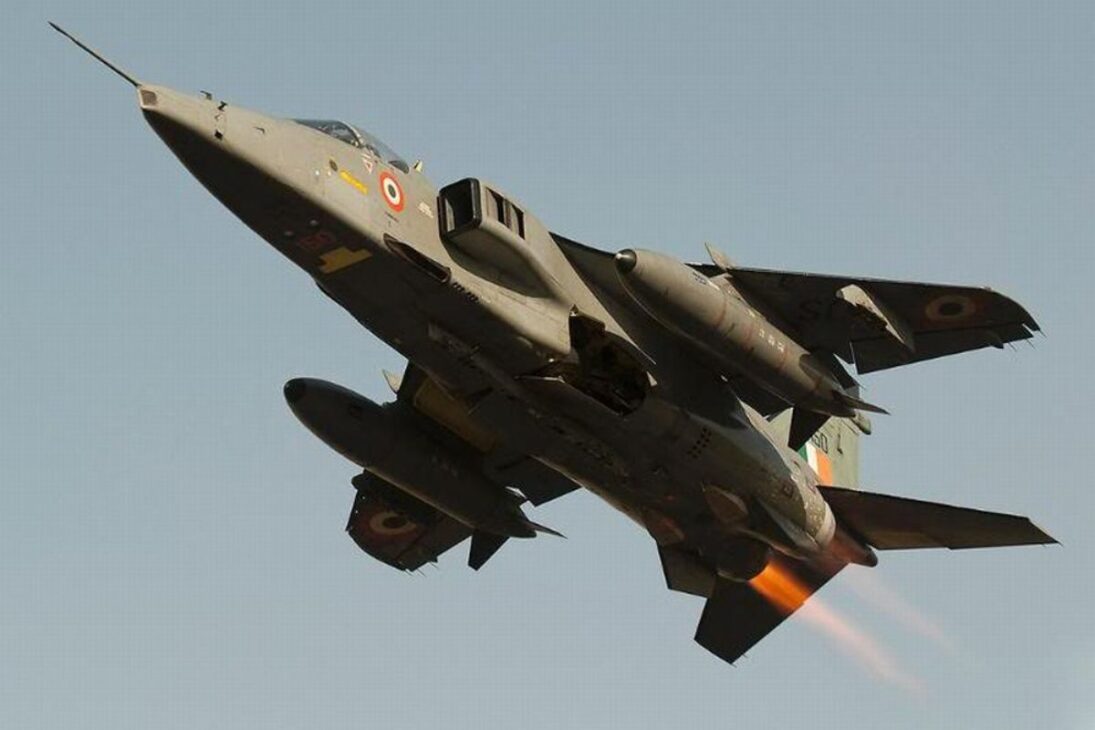
The age of the fleet is undoubtedly one of the main factors. Fighters like the MIG-21, with over 50 years of service, and the Jaguar jets should have been retired long ago. However, the problem is more complex and involves multiple causes:
Human and Training Failures: Pilot errors are frequently cited as a cause of accidents, raising questions about the quality of pilot training.
Logistics and Maintenance: The IAF operates a vast array of aircraft from different origins (Russian, French, British, and domestic), complicating maintenance and logistics for spare parts.
Accidents with Modern Aircraft: The loss of 13 SU-30 fighters and 15 Mirage 2000s, aircraft considered modern and safe in other air forces, shows that the issue goes beyond the obsolescence of the fleet.
Despite a slight downward trend in recent years, the accident rate remains high. Fleet modernization, with the replacement of old Soviet fighters, is seen as the primary hope to reverse this situation. However, only time will tell if these measures will be enough to pull the Indian Air Force out of its long-standing security crisis.
In your opinion, can simply modernizing the fleet solve such a complex problem? What more needs to be done to increase safety in Indian military aviation? Leave your comment.








Seja o primeiro a reagir!