





 Portuguese
  English
  Spanish
  4 min of reading
  0 comments


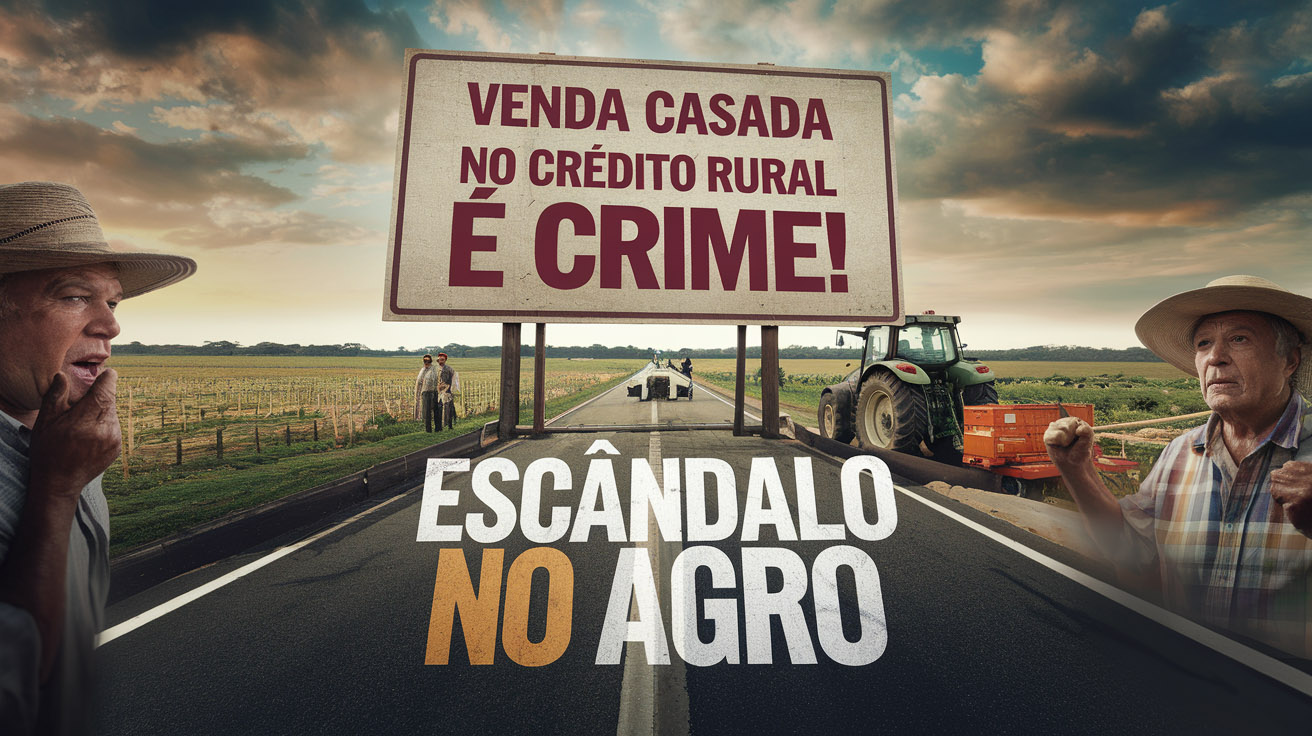
ABDAGRO Exposes Illegal Tying Practice in Rural Credit! Outdoor Alerts Producers and Pressures Banks. Historic Lawsuit Against Banco do Brasil Exceeds R$ 841 Billion! Learn How to Report and Protect Your Rights!
Access to rural credit in Brazil is essential for keeping agricultural production competitive, but an irregular practice has been making life difficult for many producers.
The imposition of insurance and additional services as a condition for obtaining loans has generated outrage in the sector.
Now, a new initiative promises to shed light on the problem and drive significant changes.
-
The rise in oil prices in the Middle East is already affecting Brazilian sugar: mills in the Central-South are seeing their margins shrink just as ethanol gains strength.

-
Rain gains strength in April, potentially exceeding 150 mm, placing the North, Northeast, and the coasts of the South and Southeast at the center of the heaviest forecast of the week.

-
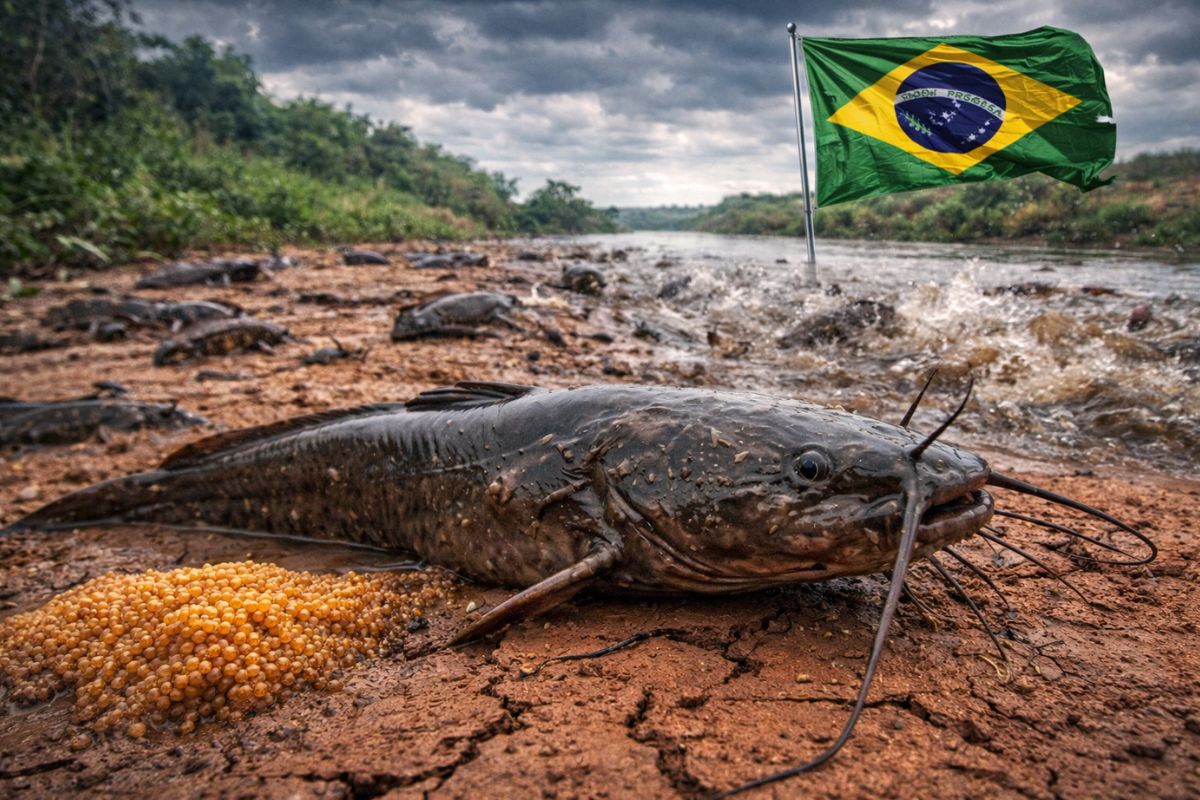
A fish that survives out of water, crawls on land until it finds another river, and whose female lays 80,000 eggs at once is infesting rivers and lakes in Brazil, and no one can stop this invasion.
-
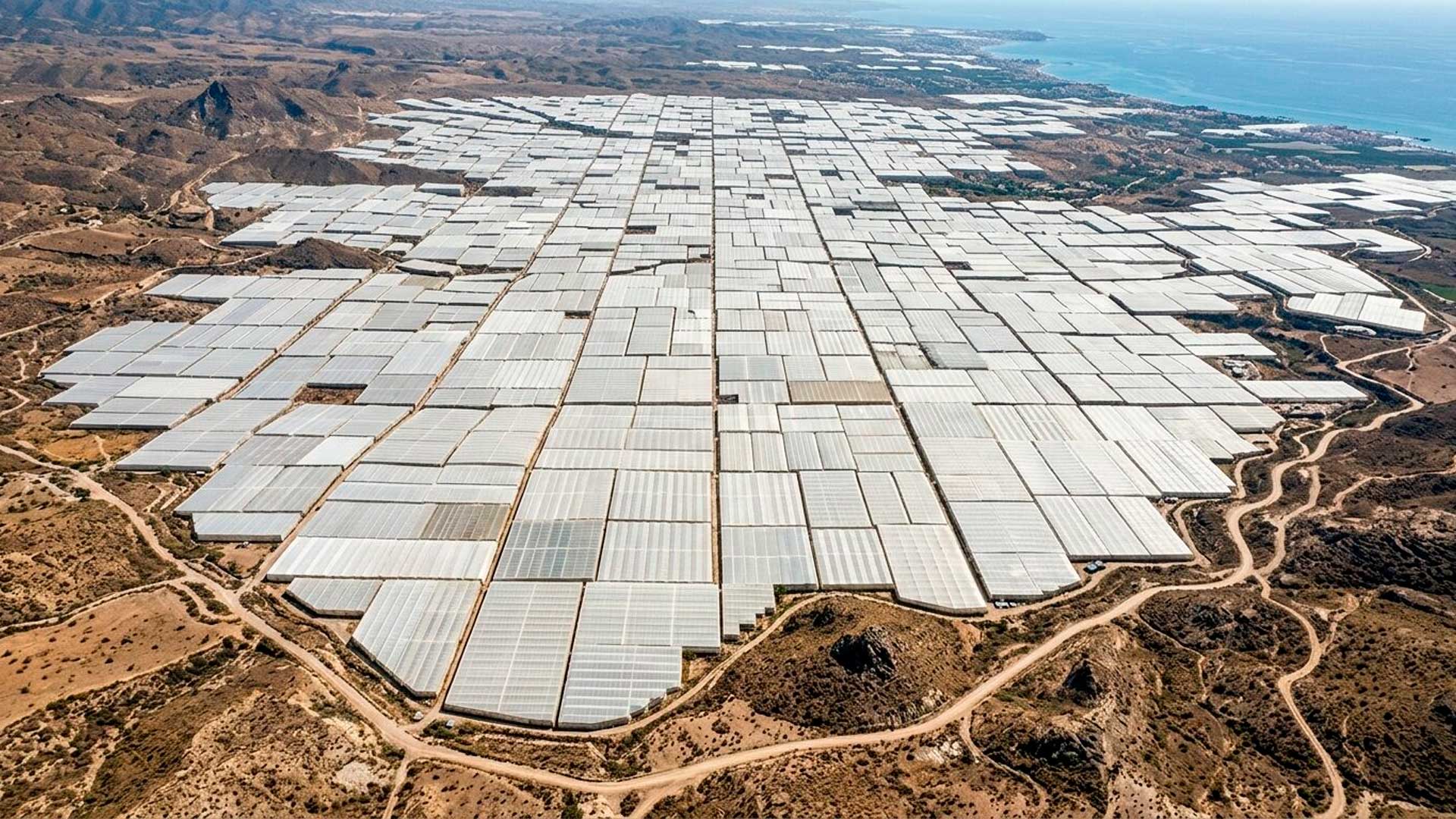
WEG took its technology to Spain to create a solar irrigation system that operates independently without needing an electrical grid, and now farmers control everything remotely via their mobile phones.


The ABDAGRO (Brazilian Association for the Defense of Agribusiness) has spread billboards in several Brazilian cities denouncing the illegal practice of tying in rural credit.
Furthermore, the organization has filed a historic lawsuit against Banco do Brasil, which could exceed R$ 841 billion.
The measure aims to hold the institution accountable for imposing financial services on rural producers as a requirement for granting financing.
Billboards Denounce Irregularities
This week, producers from Sinop, Sorriso, Rio Verde, Ribeirão Preto, Maracaju, and Unaí were taken aback by impactful messages on billboards spread throughout their cities.
The phrase ‘Tying in rural credit is a crime!’ caught the attention of authorities and workers in the field.
ABDAGRO’s initiative seeks to raise awareness among producers and encourage reports.
Each billboard features a QR Code that leads directly to a reporting channel, allowing producers to share experiences and strengthen the ongoing lawsuit.
Additionally, the organization has been promoting lectures and events to clarify doubts and guide farmers about their rights.

Impact and Illegality of Tying
Tying violates Article 39, Section I, of the Consumer Defense Code (Law No. 8,078/1990), which prohibits the conditionality of products or services for granting credit.
In the case of rural producers, the practice reduces transparency and financially burdens those who rely on credit to continue producing.
According to experts, the imposition of insurance and financial products creates distortions in the rural credit market, affecting small and medium-sized producers.
With fewer alternatives and high embedded rates, many end up incurring debts larger than they can bear.
Moreover, organizations linked to the agricultural sector emphasize that the tying problem is not limited to Banco do Brasil, but involves other financial institutions.
Reports indicate that private banks and credit cooperatives also condition financing on the acquisition of additional products and services.
Institutional Pressure Grows
ABDAGRO’s lawsuit is a milestone in the fight against banking abuses in agribusiness. The organization seeks, in addition to compensation, greater oversight and severe penalties for banks that adopt this practice.
In recent years, several financial institutions have been criticized for creating barriers to access credit in the field.
With increased visibility of the campaign, expectations are growing that concrete measures will be adopted to protect rural producers.
Furthermore, political pressure has been increasing, with agricultural sector lawmakers demanding action from the Central Bank and the National Monetary Council.
ABDAGRO has also mobilized associations and rural unions to strengthen the movement.
Many producers have already shown support for the initiative, and some regional groups are considering filing similar actions.
The aim is to broaden the reach of the complaint and ensure that the practice of tying is definitively eradicated from rural credit.
Consequences and Possible Solutions
The continuation of this practice can result in negative impacts not only for producers but for the entire agribusiness production chain.
The rising cost of credit hinders investments, reduces the sector’s competitiveness, and can even compromise the country’s food security.
To prevent abuses, experts recommend that the government and regulatory bodies strengthen oversight of rural credit contracts.
A possible solution would be the creation of a dedicated reporting channel for banking irregularities in the agricultural sector, allowing for greater agility in investigating cases.
In addition, some legislative proposals are currently being considered in the National Congress to toughen penalties on financial institutions that practice tying.
If approved, these measures could ensure greater transparency and security for rural producers.
How to Report
Experts recommend that producers stay vigilant regarding contracts and report any irregularities to consumer protection agencies, such as Procon and the Public Ministry.
Furthermore, ABDAGRO continues to collect reports to strengthen its action against Banco do Brasil. If you have encountered this practice, make your report through the QR Code on the billboards or directly via ABDAGRO’s channels.







Seja o primeiro a reagir!