





 Portuguese
  English
  Spanish
  3 min of reading


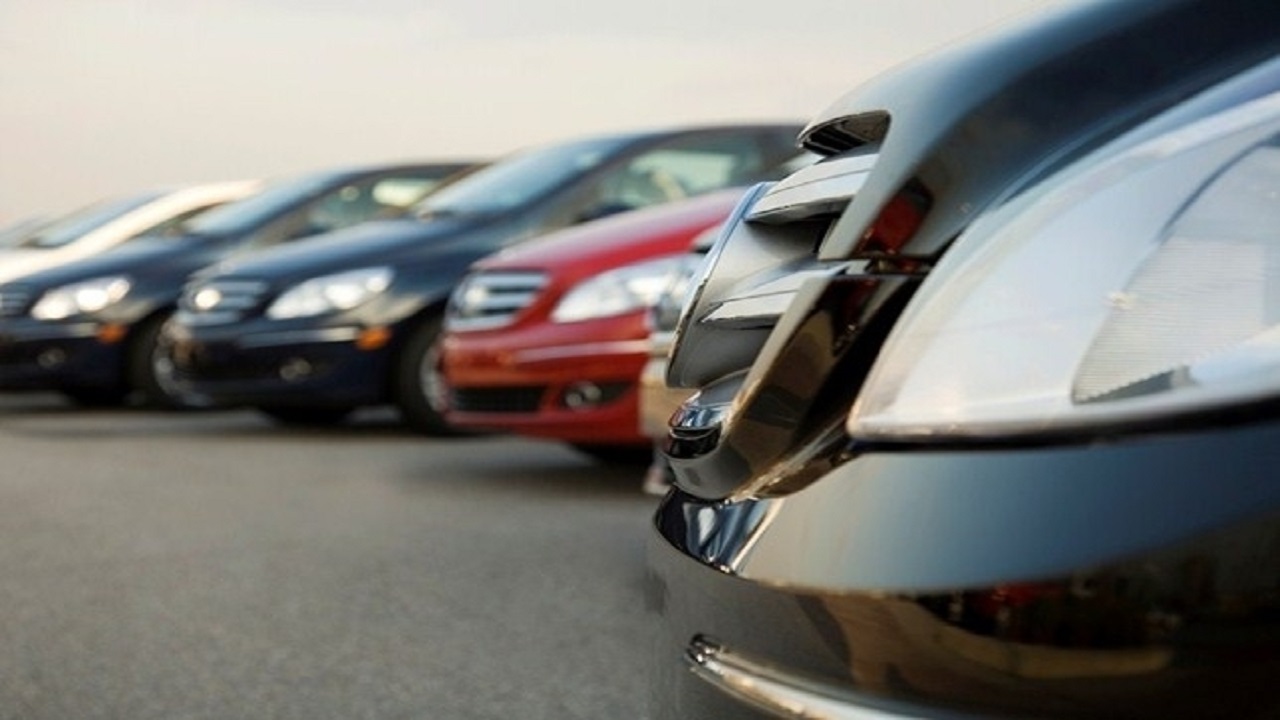
Manufacturers Fear That The Water Crisis Will Join With The Lack Of Automotive Parts And Cause Production Downtime, Further Increasing Vehicle Costs. To Mitigate The Situation, The Federal Government Created Voluntary Projects
This Wednesday (8), Luiz Carlos Moraes, president of the National Association of Automotive Vehicle Manufacturers (Anfavea), stated that manufacturers are concerned about the lack of rain for electricity generation, which could raise costs and combine with the automotive parts crisis. The country is experiencing the worst drought in the last 91 years, which has led to thermal power plants being activated, making electricity more expensive and polluting.
Read Other Related News
Anfavea President Talks About Manufacturers’ Concerns
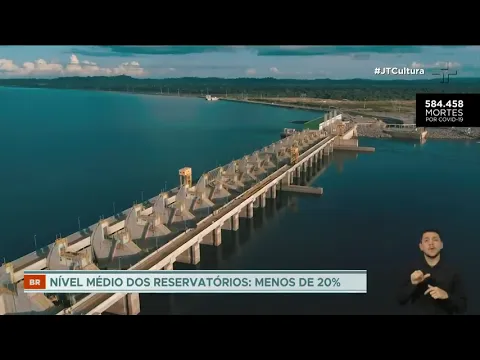

According to Luiz Carlos, the water crisis is a concern for all production fronts, as higher electricity costs increase production costs across the automotive supply chain. It adds more pressure on product prices. In addition to the lack of automotive parts at manufacturers, production halts due to lack of energy are quite worrying.
According to the Anfavea president, manufacturers are monitoring the status of electricity weekly, based on data provided by the Ministry of Mines and Energy and the electricity distributors.
-
At 359 m above the river and with a span of 467 m, the highest railway bridge in the world has withstood winds of 266 km/h, featuring modular steel, a filled arch, and sliding tracks in historic Indian Kashmir.
-
With over 3 km in total length, the mega bridge costing R$ 400 million will be delivered this month after years of waiting, featuring 4 lanes, 211 lighting poles, and ending 50 years of ferryboat crossings on the coast of PR.
-
Lack of workers and an aging population: Japan bets on AI robots in factories, logistics, and infrastructure to keep the economy and essential services active.

-
Paper houses that withstand earthquakes, last more than a decade, and cost less than a high-end smartphone: the brilliant invention of a Japanese architect that is changing post-disaster reconstruction around the world.

Luiz hopes to get through November without any rationing but knows that the challenge won’t be just this year, as there are chances that the crisis will continue into next year.
Federal Government Encourages Electricity Energy Savings
In August, in an attempt to promote energy savings, the Federal Government launched a voluntary program to reduce electricity consumption for industries. According to Moraes, Anfavea still doesn’t know exactly how many vehicle manufacturers will participate in the initiative, as the decision depends on each unit.
Vehicle companies are considering participating, but it is a decision for each factory. It is likely that several will participate, as it is an opportunity for vehicle manufacturers to contribute to society and reduce vehicle costs.
In addition to this program, the government also launched an initiative to encourage residential consumers to use less electricity. Although important, both programs are voluntary. Therefore, according to experts, they may not be sufficient in light of the crisis being faced.
Energy Crisis Could Combine With The Lack Of Automotive Parts And Force Plant Closures
The increase in electricity expenses at factories could combine with other bottlenecks faced by the automotive industry. Due to the pandemic, some automotive parts are scarce, especially in electronic components for vehicles.
According to a report released by Anfavea this Wednesday (08), there were total or partial shutdowns in about 11 factories in August due to the lack of automotive parts, it is worth noting that this does not include foreign factories.
In the same month, the production of vehicles was around 164,000 units, a decline of 21.9% compared to the same period last year. The result is the worst seen in an August month since 2003.






Seja o primeiro a reagir!