






 Portuguese
  Spanish


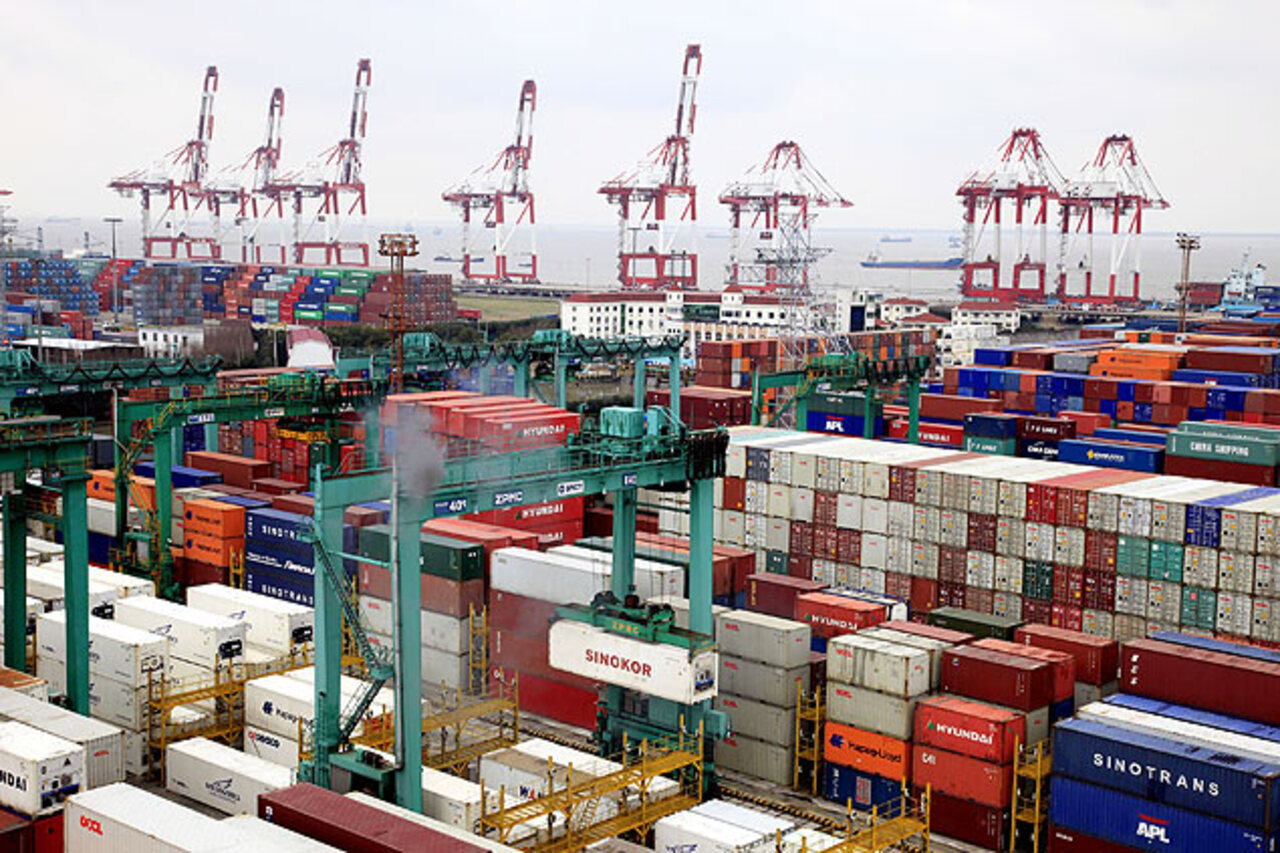

Freight From China to Brazil Soars and Is Expected to Raise Imported Product Prices for Brazilians
In 2020, China became Brazil’s top trading partner, surpassing the historic mark of a trade flow in freight products (exports + imports) exceeding US$ 100 billion. Exactly US$ 101.728 billion was traded between the two countries. Brazilian exports reached a record figure of US$ 67.685 billion, while imports totaled US$ 34.042 billion. The data is from the Secretariat of Foreign Trade (Secex) of the Ministry of Economy.
Read Also
- Vale, Suzano, Imetame, Jurong Shipyard, and ArcelorMittal Have Job Opportunities for Espírito Santo
- In Canada, Québec International Begins Job Opportunities for Brazilians, Aiming to Fill Positions in Specific Areas
- Mechanical Technicians, Electricians, and Scale Technicians Can Apply for Job Openings at Rumo Logistics on This Day 08
Products on Container Routes From China Will See Price Increases
Clothing, electronics, tires, and all products brought by containers from countries such as China, Korea, and Japan will directly experience the impacts of this adjustment, which should become more noticeable now at the beginning of 2021, as discharges occur, with the significant freight increase.
Indirectly, the surge in freight is expected to affect all goods sold in Brazil, assesses Ricardo Alípio da Costa, president of the Brazilian Association of Importers and Distributors of Tires (Abidip). He emphasizes that tires, even those manufactured in Brazil, depend on imported raw materials such as steel.
-
The FLIP: A 108-Meter Ocean Laboratory That Stood Vertically for 60 Years, Dismantled in 2023

-
France Revamps 530 Social Housing Units with Large Balconies and Glass Facades Without Demolishing Existing Buildings
-
10-Year-Old Max Makes History with Paris Fashion Show, Launches Own Brand, Hires Staff, and Sets World Record as Youngest Runway Designer

-
Bolivian Female Construction Workers Form Association to Combat Discrimination and 38% Pay Gap in the Industry



“All the internal logistics of inputs, food, medicines, and general products in Brazil is done by trucks. The tire is the third most expensive item in the maintenance cost of a truck, therefore, its price increase has a significant impact on the total cost of transporting goods internally,” said Alípio.
Supply and Demand
At Brazil’s largest port, responsible for about 30% of the country’s container movement, the Port of Santos, no such significant increase has been observed in the second half of the year that could relate the surge in freight to excess demand. According to data released by the terminal itself, in October, container movement was only 0.2% higher than the same month in 2019.
Repeated Practice
A similar movement in freight prices occurred over a longer period from October 2015 to December 2017. As widely reported at the time, shipping companies deliberately cut navigation services between Asia and Brazil by half, which raised shipping costs sixfold and made the route the most expensive in the world.


