Portuguese
  Spanish



The Energy From Thermoelectric Power Plants, More Expensive Compared to Hydroelectric Plants, Is Being Used Due to the Scarcity of Rain, Increasing the Electricity Bill
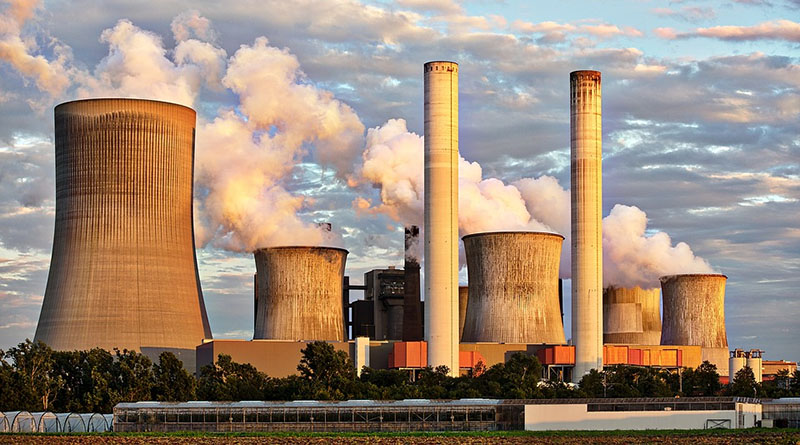
According to data from the National Electric System Operator (ONS), thermoelectric energy generation in January this year was the highest since 2015 and the second highest level in the second month since its inception in 1999. The energy produced by thermoelectric plants is more expensive than that from hydroelectric plants, and as a result, the increase in the electricity bill is unavoidable. The scarcity of rain is the main reason, leading to the widespread use of thermoelectric sources.
Thermoelectric Plants and the Additional Costs on the Electricity Bill
ANEEL reported that in January alone, consumers paid R$ 1.29 billion for energy to compensate for the additional costs resulting from the more frequent use of thermoelectric plants. The increase in electricity costs is due to the scarcity of rain between the end of 2020 and the beginning of 2021, that is, in the midst of the rainy season in the southeast and mid-west regions, where the main hydroelectric plants in the country are located.
This situation led to a sharp decline in the amount of water stored in the reservoirs of these hydroelectric plants. When this happens, the government needs to conserve water from these reservoirs and reduce energy production from hydroelectric plants. To compensate and meet the energy demand, thermoelectric plants must be activated.
-
Abandoned Building in Brazil to Become Biotechnology Unit with $10 Million Investment, Bridging Science, Industry, and Public Health

-
Company Offering “Stones to Diamonds” Scheme Sells Ruined Italian Homes to Brazilians for 1 Euro, Disappears with Promised Renovations, Leaving Buyers in Debt to Italian Tax Authorities Until 2028 Without Property

-
Plastic Packaging Drives Santa Catarina Industry to 230% Growth, Aiming for R$ 500 Million by 2030 Amid Sector Crisis, with New Gearless Line Expanding in Southern Brazil to Compete in South America

-
Flamengo Star Invests in Brazilian Coastal Luxury Real Estate as Itapema Surpasses Balneário Camboriú in High-End Market Growth


Aneel Informs That the Increase in the Electricity Bill Is Expected to Be the Highest Since 2018
The Director-General of Aneel – National Electric Energy Agency, André Pepitone, states that the average increase in the electricity bill in 2021 is expected to be the highest since 2018. André estimates an increase of 13%, which with tax refunds could drop to 8%, but even so, it will be the highest rate in three years.
According to Aneel, several factors have led to a sharp increase in electricity bills in 2021, ranging from greater use of thermoelectric plants to exchange rates.