





 English
  Francês
  Alemão
  Italiano
  Japonês
  Norueguês
  Portuguese
  Spanish
  2 min of reading



After Saudi Arabia and Russia Ended Oil Price War and OPEC to Cut Global Production by 9.7 Million Barrels Per Day, the International Energy Agency (IEA) projected on Wednesday a fall of 29 million barrels per day in oil demand this April, to levels not seen in 25 years, warning that production cuts will not fully offset the market decline in the short term.
Also Read
- Coronavirus Effect, Petrobras Delays Bid Round for Drilling Rigs Again
- 45 Petrobras Oil Production Platforms Installed in the Northeast and Southeast Will Be Shut Down This Month
- 1185 Job Openings for Various Health Positions to Contain Coronavirus in São Paulo; Applications Started TODAY, April 15
The future of Brent oil, the international benchmark, fell about 4% shortly after the IEA monthly report, trading around $28.30 per barrel.
-
Brazilian giant expands borders in the Southeast: Petrobras confirms new oil discovery in ultra-deep waters in the pre-salt of the Campos Basin.

-
Alert in the global energy market: Severe tropical cyclone hits the coast and disrupts gas production at major plants in Australia, threatening global supply.

-
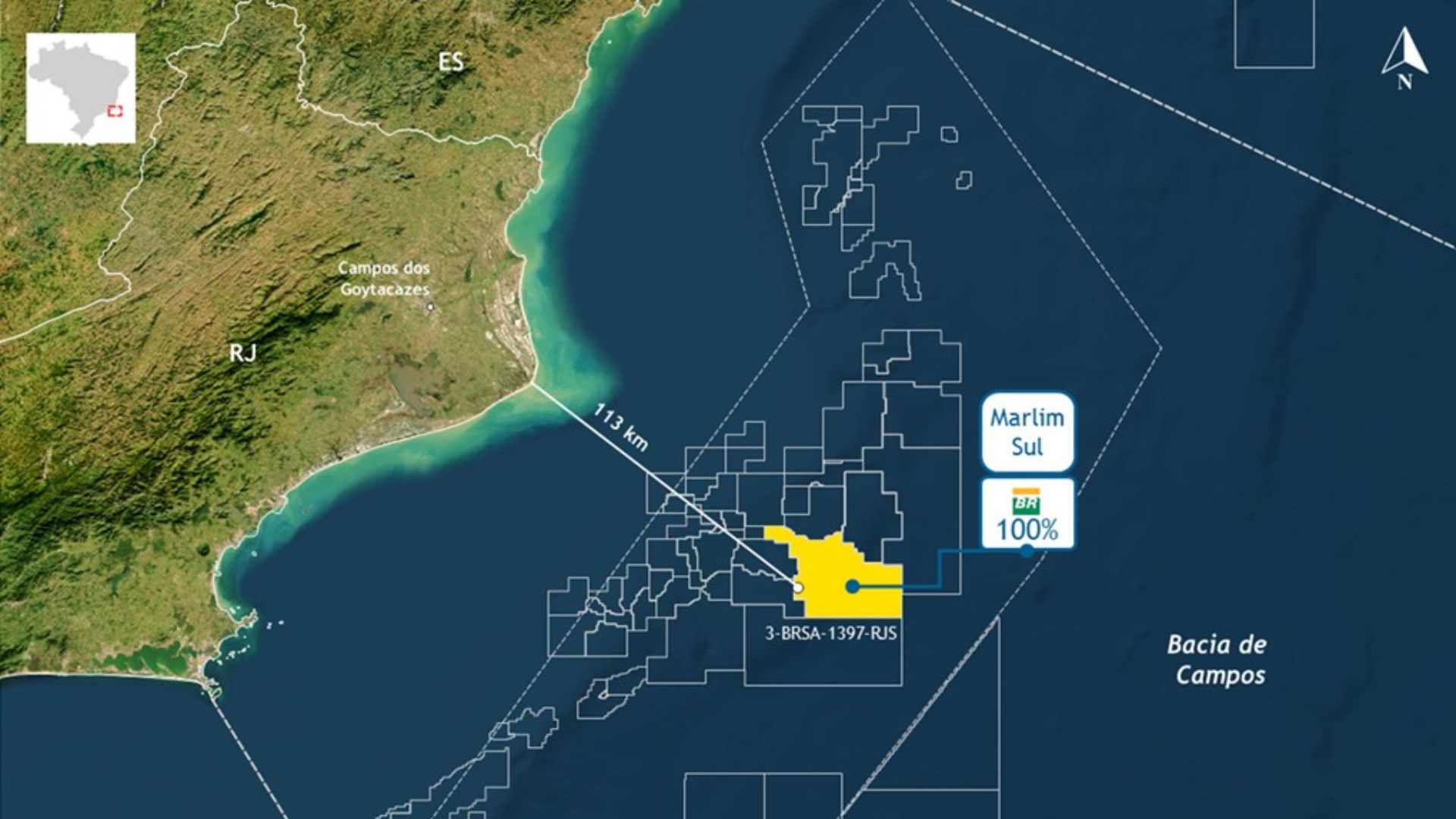
Petrobras finds high-quality oil in the pre-salt at 113 km from RJ and reignites expectations about strategic reserves in the Campos Basin.

-
Ocyan opens registrations for startups focused on innovation in the oil and gas sector and will select projects for Innovation Day with the support of Nexio.


The IEA estimated a drop of 9.3 million bpd in demand in 2020, even though it qualified the agreement among producers for record supply cuts as “a solid start” in response to the coronavirus pandemic.
“By reducing the peak of oversupply and flattening the growth curve of inventories, they help a complex system absorb the worst of the crisis,” the Paris-based agency said in its monthly report.
“There is no viable agreement that can cut supply enough to offset such demand losses in the short term. However, last week’s agreement is a solid start.”
Known as “Black April”, this month could turn out to be the worst month in history for the oil industry, as production is set to rise while demand takes a tumble due to isolation measures adopted worldwide against the coronavirus, said IEA Executive Director Fatih Birol.
Oil producers “lost two very important months,” he added, referring to the failure of the OPEC and allies to reach an agreement in March to restrict supply.
Now, in addition to production cuts, some countries are expected to increase purchases for their strategic reserves, as is the case with China, the world’s largest importer taking advantage of the drop in oil prices to buy cheaper barrels and secure its stocks.







Seja o primeiro a reagir!