Portuguese
  Spanish


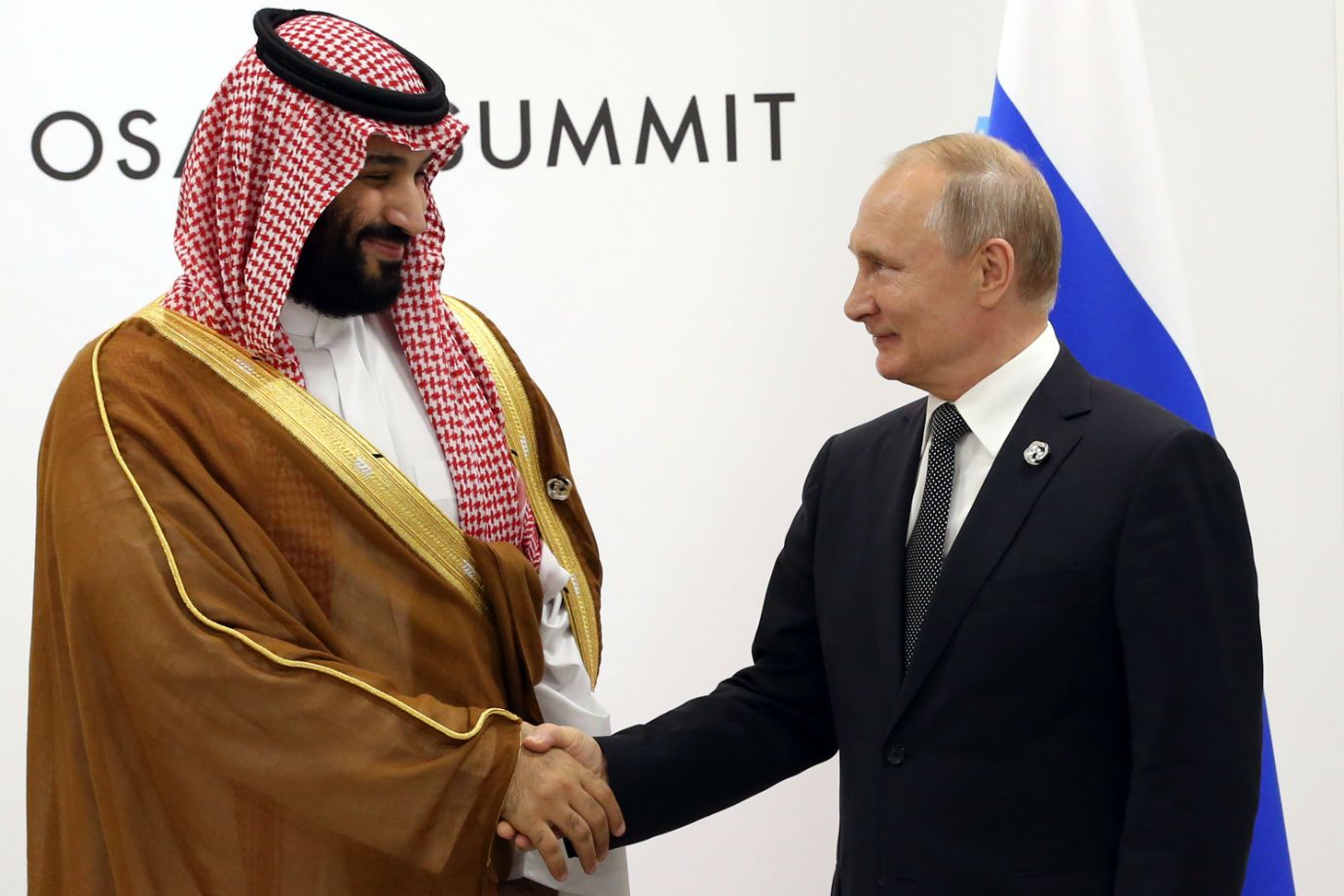

After the crisis and pandemic generated an emergency meeting on Thursday, from Opec+ to discuss cuts in global oil production, the price war between Saudi Arabia and Russia has finally come to an end! The countries agreed to reduce oil production along with other members of the Opec+ coalition, in an effort to spare the market from a collapse caused by the coronavirus pandemic.
Read Also
- Petrobras Will Cut Gas Purchases from Enauta and PetroRio in the Manati Field in Bahia
- Many Job Openings for Technicians and Engineers Were Announced Yesterday (09) by the Multinational Wood Group
- 35 Positions as Helpers, Technicians, Mechanics, Supervisors, Riggers for Job Openings in a Logistics Company
The Opec (Organization of the Petroleum Exporting Countries) and its allies, gathered in videoconference, agreed to reduce production by about 10 million barrels per day in May and June, delegates sent to the meeting said, requesting not to be identified before an official statement.
Saudi Arabia and Russia, the largest oil producers in the group, will reduce production to about 8.5 million per day, with all members agreeing to cut supply by 23%, a delegate said.
-
Qantas and Airbus Invest in Company Aiming to Convert Unsorted Household Trash into Jet Fuel

-
Brazil’s ANP Opens 86 New Oil Blocks in the Equatorial Margin, Expanding the Amazon River Mouth Frontier

-
OPEC+ Boosts Oil Supply by 188,000 Barrels per Day in July 2026, Leading to Price Drop from $112 to $89 per Barrel in Under Two Months

-
TotalEnergies Signs 20-Year Deal to Purchase 2 Million Tons of LNG from Alaska, Boosting Project Viability

The provisional agreement came after strong pressure from U.S. President Donald Trump and American lawmakers, who fear thousands of job losses in the U.S. shale sector, not to mention the chaos on Wall Street.
The drop in prices also threatened the stability of oil-dependent countries and forced companies in the sector to control spending.
“Both Saudi Arabia and Russia would have to cut anyway, and these cuts allow them to gain political points as well”, said Amrita Sen, chief oil analyst at consultancy Energy Aspects Ltd.
Although the cut is equivalent to a historic reduction of about 10% of global supply, it represents only a fraction of the demand loss, which some traders estimate could reach 35 million barrels of oil per day.
Brent crude wiped out earlier gains, falling 2.3% to $32.10 per barrel in London. Prices have halved this year, with the spread of the coronavirus coinciding with a bitter price war that saw producers flood the market.
“Covid-19 is an invisible threat that seems to be affecting everything in its path”, said Mohammad Barkindo, Opec’s Secretary General, in a speech at the online meeting. “The fundamentals of supply and demand are terrible” and the expected oversupply, particularly in the second quarter, is “beyond anything we have seen before”.