





 Portuguese
  English
  Spanish
  4 min of reading
  0 comments


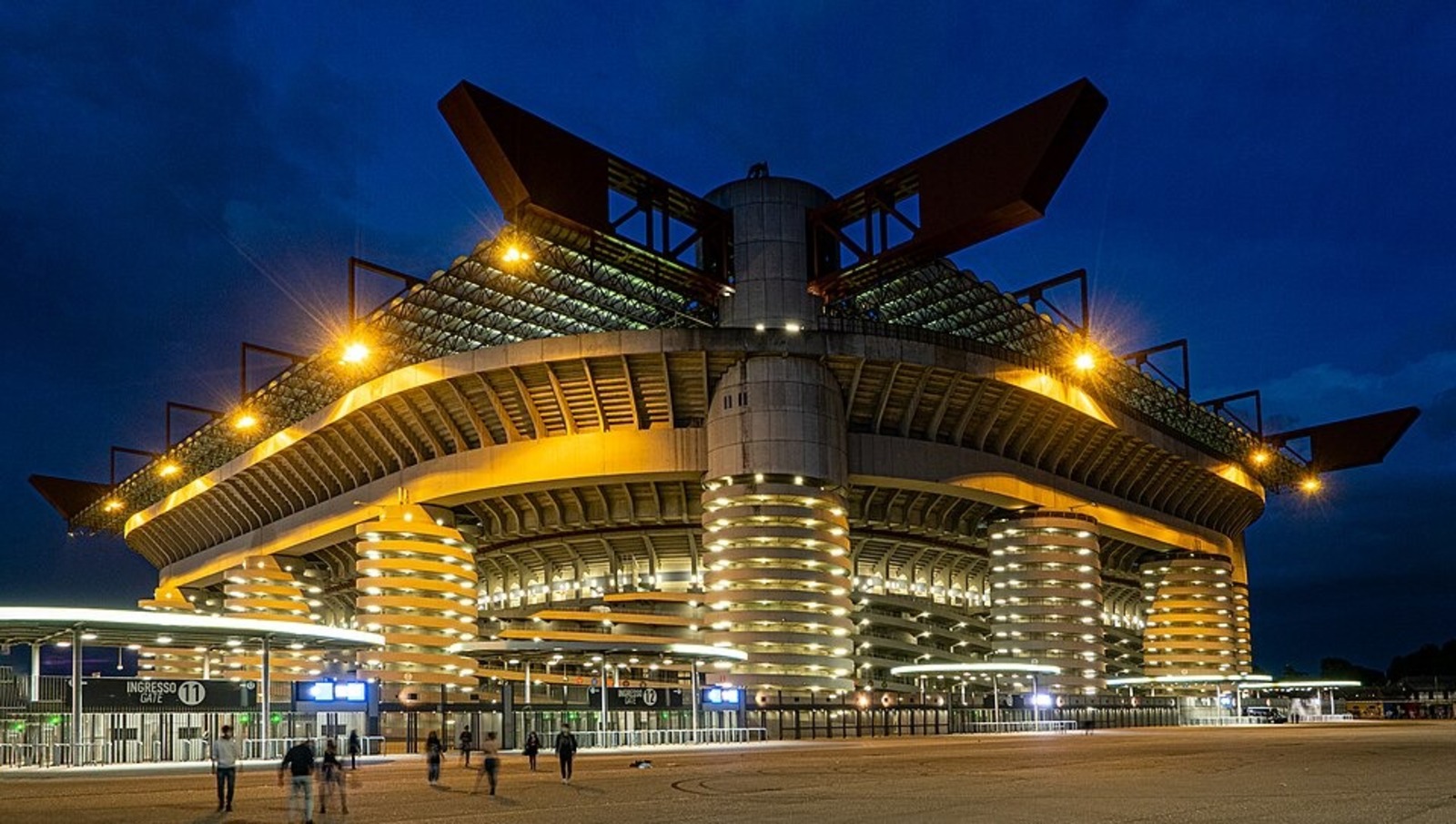
The Historic Sale Closes the Era of the Iconic Stadium of Milan, Inaugurated in 1926. The New Project of €1.2 Billion Promises to Transform the Venue into a Modern Arena for 71,500 People Before Euro 2032
September 30, 2025, marked a turning point in the history of Italian football. After decades of debates and bureaucratic deadlocks, the city of Milan approved the sale of the land where the legendary San Siro stadium is located. For €197 million, the consortium formed by Milan and Inter took control of the site and marked the end of an era, paving the way for a new international standard arena.
Demolition of San Siro: A Decision That Closes an Era
With a vote of 24 to 20, the city of Milan officially bid farewell to San Siro. From now on, the stadium will be jointly owned by Milan and Inter, ending almost a century of public control.
The decision prevents the stadium from being classified as a historical heritage site. This would happen in November 2025, when the second ring would complete 70 years, making its demolition impossible.
-
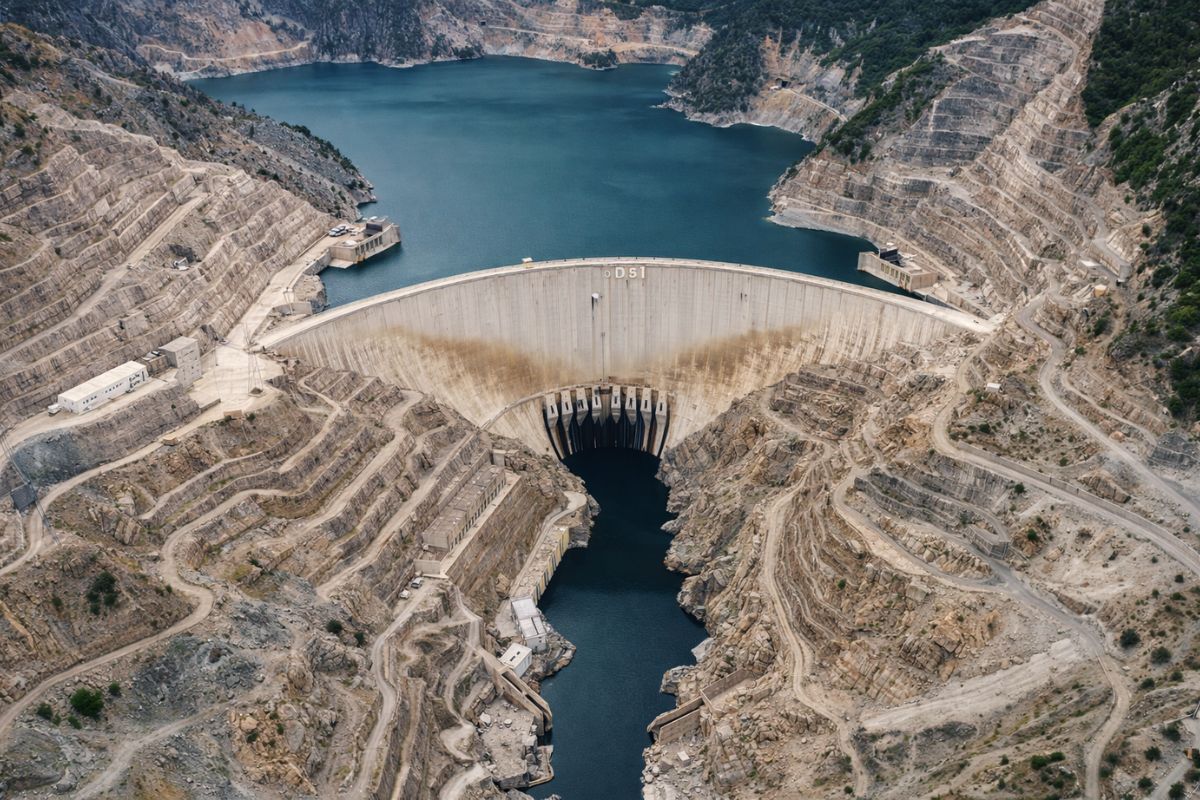
In Turkey, the Yusufeli dam nestled in a canyon sets a record: a concrete arch of 275 m, river diverted through a tunnel, 4 million m³ of concrete, 558 MW, and energy for 2.5 million people.
-
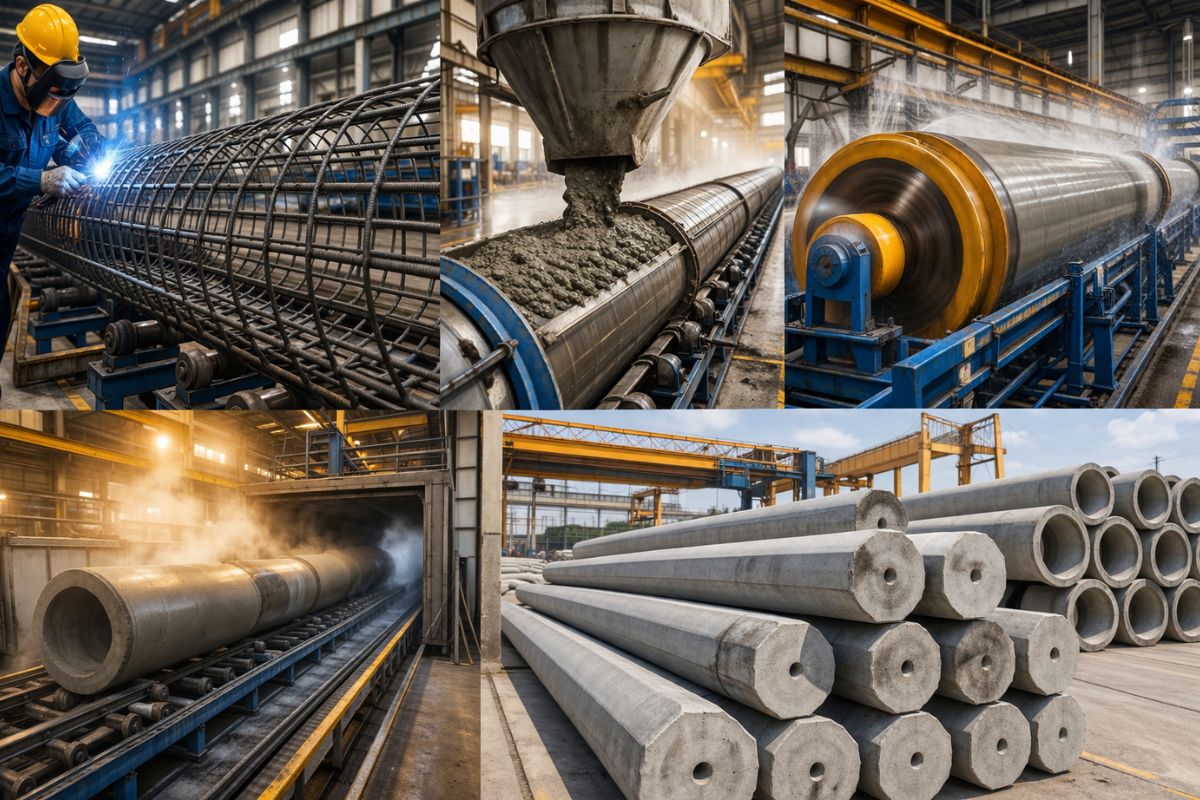
The factory shows how PHC piles and precast tubes are made; steel turns into a welded cage, high-strength concrete enters the mold, spins in centrifugation, cures in steam, and is ready in hours.
-
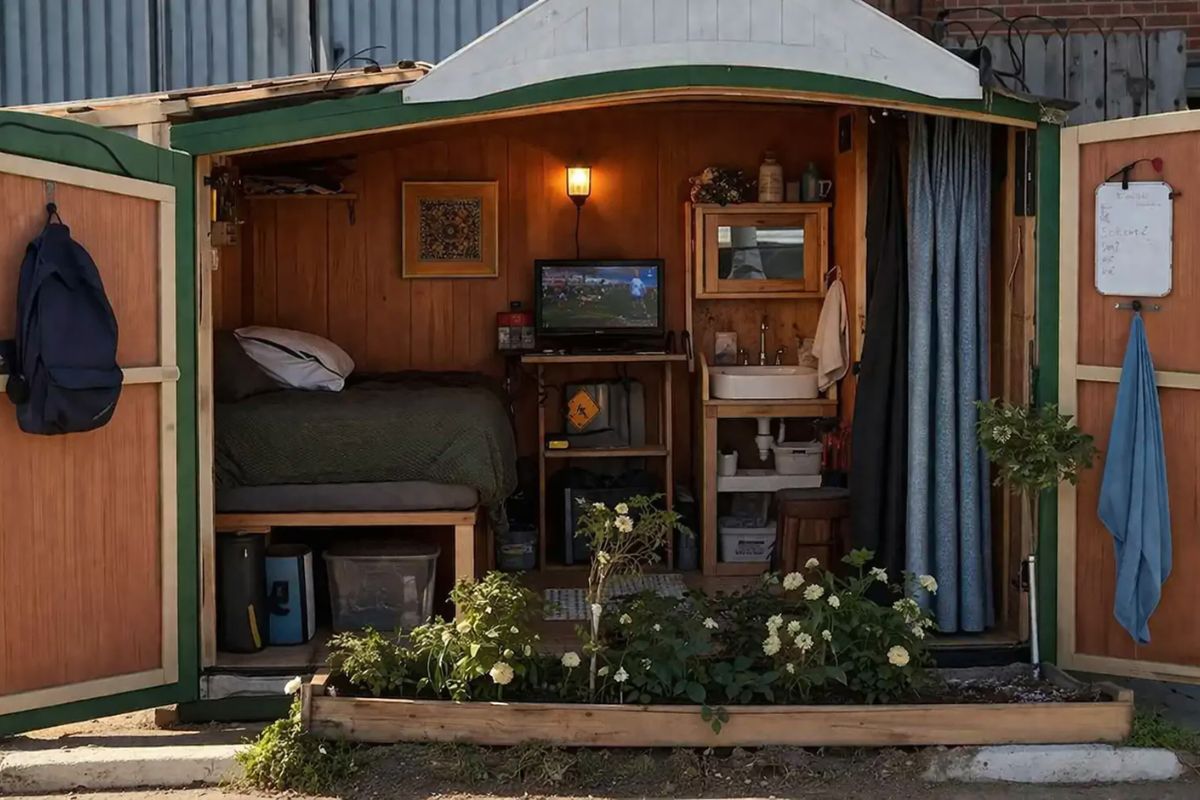
Small house with natural light becomes a trend in sustainable architecture and reveals how smart designs reduce energy consumption and enhance comfort in compact spaces.

-
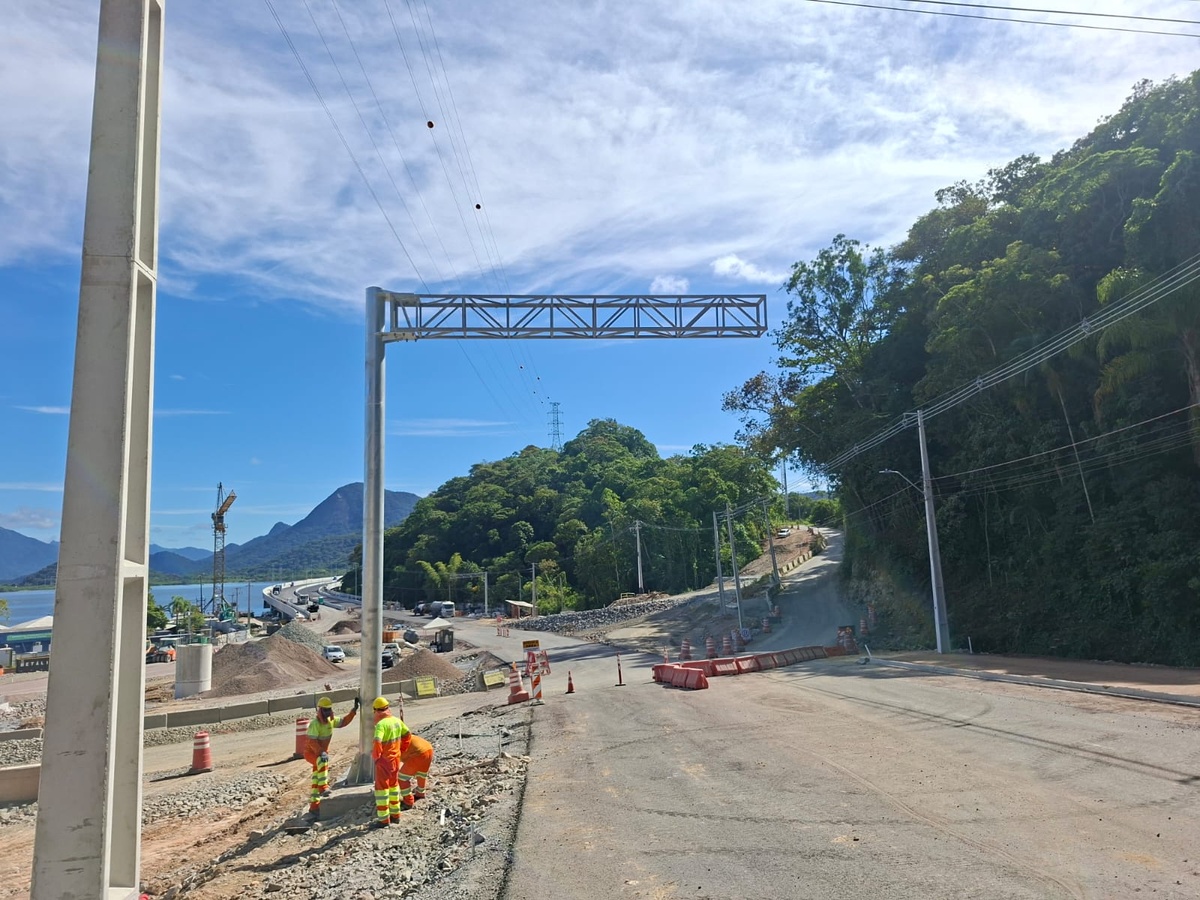
Guaratuba Bridge enters the final phase with high-standard road signage implemented by IASIN and inauguration scheduled for April 2026.
The agreement allowed the project to move forward and ensured that Milan would remain among the host cities for Euro 2032.
The New Stadium and UEFA’s Message
The pressure from UEFA was decisive in accelerating the process. The entity removed the Champions League final from Milan in 2027, considering San Siro below the modern standards required.
Aleksander Ceferin, UEFA president, was direct in criticizing Italian infrastructure. “Serie A is fascinating, but the stadiums are terrible. Something needs to change,” he declared.
The new stadium is expected to have a capacity of 71,500 and will be built in the current parking lot of San Siro. The venue is projected to be ready by 2030, ahead of Euro 2032.
From Dream to Reality
The idea of a new home for Milan and Inter is old but has always encountered political and legal hurdles. In 2018, the “The Cathedral” project was presented but ultimately shelved by the city.
With the arrival of RedBird Capital to Milan in 2022 and Oaktree Capital to Inter in 2024, the clubs decided to take control of the situation. The acquisition of the land marked the final point of a long dispute.
Meanwhile, the two teams will continue to play at San Siro until the new arena is completed, expected for the 2030/31 season.
Cutting-Edge Architecture and Billion-Euro Investment
The new stadium will be developed by the firms Foster + Partners from the UK and Manica from the United States.
Both are responsible for world-class projects like Allegiant Stadium in Las Vegas and Lusail Iconic Stadium, the venue for the 2022 World Cup final.
The total investment is estimated at €1.2 billion. The construction is expected to start in 2027 and last about three years.
Demolition of San Siro: A Historic Farewell
San Siro was inaugurated in 1926 and was last renovated in 1990. In 2026, when it celebrates its 100th anniversary, it will host its symbolic farewell: the opening ceremony of the Milan-Cortina Winter Olympics.
For many fans, the demolition represents an emotional loss. The stadium, officially named Giuseppe Meazza by Inter fans and popularly known as San Siro by Milan fans, is a symbol of world football.
Why Renovating Was Not Viable
According to technical studies, the stadium consists of three overlapping structures—erected in 1926, 1956, and 1990—with little integration between them. This made any attempts at modernization difficult.
Additionally, the seats are narrow and access is limited, compromising comfort and safety. A complete renovation would require the partial demolition of the first ring and restructuring of the roof, raising costs beyond what would be necessary to build a new stadium.
The president of Milan, Paolo Scaroni, stated that it would be impossible to reconcile such large-scale works with the clubs’ sporting routine. “We would be years without a stadium, losing up to 70% of annual revenue,” he explained.
A Financial Abyss Between Italy and Europe
The financial disparity was another decisive factor. According to a survey by Sport Insider, Real Madrid earned €251 million with the renovated Santiago Bernabéu in a single season.
In contrast, Milan and Inter combined earned only about €70 million each from ticket sales and membership programs during the same period. The contrast shows how obsolete San Siro has become compared to modern arenas.
Manchester United, for example, generated €157 million; Arsenal, €151 million; and Bayern Munich, €132 million.
These numbers explain why Italian clubs struggle to compete financially with Europe’s giants.
A Future of Ambition and Modernization
The new arena seeks more than just to replace an old stadium: it symbolizes the attempt to reposition Milan and Italian football on the international stage.
In a joint statement, Milan and Inter stated that the project represents “a historic step for the future of the clubs and the city.”
The expectation is that the initiative inspires other Italian clubs to invest in modern stadiums capable of generating more revenue and providing high-level experiences for fans.
Historic Demolition: The End of One Temple, the Beginning of Another
Although the demolition of San Siro brings nostalgia, the consensus is that Italian football needed this leap.
The century-old arena will cease to physically exist, but its history will live on in the memories and colors of two giants who chose to walk together toward the future.
With information from Estadão.





-

-

3 pessoas reagiram a isso.