





 Portuguese
  English
  Spanish
  5 min of reading
  1 comment


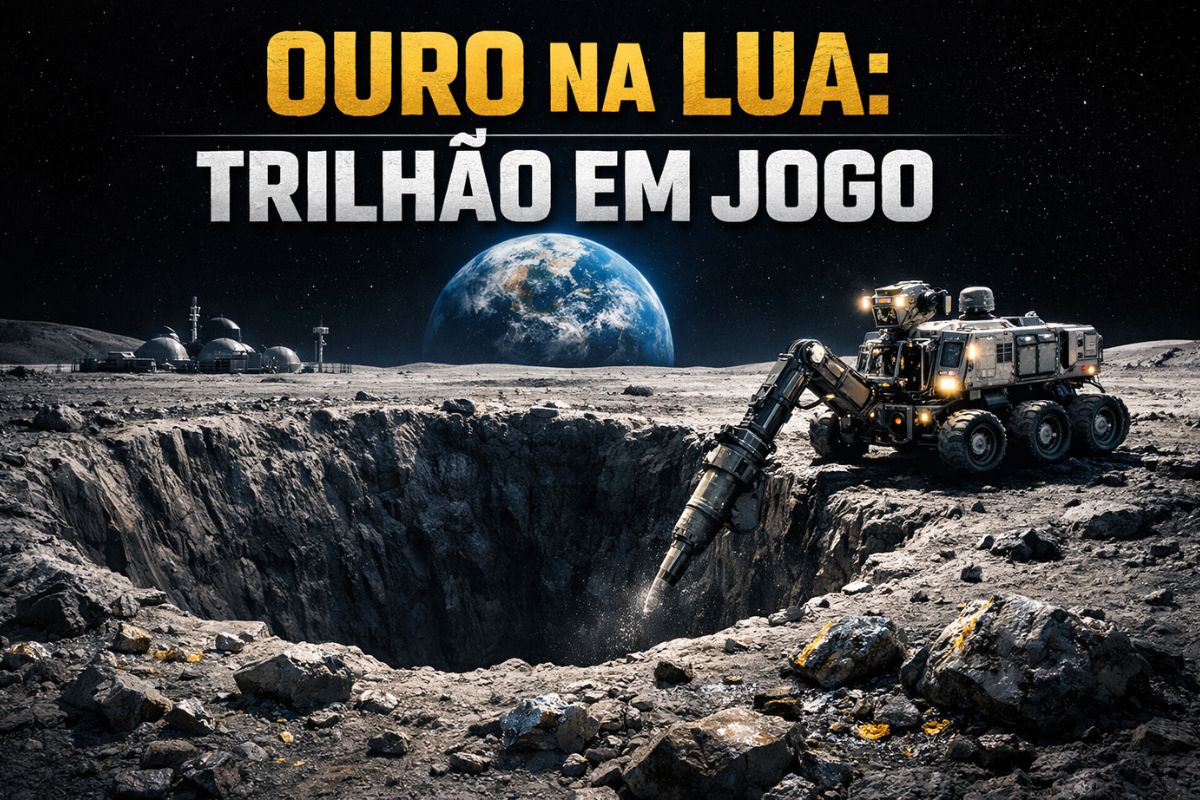


In 2025, The Discovery of Gold in Lunar Crater Forecasts Gold on the Moon as Billionaire Space Mining Triggers Lunar Space Race Among Powers and Deepens Dispute Over Lunar Resources, Raising Questions About Treaties, Ownership, Taxation, and Economic Impact of a Possible Extraction Outside Earth in the Next Decade for Investors.
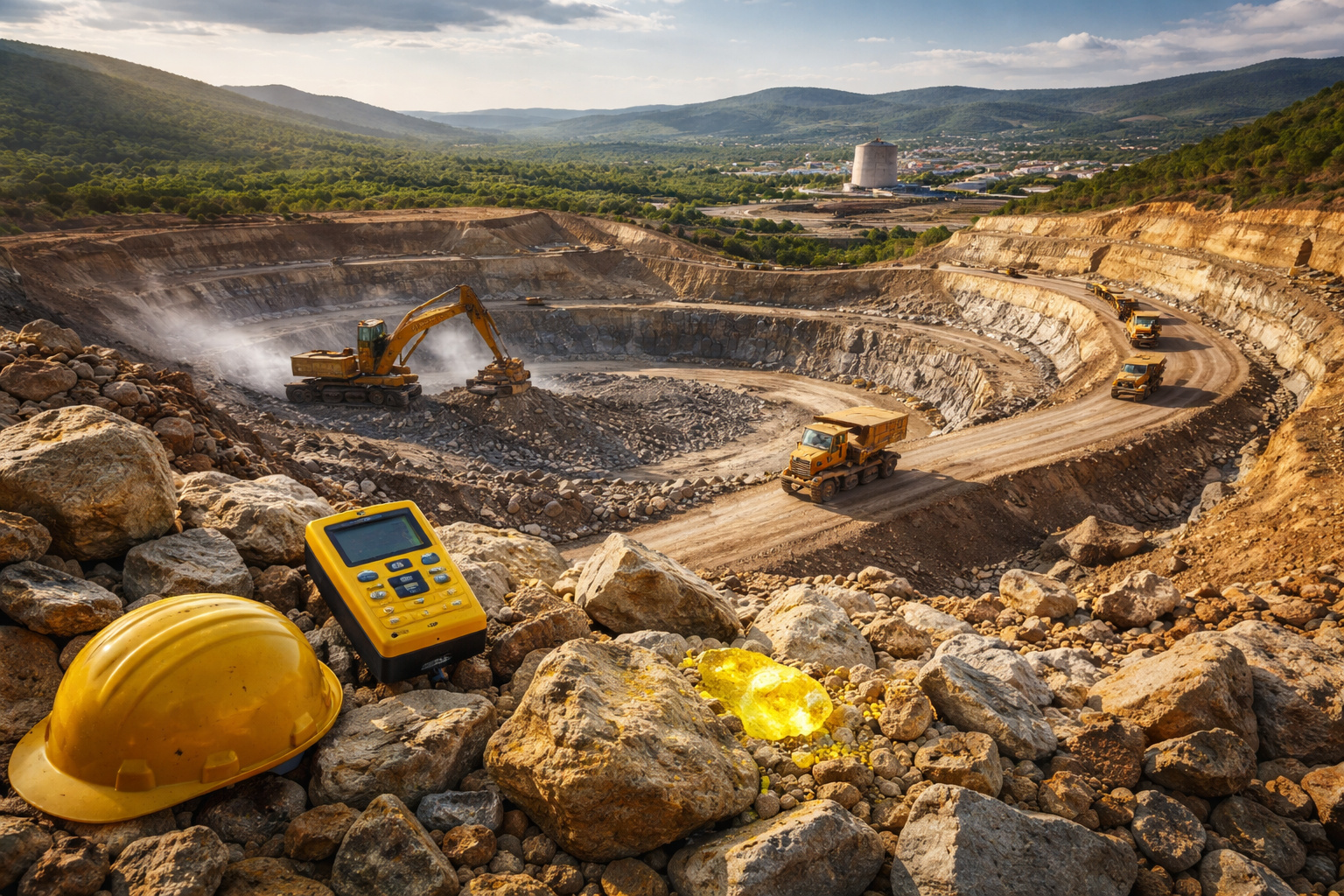
In 2025, in a hypothetical scenario used by space and economics analysts, the discovery of gold in a lunar crater sufficient to sustain a billionaire mining operation began to be treated as an extreme test for the limits of commercial exploration outside Earth and for countries’ ability to maintain minimal cooperation in orbit.
In this projection, the United States, China, and Russia are at the forefront of the race to reach the crater first, install infrastructure, and control the flow of valuable metals, while investors calculate the effect of a potential of over 1 trillion dollars in gold on markets, currencies, and humanity’s very perception of the Moon.
How The Discovery of Gold in Lunar Crater Changes The Logic of Space Exploration

The discovery of gold in a lunar crater in large volume would force an immediate change in the logic of space exploration, which is currently centered on science, technology, and geopolitical prestige.
-
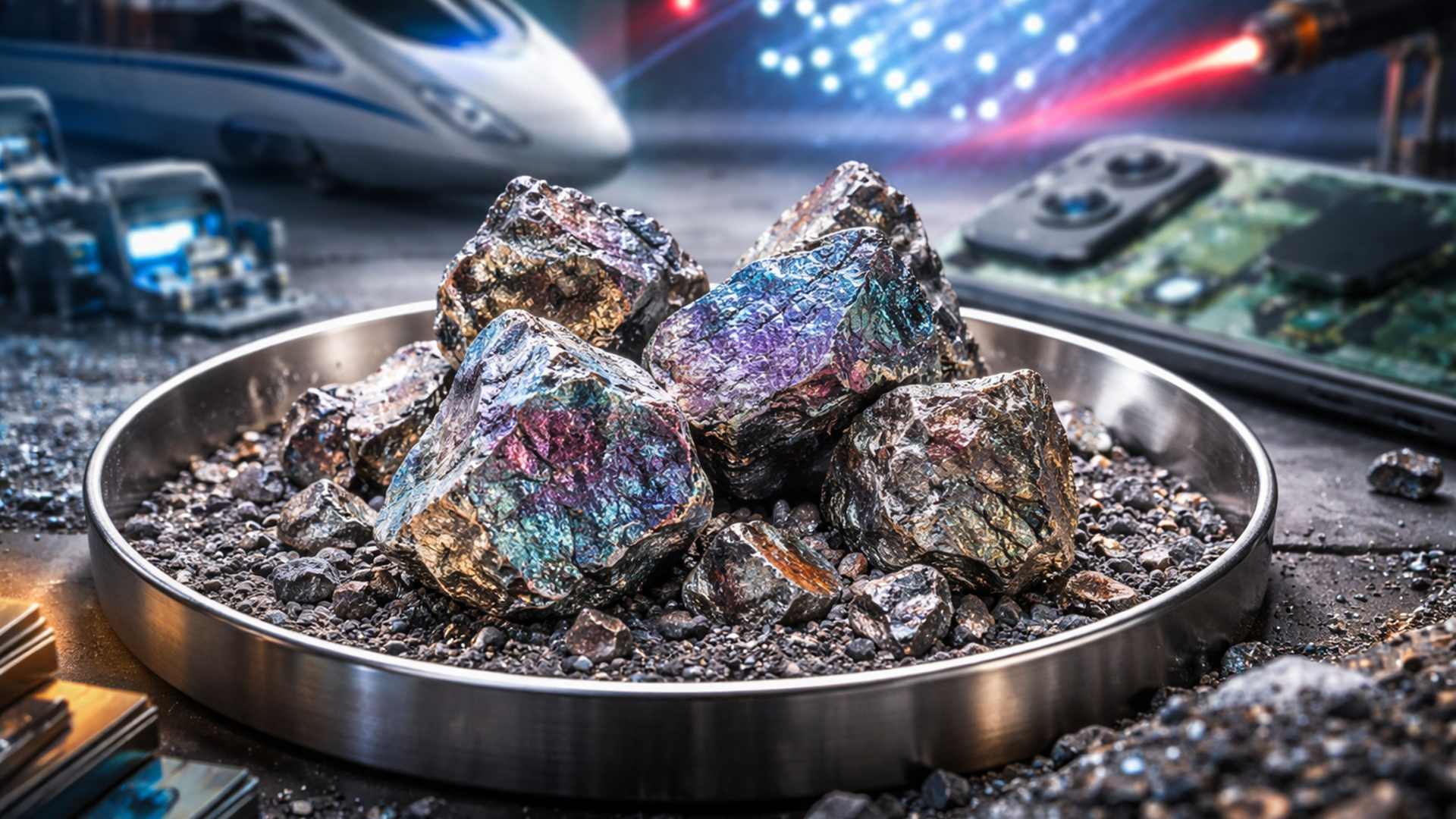
Rare earths are in everything, from cell phones to bullet trains, and what almost no one realizes is why they have become the target of such a delicate global war.
-
Brazil extracts 26.3 million tons of ore from what was previously treated as waste, transforming residues into wealth, producing over 3 million tons of sand, and demonstrating how national mining is relearning to generate value.

-
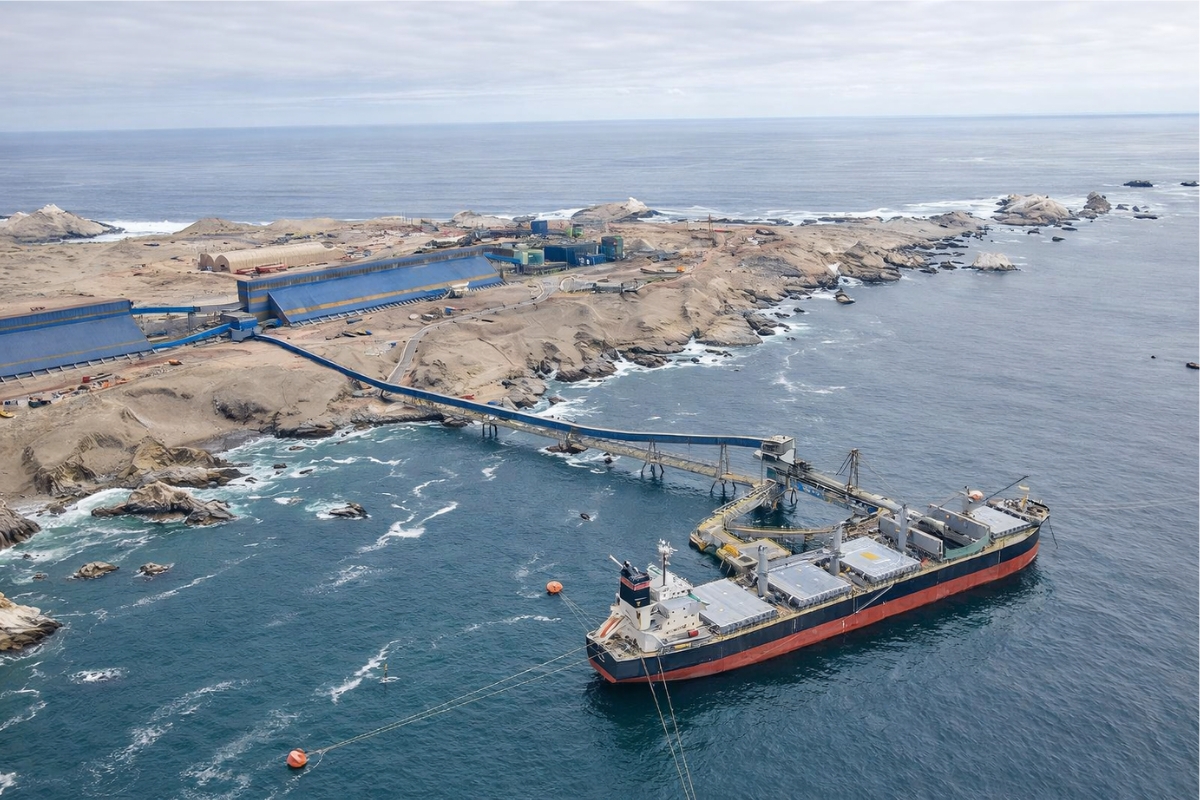
A $3.5 billion megaproject in Latin America pumps desalinated seawater at 1,050 liters per second over 194 km to keep a copper supermine in the Andes operational for another 20 years.
-
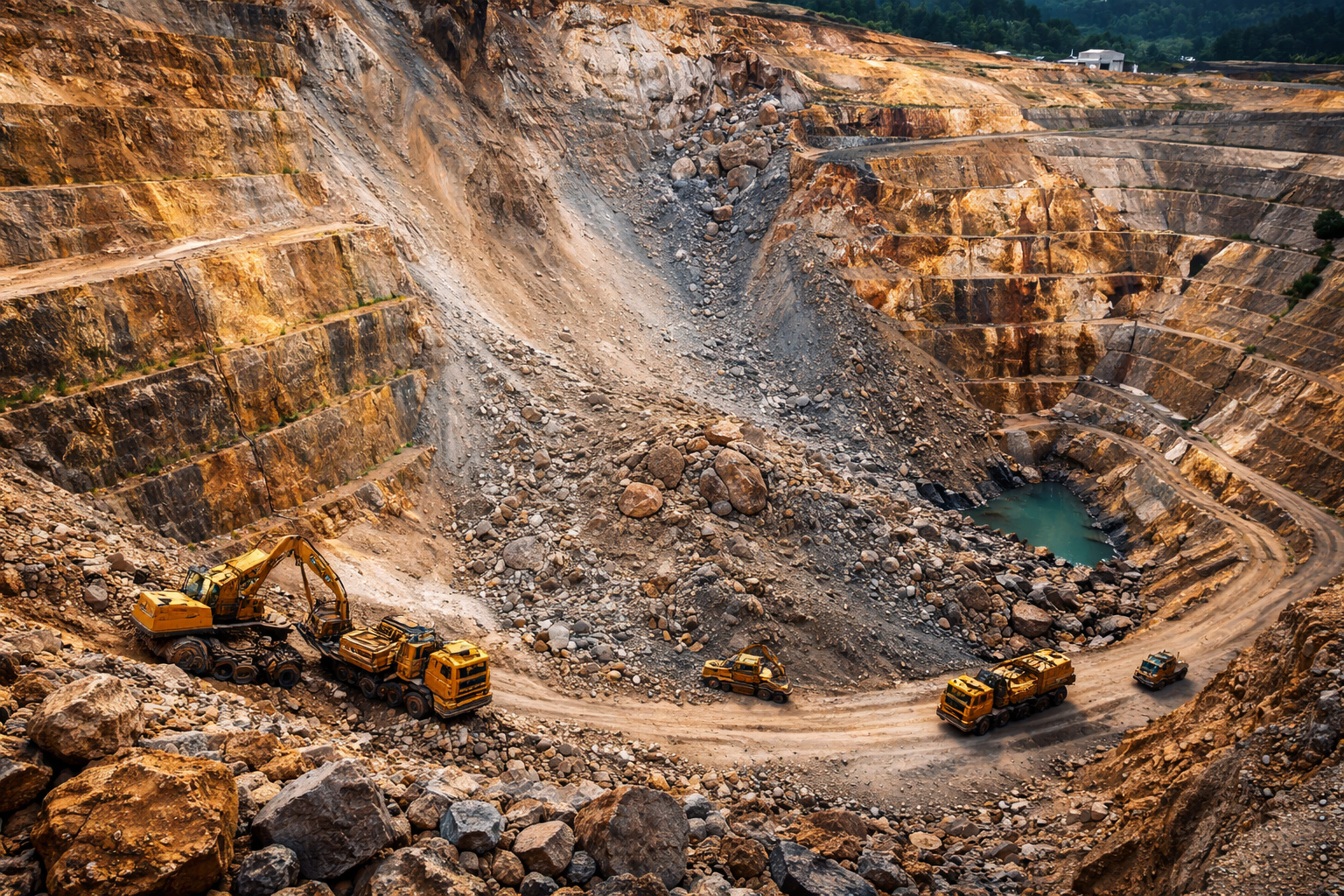
A hidden mine in the Andes valued at nearly R$ 1 trillion is starting to attract global attention, containing copper, gold, and silver, and raises an intriguing question: why do Argentina and Chile need to act together to exploit this gigantic wealth?

With billions at stake, the mission agenda would begin to include specific studies on mining, transportation, and refining of ores in low gravity.
Instead of merely collecting samples for laboratories, probes and modules would begin to map the crater in high resolution, estimate deposit thickness, assess the composition of associated rocks, and simulate the feasibility of continuous extraction.
The Moon would cease to be just a laboratory and technological showcase to become, in practice, a strategic economic asset.
Race Among United States, China, and Russia for Billionaire Space Mining
In this scenario, the discovery of gold in a lunar crater rearranges priorities among major space powers. The United States, China, and Russia are already competing for orbits, stations, and robots on lunar soil and would see the crater as a new stage to test their ability to land, operate, and remain for long periods.
The United States would likely seek to form consortia with allies and private companies, betting on reusable modules and integrated logistics with other missions.
China could leverage its state structure to accelerate launches and attempt to establish a continuous presence in the crater region.
Russia, with a history of long-duration operations in space, would seek to regain prominence by offering technology and experience in extreme environments.
Legal Vacuum and Dispute Over Ownership of Lunar Resources
The discovery of gold in a lunar crater immediately exposes the legal vacuum surrounding ownership of resources outside Earth.
Current treaties limit national appropriation of celestial bodies but leave gaps regarding who can explore, sell, and tax what is extracted from there.
In practice, the central question shifts from being merely technological to being legal and economic: who can register rights over a lunar mine valued at more than 1 trillion dollars and how to prevent the crater from becoming de facto territory of a single power or company, even without formal recognition of sovereignty.
Technological and Logistical Challenges of a Mine in a Lunar Crater
Operating a mine in a lunar crater would require solutions that go far beyond current landing technology.
The discovery of gold in a lunar crater would necessitate the development of equipment capable of extracting, concentrating, and storing ore in an environment of low gravity, abrasive dust, and extreme thermal variations.
It would be necessary to design vehicles capable of descending and ascending cliffs, energy systems that withstand long periods of darkness, and structures that protect machines and modules from radiation.
Each ton of material sent back to Earth would need to justify the cost of launch, operation, and risk, or risk turning a billionaire mine into an orbital loss.
Economic Impacts of a Lunar Mine Valued at 1 Trillion Dollars
From an economic perspective, the discovery of gold in a lunar crater would raise questions about the effect of such a large volume of precious metal on the current price equilibrium.
If lunar gold were to reach the market at a steady pace, it could pressure prices, change strategic reserves of countries, and redraw investment portfolios.
At the same time, the mere announcement of a mining operation in preparation would already be enough to move shares of space technology, mining, and insurance companies.
A new class of assets linked to exploration outside Earth would emerge, with funds, derivatives, and contracts tied to the success or failure of the lunar crater as a real revenue source.
Risks of Transforming the Moon Into a Frontier of Uncontrolled Mining
In addition to the economic potential, the discovery of gold in a lunar crater would bring clear risks of repetition, on a cosmic scale, of problems already seen in terrestrial mines.
Without clear rules, operations could prioritize rapid extraction, leaving behind debris, abandoned equipment, and unknown impacts on the lunar environment.
The urgency of each country to establish a presence and secure a position could reduce space for scientific cooperation, data sharing, and joint planning for environmental impact.
The risk is to transform the Moon into a new frontier of uncontrolled exploration, where the immediate value of 1 trillion dollars outweighs any principle of preservation or sustainable use of space.
In the face of a scenario in which the discovery of gold in a lunar crater opens a trillion-dollar race, do you think humanity should advance in this space mining or impose strict limits before the first shovel touches the lunar soil?








Pronto lá vai a praga do homem destruir a lua.