





 Portuguese
  English
  Spanish
 4 min of reading
  0 comments


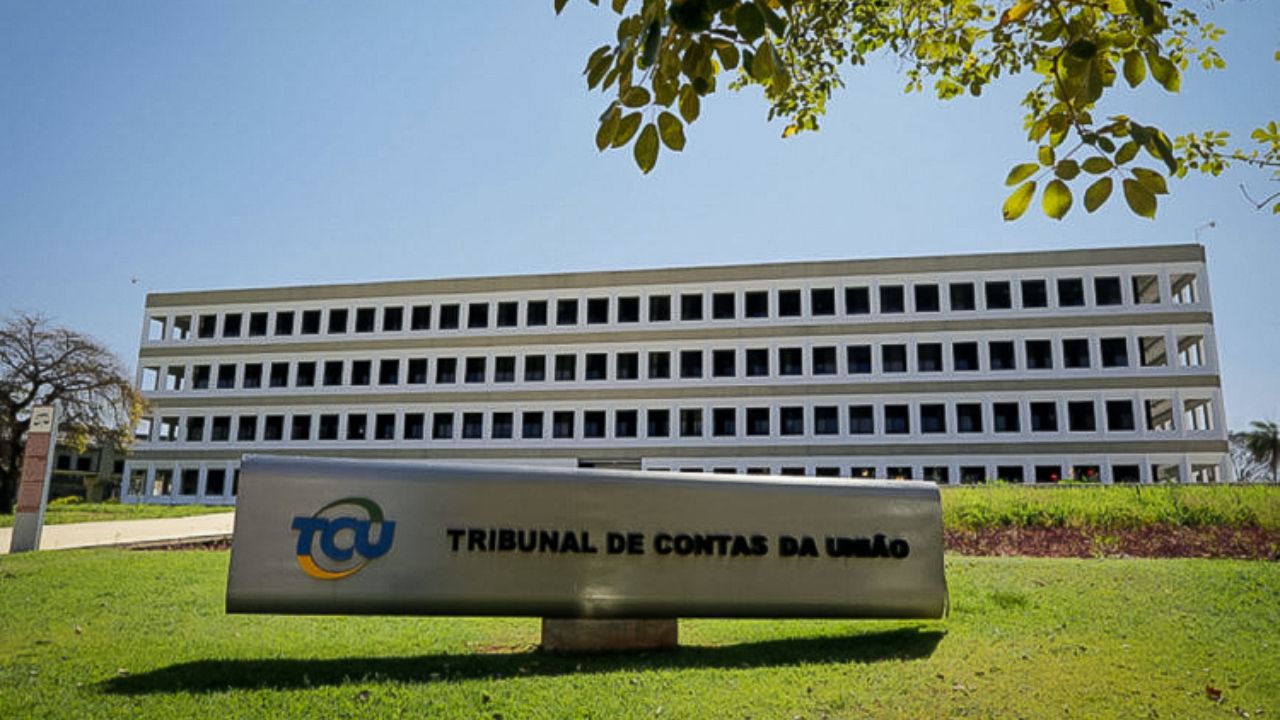
In The Scope Of A Postdoctoral Fellowship Contract, Ufes Researcher Violated Rules Such As Exclusive Dedication And Program Completion, And Was Ordered To Return R$ 245 Thousand To The Public Treasury.
A researcher linked to the Federal University of Espírito Santo (Ufes) is required to return R$ 245,140.82 to the public coffers due to a breach of the postdoctoral contract from the Coordination for the Improvement of Higher Education Personnel (Capes). The decision was made by the Federal Court of Accounts (TCU) in a session held on October 21, 2025, after identifying irregularities in complying with the conditions of the fellowship.
The postdoctoral program was supposed to be completed with exclusive dedication, but the researcher maintained an employment relationship and did not finish the program.
The case takes place in the state of Espírito Santo, within the Ufes framework, and highlights failures in the oversight of postdoctoral fellowships in federal institutions.
-
“No one will make us change the Pix,” says Lula after the US report.

-
Lula responds directly to Trump and says that Pix is from Brazil and will not change under pressure from anyone, after a report from the United States pointed out the Brazilian payment system as an American trade barrier.

-
Amazon has just announced a new fee on all deliveries, and your online purchases will become more expensive starting April 17, including for those buying from the United States here in Brazil.

-
He sold his share for R$ 4 thousand, saw the company become a giant worth R$ 19 trillion, and missed the opportunity of a lifetime.

Postdoctoral Contract And Obligations
The TCU found that the beneficiary of the fellowship signed a grant agreement that required exclusive dedication to research during the postdoctoral period.
Despite this, she maintained an employment relationship concurrently with the program from July 2015 to January 2018.
Furthermore, she did not complete the postdoctoral program for which she was awarded.
Capes originally allocated an amount of R$ 147,600, through 36 installments of R$ 4,100, during the indicated period.
With monetary correction, the amount to be returned reaches R$ 245,140.82.
Decision, Deadlines And Consequences
In the session on 10/21/2025, the TCU deemed the accounts presented by the researcher to be irregular and ordered the return of the amount to the public treasury.
The Court stipulated that the first payment should be made within 15 days; if there is no voluntary payment, judicial collection measures may be adopted.
The agency will also notify Capes to take appropriate administrative action.
Researcher’s Defense
The researcher presented a defense claiming that she did not act in bad faith and that, according to her, other funding agencies allow employment relationships in postdoctoral fellowships.
She also argued that the requirement for full dedication would be illegal, since the employment relationship would not occur at the granting institution, but rather in providing services.
Despite these claims, the TCU did not accept the arguments. The understanding was that each notice has the force of a contract and those who accept the fellowship must comply with the clauses they sign.
Impacts On Postdoctoral Fellowships And Institutions
This case sheds light on one of the critical vectors of postdoctoral fellowships in Brazil: the requirement to comply with contractual conditions, such as exclusive dedication, program completion, and accountability.
When these steps are not observed, the result can be the return of public funds and the liability of the fellow.
For Ufes, even without directly granting the fellowship or having a formal relationship with the researcher (since she was not a civil servant or permanent professor), the situation raises questions about the monitoring of postdoctoral compliance.
In broader terms, the outcome reinforces the need for educational and research institutions to establish more rigorous monitoring mechanisms for postdoctoral fellowships, ensuring that the benefiting researchers meet deadlines, deliver results, and dedicate themselves as per the contract.
What Is Postdoctoral Study And Why This Case Matters
The postdoctoral fellowship modality refers to a research stage conducted by those who already hold a doctorate, aiming to deepen or expand their academic investigations, typically at a national or international institution.
When a fellow does not fulfill their obligations — as in the case of the Ufes researcher —, there is an impact not only financially but also reputationally for the institution and the research funding system.
Moreover, the use of public resources requires transparency and responsibility: each fellowship awarded for postdoctoral research represents an investment in knowledge, innovation, and training researchers who can contribute to society.
When the conditions are not met, this cycle is interrupted, which undermines science & technology policies.
Paths To Avoid New Cases And Recommendations
To strengthen the credibility of the postdoctoral system, it is recommended that:
- Educational and research institutions establish continuous monitoring of postdoctoral fellowships, checking deadlines, dedication, and employment relationships of fellows;
- Fellows receiving postdoctoral fellowships assume clear responsibility and fully understand the contractual clauses they sign, including the requirements for exclusive dedication or professional ties;
- Funding agencies reinforce compliance processes (such as checking dedication, ties, and research completion) so that isolated cases do not weaken the system as a whole.
This episode highlights how fulfilling obligations in postdoctoral contracts is vital for maintaining a quality and trustworthy university environment.
The proper return of public resources ultimately represents more than a simple financial restitution: it symbolizes a commitment to serious research, transparency, and the responsible use of the postdoctoral fellowship.
With information from Folha Vitória.








-

-

-

-

5 pessoas reagiram a isso.