





 Portuguese
  English
  Spanish
  5 min of reading


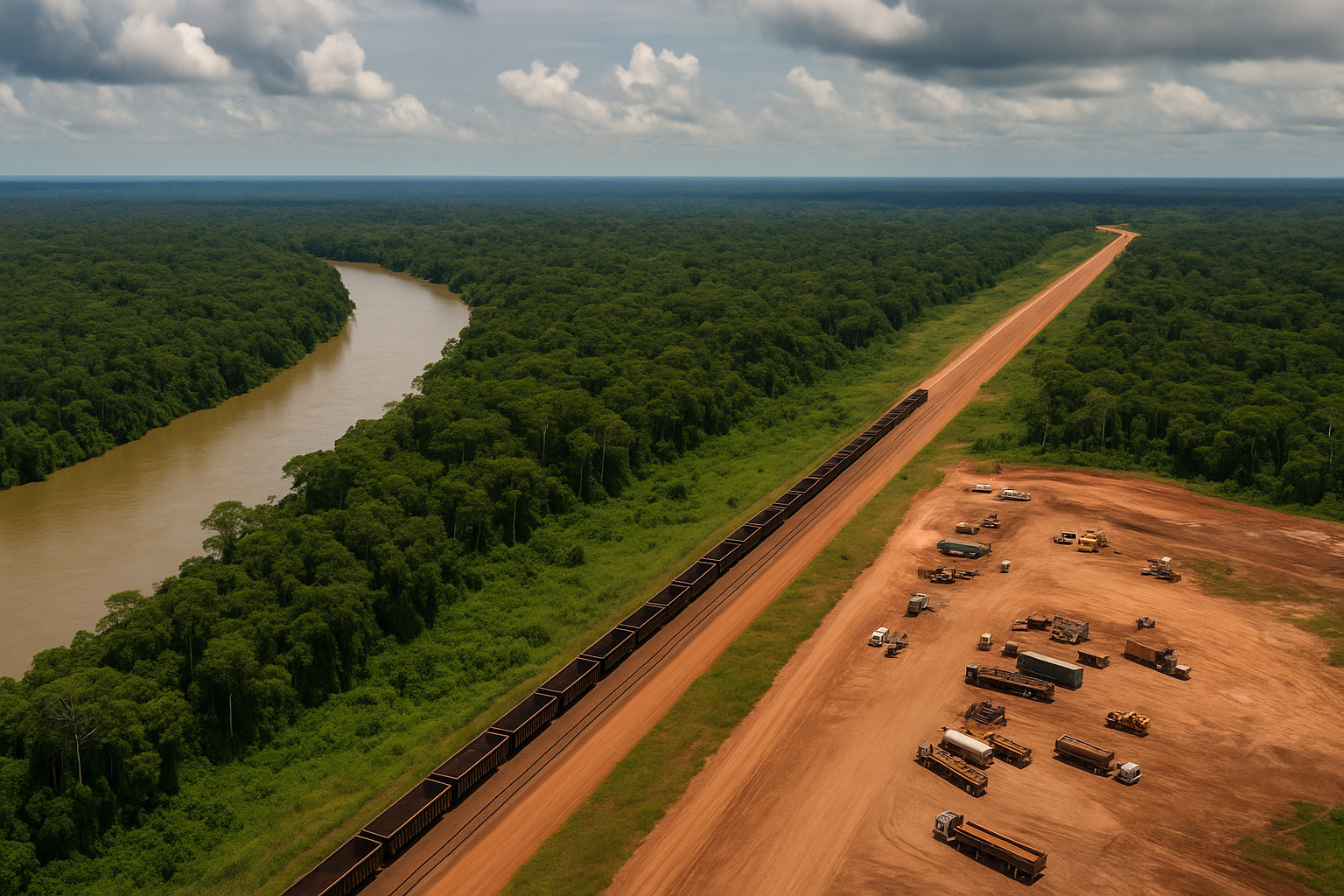
The Amazon has always held a central place in Brazil’s history. Since the colonial period, the region has been seen as a territory for the exploitation of natural resources and, at the same time, as a distant frontier from central power. This perspective shaped political, economic, and logistical decisions that still influence the debate about sustainability, development, and environmental preservation today.
Over the centuries, the occupation of the Amazon has occurred unevenly. Initially, river navigation structured the regional economy. Later, cycles such as rubber in the late 19th and early 20th centuries brought temporary wealth, but also left deep marks. According to historical records from the Brazilian government, the collapse of this cycle highlighted the fragility of an economic model based solely on extraction.
As time passed, new attempts at integration emerged. In the 1960s, the federal government launched infrastructure projects aimed at “integrating to not hand over.” Roads like the Transamazon Highway symbolized this effort. However, according to the Ministry of Transport itself, many of these projects progressed without adequate environmental planning, worsening deforestation and land conflicts.
-
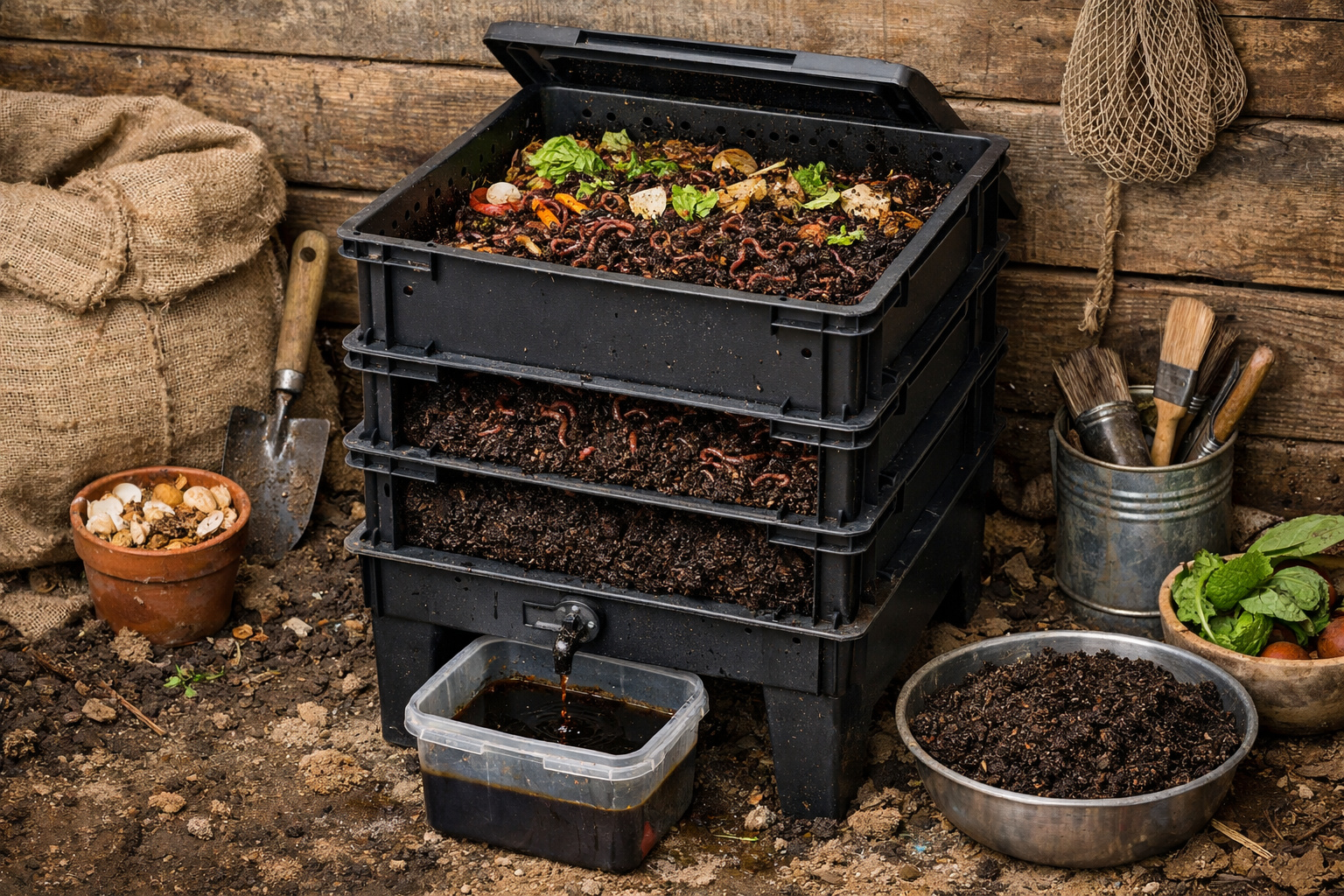
6 sources of free fertilizer that you are throwing away every day and can transform your garden without spending anything.
-
With a water crisis on the radar, Sabesp invests in reclaimed water for data centers and transforms sewage treatment into a solution that saves millions of liters and protects public supply.

-
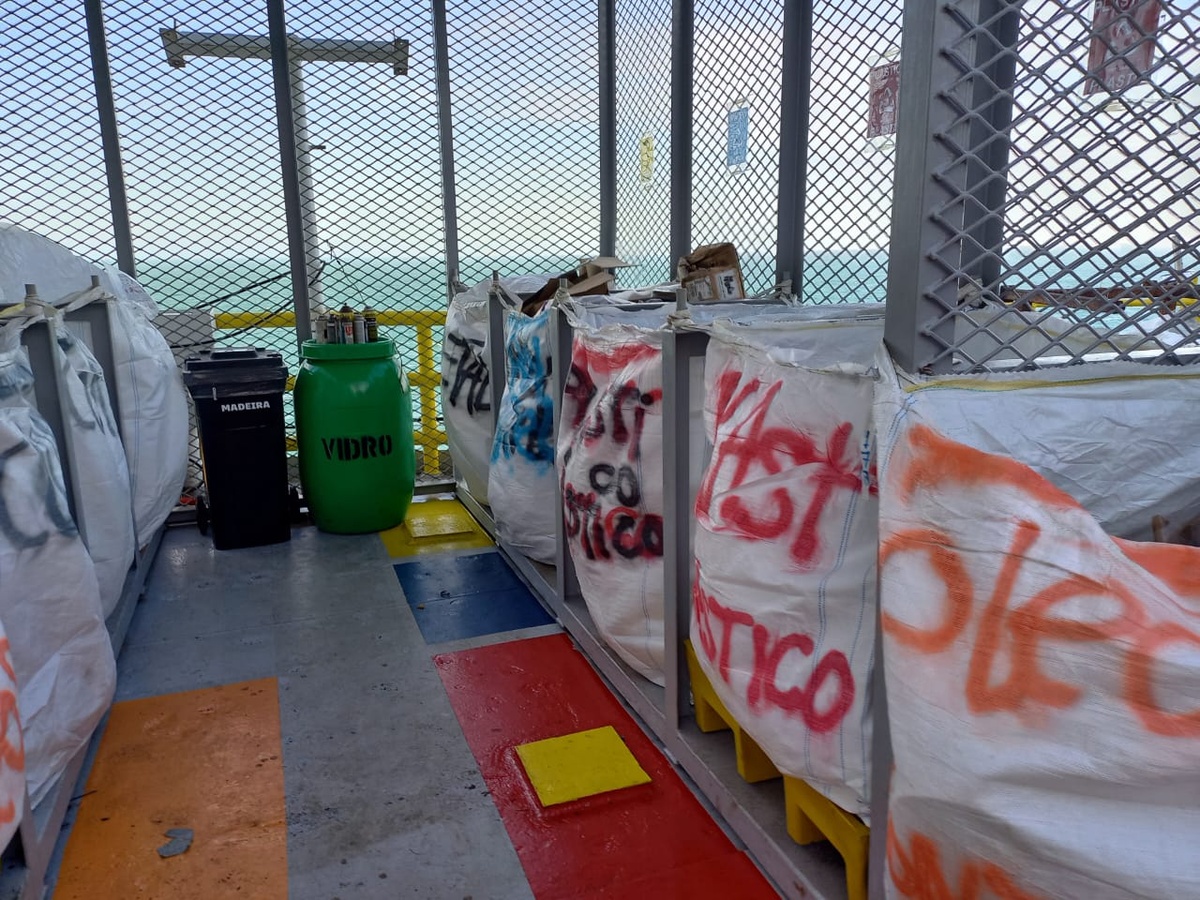
Foresea achieves 100% offshore waste reuse in 2025, eliminates landfill disposal, and consolidates sustainable strategy with 1,500 tons recycled.
-
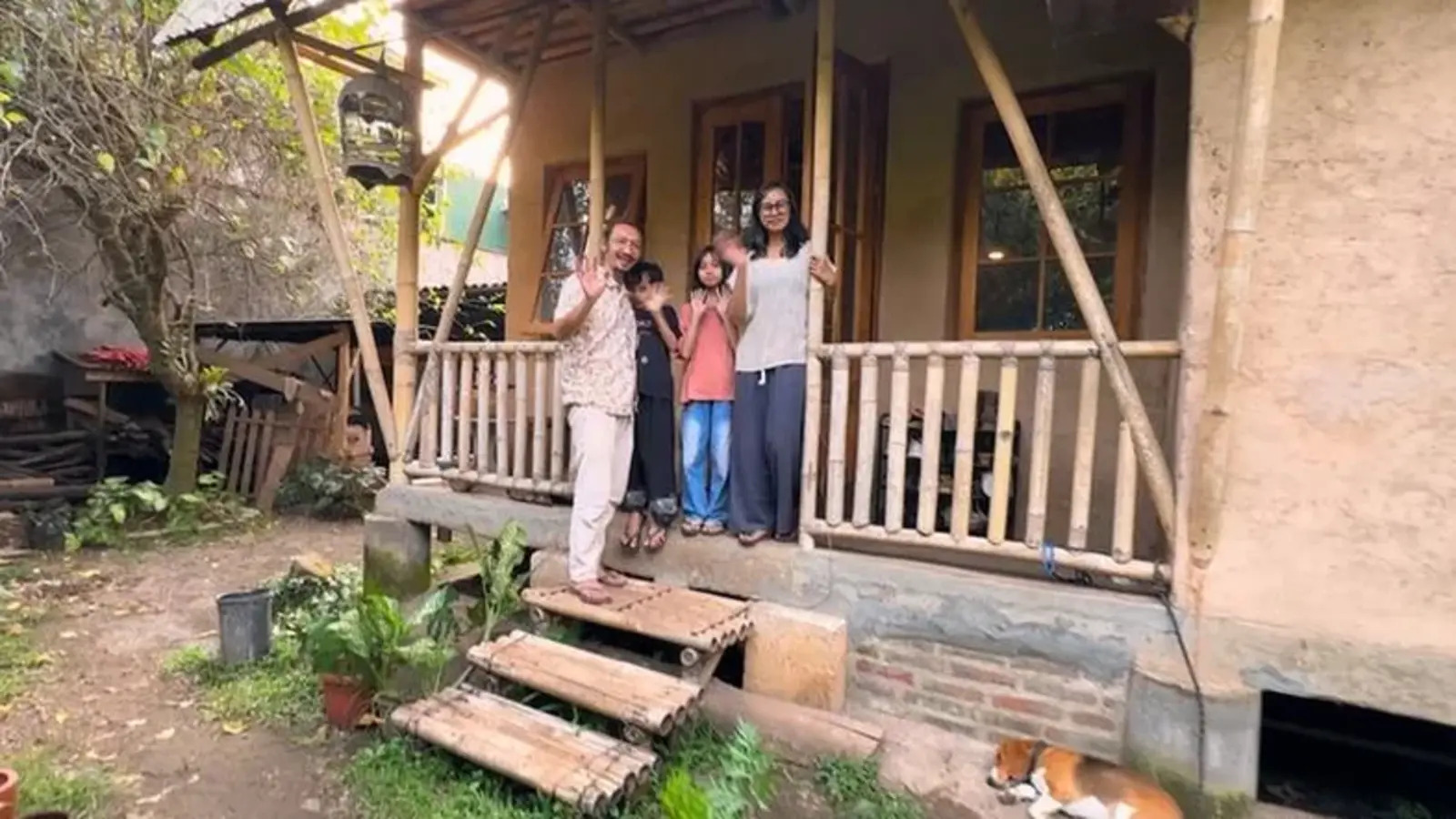
With earth, bamboo, straw, and lime mortar, a specialist builds a house for just over $460 and draws attention for its cost being much lower than traditional construction.

This history helps to understand why today, development and sustainability need to move together in the Amazon. The region faces unique logistical challenges. The complex geography, with large rivers, dense forests, and long distances, demands solutions adapted to local realities. Moreover, climate change increases the risks of floods and severe droughts, affecting communities and productive chains.
The Logistical Challenge in the North of the Country
Currently, Northern Brazil faces infrastructure bottlenecks that directly impact the quality of life of the population. Poor roads, limitations in river transport, and a lack of integration between modes raise product costs and hinder access to basic services. According to the Brazilian Institute of Geography and Statistics, IBGE, data released over the past decade show that logistical costs in the region can be significantly higher than in other parts of the country.
On the other hand, improving logistics does not mean repeating past mistakes. Today, executives, researchers, and public managers advocate for a new model. This model prioritizes sustainability, efficiency, and respect for the environment. The central idea is clear. It is not about preventing development, but about rethinking how it happens.
In this context, sustainable logistics gains prominence. Investments in modern river transport, for example, reduce the need for new roads and decrease greenhouse gas emissions. According to the World Bank, reports published in recent years indicate that the smart use of the Amazon rivers can strengthen the regional economy with less environmental impact.
Moreover, technology plays a decisive role. Environmental monitoring systems, cargo tracking, and integrated planning help reduce waste and prevent damage. According to the federal government, recent initiatives for digitization and logistical control aim to align economic efficiency and preservation.
Sustainability as the Central Axis of Development
Talking about the Amazon without mentioning sustainability no longer makes sense. The concept has evolved over time. In the 1980s, the debate gained strength with the 1988 Constitution, which recognized an ecologically balanced environment as a right for all. This legal milestone changed the way the country began to view the region.
Since then, scientific institutions and civil society organizations have expanded the discussion. According to the Amazon Environmental Research Institute, IPAM, studies published over the 2000s show that it is possible to generate income with standing forests. Responsible forest management, bioeconomy, and the valuation of traditional knowledge emerge as viable paths.
At the same time, sustainability also involves people. Indigenous, riverside, and traditional communities have lived in the Amazon for centuries. They have developed ways to use natural resources based on balance. According to the National Foundation of Indigenous Peoples, Funai, historical data indicates that preserved indigenous lands show lower deforestation rates.
Therefore, any development strategy must consider these populations. Including local communities in decisions strengthens sustainability and reduces conflicts. Furthermore, it generates more lasting solutions as it respects knowledge accumulated over generations.
Economic Pressures and the Role of the Private Sector
In recent years, the private sector has taken a more active role in this debate. Executives from the logistics, energy, and agribusiness sectors recognize that the preservation of the Amazon is not just an environmental issue. It also involves reputation, market access, and legal security.
According to the United Nations, UN, reports released since 2015 indicate that sustainable productive chains gain competitive advantages in the global scenario. Consumers and investors demand transparency and environmental responsibility. In this sense, the Amazon becomes a thermometer for business practices.
Additionally, public policies and international agreements are pushing for change. The Paris Agreement, signed in 2015, reinforced commitments to reduce emissions. According to the Brazilian government, national climate goals depend directly on reducing deforestation in the Amazon.
Thus, sustainability ceases to be a discourse and becomes a strategy. Companies that invest in low-impact logistics, traceability, and innovation contribute to a more balanced model. At the same time, they create economic opportunities aligned with the demands of the 21st century.
A Look at the Future of the Amazon
When observing the historical trajectory of the Amazon, it becomes clear that the mistakes of the past serve as a warning. Models based solely on rapid exploitation have generated inequality and degradation. Today, the scenario demands different choices.
According to the Ministry of the Environment, recent data show that integrated policies, when well applied, can reduce deforestation and stimulate sustainable activities. Although challenges remain, the results indicate that progress is possible.
Moreover, the Amazon plays a strategic role in global climate balance. According to the Intergovernmental Panel on Climate Change, IPCC, reports published since 2021 reinforce the importance of the forest in climate regulation. Preserving the region benefits not only Brazil but the planet.
Thus, development and sustainability are not opposites. In the Amazon, they need to coexist. The region calls for solutions that respect its history, its people, and its biodiversity. With planning, dialogue, and responsibility, it is possible to build a path that unites economic progress and environmental preservation in a lasting and timeless way.





Seja o primeiro a reagir!