





 Portuguese
  English
  Spanish
  3 min of reading
  0 comments


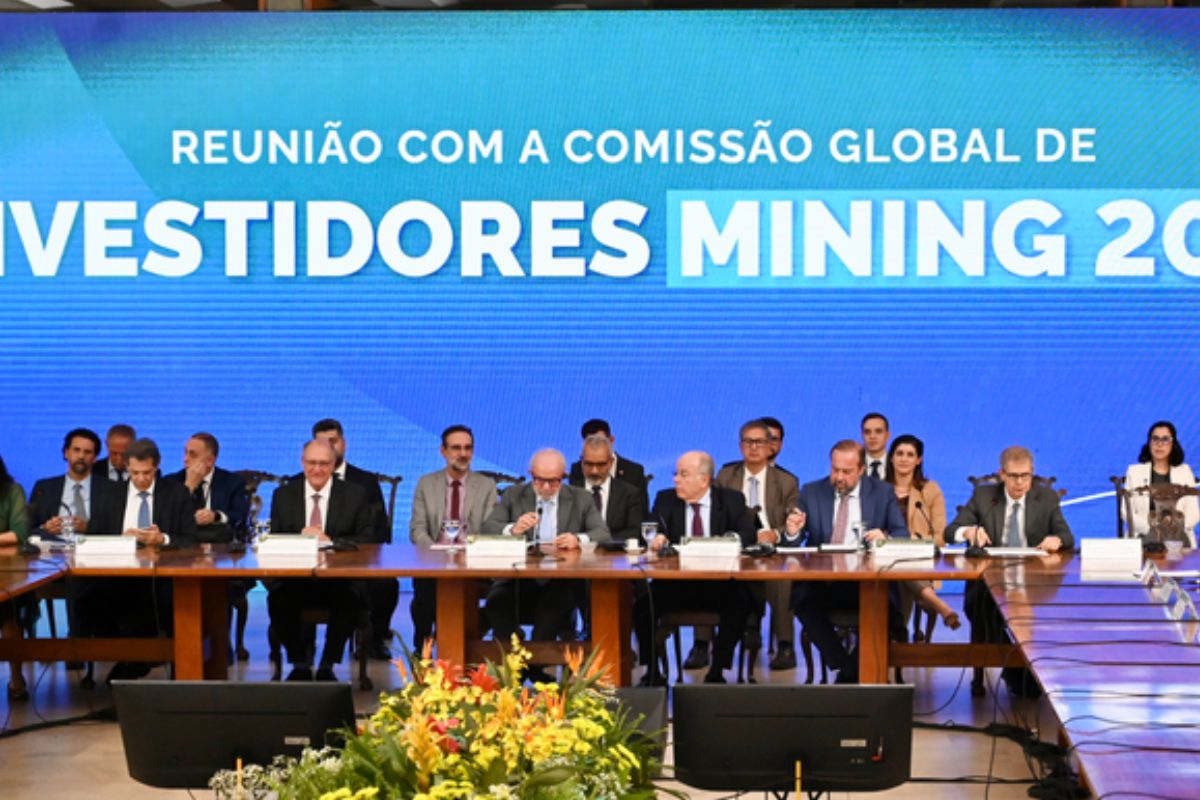
Lula and Alexandre Silveira’s Commitment to Sustainable Mineral Development Reinforces Brazil’s Sovereignty, Attracting Green Investments and Strengthening Global Environmental Governance
The sustainable mineral development gained international prominence during the meeting of the Global Commission on Mining Investors 2030, held on October 30th at the Itamaraty Palace in Brasília, according to a report published.
The meeting brought together President Luiz Inácio Lula da Silva, Minister of Mines and Energy Alexandre Silveira, Vice President and Minister of Industry Geraldo Alckmin, along with other ministers of State, to discuss new directions for responsible mining and strengthening national sovereignty in the sector.
The Mining 2030 represents over 85 global financial institutions and funds totaling about US$ 17 trillion in assets, under the presidency of Adam C.T. Matthews of the Anglican Church Pension Fund.
-
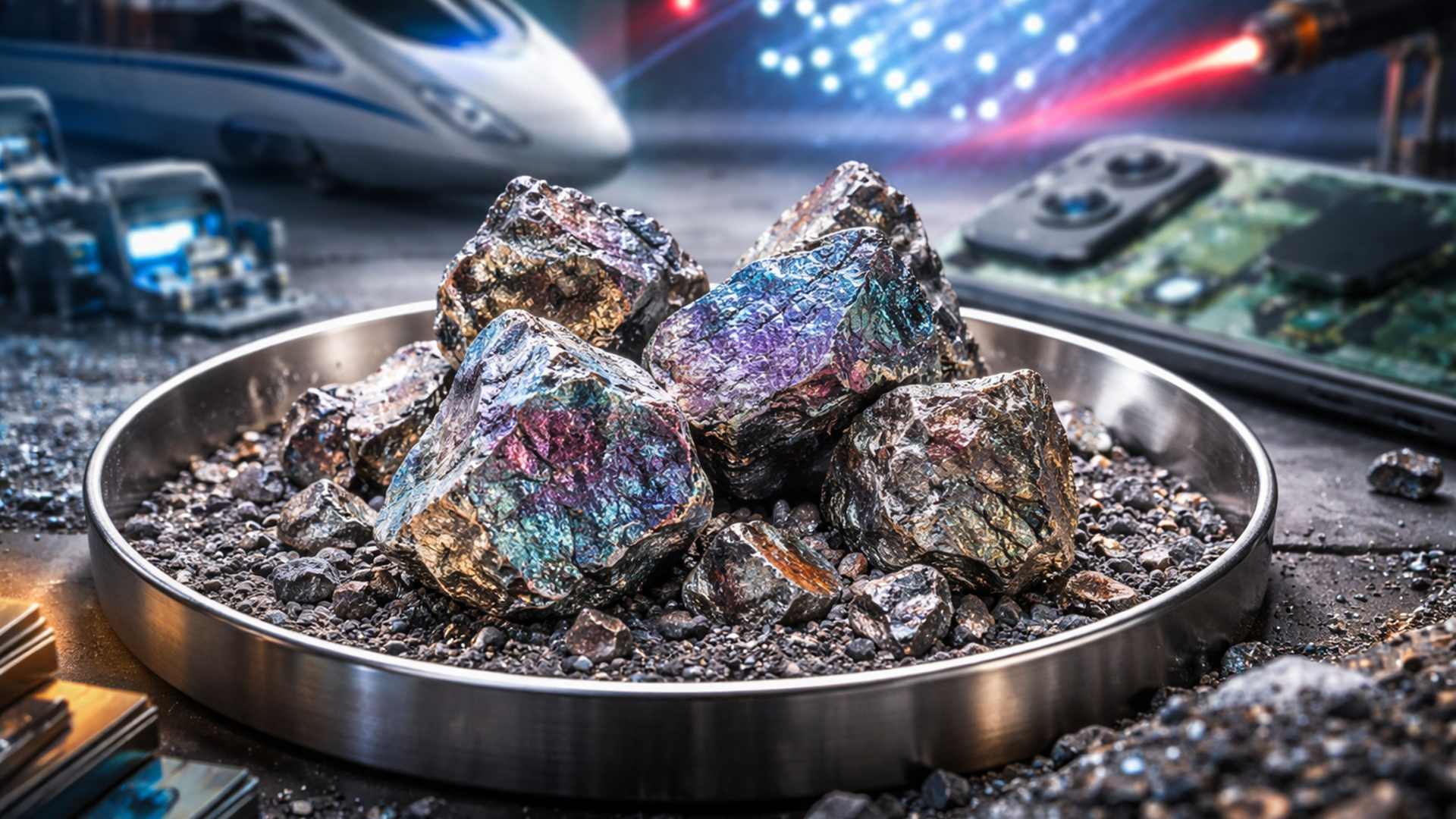
Rare earths are in everything, from cell phones to bullet trains, and what almost no one realizes is why they have become the target of such a delicate global war.
-
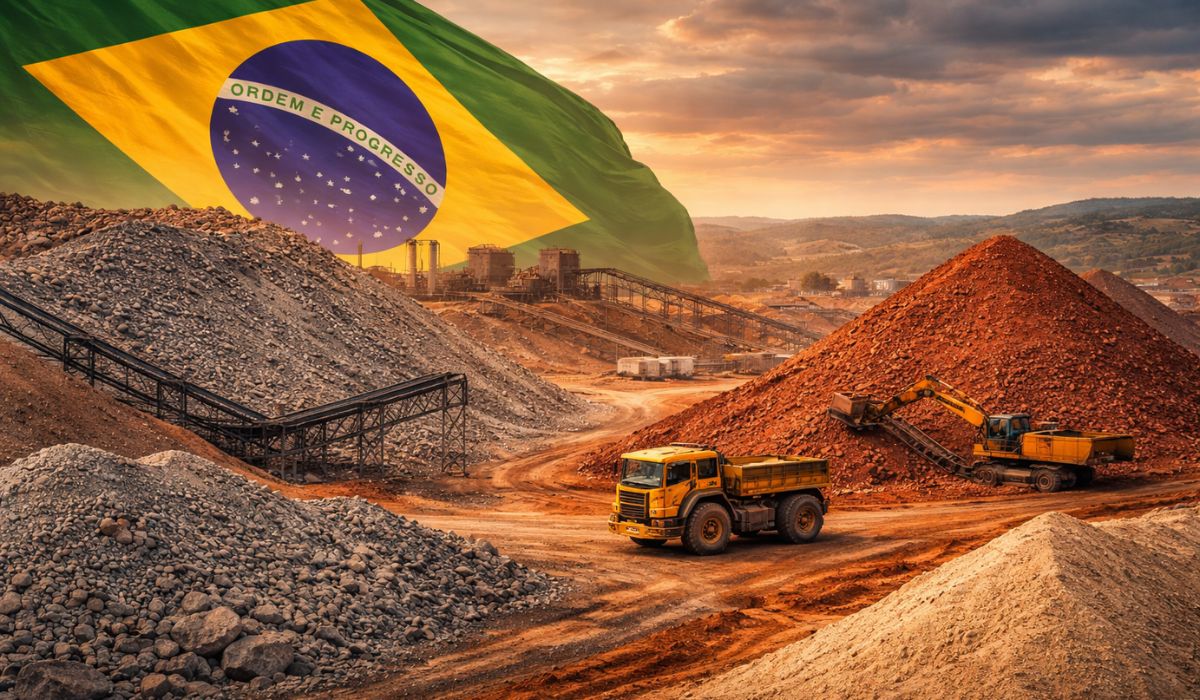
Brazil extracts 26.3 million tons of ore from what was previously treated as waste, transforming residues into wealth, producing over 3 million tons of sand, and demonstrating how national mining is relearning to generate value.
-
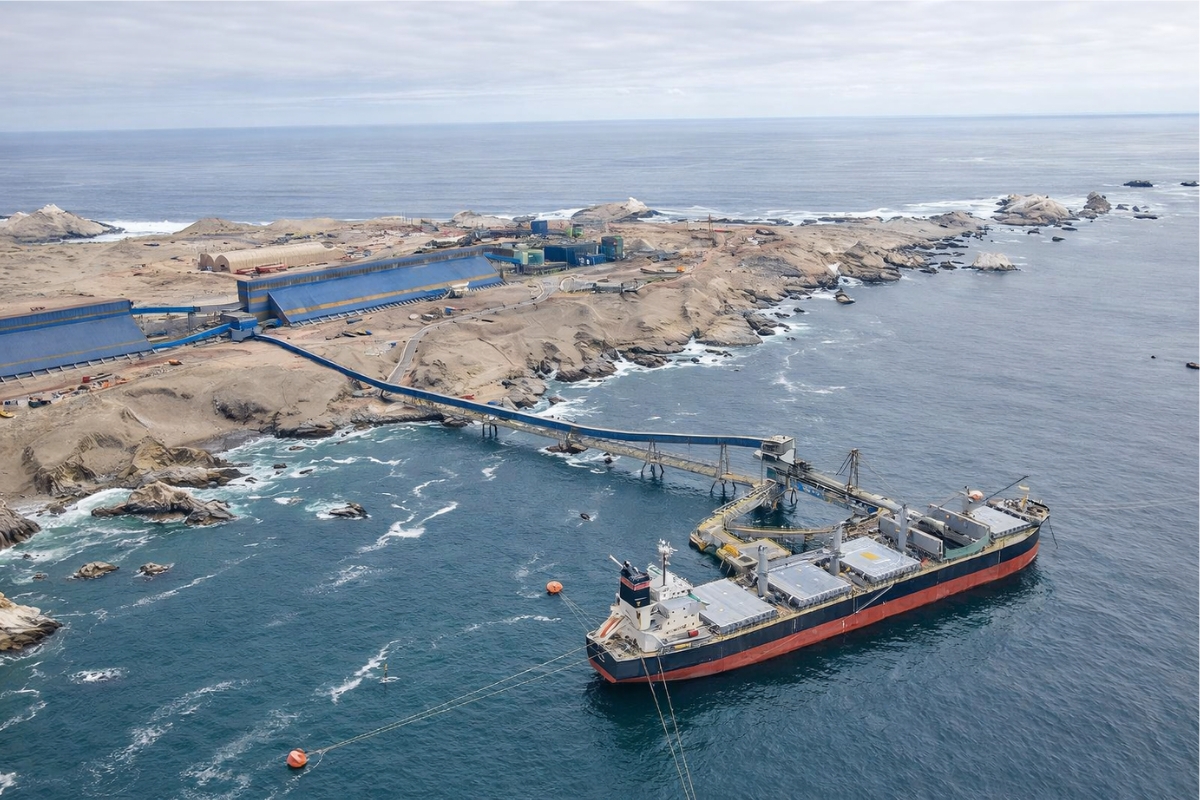
A $3.5 billion megaproject in Latin America pumps desalinated seawater at 1,050 liters per second over 194 km to keep a copper supermine in the Andes operational for another 20 years.
-
A hidden mine in the Andes valued at nearly R$ 1 trillion is starting to attract global attention, containing copper, gold, and silver, and raises an intriguing question: why do Argentina and Chile need to act together to exploit this gigantic wealth?
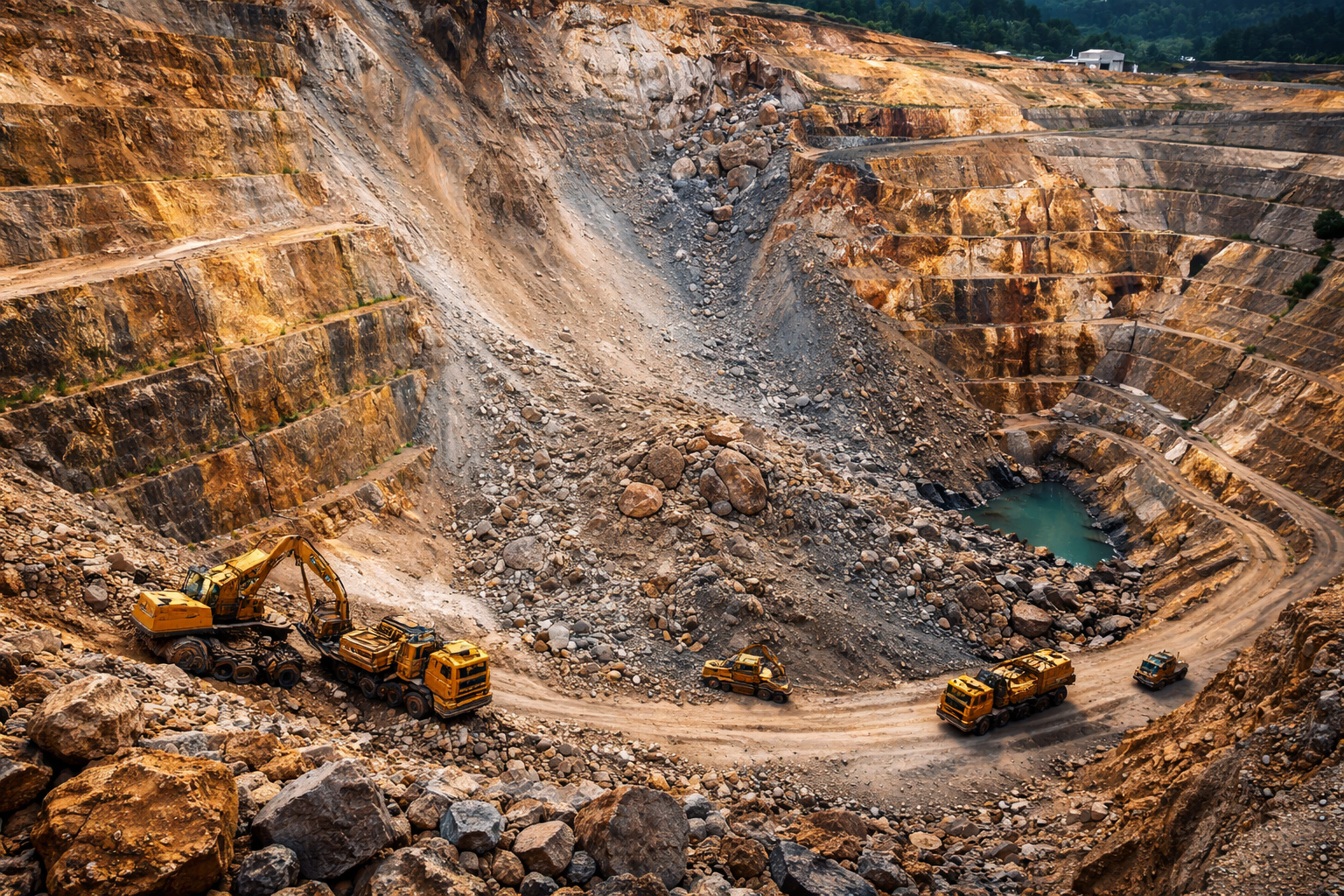

During the meeting, Lula and Silveira emphasized that Brazil has one of the most robust environmental legislations in the world and a energy matrix recognized for its predominance of clean and renewable sources.
This scenario reinforces the country’s role as a global power in mineral resources and sustainable practices.
Responsible Mining and Attraction of Green Investments
Silveira highlighted that sustainable mineral development is a strategic axis for the economic and social advancement of the country.
The minister explained that the Federal Government has been working to unlock mining projects aligned with environmental and social responsibility, ensuring that the exploration of the underground generates real benefits for the population.
He mentioned the creation of the National Mineral Policy Council (CNPM), which brings together 18 ministries and consolidates a new governance model for the sector.
The opening of Brazil to green investments in responsible mining was also emphasized by the participants of Mining 2030.
With significant reserves of copper, lithium, nickel, manganese, and graphite, essential minerals for the energy transition, the country is becoming increasingly relevant to international funds committed to low environmental impact and high sustainable profitability.
Energy Transition and Appreciation of Critical Minerals
The sustainable mineral development is directly linked to the advancement of the global energy transition.
The meeting at the Itamaraty reinforced that Brazil plays a strategic role in providing critical minerals, fundamental for clean technologies, such as batteries and electric vehicles.
In this context, Silveira announced the structuring of the Special Council on Critical and Strategic Minerals, aimed at ensuring sovereignty and national interest in the exploration and commercialization of these resources.
The initiative is aligned with the National Policy on Critical and Strategic Minerals, developed by the government in partnership with the National Congress, aimed at strengthening integrated environmental governance and expanding the international competitiveness of Brazilian mining.
Environmental Governance and National Sovereignty in the Mineral Sector
During the meeting, Lula reinforced that sustainable mineral development is essential to ensure Brazil’s sovereignty and the generation of skilled jobs.
The president highlighted that the country must transform its natural wealth into social development, expanding international partnerships that respect the environment and social justice.
The dialogue with Mining 2030 reinforces the view that the future of mining depends on a balance between economic progress, innovation, and environmental preservation.








-

Uma pessoa reagiu a isso.