





 Portuguese
  English
  Spanish
  4 min of reading
  0 comments


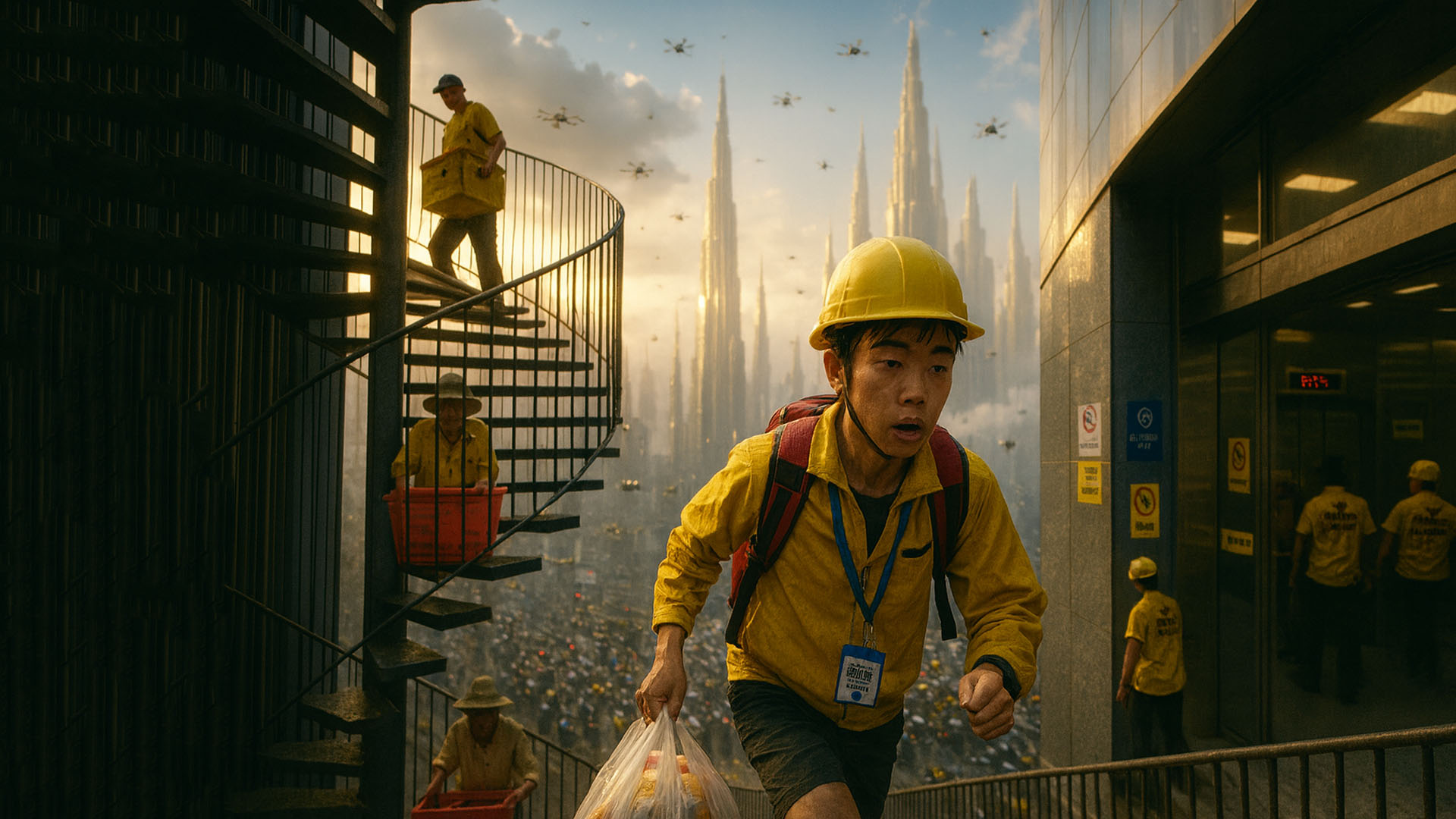
In Shenzhen, Elders and Youths Make the “Last Mile” of Deliveries in Buildings Up to 70 Floors, Charging About 2 Yuans per Order.
Vertical cities create simple bottlenecks, elevators. In Shenzhen, China, this opened up space for informal work that closes the delivery route to the customer’s door.
Known as “last mile runners” or “last mile”, they receive the order at the entrance of skyscrapers and go up by elevators or stairs to complete the delivery. The practice has become established in the SEG Plaza complex in the Huaqiangbei district.
Payment is usually 2 yuans per delivery (about US$0.30). The activity attracts retirees and young people looking for extra income and speed for motorcycle delivery drivers who cannot wait long elevator lines.
-
Untouched for 2,200 years, the tomb of China’s first emperor hides up to 100 tons of mercury, lethal traps designed to kill invaders, and a mystery so dangerous that archaeology still refuses to uncover it.

-
With 220 meters, 721 feet, and 25 thousand gross tons, the world’s largest sailing cruise ship sets a record before its debut and promises to reinvent luxury at sea with giant sails and futuristic engineering.

-
A Brazilian city is being invaded by the sea, buildings are leaning, and the solution could cost R$ 200 million with support from BNDES to prevent flooding, modernize drainage, and protect more than 200,000 residents within 5 years.
-
Lula’s government puts R$ 1 billion on the table to revitalize watersheds with 60 projects, including the São Francisco and Parnaíba rivers, sanitation, navigation, urban drainage, pollution control, and actions in strategic areas of Furnas.
However, the circulation of videos featuring children acting in this new profession has generated fierce debates, leading local authorities to restrict the use of minors, rekindling discussions about safety and child labor.
How The “Last Mile” Became Established in Shenzhen Skyscrapers
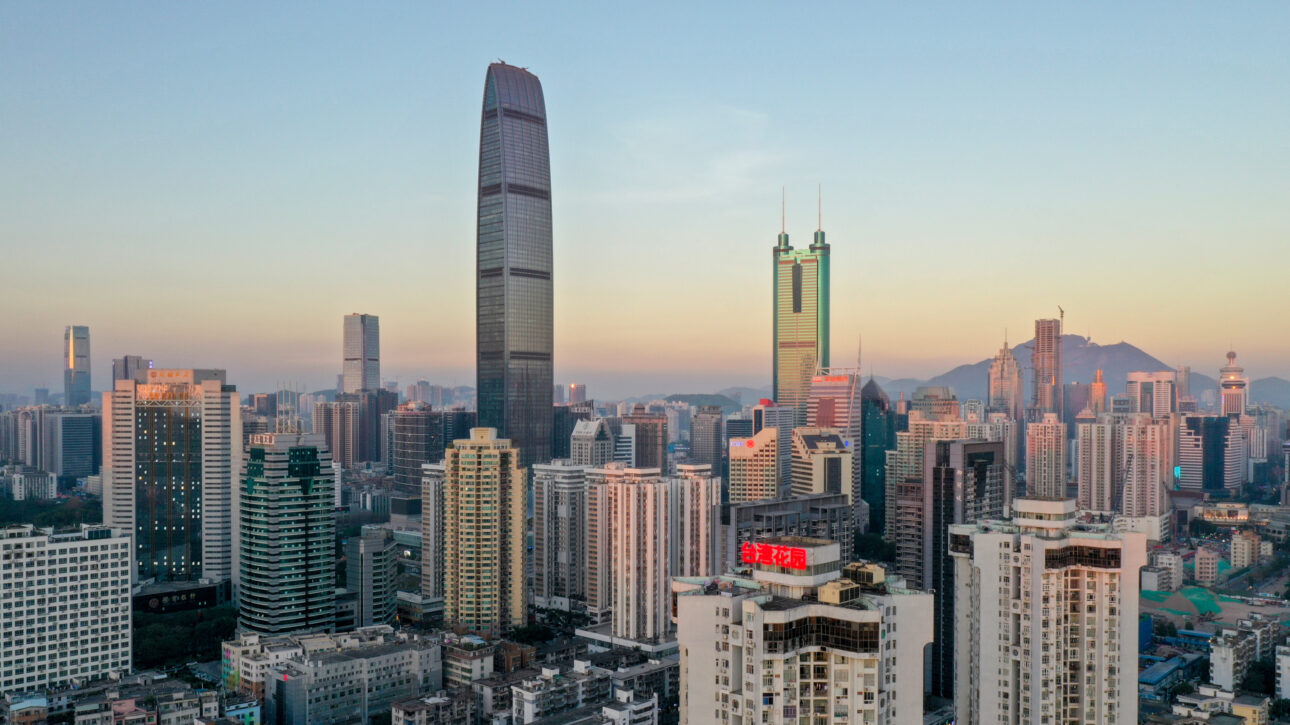
During peak lunch hours, waiting for the elevator can make it impossible for the delivery person to go up and down for each order. In buildings like SEG Plaza (72 floors), complex internal maps and zoned elevators slow down the journey. Runners who already know the internal layout make the final leg efficiently.
A report from Sixth Tone details that these workers operate in about 30 buildings in the Huaqiangbei subdistrict. Many are middle-aged women who compete for orders at the door, receive payment via QR code, and rush to the customer’s floor.
For motorcycle delivery drivers on platforms like Meituan and Ele.me, outsourcing the last mile prevents fines for delays and improves productivity in short windows. This arrangement, although not formalized, has become a daily practice in Shenzhen’s electronics hub.
With verticalization and office density, elevator logistics has become the bottleneck. The “last mile” reduces this friction and keeps the food delivery chain flowing.
How Much is Paid, Who Participates, and How It Works in Practice
The standard fee is 2 yuans per delivery. In larger volumes or supermarkets, some charge more, up to 10 yuans, according to field reports. The compensation varies by building, time, and competition.
There are reports of modest daily earnings for runners, affected by competition; at peak times, some claimed to make 80 yuans in an afternoon, but the average has fallen with more people entering. For motorcycle delivery drivers, the presence of these helpers can mean an extra 100 yuans in an afternoon in “hot” spots like SEG Plaza. Result: fewer lines, more completed orders.
The profile is diverse. Retirees, cleaning workers from the building, and young people join the circuit after work or during vacations. Recruitment is word-of-mouth. Trust is built through error-free delivery and quick return of the receipt to the delivery person.
Children Working as the “Last Mile”
During the summer holidays, videos showed children with QR codes around their necks competing for orders at the doors of skyscrapers in Huaqiangbei. The practice, seen as a “gig” to earn pocket money, raised concerns about safety risks and possible legal violations.
On August 12, 2025, the South China Morning Post reported that authorities in Shenzhen restricted the participation of minors after online backlash. The report describes the modus operandi and mentions the platforms Meituan and Ele.me in the recorded scenes.
On August 6, 2025, according to the China Daily, the Huaqiangbei subdistrict office issued a notice requesting the suspension of minors’ involvement in delivery activities. The text mentions earnings of about 1 yuan per delivery for students and warns of risks and legal consequences.
The debate divided opinions in China; part of the public saw it as a “social practice” and learning experience; another pointed to precarization and danger in the intense flow of pedestrians, motorcycles, and elevators. Experts argue that there is a lack of clear regulation for this link in the chain.
In Brazil, what do you think of this model? Is it a creative solution for skyscrapers with saturated elevators, or is it precarization that needs clear rules and enforcement? Leave your comment: would you accept to pay a little more to avoid the use of informal labor, especially if there are minors involved?







-

-

4 pessoas reagiram a isso.