





 Portuguese
  English
  Spanish
  3 min of reading
  0 comments


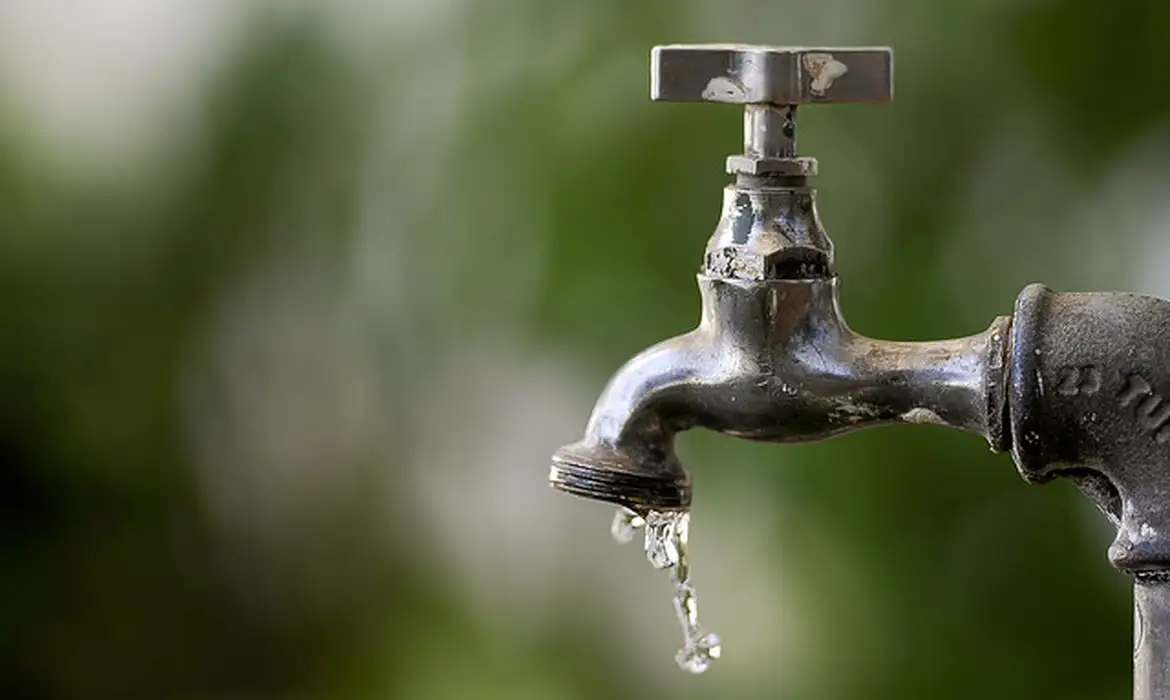
Small Changes Make A Big Difference! Check Out Practical Tips To Reduce Water Consumption At Home And Help The Environment.
In a world where water resources are increasingly scarce, saving water at home is everyone’s responsibility.
Small changes in your daily routine can make a significant difference, both for the environment and for your wallet.
Moreover, this is a simple and effective way to contribute to the preservation of natural resources. Check out the following practical tips to reduce water waste without sacrificing comfort.
-
They were brilliant! Scientists discover that our ancestors in China were already making super advanced tools 160,000 years ago, changing everything we knew.

-
Scientists unveil 3 million years of climate secrets hidden in the ice of Antarctica.

-
Ancient farmers created “aggressive plants” that changed nature forever.

-
Astronomers find a “backward” solar system that ignores all the rules of space and leaves scientists scratching their heads!


Check And Repair Leaks
Small leaks can cause a massive waste. A dripping faucet can waste up to 30 liters of water per day, and a malfunctioning toilet can use up to 200 liters daily. To avoid this problem:
- Check faucets, pipes, and water tanks regularly.
- If you find a leak, arrange for repairs as soon as possible.
- Use dyes in the toilet tank to identify internal leaks.
These simple measures can drastically reduce consumption and avoid unpleasant surprises on your water bill.
Change Small Habits At Home
Water conservation also involves small changes in your daily routine. Some simple actions make all the difference:
- Turn off the faucet while brushing your teeth or shaving. This can save up to 12 liters of water per minute.
- Take shorter showers. Every minute less in the shower can save about 6 liters of water.
- Use the washing machine and dishwasher only when full. Half-load cycles use the same amount of water as a full load.
With these small actions, you save water without compromising your routine.
Install Water-Saving Devices
There are many accessible technologies that help reduce water consumption without compromising efficiency. Some of them include:
- Faucet Aerators, which mix air with water and reduce the flow without affecting pressure.
- Water-Saving Showers, which limit water flow without compromising comfort.
- Dual-Flush Toilets, which allow you to choose between a lower or higher water flow, depending on your needs.
These solutions are easy to install and provide significant reductions in water consumption over time.
Reuse Water Whenever Possible
Repurposing water for different uses is an efficient strategy for saving. Some ideas include:
- Collect Rainwater for watering plants, washing floors, or your car.
- Use Rinse Water From Laundry to clean the yard.
- Set Aside Water From Shower Heating to water plants or flush the toilet.
Small adjustments like these can make a big difference in reducing waste.
Involve The Whole Family
Water conservation should be a collective commitment. Encourage everyone at home to adopt sustainable practices. Some ideas include:
- Create weekly challenges to see who can save the most water.
- Teach children from an early age about the importance of conscious water use.
- Monitor monthly consumption and set goals to reduce it.
When everyone contributes, the results are more significant and lasting.
Take Care Of The Garden Efficiently
For those with plants or lawns, here are some tips to help reduce water consumption without harming plant growth:
- Water early in the morning or in the evening to avoid rapid evaporation.
- Use mulch on the soil to maintain moisture for longer.
- Opt for drip irrigation systems that direct water straight to the roots.
- Choose native or drought-resistant plants that require less watering.
These practices ensure a beautiful garden without excessive water waste.
Monitor Water Consumption
With today’s technology, it’s possible to track water consumption in real time through apps and smart devices. Some utility companies provide personalized reports that help identify consumption patterns and opportunities for reduction.
Knowing how much you are spending is the first step to improving your habits and avoiding unnecessary waste.
The Importance Of Saving Water
Saving water is not just about financial savings, but also a way to preserve natural resources. The water crisis is a reality in many regions of the world, and every liter saved helps ensure there is enough water for future generations.
With small changes in daily life, everyone can do their part. How about starting today?








-

Uma pessoa reagiu a isso.