





 Portuguese
  English
  Spanish
  3 min of reading


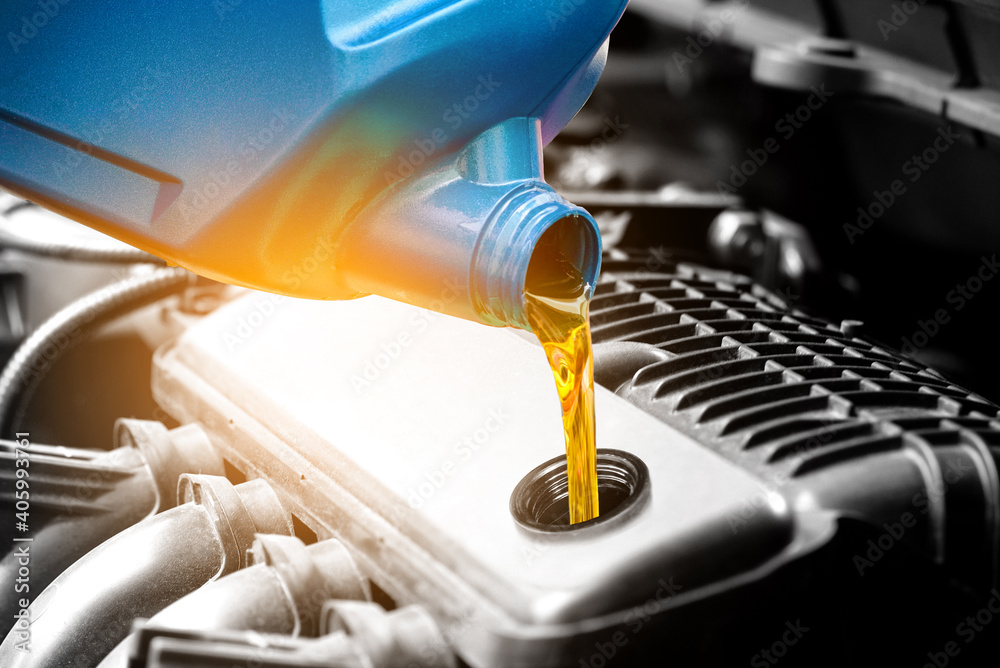
ANP, The National Petroleum Agency, Proposed the End of Common Diesel Commercialization in the Market
The diesel oil distributed in the market, also known as S500, may be removed from the market in Brazil. The National Petroleum Agency (ANP) proposed this new measure that will be evaluated in a public hearing, according to guidelines from superiors, this Thursday, April 28, 2022. The reason behind the possible removal of this fuel from the market lies in its high sulfur content and its use in older vehicles, which leads to limited utilization of the fuel by consumers.
In addition to diesel, the ANP intends to remove the S1800 diesel from the market, which is generally used in power generation in thermoelectric plants, mining, railways, and others. However, if the aforementioned fuels are removed from the market, fuel consumers, as well as the general population, will have access to S10 diesel, which will replace them. This fuel has a low sulfur content, reduces the emission of harmful particles to health, such as SO2, and is less harmful to the environment.
S10 Diesel Supply Is Increasing Annually
Although S500 and S1800 diesel are the most used by consumers in general, the supply of S10 diesel has been growing exponentially since 2014, when it was introduced. Nowadays, it is estimated that about 60% of diesel consumed in the country is S10 diesel. Additionally, according to data, this demand for S10 diesel may further intensify with the introduction of Phase P8 of the vehicle air pollution control program.
Another point is that, with the entry of S10 diesel into the market, Brazil could reduce its dependence on imported fuel.
The common S500 diesel is predominantly used in vehicles manufactured before 2012 and is named so because it contains 500 parts per million of sulfur, while S1800 diesel has 1,800 parts per million and S10 diesel has 10 parts per million of sulfur.
-
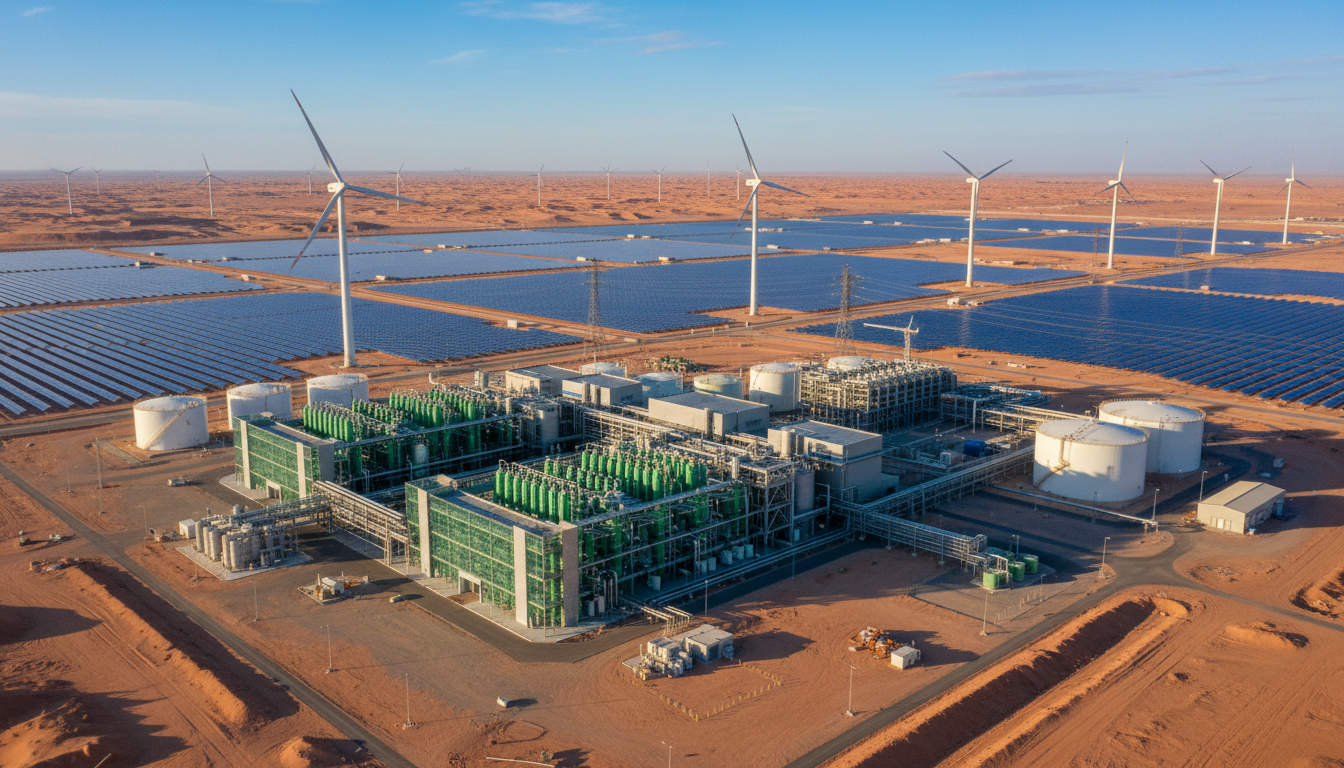
In the Saudi Arabian desert, the world’s largest green hydrogen plant is 80% complete and will use 4 gigawatts of solar and wind energy to produce 600 tons of clean fuel per day when it opens in 2027.
-
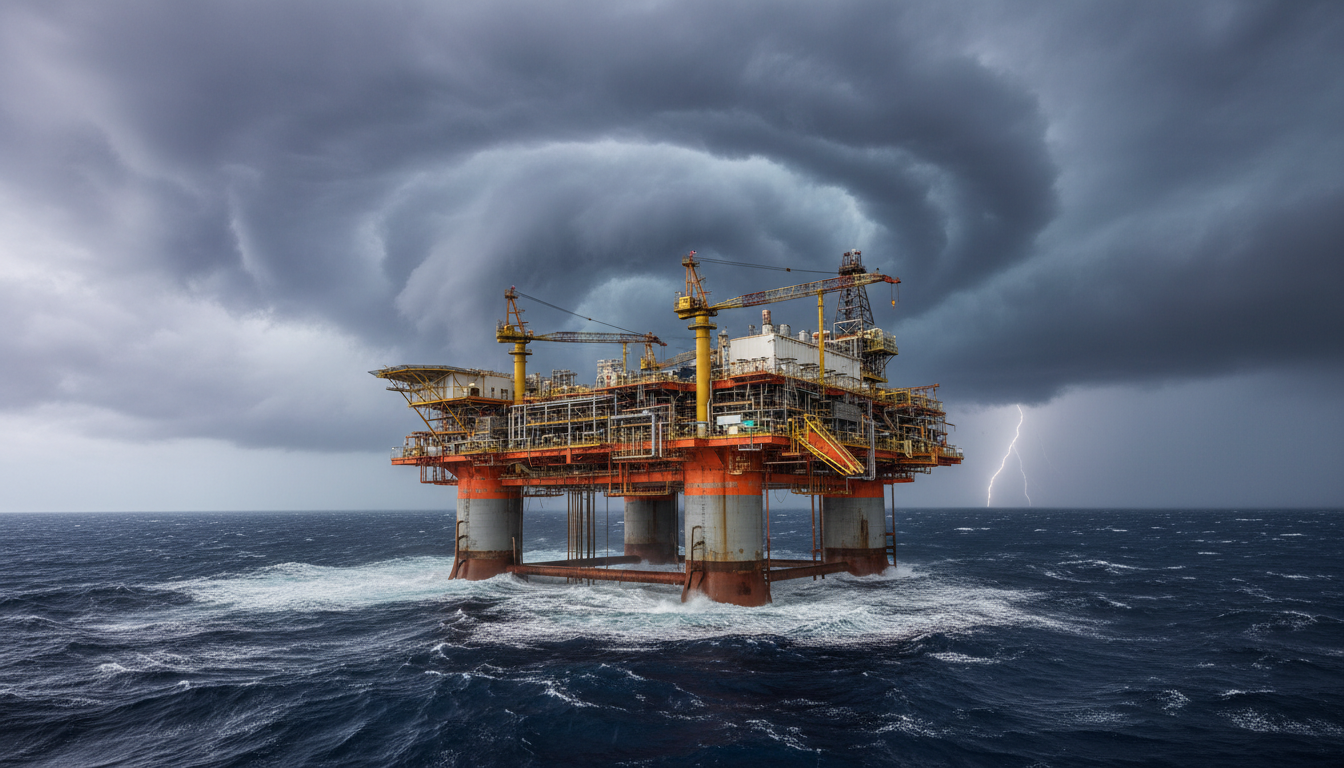
Sixteen years after the largest environmental disaster in oil history, BP has just received approval to open its first new field in the Gulf of Mexico, and the 10 billion barrels are 10 kilometers below sea level.
-
An Italian company has created an underwater drone that lives on the ocean floor for 12 consecutive months without returning to the surface, and the embedded artificial intelligence allows it to inspect and repair oil pipelines on its own.

-
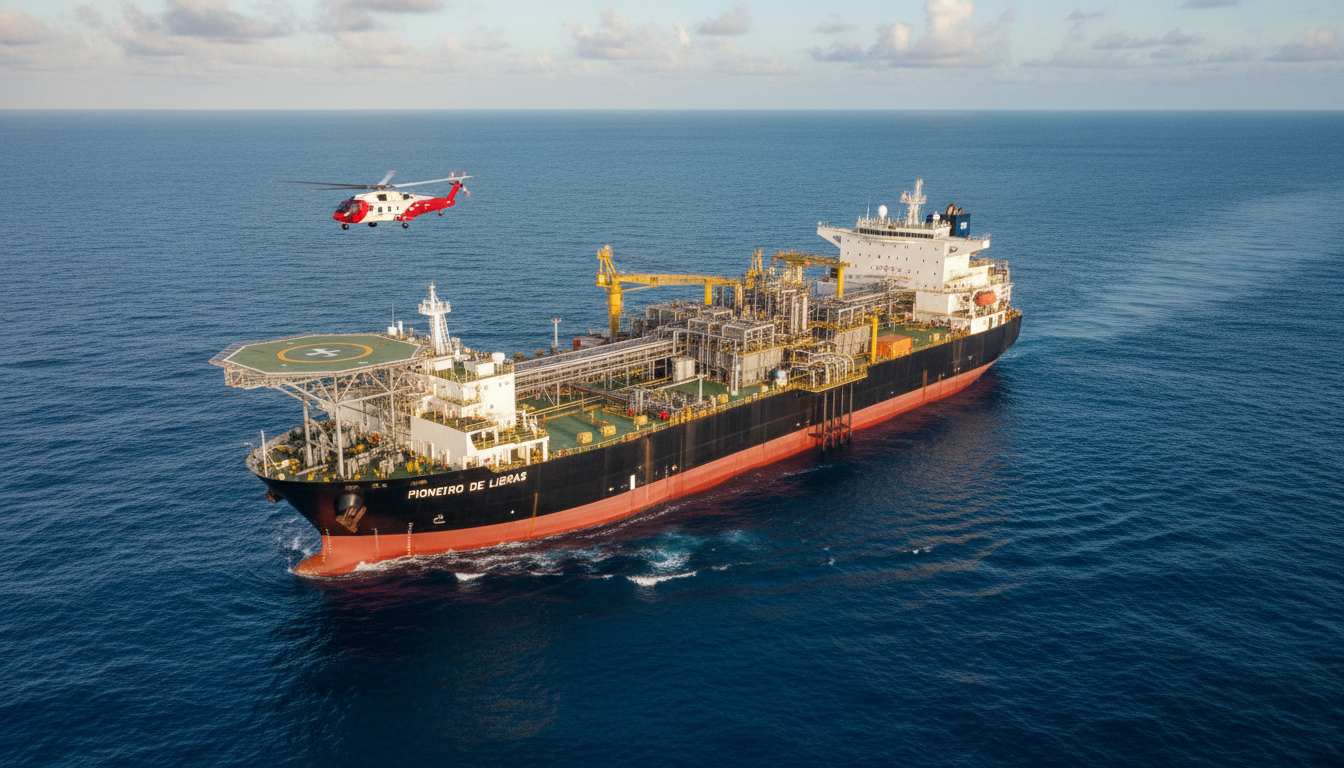
With the war silencing the wells of Iran, Brazil set a record of 5.3 million barrels per day and rose in the global oil ranking without anyone noticing — the pre-salt now accounts for 80% of everything that comes from the seabed.
Bill for 2030 Proposes the End of Gasoline and Diesel-Powered Vehicles
Bill 5332/20, proposed by Deputy Paulo Teixeira (PT-SP), prohibits the sale, throughout Brazil, of new light vehicles powered by gasoline and diesel oil starting on January 1, 2030. According to the resolution of Contran, the National Traffic Council, light vehicles are defined as: tricycles, pickups, quad bikes, motorcycles, scooters, cars. In other words, vehicles with a gross weight of less than 3.5 tons.
The deputy’s goal is to reduce the pollution load that these vehicles generate after burning fuel. This prohibition, according to him, could provide investments in technologies that allow the reduction of greenhouse gas emissions.
The deputy’s proposal is under consideration, along with bills PL 7582/17 and PL 4086/12, which address the production and commercialization of electric-powered automobiles. These cited bills await evaluation in the Economic Development Commission, and will soon be analyzed by the Mines and Energy, Finance and Taxation, and Constitution and Justice and Citizenship commissions.
ANP Measure Also Establishes Modifications in Fuel Composition
According to the Poder360 website, the measure imposed by the ANP, which is still to be evaluated, is outlined in a resolution that also establishes the modification of the specifications for S10 and S500 diesel, as well as best practices for handling and transporting B diesel (with biodiesel added) and A diesel (without biodiesel added), inclusion of the co-processing route for diesel production and alteration of the definition of A diesel, allowing the use of any non-renewable raw material in production. According to ANP director, Daniel Maia, the draft in which the above resolution is found establishes a 90-day deadline for the introduction of best practices for handling and transport and 180 days for specification changes.
According to the ANP director, the removal of S500 and S1800 diesel from the market raises concerns about national supply. He stated that a working group will be developed to assess the transition schedule, and the topic of fuel removal should return to the collegiate board for deliberation.








Seja o primeiro a reagir!