





 Portuguese
  English
  Spanish
  4 min of reading
  0 comments



In Brazil, Adults Aged 25 to 64 With Diplomas Can Earn Up to 148% More Than Salaries Among Young People Aged 25 to 34; Access to Higher Education Is Still Limited.
Having a diploma of higher education in Brazil makes a direct difference in the salary of adults aged 25 to 64, according to data released in 2025.
The international survey indicates that, within this age range, workers with higher education can earn up to 148% more than those who have only completed high school.
The analysis considers income, education level, and employability, showing when, where, and why higher education has become one of the main factors for professional advancement in the country.
-
IPTU exemption for seniors in 2026: see how to secure the benefit.

-
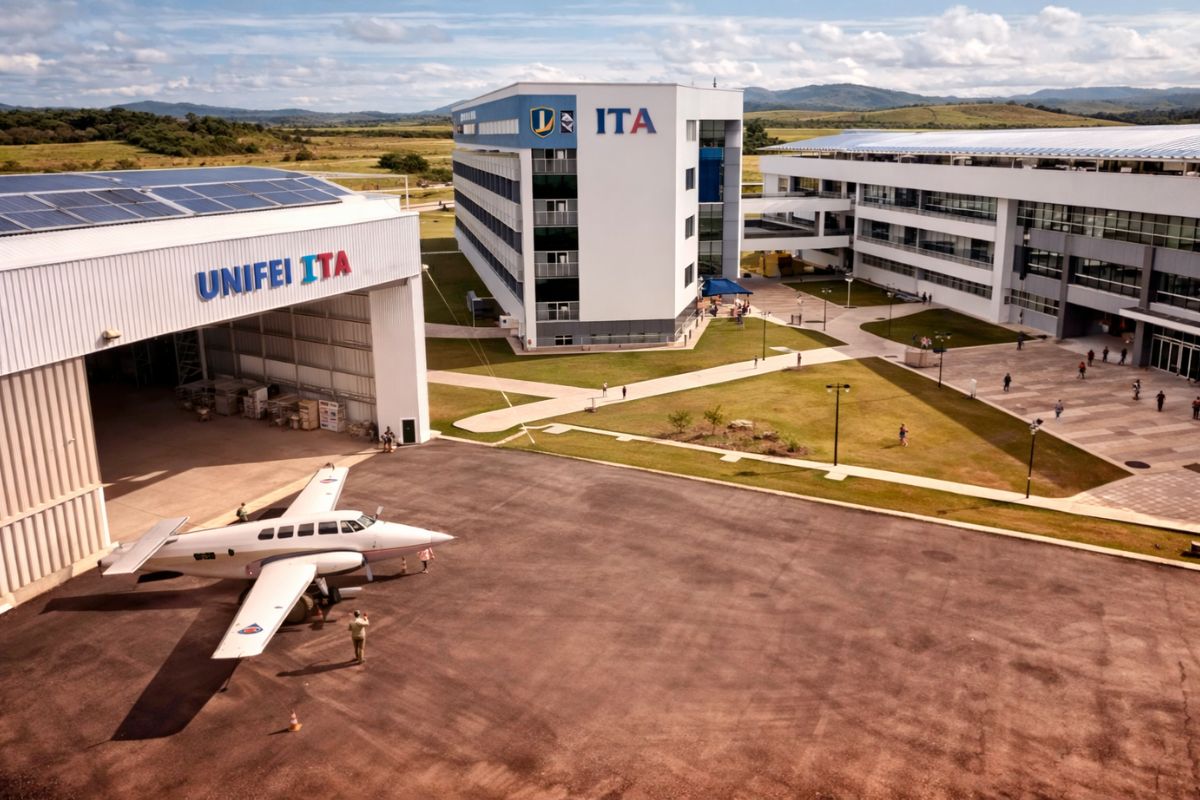
The institute that trained the greatest aerospace engineers in Brazil has just opened its first campus outside São Paulo after 75 years: ITA Ceará will have R$ 445 million, new courses in energy and systems, and classes are expected to start in 2027.
-
Luciano Hang, owner of Havan, goes to Juiz de Fora after the tragedy in February, brings R$ 1 million, hands out R$ 2,000 cards, and donates up to R$ 15,000 to victims in the region.

-
The Brazilian passport allows legal residence in dozens of countries without the need for a prior visa, and most Brazilians are unaware that they can apply for residency directly upon arriving in nations in South America, Africa, and even Europe.


Diploma Affects the Salary of Adults Aged 25 to 64
In the age group of 25 to 64, Brazil presents one of the largest salary differences in the world between workers with and without a college diploma.
On average, graduated adults earn nearly two and a half times more than those who have only completed high school.
This percentage comfortably exceeds the average of developed countries. While in other economies a diploma also increases salary, few register such a significant impact as observed in the Brazilian labor market.
Thus, the diploma ceases to be just an academic certificate and starts to function as an economic divider throughout adult professional life.
Young People Aged 25 to 34 Have Limited Access to Diplomas
Despite the high salary return, access to higher education is still limited in Brazil, especially among young people aged 25 to 34. In this age group, only about 20% to 25% of the population has completed higher education.
This rate is well below the average of countries in the Organization for Economic Cooperation and Development (OECD). As a consequence, a large part of the youth enters the labor market without the diploma that guarantees better salaries in the future.
Therefore, educational inequality begins early and tends to be reflected in earnings over the following decades.
Why Does the Diploma Weigh So Much on Salary in Brazil?
The significant impact of the diploma on salary in Brazil is linked to the low supply of qualified professionals. As few adults aged 25 to 64 have completed higher education, the market pays better for those with this qualification.
Moreover, many higher-paying positions require specific degrees, which restricts access and further enhances the value of the diploma. This scenario widens the gap between workers with different levels of education.
On the other hand, experts point out that this excessive valorizations also exposes structural flaws in the Brazilian educational system.
Diploma Also Reduces Unemployment Among Adults
Among adults aged 25 to 64, the diploma influences not only salary but also job stability.
Professionals with complete higher education exhibit lower unemployment rates throughout their lives.
This occurs because occupations requiring higher qualifications tend to be less affected by economic crises and informality.
Thus, the diploma serves as an additional protection in the Brazilian labor market.
Meanwhile, workers without a degree face greater turnover and less income predictability.
Educational Inequality Limits Salary Gains
Although the data shows clear advantages for those with diplomas, the unequal access to higher education in Brazil prevents these benefits from being widely distributed.
Financial barriers, university dropout rates, and difficulties in staying in school keep young people and adults away from higher education.
As a result, higher salaries are concentrated in specific groups, widening social and regional inequalities. This scenario mainly affects young people aged 25 to 34 who are unable to complete higher education.
Experts advocate for public policies focused on access, retention, and completion of higher education.
The numbers indicate that expanding access to diplomas could reduce inequalities and increase average income in Brazil.
The more young people who manage to complete their degrees, the smaller the salary gap between different age groups is likely to be in the future.
At the same time, investing in higher education strengthens the labor market and expands opportunities for adults throughout their professional lives.
Thus, the relationship between diploma, Brazil, and salary makes it clear that education is not just an individual choice, but a decisive factor for the social and economic development of the country.
Source: Agência Brasil









-

Uma pessoa reagiu a isso.