





 Portuguese
  English
  Spanish
  2 min of reading


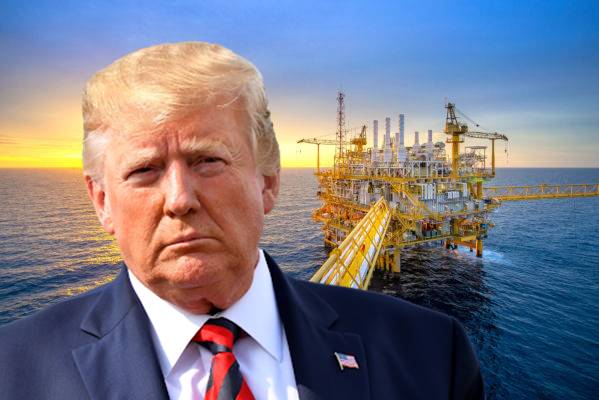
“After Donald Trump tweeted that he expects to see a reduction of 10 million barrels, the price of oil rose over 20%.” Some considerations must be made. It is evident that the information provided by the U.S. president should not be questioned, but it is worth pointing out some inaccuracies that hinder understanding. Will the reduction be of 10 million barrels per day? If so, who will do it? For Saudi Arabia is taking about 12 million BPD, while Russia extracts about 11 million BPD. Each country would have to cut its production to nearly half for the math to add up, which seems difficult. If the mentioned cut involves the total OPEC+ production, should we interpret it as a return to full harmony of the group?
Read Also
- URGENT Job Openings and IMMEDIATE Hiring for Mariners from Recife, Aracajú, Santos, and Itajaí on this day, April 2
- China: The World’s Largest Importer Takes Advantage of Falling Oil Prices to Buy Cheaper Barrels and Secure Its Stocks
- Offshore Wind Energy: Public Consultation on Projects in the Sector Postponed by Ibama
The answers are essential for us to quantify how much the price should rise. We had already been emphasizing the fragile balance in which the price of oil was situated, especially given that it has a cartelized market.
In any case, previous calculations regarding the discrepancy of domestic oil prices compared to the international market have fallen apart. The international price that was 20% below that practiced by Petrobras, validating a cut of similar magnitude, has reversed, now being practically equal to the domestic price.
-
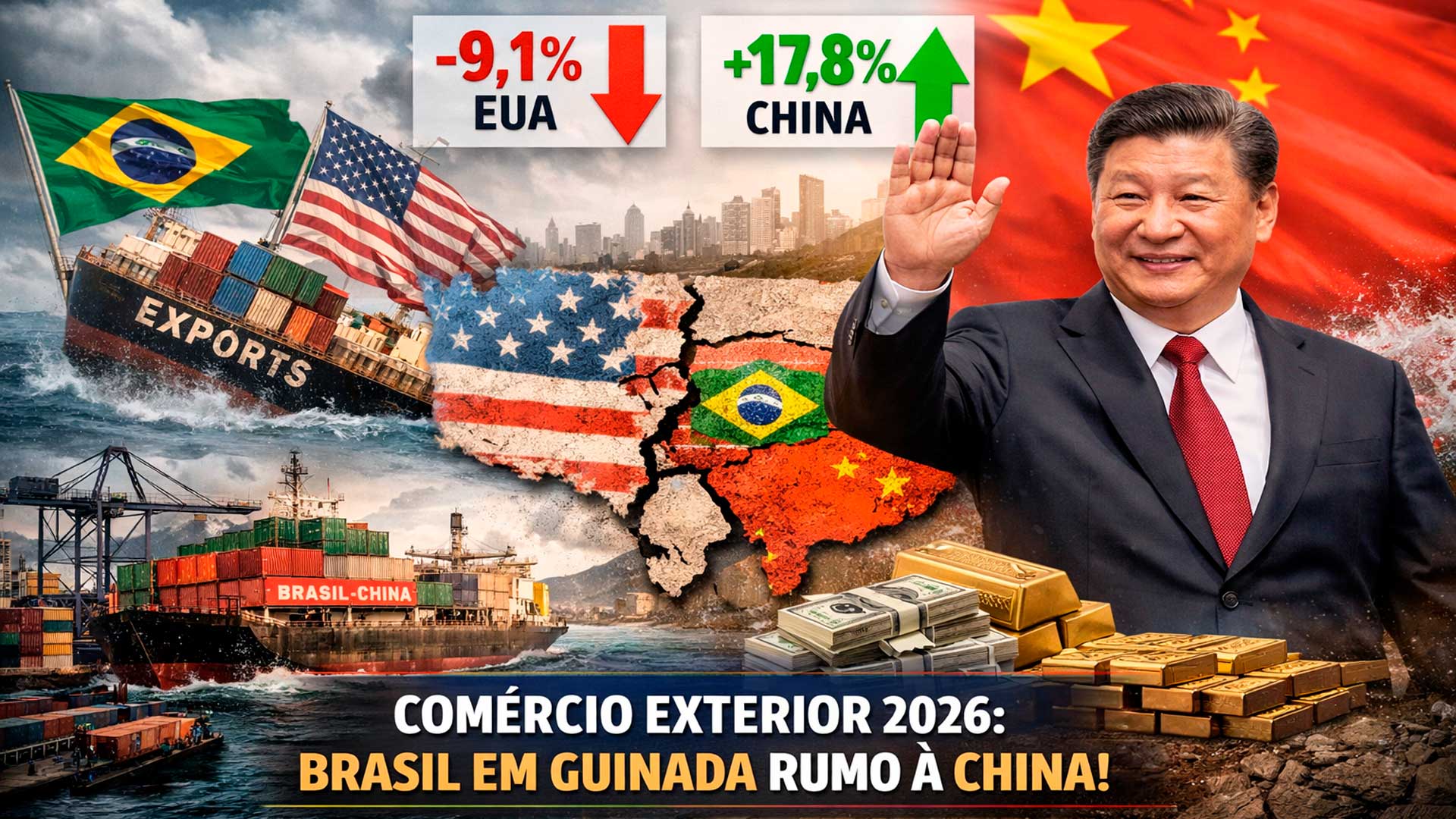
Brazil’s exports to the U.S. plunge for the eighth consecutive time, while China expands its leadership, and this is changing the landscape of foreign trade in 2026.
-
The Federal Government wants to curb family indebtedness and is considering releasing FGTS with a renegotiation that could cut up to 80% of debts for families and individual micro-entrepreneurs (MEIs).

-
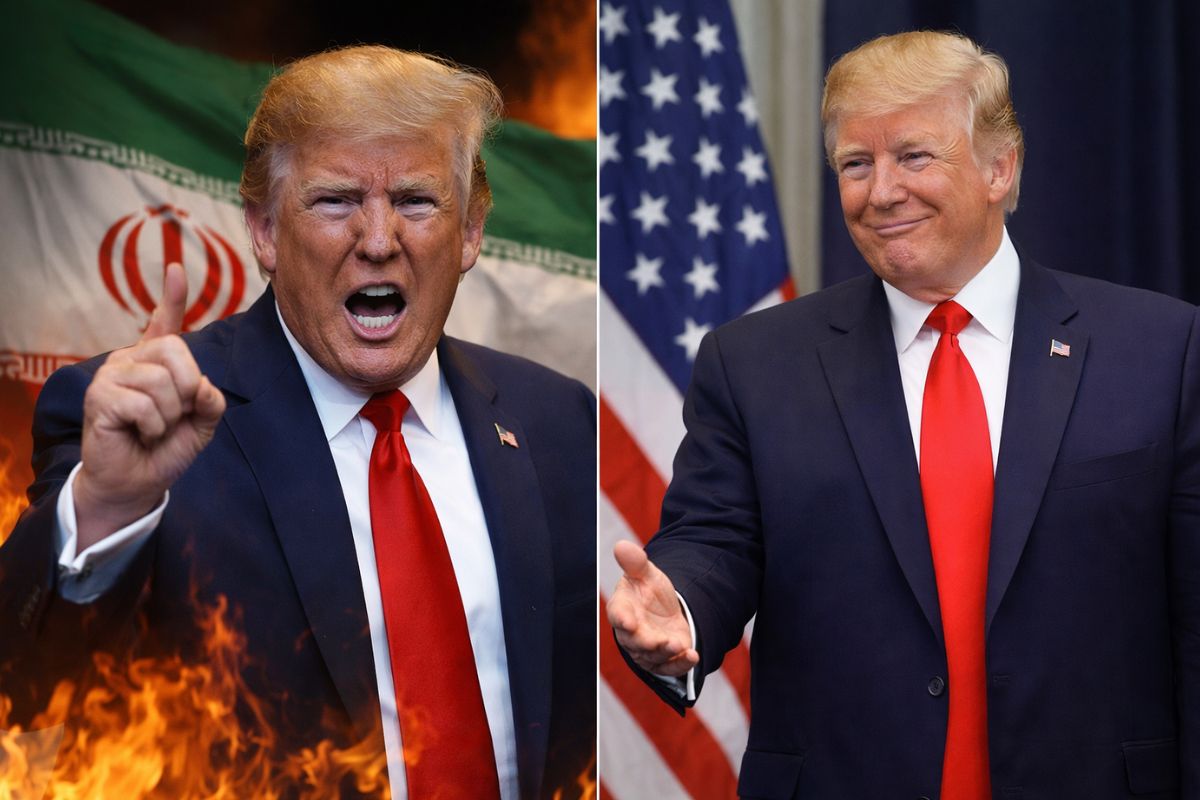
‘Theory of the Madman’ is the strategy that explains why Trump threatened to end Iran and hours later offered a two-week truce as if nothing had happened.
-
Oil secures a larger drop, exports advance in March, and Brazil ends the month with a surplus of $6.4 billion despite the strong rise in imports.

We emphasize that the rise in the oil market observed today does not affect our projection for the 2020 IPCA of 1.8%, as we had already accounted for a reversal of commodity prices in our scenario. The only thing that changes, thus, is the potential of -50 points for the IPCA headline in 2020 not being a risk factor anymore.”
Courtesy and News Suggestion by Ativa Investimentos









Seja o primeiro a reagir!