





 Portuguese
  English
  Spanish
  3 min of reading
  0 comments


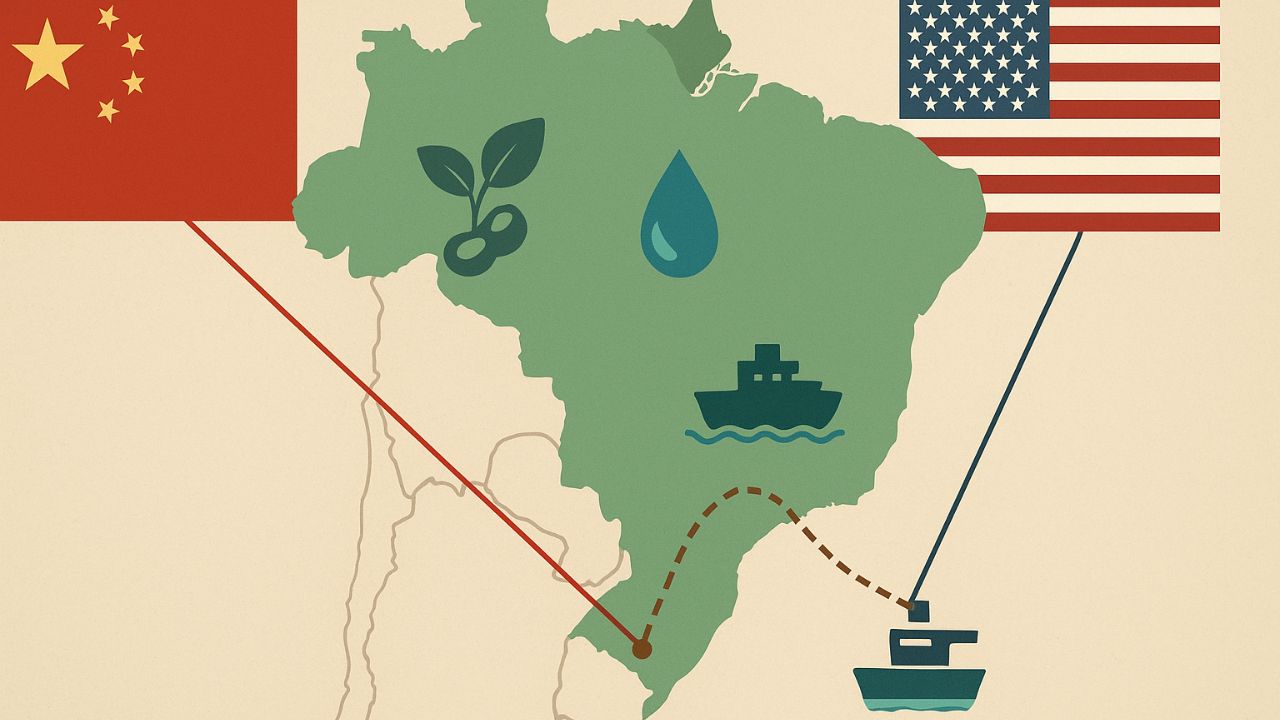
Brazil Gains Prominence as Strategic Territory in the Dispute Between China and the USA, with Direct Impact on Latin America and the Port of Chancay.
Brazil is consolidating itself as one of the main strategic territories in the world, a target of the geopolitical dispute between China and the United States.
The assessment comes from historian Leonardo Trevisan, a professor of International Relations at ESPM, who emphasizes how the country’s natural resources, food security, and geographic position place Brazilian territory at the center of interest for the two largest global powers.
During his participation in the program WW Special, on CNN, Trevisan highlighted that the view that only the USA seeks political influence over Brazil is limited.
-
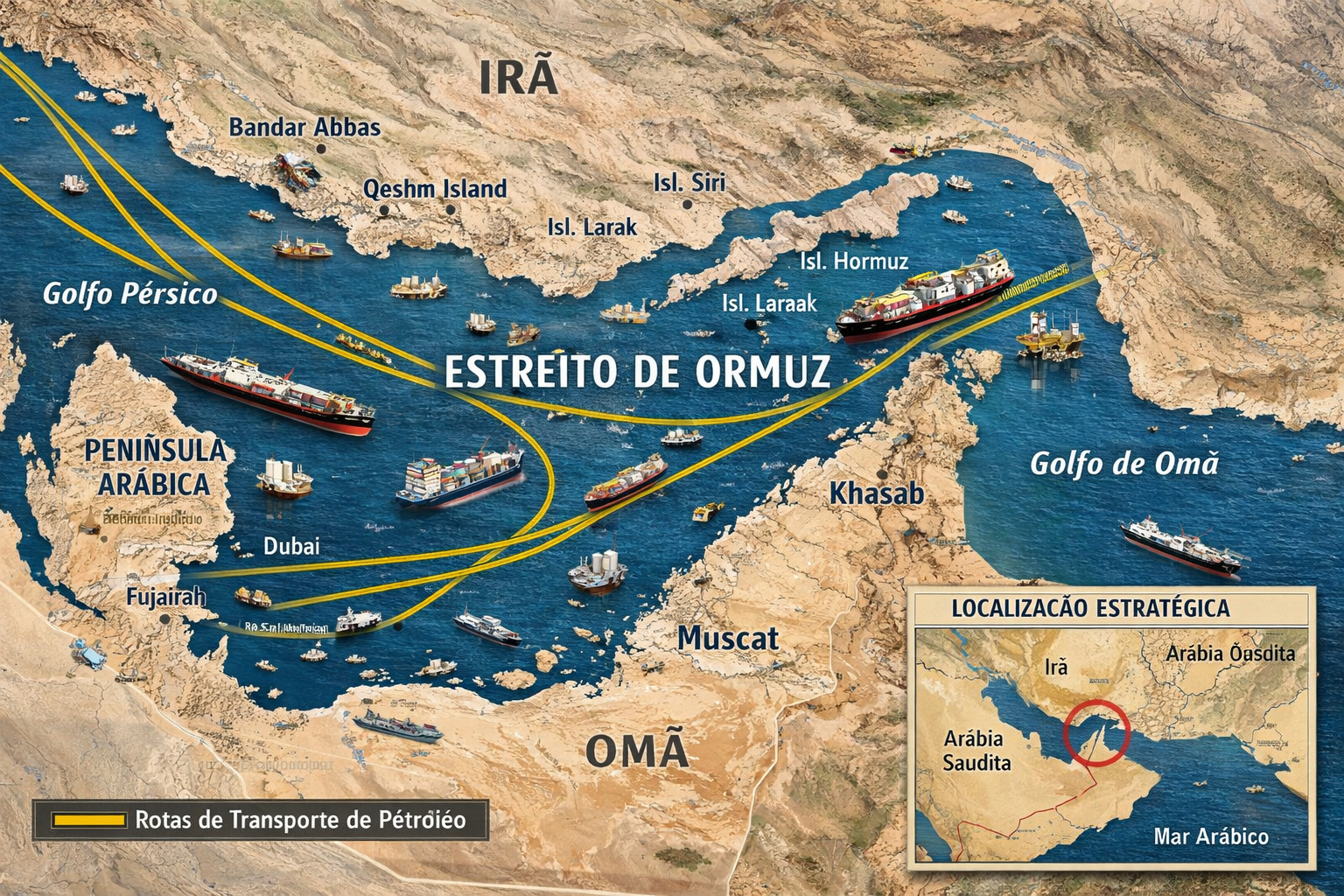
Global summit with over 40 countries pressures Iran for a blockade in the Strait of Hormuz and warns of direct impact on oil, food, and the global economy.
-
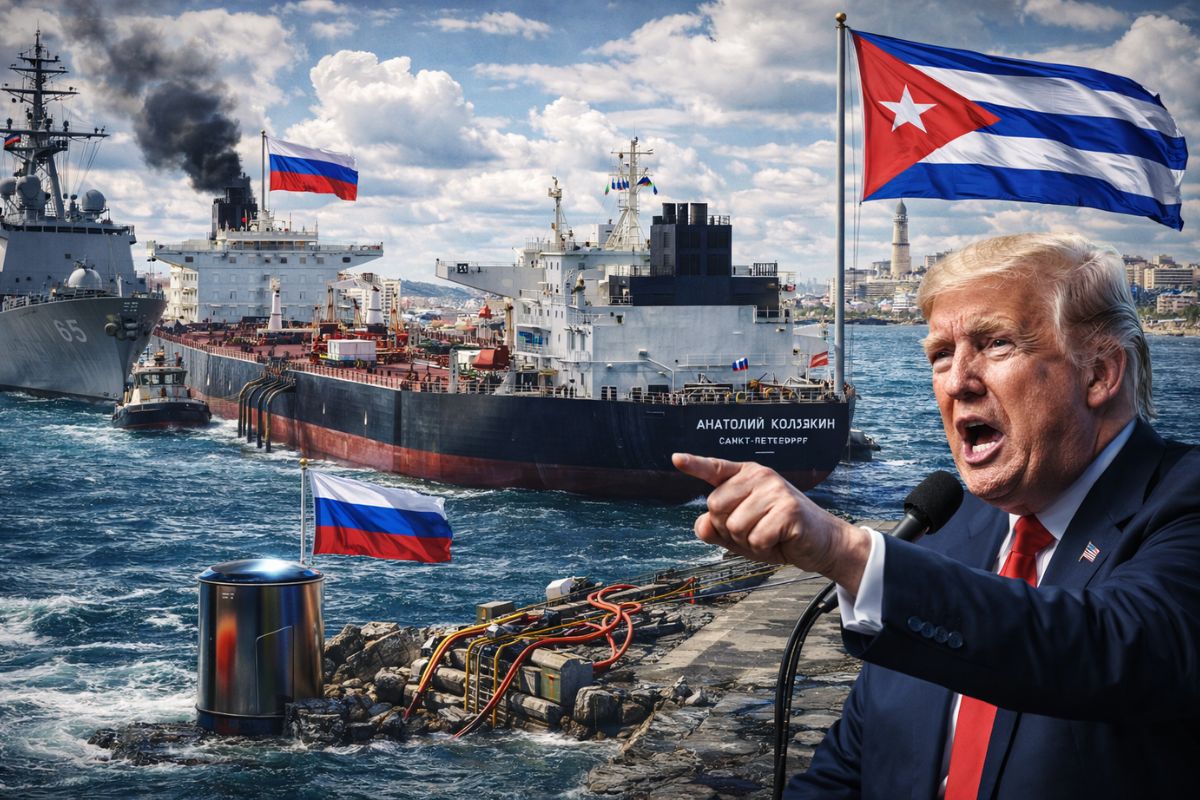
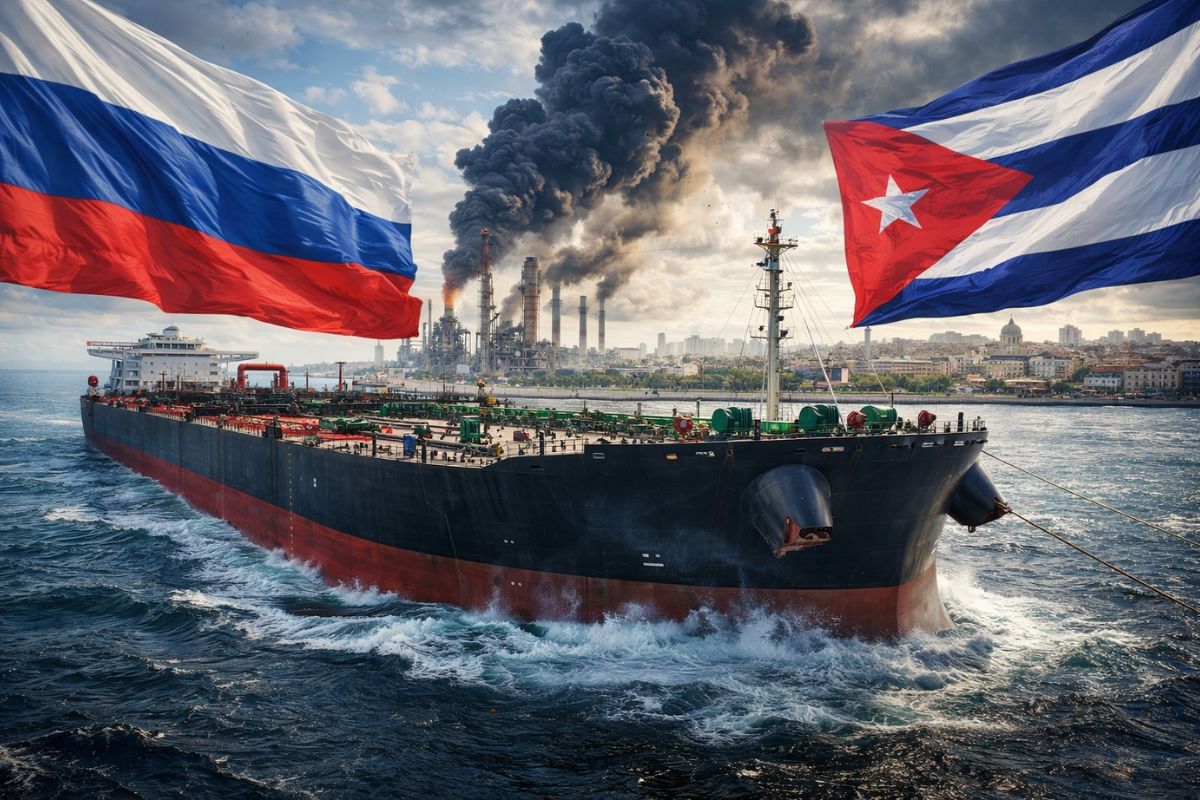
Russia has broken the U.S. maritime blockade to send oil to Cuba and is now loading a second ship while Trump says that “Cuba is next” in a possible military action against the island.
-
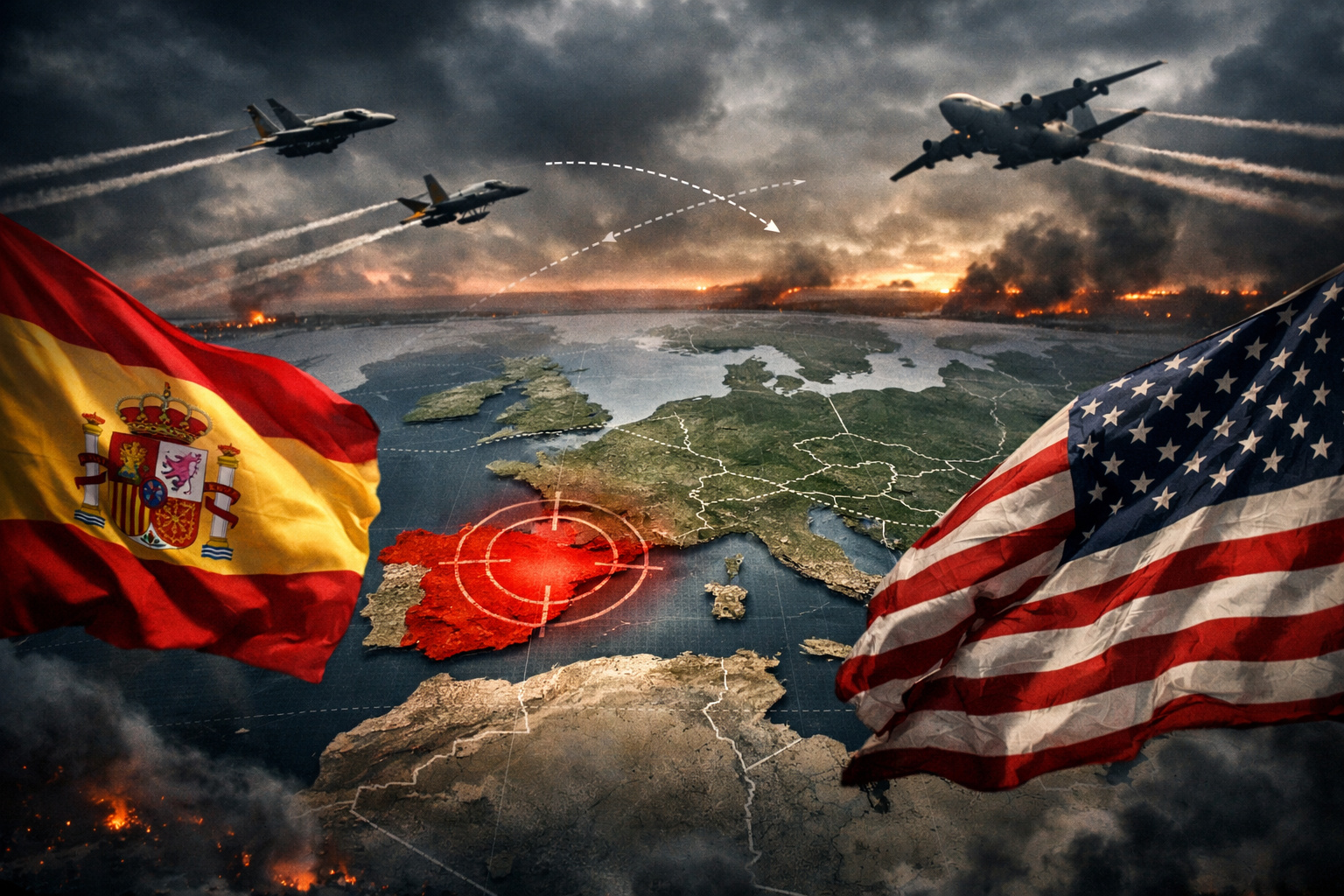
Spain challenges the USA and closes its airspace for operations against Iran, raising global tension and provoking the threat of a trade rupture.
-
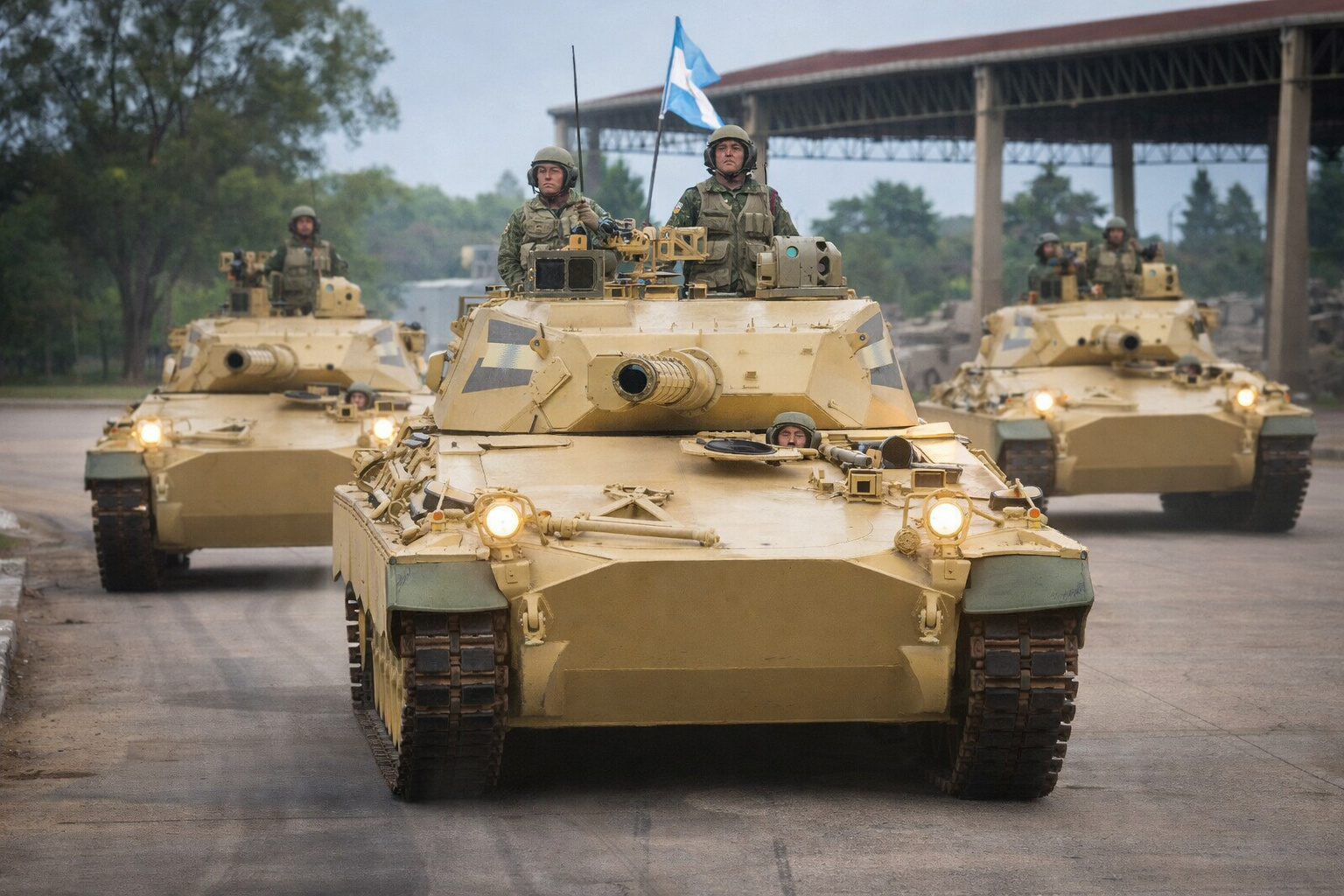
While no other country manufactures tanks in Latin America, Argentina activates the TAM 2C-A2 and raises a curiosity about the technological lag in the region.

For him, the reality is more complex. “We will be coveted because we have 13% of the world’s freshwater reserves,” he stated.
Natural Resources and Food Security Attract Powers
According to the specialist, Brazil is one of the most prepared countries to ensure global food security.
The production of soybeans is one of the main examples, as the grain requires a large volume of water and plays a fundamental role in transforming plant protein into animal protein.
“This territory here, not only Latin America, but especially Brazil, has two coveted resources. Soy, for example, is a key product that demands a lot of water and allows for the transformation of plant protein into animal protein, something that the whole world will seek,” Trevisan explained.
This abundance transforms Brazil into a key piece on the global chessboard, both for the USA, interested in maintaining political influence, and for China, seeking to strengthen economic and logistical ties.
Chinese Advancement in Brazil and Latin America
One of the central points highlighted by the professor is China’s rise on the continent. According to him, Chinese investments in Brazil grew 113% between 2023 and 2024.
This movement reflects a broader strategy of expansion in Latin America, especially with the megaproject of the port of Chancay in Peru, valued at US$ 4 billion.
“Chancay is a hub of attraction, but Chancay is not just in Peru; it is here within Brazil. We have five built routes to reach Chancay through Brazil with bioceanic railways, all with Chinese capital,” Trevisan emphasized.
The port, which could accommodate larger oil tankers than those supported in Santos, opens new strategic routes for international trade, reinforcing China’s presence in the region.
Different Strategies of China and the USA
In Trevisan’s analysis, the USA seeks to preserve its political leadership on the continent, while China aims to create deeper economic and logistical dependencies.
“If the United States wants to exchange political dominance, China wants to put us increasingly in concrete dependence,” he assessed.
Thus, Brazilian territory becomes a vital piece in the geopolitical balance, not only due to agricultural production but also because of the infrastructure network that connects the country to large international projects.
Brazil Viewed as “The World’s Great Farm”
For the professor, the international image of the country still carries the perception that Brazil is a “great farm.” This view, he argues, intensifies the interest of both powers.
“Are we not going to be a territory of geopolitical dispute much greater than we are imagining?” Trevisan questioned, warning about the challenges Brazil will face in dealing with increasingly intense external pressures.







Seja o primeiro a reagir!