





 Portuguese
  English
  Spanish
  3 min of reading



After Accusations to Cade, Petrobras Responds That the Oil Market Has Diversity of Suppliers, Both National and International. Private Refineries Are in the Race for the Price of Oil with the State-Owned Company.
Private refineries recently made accusations against Petrobras, triggering the Administrative Council for Economic Defense (Cade) in search of measures to balance the competition. They claim that the state-owned company favors its own refineries by selling oil at lower prices, creating a disparity of up to 10%. Experts support the claim, emphasizing its economic impact and the regulatory instability that could affect investments in Brazil. The outcome of the dispute and Cade’s role will be decisive in the search for an equitable solution.
Private Refineries Accuse Petrobras of Disparity in Oil Pricing
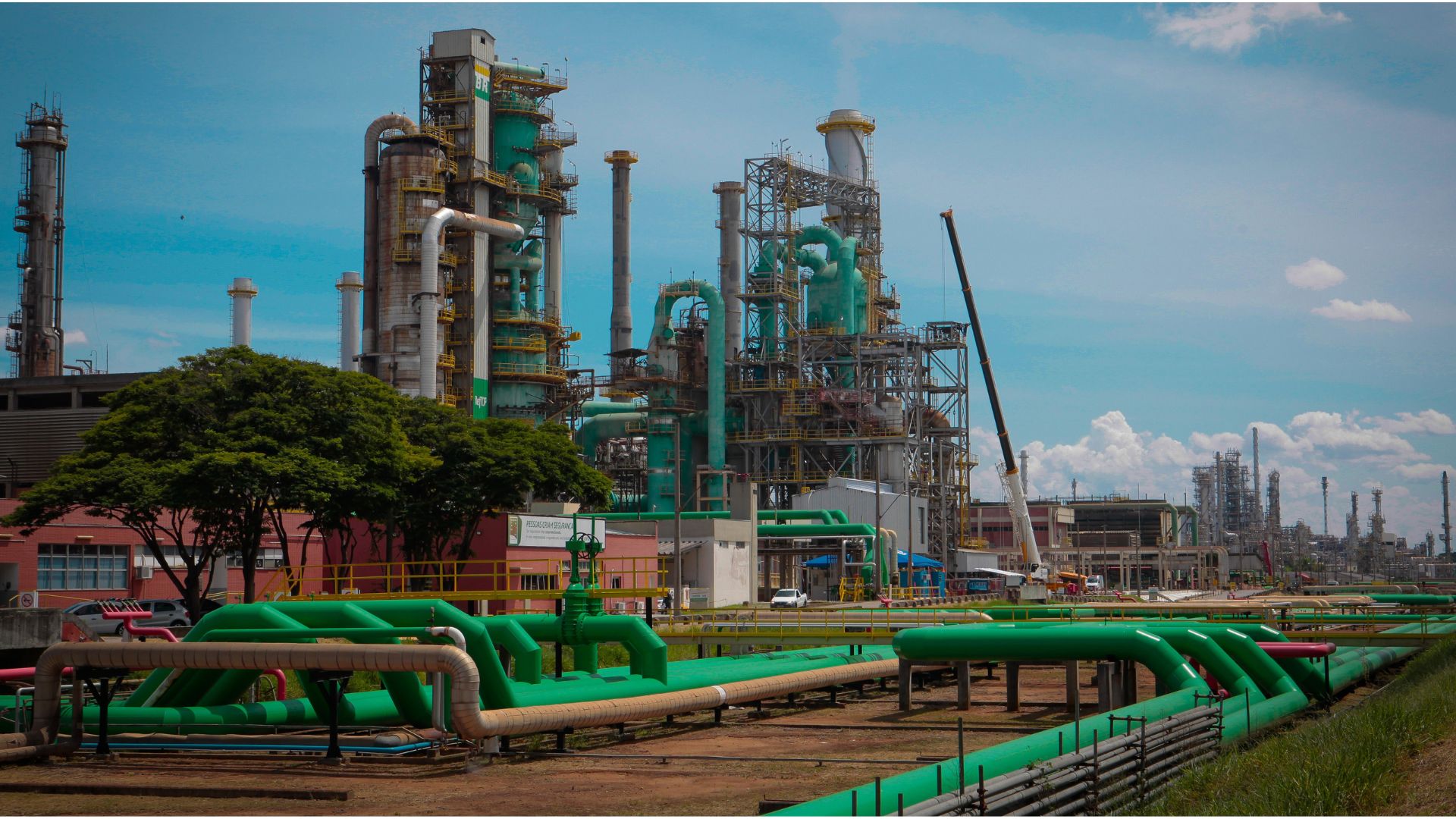
In the Brazilian energy landscape, Petrobras maintains its position as a central player, holding a significant 80% of the refining capacity in the country and supplying over 93% of the national oil production.
However, a controversy is escalating as a group of private refineries launches accusations against Petrobras, alleging an imbalance in free competition and abuse of market power.
-
Petrobras Expands Refining in Brazil, Increases Production of Diesel S-10 and Gasoline, Enhances Operational Efficiency, and Reduces Import Dependence Between 2023 and 2025

-
Petrobras’ Refap Sets Historic Records for Gasoline and S-10 Diesel Production in Canoas in Q4 2025, Surpassing Previous Figures

-
Revap Starts Operation of Modernized HDT and Petrobras Expands S-10 Diesel Production by 80% at the Refinery, Boosting Supply of Less Polluting Fuel in Brazil
-
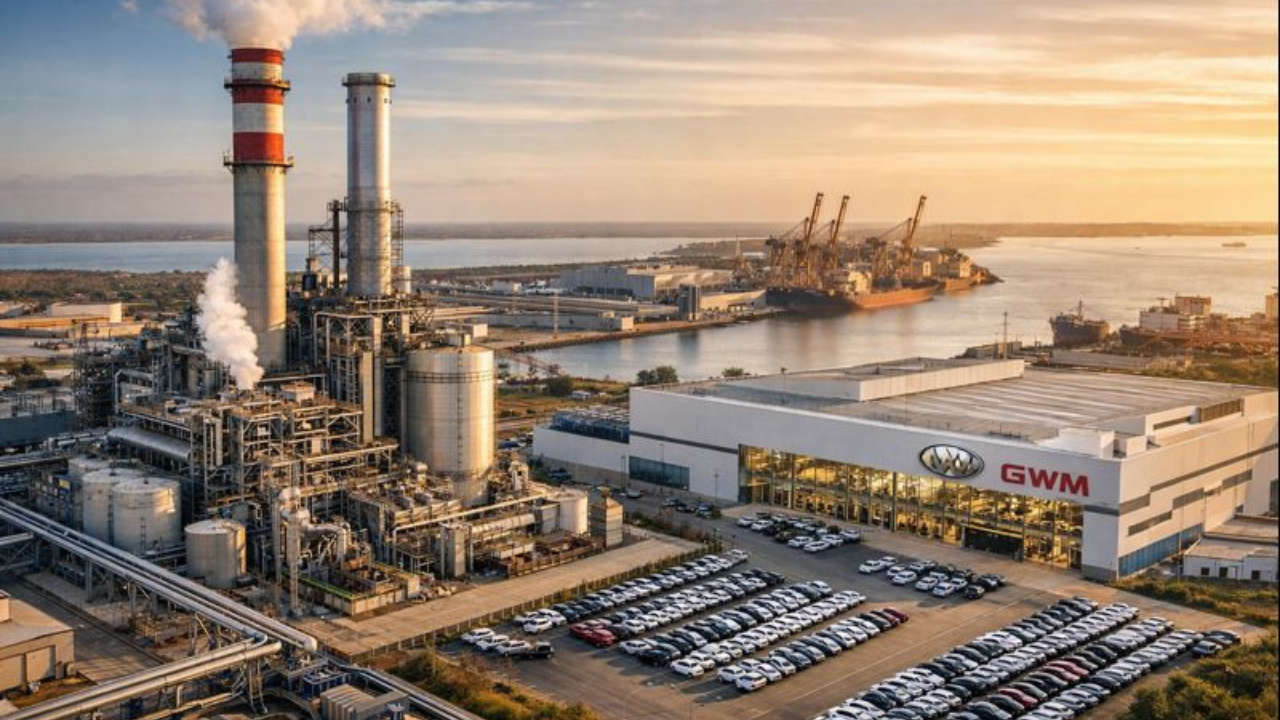
Thermal Power Plant in Rio Grande do Sul Is Key to Attracting GWM
The Brazilian Association of Private Refining, known as Refina Brasil, a conglomerate that includes the Arab megafund Mubadala Capital and companies representing 20% of national fuels, has taken bold steps.
In June, they turned to Cade seeking measures that would require Petrobras to price oil sales equivalent to those of its own refineries.
According to Refina Brasil, Petrobras is offering more advantageous conditions to its own refineries by selling oil at lower prices.
The numbers speak for themselves: the average difference, as alleged in the request submitted to Cade, is US$ 7 per barrel of oil.
In some cases, this discrepancy can reach 10% more than the price charged to independent refineries.
“Petrobras is both a producer of oil and a competitor of private refineries because it has its own refineries. It transfers the oil from the extraction part to the refining part at a price and conditions better than it does for the private refineries when it sells. This is an anticompetitive practice,” stated Refina Brasil’s president, Evaristo Pinheiro.
Experts Reinforce Private Refineries’ Concerns in Accusations to Cade
Experts echo the claims of private refineries following accusations to Cade. Economist Adriano Pires from the Brazilian Center for Infrastructure (CBIE) highlights concerns about the economic impact.
He emphasizes that Petrobras’s stance contradicts fundamental principles of the free market, harming Brazil’s ability to attract investments.
Specialized lawyers are also involved in the discussion. Ronaldo M. Assumpção Filho from Miguel Neto Advogados points out that Petrobras does indeed have a dominant position in the market, but the central question is whether it is abusing that position.
José Del Chiaro from Del Chiaro Advogados adds political complexity to the debate, highlighting the change in Petrobras’s pricing policy as an additional factor.
The discussion goes beyond the energy market. The uncertainty generated by this dispute could affect investments in the country as a whole.
After all, regulatory stability is a crucial factor in attracting investors. Additionally, there are concerns about the impact on private refineries, which face the risk of financial unsustainability.
In response to the accusations to Cade, Petrobras emphasizes that the transfer of oil to its refineries does not follow a conventional buying and selling model.
It claims that its operations are guided by an integrated model that takes into account a series of variables.
Furthermore, it highlights the diversity of suppliers available in the market, both international and domestic.










Seja o primeiro a reagir!