





 Portuguese
  English
  Spanish
  4 min of reading
  33 comments





A New Law In North Korea Imposes Heavy Penalties On Couples Seeking Divorce, Further Restricting Individual Freedoms In The Country.
The government of North Korea has implemented new legislation that transforms divorce into a serious crime, marking a drastic shift in the country’s social policies. The law, recently announced, imposes severe penalties on couples attempting to formalize their separation.
Couples opting for divorce in North Korea now face a new and harsh reality: both partners are sent to labor camps for up to six months as punishment.
The decision, reported by the independent news service Radio Free Asia (RFA), was recently implemented and has caused international backlash.
-
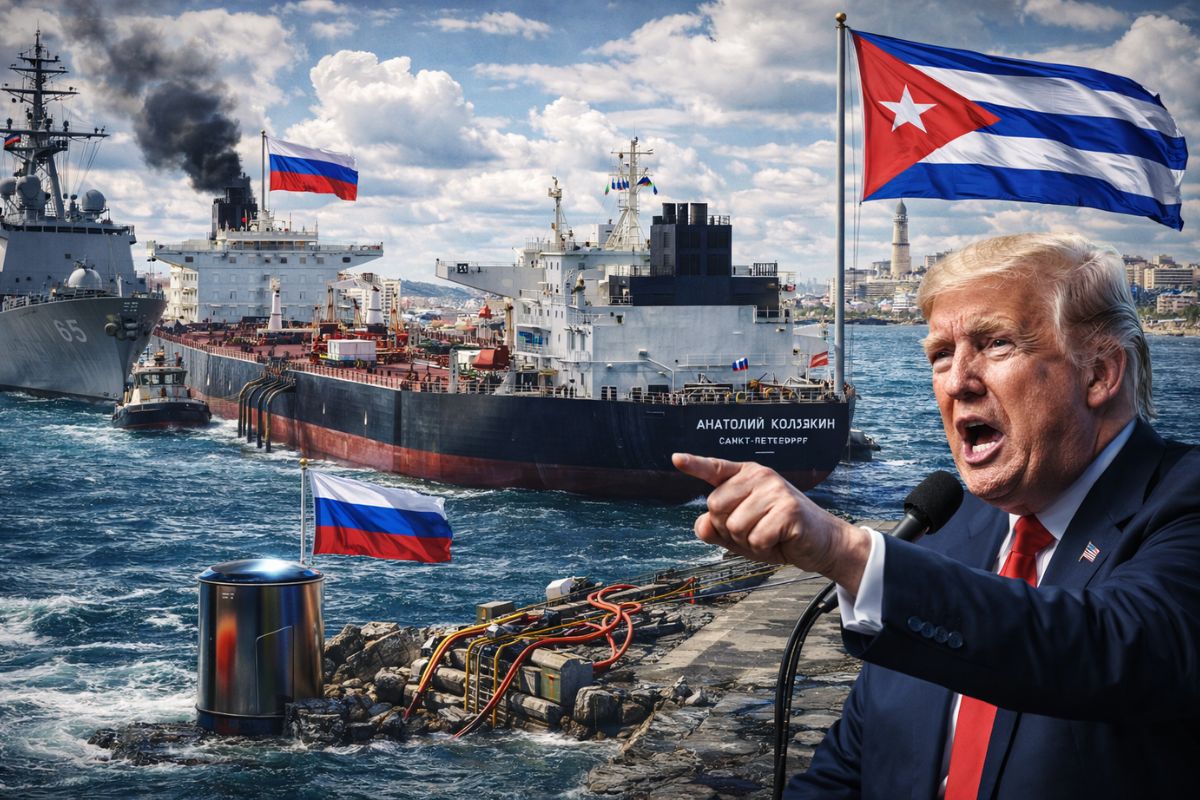
Russia has broken the U.S. maritime blockade to send oil to Cuba and is now loading a second ship while Trump says that “Cuba is next” in a possible military action against the island.
-
Spain challenges the USA and closes its airspace for operations against Iran, raising global tension and provoking the threat of a trade rupture.

-
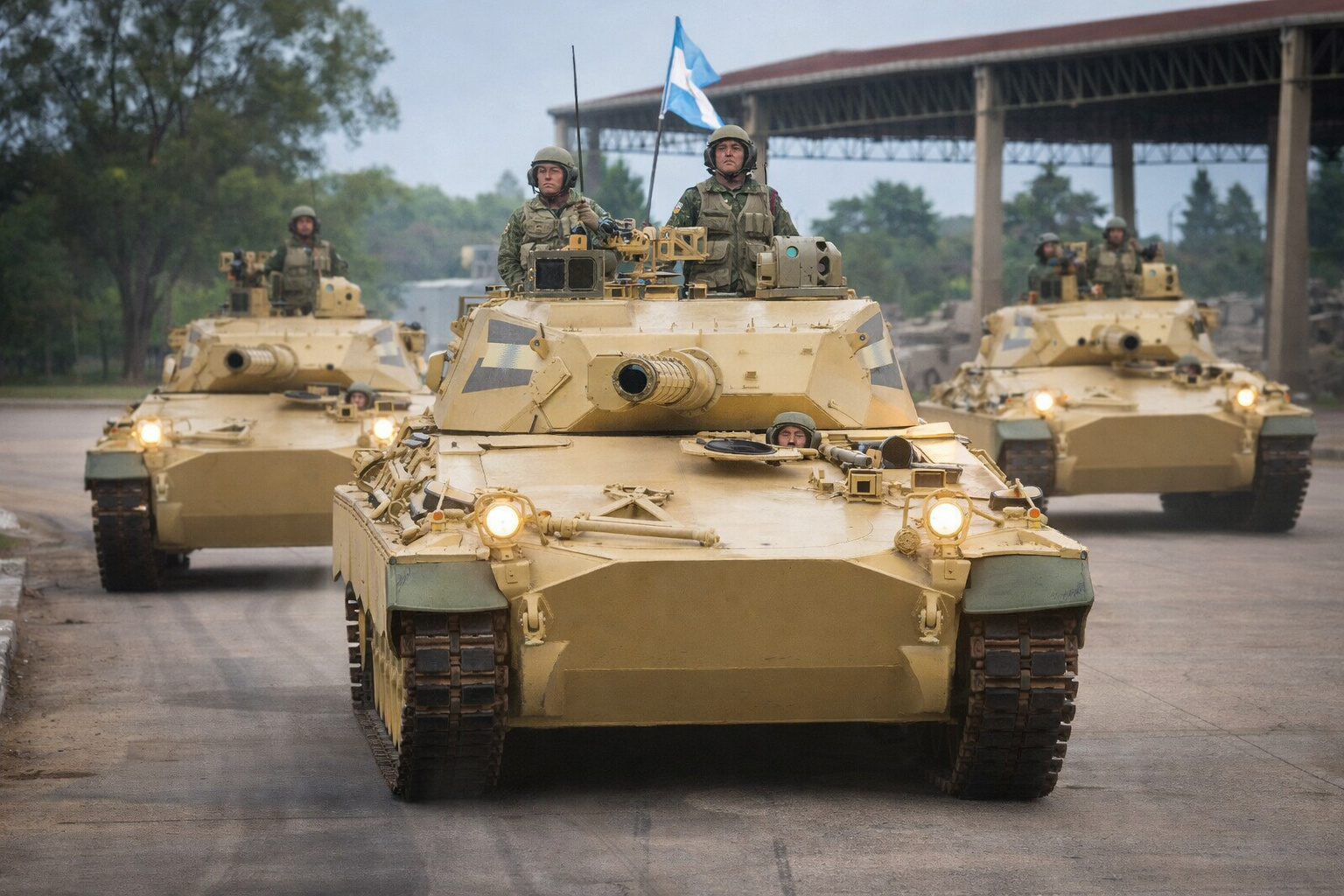
While no other country manufactures tanks in Latin America, Argentina activates the TAM 2C-A2 and raises a curiosity about the technological lag in the region.
-
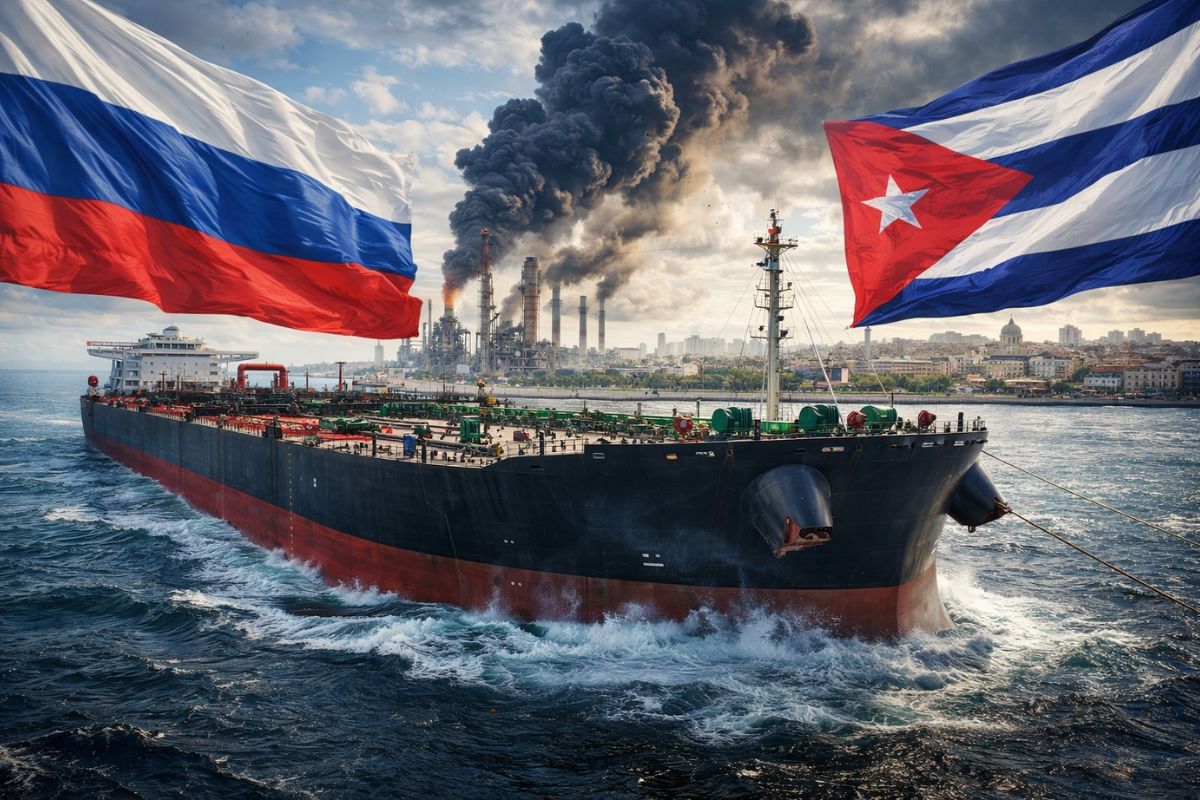
A Russian ship with 730,000 barrels of oil has just arrived in Cuba while Mexico negotiates fuel sales through private companies: the communist island is desperately seeking alternatives after losing its supply from Venezuela due to American military action.

According to reports, divorce is viewed by the North Korean regime as an act of “antisocial sympathies.”
In some cases, women receive longer sentences than men, exposing a disparity in the application of punishments.
Context Of The New Rule
Before the pandemic, divorce was already stigmatized in North Korea, considered “abnormal behavior” and a social problem.
Only the spouse who initiated the process was punished, being sent to labor camps. Now, both partners are subject to the same penalty.
The change reflects an attempt by the government to curb rising divorce rates, viewed as a threat to social stability.
Official data on divorces in the country is scarce, but the last national census, conducted in 2008, indicated that only 3% of the population was classified as separated.
Impact Of The Pandemic
The increase in divorce rates in North Korea was driven by economic problems exacerbated by the pandemic. Meanwhile, the flight of couples to South Korea also contributed to this trend.
A recent report from the Ministry of Unification of South Korea revealed that 28.7% of women and 15.2% of men surveyed in a study were divorced.
However, the real impact of these new punishments is not yet fully known, as the regime is notoriously closed and strictly controls the dissemination of internal information.
Testimonies Reveal The Reality Of The Camps
A woman recently released from a labor camp in the province of South Pyongan reported to RFA that she spent three months serving her sentence. According to her, the camp housed about 80 women and 40 men, with 30 of these individuals there due to divorces.
“The sentences for women were longer than for men,” she stated. These accounts highlight the severity of conditions in the camps, as well as reinforce the gender inequality present in the punishment.
North Korean Government Efforts To Reduce Divorces
In addition to the new punitive policy, the North Korean government launched educational campaigns aimed at discouraging divorce, with special focus on women. Lectures organized by the Korean Socialist Women’s Union have promoted the idea of a “harmonious family,” while other measures include public humiliation of the parents of divorced couples and employees of companies where divorce rates are high.
To formalize a divorce in the country, consent from both spouses and government approval is required, which already complicates the process. This bureaucracy combined with the new punishments creates a challenging scenario for couples in crisis.
International Backlash
The decision has generated criticism and concerns outside North Korea. Steve Herman, chief national correspondent for Voice of America, highlighted the situation in a post on X (formerly Twitter):
“RFA [Radio Free Asia] – North Koreans say that starting this month, all divorced couples will be sent to labor training camps.”
Another account came from an anonymous resident of Ryanggang province, who confirmed the change to RFA Korean:
“Until last year, when a couple divorced, only the person who first filed for divorce was sent to a labor training camp. Starting this month, all divorced couples will be sent.”
Demographic And Social Consequences
Experts warn of potential impacts of this policy on marriage and birth rates in North Korea.
Currently, the country faces a fertility rate of only 1.78 children per woman, a figure already below the replacement level.
The reduction in the number of marriages could further exacerbate the demographic situation, leaving Pyongyang in a vulnerable position.
This trend contrasts with the efforts of other countries in the region to increase their birth rates, such as South Korea and Japan.
The future of this repressive policy will depend on the response of the population and potential adaptations made by the North Korean regime.
However, the restrictions have already placed divorced couples in an even more precarious position, while the international community continues to pressure for more information regarding the conditions in the labor camps and the implications of this new measure.









I appreciate the honesty in your assessment — refreshing to see.
Such a clear explanation — I feel more confident tackling this now.
Pretty! This has been a really wonderful post. Many thanks for providing these details.